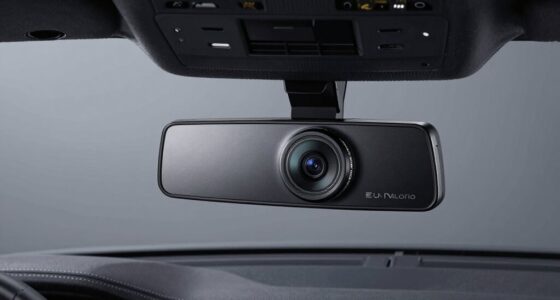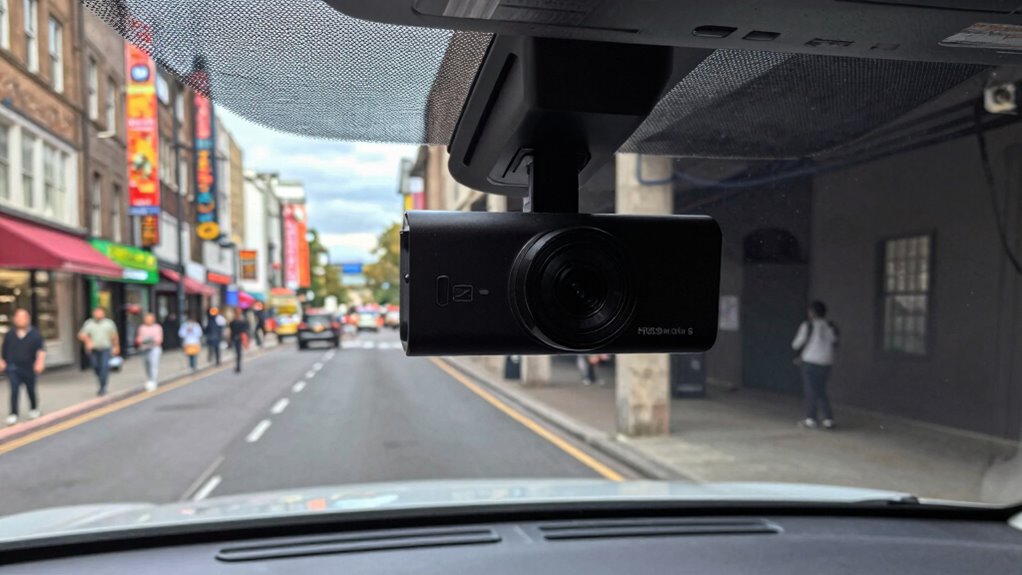

Choosing between visible and hidden dash cams impacts your vehicle’s security and evidence gathering. Visible cameras act as deterrents, discouraging criminals before they strike, and help witnesses identify suspects quickly. Hidden cameras avoid tampering and vandalism but may miss some events and raise privacy concerns. Each type offers different installation needs, features, and connectivity options. To discover how to balance these factors and make the best choice, explore further details below.

Get business pricing on garage and car supplies
- Business-only prices and quantity discounts
- Tax-exempt purchasing
- Multiple users, one account, clear invoices
Key Takeaways
- Visible dash cams act as deterrents, discouraging opportunistic crimes through their noticeable presence and warning stickers.
- Hidden dash cams reduce tampering and theft risks but may miss external witnesses and be vulnerable to vandalism.
- Visible cameras promote quick incident identification and witness cooperation, enhancing overall security.
- Hidden cameras provide discreet surveillance, protecting against removal or sabotage, but may raise privacy concerns.
- The choice depends on balancing deterrence, vandalism risk, data integrity, and privacy considerations based on environment and security goals.
visible dash cam with warning stickers
As an affiliate, we earn on qualifying purchases.
As an affiliate, we earn on qualifying purchases.
The Security Impact of Visible Dash Cams
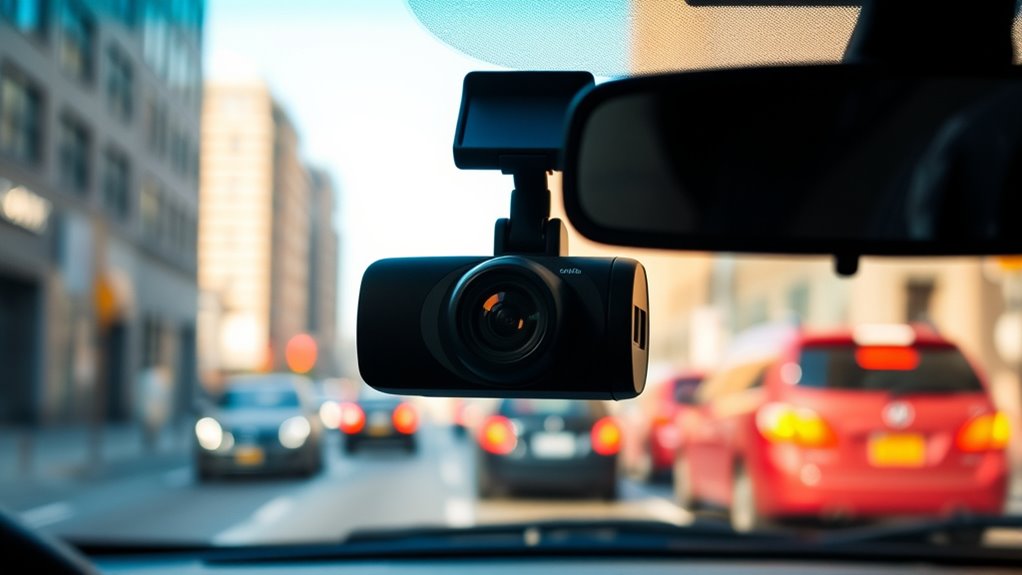
Visible dash cams play a crucial role in enhancing vehicle security by acting as a clear deterrent to opportunistic crimes. When you have conspicuous cameras, potential thieves see that your vehicle’s surroundings are being recorded, making smash-and-grab or theft attempts less likely. Studies show that visible cameras, especially when combined with warning stickers, markedly reduce opportunistic attacks. They also curb roadside aggression and harassment, as drivers know they’re being watched. Fleet operators report fewer incidents after installing and publicizing in-vehicle cameras, highlighting how visibility changes behavior. The presence of obvious cameras also encourages bystanders and other drivers to recognize recording, increasing witness presence and scene preservation. Overall, visible dash cams create a safer environment by discouraging criminal activity before it starts. Research indicates that visible cameras can also help in identifying suspects more quickly when an incident occurs. Additionally, the power of visible deterrence is amplified when drivers and pedestrians are aware that they are being monitored, further enhancing safety. This deterrent effect is most effective when combined with other security measures, such as signage and community awareness programs. Moreover, the psychological impact of seeing a visible camera can influence behavior beyond just crime prevention, fostering a culture of accountability and vigilance. Furthermore, the perceived surveillance can lead to more responsible behavior from both drivers and pedestrians. Incorporating visible security features like cameras into vehicle design can also contribute to a comprehensive safety strategy.
As an affiliate, we earn on qualifying purchases.
Advantages and Disadvantages of Hidden Dash Cams
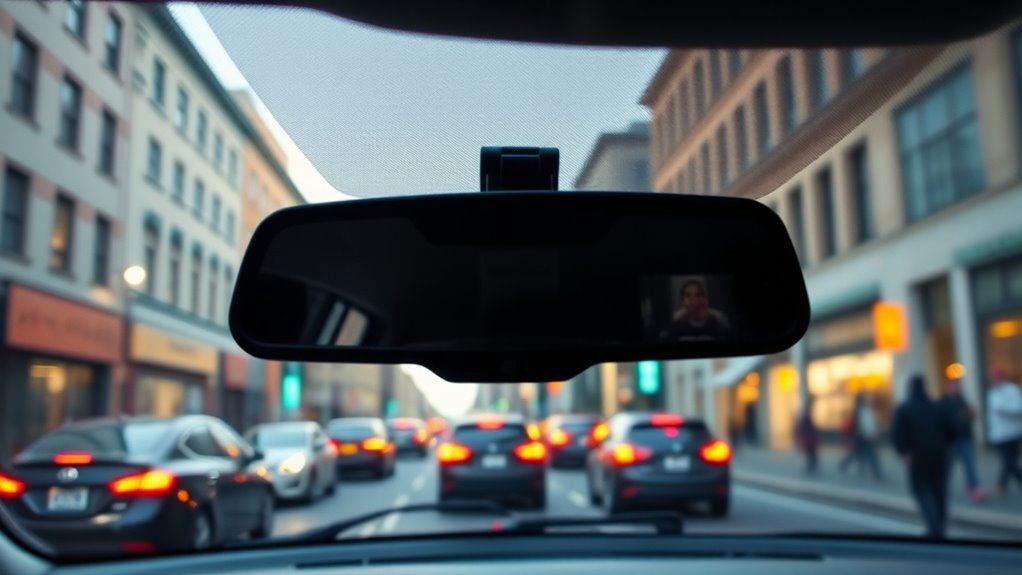
Hidden dash cams offer discreet surveillance that can deter theft and vandalism without attracting unwanted attention. Their small size and seamless integration into vehicle components keep them unnoticed by passersby or passengers. This discretion reduces the risk of vandalism and maintains your car’s aesthetics. However, installation often requires professional setup, increasing costs, and complicating DIY efforts. Additionally, hidden cameras may have limited chip capacity, risking unstable operation or blind spots outside their view. Here’s a quick comparison:
| Advantage | Disadvantage | Impact |
|---|---|---|
| Discreet, deters theft | Higher installation costs | Cost and effort for setup |
| Maintains vehicle look | Possible blind zones | May miss some events |
| Reduces distraction | Privacy concerns | Risk of interior intrusion |
| Less vandalism risk | Potential footage issues | Reliability depends on quality |
vehicle dash cam security system
As an affiliate, we earn on qualifying purchases.
As an affiliate, we earn on qualifying purchases.
How Performance and Resolution Differ Between Types
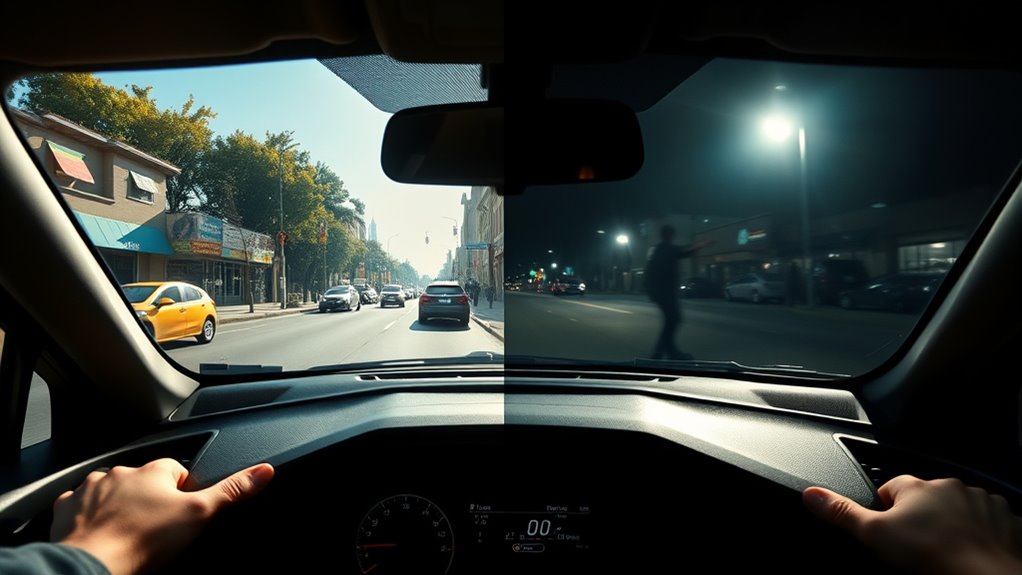
Your choice between visible and hidden dash cams impacts video quality, field of view, and night vision. Higher resolutions like 4K offer sharper images and better detail, especially in low light, but demand more processing power and storage. 1080P Dash Cams are a budget-friendly option that can still provide reliable footage for everyday use, making them suitable for many drivers. Understanding these differences helps you select the right balance for your security needs. Additionally, considering video processing advancements and industry trends can guide you toward the most effective technology for your specific requirements, especially as improvements in navigation and mapping and smart integration continue to evolve. Staying informed about technological innovations can also enhance your dash cam’s performance and longevity.
Video Quality Variations
Video quality in dash cams varies substantially based on sensor size, resolution, and processing technology. Larger sensors in high-end hidden dash cams typically offer better low-light performance and dynamic range, even at similar resolutions. Conversely, high pixel density in 4K visible dash cams provides more detail but can reduce per-pixel light gathering, leading to increased noise at night without advanced sensor tech. Budget visible units often prioritize high megapixels over sensor size, resulting in sharp daytime footage but grainier low-light images. Sensor technologies like Sony STARVIS improve night clarity across both types. Higher resolutions demand more storage and processing power, possibly causing dropped frames or artifacts. In low-light conditions, premium sensors and HDR can match or outperform visible models, but compression and sensor limitations influence overall video quality. Additionally, the choice of compression algorithms also plays a crucial role in maintaining video clarity across various resolutions and lighting conditions.
Field of View Differences
The field of view (FOV) in dash cams considerably influences how well the camera captures and preserves detail, especially at various distances. Narrower FOVs, around 120°, focus on a small frontal area, improving subject framing and reducing distortion, which helps with license plate or face recognition at longer ranges. Moderate FOVs, between 140–150°, strike a balance by capturing multiple lanes while maintaining detail. Wide-angle lenses, from 170° to 210°, maximize situational awareness but increase perspective distortion and make distant objects appear smaller. Understanding the differences in FOV can help users select the most suitable camera for their specific security needs. Additionally, 360° systems provide near-complete coverage but reduce per-direction detail and introduce warping. Your choice depends on whether capturing fine details or broader surroundings is your priority, as wider FOVs tend to sacrifice clarity for contextual awareness.
Night Vision Capabilities
Night vision capabilities in dash cams vary considerably based on the technology used, affecting how well they perform in low-light conditions. Infrared illumination uses invisible IR LEDs to light scenes in complete darkness, providing black-and-white footage and adjustable settings for ideal visibility, like on Nexar models. High-sensitivity sensors, such as Sony STARVIS, excel at capturing faint visible light, improving low-light image quality but struggling in total darkness. Higher resolution cameras, like 4K models, capture more detail, making license plates clearer at night. Features like HDR and WDR balance exposure in challenging lighting, while algorithms enhance contrast and brightness. Models like Viofo A229 Pro, 70mai A810, and Garmin Tandem demonstrate how different tech combinations enhance night vision for sharp, reliable recordings. Additionally, sensor sensitivity plays a crucial role in determining how effectively a dash cam can record in low-light conditions, influencing overall night vision performance. Moreover, low-light performance depends heavily on the combination of sensor quality and image processing capabilities, which can significantly improve or hinder visibility in dark environments. For example, image processing algorithms further refine the footage, making details more discernible even in challenging lighting situations.
professional installation dash cam
As an affiliate, we earn on qualifying purchases.
As an affiliate, we earn on qualifying purchases.
Installation Considerations for Each Style

Installation considerations for visible and hidden dash cams differ markedly, primarily due to their placement and wiring methods. Visible cameras are typically mounted behind or near the rearview mirror for an unobstructed view, using adhesive pads or suction cups, and positioned to avoid blocking safety features. Ensure the windshield surface is clean before mounting. Wiring for visible cams usually involves plugging into the cigarette lighter and routing cables along the windshield edge with clips or tape for simplicity. Hidden cams, on the other hand, require discreet placement—often near or below the rearview mirror—and involve routing cables through headliner, side panels, or rubber seals. Hardwiring for hidden cameras offers a cleaner look and automatic power, but may require professional installation to make sure cables are concealed and do not interfere with vehicle operation. Proper cable management is essential for both types to prevent wear or accidental disconnection during driving, and using professional installation techniques can help ensure optimal safety and performance. Additionally, selecting the appropriate cam placement can enhance overall security and footage quality. Employing sound advice from experts can further improve the reliability of your dash cam setup, especially when considering the varied installation methods suitable for each camera style. Being aware of vehicle wiring systems can also help avoid interference with other electronic components.
Features and Connectivity Options to Watch For
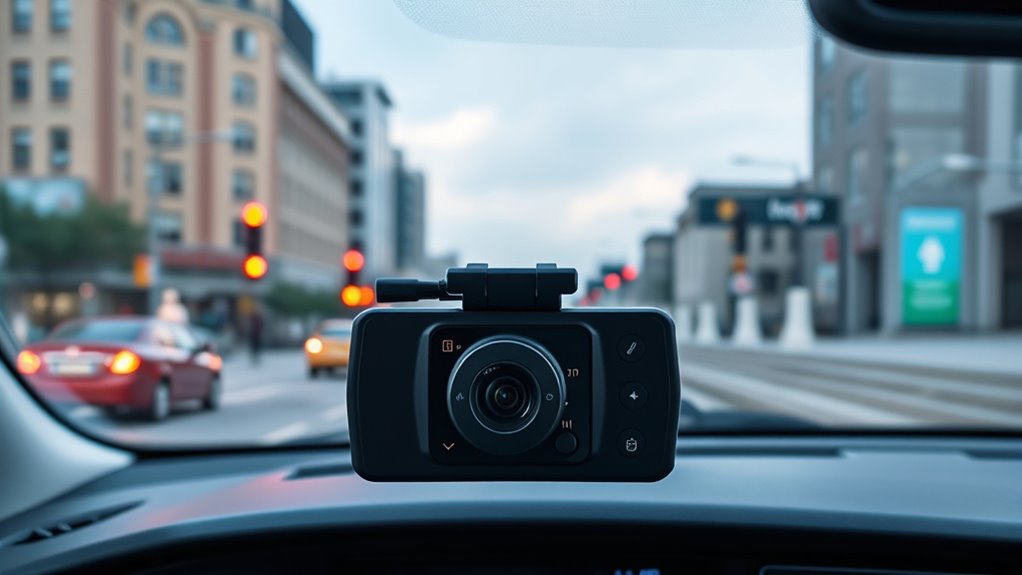
When choosing a dash cam, ensuring its connectivity features are thoroughly assessed is essential, as these directly impact usability and security. WiFi options, especially 5GHz Wi-Fi and Wi-Fi 6, enable faster video transfers and real-time streaming, making remote management easier. These features support cloud uploads, so you can access footage remotely without removing memory cards. However, WiFi consumes more power during use. Bluetooth offers low power consumption and simple pairing, handling basic controls like starting or stopping recordings. It also automates time and date syncing for accurate timestamps. Additionally, GPS integration provides route playback and evidence-grade tracking, critical for fleet monitoring or evidence collection. Some models combine these features with AI-driven safety alerts, enhancing overall security and convenience. Wireless connectivity not only improves operational efficiency but also enhances data security through encrypted connections. Incorporating compatibility with mobile devices further streamlines remote access and management, ensuring quick and secure data handling. Moreover, understanding the power consumption implications of various connectivity options can help optimize battery life for longer usage periods. Considering battery capacity can also be crucial for ensuring the dash cam operates effectively during extended journeys. Staying informed about emerging connectivity technologies can also future-proof your dash cam investments, providing access to the latest advancements in data transfer and security. Additionally, considering the security protocols used in these technologies can prevent unauthorized access and protect your footage from potential cyber threats.
Balancing Visibility and Stealth in Your Choice

Balancing visibility and stealth in your dash cam choice requires careful consideration of your security priorities and legal obligations. If deterring theft or vandalism is your goal, a visible camera with illuminated indicators can act as a psychological deterrent and aid quick identification by witnesses or authorities. However, this visibility also increases the risk of tampering or theft, especially if left unsecured. Conversely, stealth installations protect the device from removal or vandalism, capturing unbiased footage without alerting those involved. But concealed cameras may hinder external witnesses from recognizing the recording device, delaying evidence collection. To strike the right balance, assess your environment, legal requirements, and whether deterrence or discreet recording best serves your security needs. Prioritize clear signage and proper configuration to ensure compliance and effective protection.
Frequently Asked Questions
How Do Dash Cams Affect Vehicle Insurance Claims?
Dash cams can greatly improve your insurance claims process. They speed up claim resolution by providing clear evidence, making it easier for adjusters to determine fault quickly. Your chances of winning a claim increase by up to 50%, and they help prevent fraud by exposing staged accidents. Some insurers even offer discounts for using dash cams, saving you money and providing peace of mind in case of disputes.
Can Hidden Dash Cams Be Easily Stolen Despite Their Discreet Design?
Hidden dash cams can still be stolen despite their discreet design. Thieves often target easily removable units with quick-detach mounts, adhesive tapes, or accessible power leads. If your camera isn’t hardwired or secured with tamper-resistant hardware, it remains vulnerable. In high-crime areas or poorly lit parking lots, opportunistic thieves can quickly snatch hidden cameras, especially if they’re simple to remove or lack anti-theft features.
What Is the Typical Lifespan of a Dash Cam’s Battery and Components?
Your dash cam’s battery typically lasts 2–5 years before noticeable degradation, especially if exposed to heat or cold. Internal lithium-ion batteries wear out faster over time, while supercapacitors last much longer but still have limits. Other components like sensors and memory usually endure 3–7 years, but microSD cards may need replacing every 1–3 years. High-quality units with better thermal management extend overall lifespan, but eventually, everything wears down.
Are There Legal Restrictions on Visible Dash Cam Recordings?
Yes, there are legal restrictions on visible dash cam recordings. You need to make certain your camera is mounted properly to avoid obstructing your view, following local vehicle and windshield regulations. Some areas restrict live display or certain placements, and recording inside private spaces can violate privacy laws. Always check state laws on audio recording and privacy expectations, and display signage if required, to stay compliant and avoid legal issues with your dash cam footage.
How Do Weather Conditions Impact the Performance of Visible Versus Hidden Dash Cams?
Weather conditions affect both visible and hidden dash cams considerably. Rain, snow, and fog scatter light, reducing contrast and making footage less clear, especially if your camera lacks HDR or WDR. Wet roads and water droplets cause glare and smeared highlights, impeding license plate recognition. Cold weather can freeze components, while heat may cause overheating or mount failure. Choosing weather-resistant models with good sensor performance ensures reliable recordings in all conditions.
Conclusion
Choosing between visible and hidden dash cams is like picking your secret weapon—each offers unique perks. Visible cams act as a tough deterrent, while hidden ones sneak in for covert recordings. Think about your security needs and installation ease, then strike the perfect balance. Remember, the right dash cam can be your ultimate shield on the road, turning a simple drive into an unstoppable fortress. Make your choice wisely and watch your peace of mind skyrocket!
Fall Picks
fall essentials
As an affiliate, we earn on qualifying purchases.