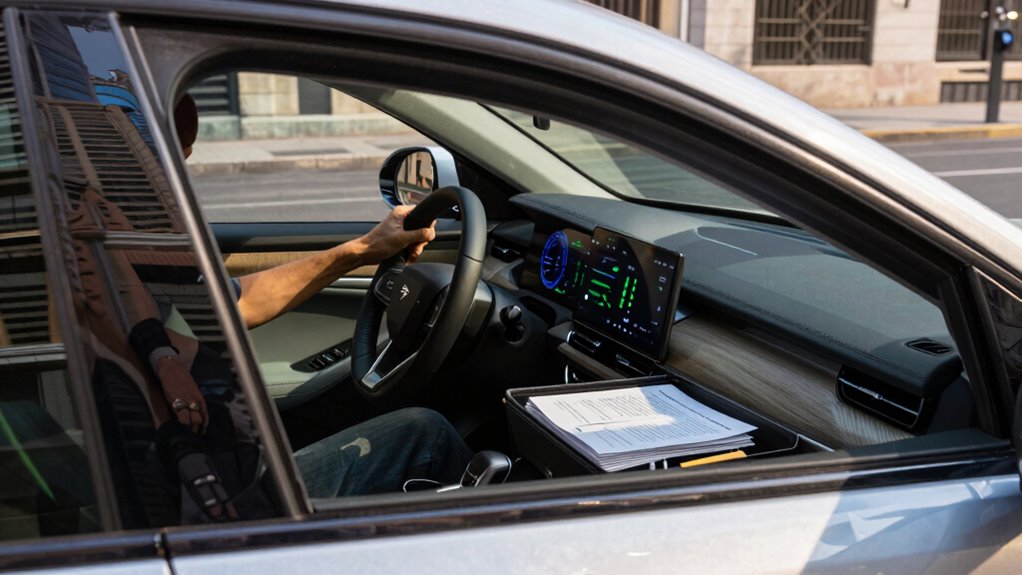

To build the five evidence habits early, you should routinely scan mirrors, check blind spots, and stay aware of pedestrians and cyclists. Maintain focus by resisting distractions like phone use or eating while driving. Embrace eco-friendly habits by making responsible choices that protect ecosystems and support conservation efforts. Align your driving with regional environmental goals to contribute to broader conservation initiatives. Keep practicing these habits, and you’ll discover how they can substantially enhance safety and environmental impact.

Get business pricing on garage and car supplies
- Business-only prices and quantity discounts
- Tax-exempt purchasing
- Multiple users, one account, clear invoices
Key Takeaways
- Routinely scan mirrors and check blind spots to gather real-time environmental evidence.
- Stay attentive and resist distractions, ensuring accurate perception of driving conditions.
- Recognize early signs of hazards and adapt driving behavior accordingly.
- Incorporate eco-friendly driving practices based on understanding environmental impacts.
- Align driving habits with regional conservation efforts to support broader ecological goals.

Building awareness of your surroundings is another indispensable behavior. You should routinely scan your mirrors, check blind spots, and be aware of pedestrians and cyclists. This constant awareness helps you recognize potential hazards early and respond appropriately. It’s a habit that makes every trip safer and smoother, especially in unpredictable traffic conditions. Staying attentive also means avoiding distractions like your phone or eating while driving. Developing discipline around these behaviors is essential for maintaining focus on the road. Additionally, understanding the importance of biodiversity and conservation can inspire more responsible driving choices that protect our environment. Practicing eco-friendly driving habits can further support environmental preservation and promote a healthier planet. Recognizing the role of sustainable transportation practices can also lead to more environmentally conscious decisions behind the wheel. Incorporating awareness of regional environmental efforts can motivate drivers to adopt habits that contribute positively to local ecosystems. Recognizing how eco-conscious driving aligns with broader conservation goals can strengthen your commitment to sustainable habits.
Products Worth Considering

Chemical Guys 14-Piece Arsenal Builder Car Wash Kit with Foam Blaster

Makita DT03R1 12V Max CXT Cordless Impact Driver Kit

Chemical Guys 10-Piece Car Wash Kit with Foam Gun
As an affiliate, we earn on qualifying purchases.
Frequently Asked Questions
How Long Does It Take to Develop These Evidence Habits?
It typically takes about 21 to 66 days to develop these evidence habits through consistent habit formation. You’ll want to focus on maintaining skill consistency daily, as repetition reinforces the habits. The more committed you are to practicing these habits regularly, the faster they become second nature. Remember, patience and persistence are key; developing strong evidence habits is a gradual process that rewards your ongoing effort.
Can These Habits Improve Driving Safety Immediately?
You can experience improvements in driving safety immediately as these habits boost your driving confidence and risk awareness. While building these habits takes time, practicing them consistently sharpens your judgment and reduces mistakes. The moment you start applying evidence-based thinking, you become more alert and cautious, turning every drive into a safer journey. Don’t wait—your enhanced safety starts right now with each mindful decision you make behind the wheel.
Are These Habits Applicable to All Types of Vehicles?
Yes, these habits apply to all vehicle types because they focus on fundamental driving techniques and safety awareness. Whether you’re driving a car, motorcycle, or truck, building these habits helps you stay alert, anticipate hazards, and respond effectively. Adapting your driving techniques to different vehicle types guarantees you’re consistently practicing safe driving, making your skills versatile across various situations and vehicle categories.
What Are Common Mistakes When Building These Evidence Habits?
Imagine steering your car smoothly down a winding road, yet stumbling over common mistakes. You might let driving distractions interrupt your focus, or neglect habit consistency, causing your evidence-building to falter. These slip-ups weaken your skills, making it harder to stay sharp and confident. To succeed, stay alert, minimize distractions, and practice these habits daily. Consistency transforms small efforts into long-term safety and mastery behind the wheel.
How Do Weather Conditions Affect These Evidence Habits?
Weather variability can challenge your ability to build strong evidence habits by making conditions unpredictable and hazardous. You need to adapt quickly, paying close attention to changing weather patterns to avoid risky situations. Hazard adaptation becomes essential—adjust your driving, observation, and decision-making strategies to suit the current conditions. By staying flexible and alert, you guarantee your evidence habits stay effective, even when weather variability tests your skills.
Conclusion
By building these five evidence habits early, you set yourself up for smarter, safer driving. Trust in your observations and stay alert—these habits are your best tools on the road. Remember, practice makes perfect, and the more you rely on solid evidence, the less you’ll be caught off guard. Keep these skills in mind, and you’ll steer clear of trouble. After all, it’s better to be safe than sorry, especially behind the wheel.