
The biggest rookie mistake that creates cabin rattles is rushing the wiring process and neglecting proper routing techniques. When you hurriedly install wires or ignore potential contact points, wires can vibrate against panels or other components, causing noise. Careless routing, like loose wires or improper placement, increases this risk. To avoid persistent rattles, take your time to plan routes carefully and secure everything properly. Keep going to discover how proper routing can keep your cabin quiet and rattle-free.
Listen free for 30 days with Audible
Thousands of audiobooks and originals — cancel anytime.
As an affiliate, we earn on qualifying purchases.
Key Takeaways
- Rushing wiring installation without identifying contact points can cause wires to vibrate against panels.
- Neglecting proper securing methods allows loose wires to rattle and create noise.
- Failing to use damping materials around routed wires increases vibration transmission.
- Routing wires carelessly near metal panels or moving parts amplifies rattling sounds.
- Ignoring the importance of soundproofing techniques leads to increased cabin noise from vibrations.
When setting out on your first long road trip, a rookie routing mistake can turn a peaceful drive into a series of annoying rattles inside your cabin. One common oversight is neglecting proper soundproofing techniques during installation. When cables, wires, or components aren’t routed carefully, they can vibrate against panels or other parts of the vehicle, creating persistent noises. To avoid this, you need to pay close attention to how you route these elements. Secure loose wires with clips or ties, and ensure they don’t rub against surfaces that can amplify vibrations. Also, consider using foam or rubber grommets around routing points to dampen any contact that might cause rattling. Proper routing can significantly reduce transmission of noise and prevent future headaches on the road.
Secure wires with clips and foam grommets to prevent rattles and ensure a quiet, smooth drive.
Another crucial factor often overlooked is material selection. When choosing materials for routing, you want options that absorb vibrations rather than transmit them. For example, instead of running wires directly against metal panels, you should insulate them with soundproofing materials like foam sleeves or rubber conduit. These materials act as buffers, absorbing vibrations and preventing them from turning into noise. Additionally, when mounting components, opt for mounting pads or dampening mats that are designed specifically to reduce noise transfer. Using the right materials not only protects your wiring but also minimizes the risk of rattles developing over time.
The mistake many beginners make is rushing through the routing process without considering how each component interacts with the vehicle’s interior. It’s tempting to focus solely on functionality or aesthetic placement, but ignoring soundproofing techniques and material selection can lead to unwanted noise. Take your time, and plan your routing path carefully. Map out where wires will run and identify potential contact points. When possible, choose materials that dampen vibrations and prevent metal-to-metal contact. Being mindful of soundproofing techniques during installation can make a significant difference in reducing cabin noise. By doing so, you’re not just ensuring your system works; you’re also creating a quieter, more comfortable cabin.
Ultimately, the key to avoiding cabin rattles lies in meticulous routing and thoughtful material choices. These steps might seem small, but they make a huge difference in your driving experience. When you prioritize soundproofing techniques and select the right materials, you’ll enjoy a smooth, quiet ride instead of being annoyed by constant rattles. So, before you start wiring, take a moment to plan your routing carefully and pick materials that absorb vibrations. It’ll save you time, frustration, and ensure your first long trip is as enjoyable as it should be.

180pcs Nylon Universal Cable Tie Buckle with Car Wire Loom Routing Clips
- Essential for Car Wiring Restoration: Ideal for car wiring repairs and replacements
- Three Sizes for Versatile Use: Includes 3 sizes for various wiring needs
- Reusable and Adjustable Clips: Re-openable clips for easy repositioning
As an affiliate, we earn on qualifying purchases.
As an affiliate, we earn on qualifying purchases.
Frequently Asked Questions
How Can I Prevent Cabin Rattles During Long Flights?
To prevent cabin rattles during long flights, focus on proper cabin insulation and noise dampening techniques. You can add soundproofing materials or use noise-canceling headphones to reduce vibrations and noise. Regularly check for loose panels or unsecured components that might cause rattling. Keeping the cabin well-insulated helps minimize sound transfer, and using noise dampening products creates a quieter environment, ensuring a comfortable flight experience.
Are There Specific Tools Needed to Fix Routing Mistakes?
Think of fixing routing mistakes as tuning a delicate instrument—you’ll need the right tools to restore harmony. For a routing correction, you’ll typically require a small screwdriver, tweezers, and possibly a magnifying glass to see tiny misalignments. The tool requirements are straightforward, but precision is key. Having these handy helps you gently realign the components, silencing those pesky rattles and bringing your cabin back to smooth, peaceful operation.
What Signs Indicate Routing Errors Causing Rattles?
You can identify routing errors causing rattles through careful routing diagnostics, listening for unusual noises during flight. Signs include persistent, high-pitched squeaks or vibrations that don’t change with engine speed. Check cabin acoustics for irregularities, like sudden echoes or rattling sounds when certain panels or wires vibrate. If these signs appear, it’s a clear indication that routing mistakes might be disrupting the cabin environment, requiring prompt inspection and correction.
Can Routing Mistakes Affect Aircraft Safety?
Routing mistakes can indeed impact aircraft safety. When routing errors occur, they may compromise aircraft design integrity or interfere with critical systems. Such mistakes can lead to vibrations, rattles, or even system failures if not caught early. Following strict maintenance protocols helps identify and correct routing issues before they pose safety risks. As a technician, you must pay close attention to routing details to guarantee the aircraft remains safe and reliable during flight.
How Often Should Routing Inspections Be Performed?
Think of airline maintenance like tending a garden; regular inspections help prevent weeds from taking over. You should perform routing inspections consistently, ideally according to airline maintenance schedules and routing procedures, often every few months or as specified by manufacturer guidelines. This keeps aircraft in top shape, catching issues early before they grow into bigger problems. Regular checks guarantee safety, comfort, and smooth operation, just like a well-maintained garden flourishes.

Yejesiy 210PCS Rubber Grommet kit, Premium 7 Sizes Rubber Grommets for Wiring, Automotive, Home Improvement, Closed Wire Grommet for Wire Electrical Appliance Plumbing
- High-Quality Material: Water-resistant, dust-proof, and flame retardant rubber
- Complete Set: 210 pieces in 7 sizes for versatile use
- Wide Compatibility: Suitable for wiring, automotive, and home projects
As an affiliate, we earn on qualifying purchases.
As an affiliate, we earn on qualifying purchases.
Conclusion
By avoiding this rookie routing mistake, you protect your vehicle’s cabin from relentless rattles that can drive you crazy. When you pay close attention to proper routing, you’re fundamentally safeguarding your ride’s serenity and value—transforming a potential nightmare into a smooth, whisper-quiet sanctuary. Remember, a simple oversight can turn your once-pristine cabin into a symphony of unwanted noise, but with careful routing, you’re the master of tranquility, commanding silence like a true automotive maestro.
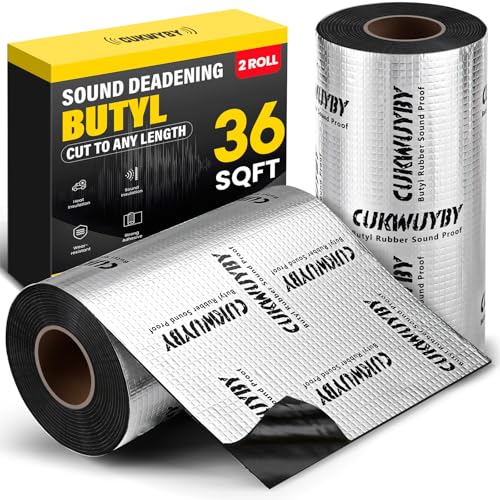
CUKWUYBY Butyl Sound Deadening 36 sqft Noise & Heat Insulation
- Large-Area Coverage: Effortless application over large panels
- Effective Soundproofing: Blocks engine, road, and external noise
- Vibration & Heat Damping: Reduces vibrations and insulates heat
As an affiliate, we earn on qualifying purchases.
As an affiliate, we earn on qualifying purchases.

NVX Stealth Black SDBSK2 90 mil Thick 1.38 sqft. Car Sound Damping Mat, Butyl Automotive Sound Deadener, Audio Noise Vibration Insulation, and Dampening (Two 10" x 10" Pieces) – Speaker Kit
- Color: Solid Black for Stealth Installations
- Thickness: 2.3mm (91mil) for Enhanced Performance
- Function: Reduces Vibrations and Rattles
As an affiliate, we earn on qualifying purchases.
As an affiliate, we earn on qualifying purchases.
Back to school Picks
back to school
As an affiliate, we earn on qualifying purchases.