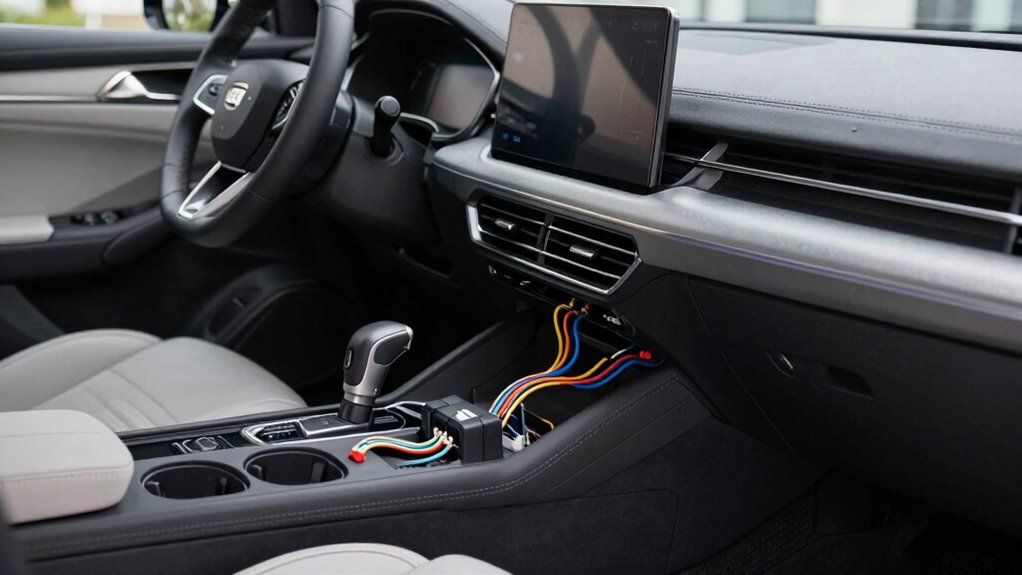

To determine if your car is a good candidate for hardwiring, start by checking if your electrical system can handle extra loads without overloading or draining the battery. Assess wiring accessibility and locate a suitable power source, like the fuse box or dedicated lines, ensuring installation is straightforward. Evaluate your vehicle’s capacity and safety features to prevent issues like blown fuses. If you keep these points in mind, you’ll be better prepared to decide if hardwiring is an option—continue to explore for more detailed guidance.

Get business pricing on garage and car supplies
- Business-only prices and quantity discounts
- Tax-exempt purchasing
- Multiple users, one account, clear invoices
Key Takeaways
- Verify the vehicle’s electrical system capacity to handle additional load without risking damage or draining the battery.
- Check if the fuse box is accessible and suitable for integrating new wiring safely.
- Assess current electrical accessory load to prevent overloading when adding new devices.
- Confirm the vehicle’s wiring complexity and determine if you have the skills for a proper installation.
- Ensure the installation location is accessible, safe, and free from interference with existing electronics.
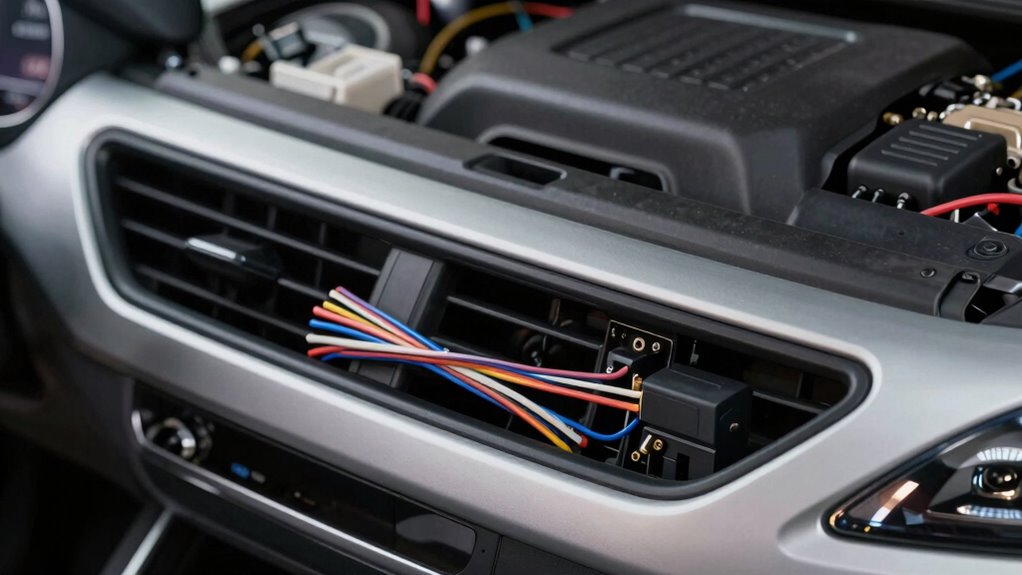
Deciding whether your car is suitable for hardwiring a device can seem intimidating, but understanding a few key factors makes the process easier. One of the most important considerations is battery compatibility. You need to confirm your vehicle’s electrical system can handle the additional load without risking damage or draining the battery excessively. Check your car’s manual or consult with a professional to verify the maximum current your electrical system can support. If your device requires more power than your system can provide safely, hardwiring could cause issues like blown fuses or reduced battery life. Compatibility isn’t just about voltage; it also involves understanding whether your vehicle’s power supply can sustain continuous operation of the device without compromising essential systems like your alternator or starter. Additionally, understanding your vehicle’s electrical capacity can help you assess whether your current setup can support extra accessories without overloading. Recognizing your vehicle’s electrical system design can further aid in determining the complexity of the wiring involved and whether additional modifications are necessary. A comprehensive electrical assessment can be beneficial to ensure all components work harmoniously, especially since some vehicles feature integrated electrical modules that may complicate wiring tasks. Knowing the electrical wiring standards in your vehicle can also help you ensure that your installation complies with safety regulations and reduces the risk of electrical faults.
Assess your vehicle’s electrical capacity to ensure safe, reliable device hardwiring without risking damage or battery drain.
Another critical factor is wiring complexity. Some cars have straightforward wiring setups, making it easier to tap into existing circuits, while others feature more intricate layouts that complicate the process. If your vehicle has a simple, accessible fuse box or dedicated power lines, you’ll find it easier to wire your device securely and neatly. On the other hand, cars with complex wiring harnesses or limited access to electrical components might require more advanced skills, specialized tools, or even professional help. Evaluating your comfort level with automotive wiring is essential—if you’re unfamiliar with electrical systems, attempting to hardwire a device into a complicated wiring network could lead to mistakes, shorts, or damage.
Additionally, consider the location where you plan to install the device. If the area provides easy access to power sources and a clean installation point, your wiring process will be smoother. Conversely, tight spaces or areas with sensitive electronics can increase the risk of interference or accidental disconnection. Think about how you’ll route the wires and whether you need to remove panels or parts to reach the power source safely.
Finally, evaluate your vehicle’s existing electrical load. If your car already uses many high-current accessories, adding another device might push your system beyond safe limits. In such cases, you might need to upgrade your wiring or install a dedicated power supply to prevent overloading. By carefully considering battery compatibility, wiring complexity, installation location, and existing electrical demands, you can determine whether your car is a good candidate for hardwiring. Taking these factors into account helps guarantee a safe, reliable, and efficient setup that meets your needs without risking damage to your vehicle’s electrical system.
As an affiliate, we earn on qualifying purchases.
Frequently Asked Questions
Can Any Car Model Be Hardwired Successfully?
Most vehicles are compatible with hardwiring, but you should check vehicle compatibility first. Some models may have complex electrical systems or limited space, making installation trickier. If you explore aftermarket options, you’ll find many solutions designed for a wide range of cars. Ultimately, consulting a professional or researching your specific vehicle model helps guarantee successful hardwiring, avoiding potential damage or installation issues.
What Tools Are Necessary for Hardwiring a Car?
You’ll need basic tools like wire strippers, crimping pliers, a screwdriver, and electrical tape for hardwiring your car. Notably, around 60% of drivers prefer wireless alternatives to avoid these complexities, but DIY troubleshooting skills can make hardwiring more manageable. Having a multimeter and knowledge of wiring diagrams helps ensure connections are secure, making your installation safer and more reliable.
Is Professional Installation Required for Hardwiring?
You don’t necessarily need professional installation for hardwiring, but it’s advisable if you’re unsure about DIY considerations or electrical safety. If you have experience with car electronics and feel confident, you can attempt it yourself, guaranteeing proper connections and safety precautions. However, for beginners or those concerned about electrical safety, hiring a professional guarantees correct installation, reduces risks, and ensures your device functions properly without damaging your vehicle’s electrical system.
How Long Does the Hardwiring Process Typically Take?
The hardwiring process usually takes about one to two hours, depending on your car and the device. If you’re exploring wireless alternatives, they can often be set up faster, sometimes in under an hour. Consider battery compatibility too; if your device has a rechargeable battery, hardwiring might not be necessary. Overall, professional installation can streamline the process and guarantee everything works smoothly, saving you time and hassle.
Are There Any Warranty Concerns With Hardwiring?
Warranty concerns with hardwiring depend on your vehicle and the installation. You might worry about warranty implications, manufacturer restrictions, or voided coverage if the work isn’t done properly. To avoid issues, check your car’s warranty terms and consult with your manufacturer or authorized installer. Ensuring professional, compliant installation helps protect your warranty, so you keep your car’s reliability and your peace of mind intact while enjoying the benefits of hardwiring.
vehicle electrical system tester
As an affiliate, we earn on qualifying purchases.
As an affiliate, we earn on qualifying purchases.
Conclusion
If you’re unsure whether your car can handle hardwiring, think of it like fitting a new engine part—you need to know if it’ll integrate smoothly without causing trouble. I once helped a friend hardwire a dash cam into her vintage car, and it was like fitting a custom puzzle piece—precise and careful. When you assess your vehicle’s age, model, and electrical system, you’re paving the way for a seamless upgrade that keeps your drives smooth and safe.
As an affiliate, we earn on qualifying purchases.
As an affiliate, we earn on qualifying purchases.
Fall Picks
fall essentials
As an affiliate, we earn on qualifying purchases.