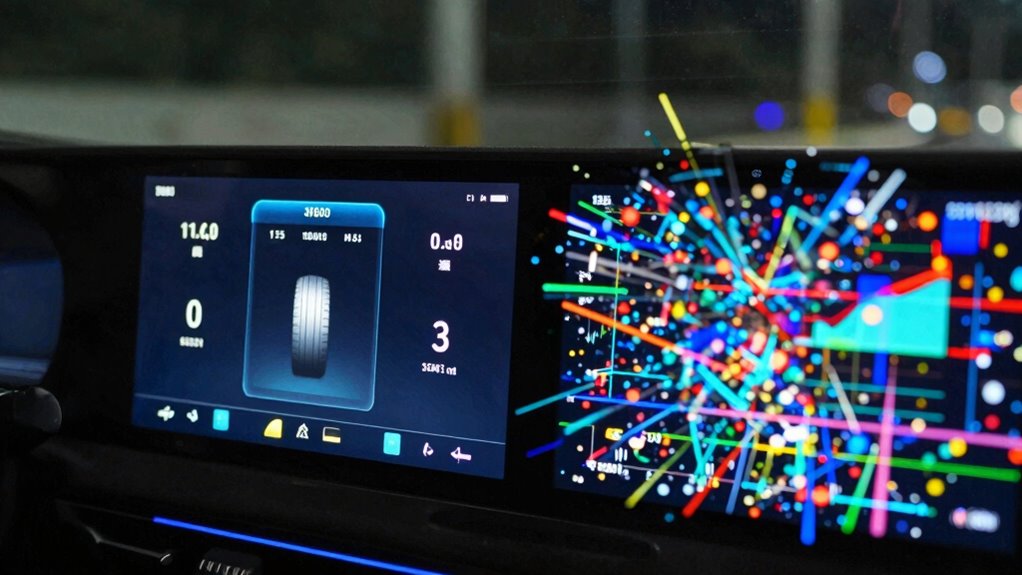
Useful vehicle data provides accurate, reliable information about your vehicle’s health and performance, helping you make informed decisions. Noise, on the other hand, consists of irrelevant or random signals that can cause false alarms or misdiagnoses. Sensors with proper calibration and filtering distinguish between real issues and mere fluctuations, ensuring you focus on genuine problems. To improve your understanding of how to tell the difference, keep exploring these critical insights.
Listen free for 30 days with Audible
Thousands of audiobooks and originals — cancel anytime.
As an affiliate, we earn on qualifying purchases.
Key Takeaways
- Useful vehicle data accurately reflects real conditions, while noise consists of irrelevant or random fluctuations.
- Filtering processes remove noise to ensure only meaningful signals are analyzed for decision-making.
- Sensor calibration maintains data accuracy, helping distinguish genuine issues from false signals caused by noise.
- Over-sensitivity can generate false positives, confusing noise with useful data, requiring balanced filtering.
- Reliable data supports proactive maintenance, safety, and efficient vehicle management by minimizing the impact of noise.
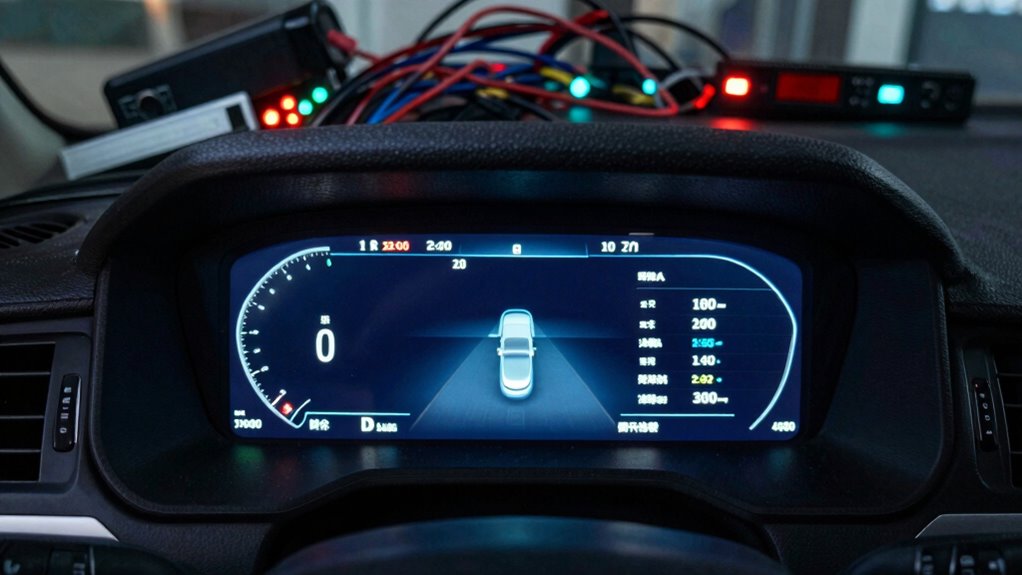
In today’s digital age, vehicles generate an overwhelming amount of data, but not all of it is equally valuable. You’re likely aware that modern vehicles are equipped with countless sensors constantly collecting information, from engine temperature to tire pressure. However, the challenge isn’t just gathering data; it’s distinguishing the useful from the noisy. That’s where sensor accuracy and data filtering come into play. High sensor accuracy ensures that the data you receive is reliable, minimizing errors that could lead to false alerts or missed maintenance needs. When sensors are precise, you can trust the information they provide, making it easier to identify genuine issues versus random fluctuations or inaccuracies.
Accurate sensors and effective filtering are essential for reliable vehicle data and better maintenance decisions.
But even with accurate sensors, not all data is worth acting on. This is where data filtering becomes essential. Effective filtering sifts through the massive streams of raw data, removing irrelevant or redundant information. Think of it as a filter that only lets through signals that truly matter. For example, a sudden spike in engine temperature might be useful, but minor fluctuations within normal ranges could be noise—clutter that, if not filtered out, might cause unnecessary concern or false diagnostics. Data filtering helps you focus on the signals that indicate real problems, enabling quicker, more accurate decision-making.
The real trick lies in balancing sensor accuracy with smart filtering techniques. Overly sensitive sensors might produce a lot of false positives, while too much filtering could suppress critical signals. You need sensors that are accurate enough to detect genuine issues, but also paired with advanced data filtering algorithms that can separate noise from meaningful data. When both elements work together efficiently, you gain a clearer picture of your vehicle’s health and performance. Sensor calibration is crucial in maintaining this balance, ensuring sensors remain reliable over time.
Understanding the difference between useful data and noise is vital for maintenance, safety, and optimizing vehicle operations. You don’t want to waste time reacting to false alarms caused by inaccurate sensors or unfiltered data clutter. Instead, focus on systems that prioritize sensor accuracy and employ intelligent data filtering. These tools help you zero in on actionable insights, saving you time, reducing costs, and enhancing safety. In addition, leveraging data management techniques ensures that your vehicle’s data ecosystem remains streamlined and effective. By honing in on the right data, you ensure your vehicle’s performance remains optimal, and potential issues are addressed before they escalate. Ultimately, the key is to recognize that sensor accuracy and well-filtered data are the foundation of effective vehicle management in today’s data-driven automotive landscape.
vehicle sensor calibration tools
As an affiliate, we earn on qualifying purchases.
As an affiliate, we earn on qualifying purchases.
Frequently Asked Questions
How Can I Identify Which Vehicle Data Is Most Relevant?
To identify which vehicle data is most relevant, focus on data that directly impacts safety, performance, or maintenance. Make certain your sensors are properly calibrated for accurate readings. Look for data that consistently correlates with vehicle behavior. Avoid noise by filtering out irrelevant information, and prioritize encrypted data for security. Regularly review and analyze your data to determine which metrics truly influence your vehicle’s operation and safety outcomes.
What Tools Are Best for Analyzing Vehicle Data?
You should use tools like advanced telematics platforms that offer real-time data analysis, sensor calibration, and data encryption features. These tools help guarantee your data is accurate and secure, making it easier to spot useful insights. Look for software that supports customizable dashboards and automated alerts. Proper sensor calibration guarantees data reliability, while data encryption keeps sensitive vehicle information protected from cyber threats.
How Often Should Vehicle Data Be Reviewed for Accuracy?
Like a trusty steed needing regular tune-ups, you should review vehicle data weekly to guarantee accuracy. Check for sensor calibration issues and maintain data privacy by verifying that sensitive information is secure. Regular reviews help you spot anomalies early, preventing noise from skewing insights. Staying proactive keeps your data sharp, reliable, and ready to support informed decisions, much like a well-maintained vintage car ready to hit the road.
Can Noise in Data Indicate a Vehicle Malfunction?
Yes, noise in data can indicate a vehicle malfunction, especially if sensor interference causes inconsistent readings. You should watch for abnormal fluctuations that deviate from expected patterns, as they often point to underlying issues. Data redundancy can help confirm these anomalies, ensuring they aren’t false alarms. Regularly checking for noise and interference helps you identify potential malfunctions early, preventing costly repairs and ensuring vehicle safety and performance.
What Are Common Sources of Data Noise in Vehicles?
Common sources of data noise in vehicles include sensor calibration issues, which cause inaccurate readings, and electromagnetic interference from other electronic components. Data encryption processes can sometimes introduce latency or distort signals, adding to noise. You should regularly check and calibrate sensors and guarantee proper shielding of electronic systems to minimize noise, helping you obtain cleaner, more reliable vehicle data for better diagnostics and performance.
As an affiliate, we earn on qualifying purchases.
Conclusion
Understanding the difference between useful vehicle data and noise empowers you to make smarter decisions on the road. Did you know that over 60% of drivers miss critical engine alerts because they’re overwhelmed by unnecessary information? By focusing on the data that truly matters, you can improve safety, save money, and extend your vehicle’s lifespan. Don’t let noise drown out the signals that keep you moving smoothly—stay alert and informed.
car diagnostic scanner with noise reduction
As an affiliate, we earn on qualifying purchases.
As an affiliate, we earn on qualifying purchases.
vehicle health monitoring system
As an affiliate, we earn on qualifying purchases.
As an affiliate, we earn on qualifying purchases.
Fall Picks
fall essentials
As an affiliate, we earn on qualifying purchases.