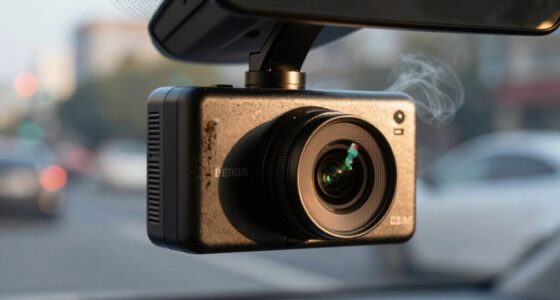
Understanding front and rear coverage is crucial for your safety on the road. It helps you stay aware of your surroundings, especially during lane changes and reversing. Don’t rely solely on mirrors—check your blind spots too. Your vehicle’s safety features, like backup cameras and blind-spot monitoring, enhance your driving but shouldn’t replace good habits. Maintaining a safe distance is essential, especially in bad weather. Discover how you can further improve your driving safety and awareness.

Get business pricing on garage and car supplies
- Business-only prices and quantity discounts
- Tax-exempt purchasing
- Multiple users, one account, clear invoices
Key Takeaways
- Front and rear coverage is vital for overall safety, helping drivers make informed decisions to avoid collisions.
- Blind spots can obscure vehicles; physically checking over your shoulder enhances awareness beyond mirror visibility.
- Familiarity with safety features, like rearview cameras and blind-spot monitoring, boosts confidence and driving capability.
- Maintaining a safe following distance allows for quicker reactions to sudden stops, essential for defensive driving.
- Weather conditions significantly impact visibility; slowing down and using safety features can improve driving in adverse situations.
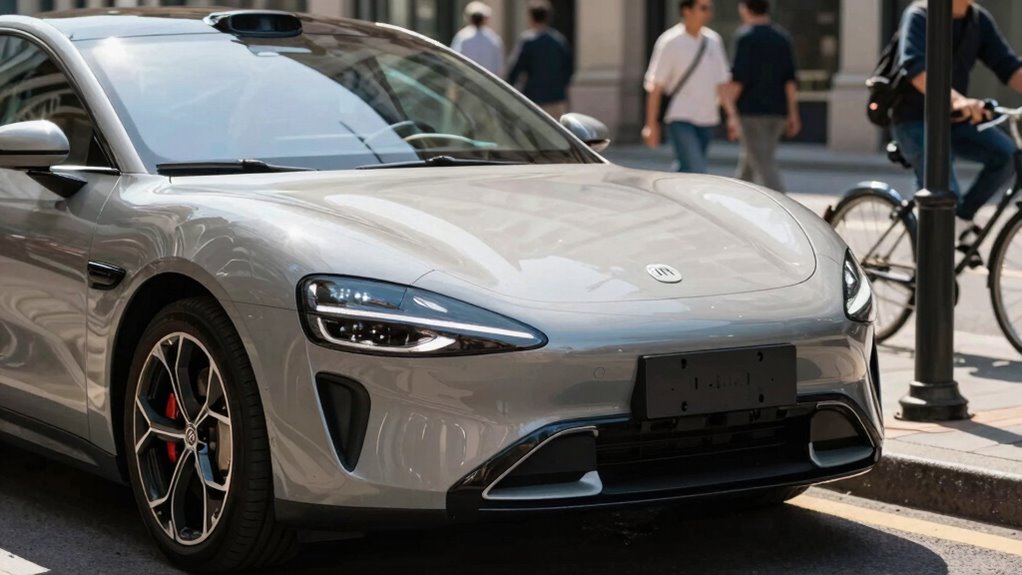
When you’re behind the wheel, guaranteeing front and rear coverage is essential for your safety. You might think of it as just another part of driving, but it’s critical for effective collision protection. Without proper awareness of your surroundings, you risk accidents that could’ve been avoided. Every time you change lanes or reverse, you need to be fully aware of what’s in front of and behind you. This isn’t just about staying safe; it’s about making informed decisions on the road.
You may not realize it, but your blind spots can hide vehicles that are right next to you. When you check your mirrors, you’re only getting part of the picture. Those areas just out of your line of sight can be dangerous, especially when merging or changing lanes. It’s essential to physically look over your shoulder to verify you’re clear. This simple action can prevent a collision that could lead to costly repairs and injuries. Proper blind-spot awareness is key to comprehensive coverage. Additionally, understanding your vehicle’s safety features can help you better utilize its capabilities in various driving situations. Knowing how these features work and their limitations can make a significant difference in emergency scenarios.
Additionally, consider your vehicle’s technology. Many modern cars come equipped with features like rearview cameras, sensors, and blind-spot monitoring systems. While these tools provide an extra layer of security, they shouldn’t replace good driving habits. Always double-check your blind spots and stay vigilant, even if your car alerts you. Trusting technology too much can lead to complacency, which is never a good idea when you’re driving. Incorporating advanced driver-assistance systems into your driving routine can significantly enhance your safety, but they should complement, not replace, attentive driving.
When it comes to front coverage, keep your distance from the vehicle ahead. Tailgating not only reduces your reaction time but also limits your visibility. If the car in front of you suddenly stops, you need room to react. Maintaining a safe distance gives you the time you need to brake or swerve if necessary. It’s all about being proactive rather than reactive. Remember, safe following distance is a fundamental aspect of defensive driving.
Also, consider how weather conditions can affect your visibility. Rain, fog, or snow can limit your ability to see other vehicles and potential hazards. In such conditions, it’s even more important to be mindful of your front and rear coverage. Slowing down can give you extra time to assess your surroundings. Being aware of vehicle safety features can help you better utilize your car’s capabilities in challenging weather. Remember, your awareness and use of safety features are vital components of safe driving practices.
As an affiliate, we earn on qualifying purchases.
Frequently Asked Questions
How Does Coverage Differ for New vs. Used Cars?
Coverage for new cars often includes more extensive benefits, like warranty protection and advanced safety features, which can lower your premiums. You’ll enjoy new car advantages, such as replacement cost coverage if your vehicle’s totaled. With used cars, however, you’ll need to evaluate factors like depreciation and potential repair costs. While premiums might be lower, you may miss out on those added protections, so weigh your options carefully before deciding.
Are There Discounts for Adding Front and Rear Coverage?
Adding front and rear coverage can be like finding extra change in your pocket—it often leads to insurance savings. Many insurers offer discounts when you bundle this coverage with your existing policy. These coverage benefits not only enhance your protection but can also lower your premiums. So, check with your provider; you might be surprised by how much you can save while boosting your vehicle’s safety!
What Is the Claims Process for Front and Rear Coverage?
To start the claims process for front and rear coverage, you’ll need to gather your claims documentation. First, report the accident to your insurance company, providing details like the date, time, and location. Make sure to include photos and witness information, if available. Your insurer will guide you through the next steps, helping you with any repairs or payments related to the damage. Always keep a record of your communications for reference.
Can I Customize My Coverage Options Easily?
Yes, you can customize your coverage options easily. Many insurance providers offer customization flexibility, allowing you to adjust your policy based on your needs. You can choose different levels of coverage for front and rear protection or add extras like roadside assistance. It’s all about finding what suits you best. Just reach out to your insurer, and they’ll guide you through the process of tailoring your coverage.
How Do I Know if I Need Both Front and Rear Coverage?
You know you need both front and rear coverage if you want thorough protection. Front coverage benefits you by safeguarding against accidents and damage to the front of your vehicle, which is often more vulnerable. Rear coverage importance comes into play when backing up or during minor collisions. Assess your driving habits and the areas you frequent; if you often navigate tight spaces, both coverages can save you money and headaches down the road.
As an affiliate, we earn on qualifying purchases.
Conclusion
When it comes to front and rear coverage, understanding your vehicle’s blind spots is vital. You might think rear coverage is enough, but without a solid front view, you’re risking accidents. Visualize your driving environment as a 360-degree bubble; both views are necessary. By prioritizing thorough coverage, you enhance safety for yourself and others on the road. So, don’t underestimate the importance of seeing clearly from all angles—it’s key to becoming a more confident and secure driver.
As an affiliate, we earn on qualifying purchases.
As an affiliate, we earn on qualifying purchases.
Fall Picks
fall essentials
As an affiliate, we earn on qualifying purchases.