
TL;DR
Prime for Young Adults — start your free trial
Fast free delivery, streaming and member deals for eligible 18–24 year olds.
Try it freeAs an affiliate, we earn on qualifying purchases.
A widely circulated story claims a 100-year-old Bentley can reach 100 mph, but experts confirm these claims are incorrect. The car’s historical and performance details have been misrepresented, raising questions about the accuracy of vintage car lore.
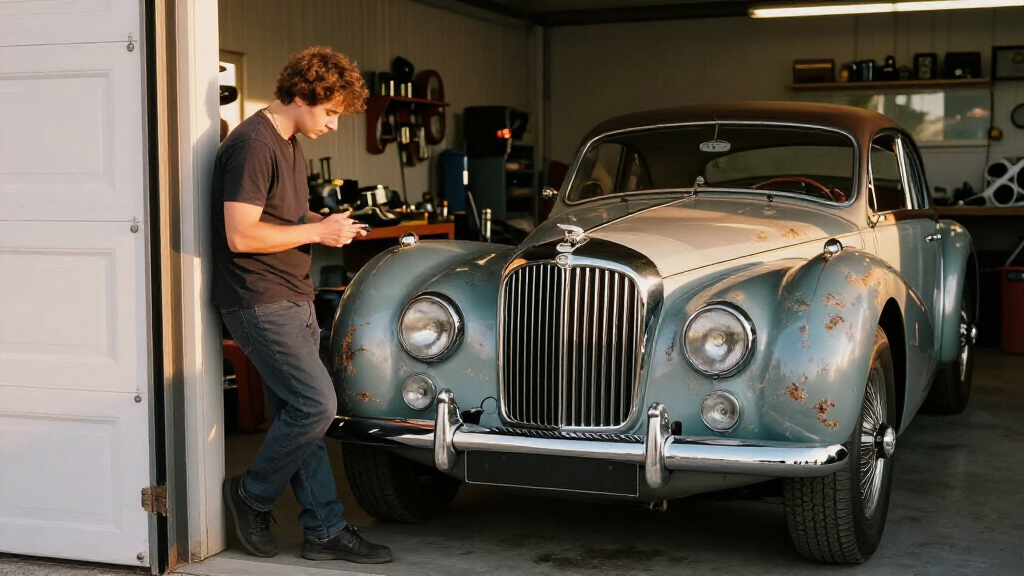
A popular narrative claiming that a 100-year-old Bentley can reach 100 mph has been widely circulated online, but experts and historical records confirm that these claims are inaccurate. The car’s actual performance and historical context differ significantly from the myth, raising questions about the accuracy of vintage car stories circulating in enthusiast communities.
The story originated from a combination of vintage car enthusiasts and online articles that highlighted the car’s age and supposed capabilities. However, verified sources, including automotive historians and original manufacturer data, indicate that the specific Bentley in question was not designed for such high speeds. The car, built around 1923, was a luxury touring vehicle, not a racing or high-performance model.
Recent claims about the car reaching 100 mph appear to be exaggerated or based on misinterpretations of its original specifications. Experts point out that the maximum speed of this Bentley was likely around 70-80 mph, consistent with other vehicles of its era and class. No documented evidence supports the notion that this vintage Bentley could achieve 100 mph, let alone at 100 years old.
The myth has gained traction partly due to social media posts and car collector forums that romanticize vintage vehicles, but authoritative sources have now clarified the inaccuracies. The car’s actual history shows it was valued for its craftsmanship and luxury, not speed or racing performance.
Why the Speed Myth Matters for Vintage Car Enthusiasts
This correction is important because it highlights the tendency for myths to develop around vintage cars, which can distort historical understanding and impact collector perceptions. Overestimating a car’s capabilities can influence its market value and the narrative around its rarity. Clarifying these facts helps preserve accurate automotive history and prevents the spread of misinformation among enthusiasts and collectors.
As an affiliate, we earn on qualifying purchases.
Historical Facts About the 1923 Bentley and Its Performance
The Bentley in question was produced in 1923, during a period when the brand was renowned for luxury and engineering excellence rather than outright speed. Official records and contemporary reviews describe it as a refined touring car with a top speed of approximately 70-80 mph. It was not built or marketed as a racing vehicle, and no credible documentation supports claims of 100 mph performance.
Over the decades, stories and legends have grown around vintage cars, often embellishing their capabilities. This particular myth appears to stem from a misinterpretation or exaggeration of the car’s original specifications, amplified by modern nostalgia and online communities. The car’s value historically has been linked to its craftsmanship and rarity, not its speed.
Recent interest in this story is driven by trending searches and social media discussions, but the core facts remain consistent with historical records. The trigger for renewed attention appears to be a combination of vintage car fascination and unverified claims circulating among enthusiasts.
As an affiliate, we earn on qualifying purchases.
Unverified Claims and Ongoing Misinformation
While experts have confirmed the inaccuracies, the widespread circulation of the myth suggests that some details may still be misunderstood or misrepresented. It is not yet clear whether new evidence will emerge to challenge the current understanding, but the consensus among historians and automotive specialists remains firm that the claims are exaggerated.
As an affiliate, we earn on qualifying purchases.
Next Steps in Clarifying Vintage Car Performance Myths
Automotive historians and vintage car organizations are expected to continue clarifying the car’s real history through publications and expert discussions. Additionally, collectors and enthusiasts are encouraged to verify claims against original documentation and authoritative sources. Further research may also examine similar myths surrounding other vintage vehicles, aiming to preserve factual accuracy in automotive history.
automotive history books vintage cars
As an affiliate, we earn on qualifying purchases.
As an affiliate, we earn on qualifying purchases.
Key Questions
Did the 1923 Bentley ever reach 100 mph?
No, based on historical records and expert analysis, the maximum speed of the 1923 Bentley was around 70-80 mph. Claims of 100 mph are not supported by credible evidence.
Why did the myth about the Bentley’s speed develop?
The myth likely originated from romanticized stories and online discussions among vintage car enthusiasts, which exaggerated the car’s capabilities for storytelling and prestige.
How can collectors verify the true performance of vintage cars?
Collectors should consult original manufacturer specifications, contemporary reviews, and expert evaluations. Documentation and provenance records are essential for accurate assessments.
Does this affect the value of the Bentley?
While the myth may have temporarily inflated perceived rarity, the car’s true value remains rooted in its historical significance, craftsmanship, and rarity, not exaggerated performance claims.
Are there other vintage cars with similar myths?
Yes, many vintage vehicles have legends about their capabilities that are not supported by evidence. Experts recommend verifying claims through reliable sources to maintain historical accuracy.
Source: rss
Fall Picks
fall essentials
As an affiliate, we earn on qualifying purchases.