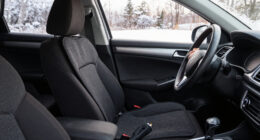
The best driver assistance systems add useful warnings without replacing attentive driving. My best overall pick is the Brandmotion RDBS-1600 for its radar-based blind-spot and cross-traffic alerts; the Advent ADVBSD30 is another strong choice for drivers who want overtaking alerts, while the Type S T400 Plus suits buyers who also want a front-and-rear dash cam. The main tradeoff is between focused radar systems, camera-and-display packages, and multifunction dash cams: each offers a different mix of coverage, installation work, and driver information. Vehicle compatibility and sensor placement matter as much as feature lists. Read on for the full breakdown and guidance on choosing the right setup.

Get business pricing on garage and car supplies
- Business-only prices and quantity discounts
- Tax-exempt purchasing
- Multiple users, one account, clear invoices
Complete the kit


Key Takeaways
- Dedicated radar kits lead this roundup for blind-spot coverage: Brandmotion RDBS-1600 and Advent ADVBSD30 pair blind-spot alerts with cross-traffic functions, while many camera and dash-cam options serve broader or different needs.
- Feature overlap does not mean equal coverage: Dash cams with ADAS can provide video and driver alerts, but they are not automatically substitutes for vehicle-integrated radar systems.
- Installation and fit are major ranking factors: A vehicle-specific Jeep module may be a better match than a universal kit for the right Wrangler, but it has a much narrower audience.
- Camera-based and radar-based systems solve different problems: BeZheest prioritizes a visible camera feed with night vision, while the LFRXION and 77 GHz options focus on radar-style detection and alerts.
- Some listings are tools or broad category labels, not complete driver kits: The ADAS calibration kit is aimed at calibration work, and “Advanced Driver Assistance Systems (ADAS)” is too broad to assess as a single installable product without more specifications.
| BeZheest Car Blind Spot Camera and Display System with Night Vision |  | Best for Visual Blind-Spot Coverage | Brand: BeZheest | Model: A65 | Screen size: 6.25 inches | VIEW LATEST PRICE | See Our Full Breakdown |
| LFRXION Blind Detection Intelligent BSD Blind Spots Detection, 79GHz Radar Rear Crossing Traffic Alert Tool |  | Best for Long-Range Radar Alerts | Brand: LFRXION | Operating frequency: 79 GHz | Probe count: 2 | VIEW LATEST PRICE | See Our Full Breakdown |
| CFTGIW Car Blind Spot Monitoring System with BSD Distance Assistant and Lane Change Warning |  | Best for Multi-Situation Alerts | Brand: CFTGIW | Model number: CFTGIW5cu2g9n8pq | Item weight: 1.46 lb | VIEW LATEST PRICE | See Our Full Breakdown |
| ADAS Multi-Target Radar Calibration Kit |  | Best for Workshop Radar Calibration | Brand: Bceer PDR | Model: Adas-mtr-kit-001 | Main bracket material: Aluminum alloy | VIEW LATEST PRICE | See Our Full Breakdown |
| Blind Spot Detection Module 68382569AD for Jeep Wrangler (2018–2023) |  | Best for Compatible Jeep Wrangler Owners | Part number: 68382569AD | Compatible vehicle: Jeep Wrangler | Model years: 2018–2023 | VIEW LATEST PRICE | See Our Full Breakdown |
| Type S T400 Plus 4K Front and Rear Dash Cam with ADAS |  | Best Dash Cam for Broad On-Road Alerts | Front camera resolution: 4K (2160p) | Rear camera resolution: 1080p | Field of view: 230 degrees | VIEW LATEST PRICE | See Our Full Breakdown |
| Brandmotion RDBS-1600 Radar Blind Spot System with Cross-Traffic Detection | 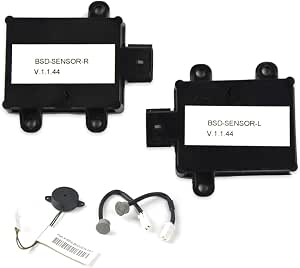 | Best for Straightforward Radar Blind-Spot Coverage | Model: RDBS-1600 | Compatible vehicles: 2007-and-newer vehicles with plastic fascias and a CAN-BUS speed signal; excludes metal pickup truck bumpers | Radar range: Approximately 40 ft | VIEW LATEST PRICE | See Our Full Breakdown |
| Vantrue S1 Pro DMS 2.7K Dash Cam Front and Inside with STARVIS 2 AI | 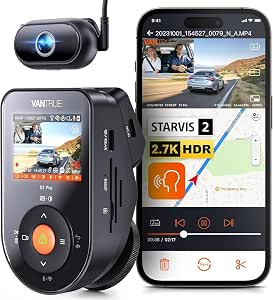 | Best for Driver-Monitoring and Cabin Recording | Front camera resolution: 2.7K at 30 fps | Inside camera resolution: 1080p at 30 fps | Front lens angle: 155 degrees | VIEW LATEST PRICE | See Our Full Breakdown |
| Advent ADVBSD30 Radar Blind Spot Detection System with Cross-Traffic and Overtaking Alerts |  | Best Feature-Rich Radar Retrofit | Model: ADVBSD30 | Power: Corded electric, 12 volts | Alerts: Blind spot, rear cross traffic, and overtaking | VIEW LATEST PRICE | See Our Full Breakdown |
| 77 GHz Blind Spot System for 12 V Vehicles with Lane Change Assist |  | Best for Extended Lane-Change Detection | Model: BLD2608 | Radar frequency: 77 GHz millimeter-wave radar | Blind-spot detection range: Up to 4.4 m (14.5 ft) each side | VIEW LATEST PRICE | See Our Full Breakdown |
| WOLFBOX G850 PRO 4K Mirror Dash Cam with ADAS, BSD, 64GB Card, and 5.8GHz Wi-Fi | 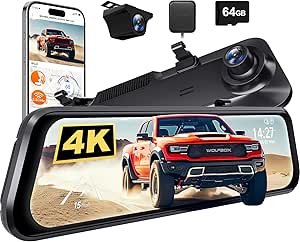 | Best for Mirror-Style Recording and Alerts | Brand: WOLFBOX | Model: G850 Pro | Screen size: 12 inches | VIEW LATEST PRICE | See Our Full Breakdown |
| Advanced Driver Assistance Systems (ADAS) |  | Not Enough Product Data to Rank | Product name: Advanced Driver Assistance Systems (ADAS) | Description: Not provided | Brand: Not provided | VIEW LATEST PRICE | See Our Full Breakdown |
| driver assistance system | Brand | Model |
|---|---|---|
| BeZheest Car Blind Spot Camera | BeZheest | A65 |
| LFRXION Blind Detection Intell | LFRXION | — |
| CFTGIW Car Blind Spot Monitori | CFTGIW | — |
| ADAS Multi-Target Radar Calibr | Bceer PDR | Adas-mtr-kit-001 |
| Blind Spot Detection Module 68 | Generic | — |
| Type S T400 Plus 4K Front and | — | — |
| Brandmotion RDBS-1600 Radar Bl | — | RDBS-1600 |
| Vantrue S1 Pro DMS 2.7K Dash C | — | — |
| Advent ADVBSD30 Radar Blind Sp | — | ADVBSD30 |
| 77 GHz Blind Spot System for 1 | — | BLD2608 |
| WOLFBOX G850 PRO 4K Mirror Das | WOLFBOX | G850 Pro |
| Advanced Driver Assistance Sys | Not provided | Not provided |
More Details on Our Top Picks
BeZheest Car Blind Spot Camera and Display System with Night Vision
The BeZheest takes a camera-first approach: its 6.25-inch IPS touchscreen can show left and right rear views at once, giving drivers a direct visual check rather than relying only on warning lights. The 120-degree cameras, night vision, and adjustable image position suit larger vehicles where mirrors leave hard-to-see areas. Compared with the LFRXION radar system, this setup offers a live picture, but it requires mounting cameras on the vehicle and routing power to the display. Its IP68-rated cameras are described as sealed against water and other exposure, while automatic brightness adjustment helps the screen adapt to changing light. The tradeoff is a more involved installation and a visible display in the cabin; buyers seeking a discreet alert-only system may prefer radar.
Pros:- Shows both left and right rear camera views simultaneously, with a single-view option.
- 120-degree field of view and night vision provide visual coverage around blind spots.
- Adjustable image position and automatic display brightness support easier viewing.
- IP68-rated camera construction is designed to resist water, shock, and corrosion.
Cons:- Surface-mounted cameras and double-sided tape make installation more involved than a simple plug-in accessory.
- The display needs power from a cigarette lighter socket or fuse-box power tap.
- A dedicated screen takes up cabin space and may not suit drivers who prefer discreet alerts.
Best for: Drivers of vans, SUVs, or other vehicles with substantial rear blind spots who want a live camera view on a dedicated screen.
Not ideal for: Drivers who want a discreet, alert-only system or do not want to surface-mount cameras and power a display.
- Brand:BeZheest
- Model:A65
- Screen size:6.25 inches
- Display technology:IPS touchscreen
- Camera field of view:120 degrees
- Camera construction:IP68-rated
- Power:5 volts; cigarette lighter socket or fuse-box power tap
- Installation:Surface-mounted cameras; magnetic display mount
- Warranty:1 year
Our verdict“Choose the BeZheest if a live view of both rear blind spots matters more to you than a discreet, simpler radar warning system.”
LFRXION Blind Detection Intelligent BSD Blind Spots Detection, 79GHz Radar Rear Crossing Traffic Alert Tool
The LFRXION is the radar-focused pick in this group, using 79 GHz millimeter-wave sensors to monitor blind spots and rear crossing traffic. Its listed blind-spot detection distance reaches up to 50 meters, while the general detection range is listed separately as 15 meters—buyers should not treat those figures as interchangeable. Two probes and high-brightness LED warnings make it a better fit for drivers who want alerts without adding a camera screen, unlike the BeZheest system. The product description also cites operation in rain or fog and a wide temperature range. The tradeoff is that the listing provides limited detail about alert behavior and vehicle-specific installation, and radar cannot show the driver a visual scene. It makes most sense for someone seeking a sensor-based warning setup, not a live-view system.
Pros:- 79 GHz radar is specified for blind-spot and crossing-traffic detection.
- Two sensors provide coverage from both sides of the vehicle.
- High-brightness LED warning lights offer alerts without a separate video screen.
- Listed operating temperature range is -30°C to +80°C.
Cons:- The listing gives a 15-meter general detection range as well as a 0–50-meter blind-spot distance, so coverage varies by function.
- No camera image is available to help the driver judge the situation visually.
- Vehicle-specific installation and alert details are not fully described.
Best for: Drivers seeking radar-based blind-spot and rear-crossing alerts without adding a dedicated camera display.
Not ideal for: Buyers who want a live visual view, detailed installation guidance, or clearly specified detection behavior for each alert function.
- Brand:LFRXION
- Operating frequency:79 GHz
- Probe count:2
- Power supply:12 V
- Power consumption:2 W
- Blind-spot detection distance:0–50 m
- General detection range:15 m
- Operating temperature:-30°C to +80°C
Our verdict“Pick the LFRXION if you prefer radar alerts and broad stated blind-spot range over the BeZheest’s live camera views.”
CFTGIW Car Blind Spot Monitoring System with BSD Distance Assistant and Lane Change Warning
The CFTGIW stands out for covering more than one maneuver: its listed alerts address blind spots, lane changes, and reversing. That combination may suit drivers who want one system to assist during both road changes and backing up, while the LFRXION is described around blind-spot and crossing-traffic detection. CFTGIW also claims broad compatibility with sedans, SUVs, and trucks, plus components for DIY installation. However, the available product information does not specify radar frequency, detection distance, or power details, making it harder to compare its sensing performance with the LFRXION’s stated 79 GHz radar. Installation is described as manageable but may require basic tools and time. I would favor this option for the breadth of its stated alert situations, not for buyers who need detailed technical specifications before choosing.
Pros:- Provides alerts for blind spots, lane changes, and reversing situations.
- Described as compatible with sedans, SUVs, and trucks.
- Includes components for DIY installation.
- Construction is described as suited to daily use and varied weather.
Cons:- Installation may take time and require basic tools.
- The provided specifications do not state detection distance or sensor frequency.
- The listing gives limited detail about the alert interface and installation steps.
Best for: DIY-minded drivers of sedans, SUVs, or trucks who want blind-spot, lane-change, and reversing alerts in one system.
Not ideal for: Buyers who need a specified detection range, radar frequency, or detailed technical data to compare sensing performance.
- Brand:CFTGIW
- Model number:CFTGIW5cu2g9n8pq
- Item weight:1.46 lb
- Package dimensions:8.66 × 7.09 × 3.15 inches
- Alert situations:Blind spots, lane changes, and reversing
- Vehicle compatibility:Sedans, SUVs, and trucks
- Installation:DIY; basic tools may be needed
- Date first available:February 9, 2026
Our verdict“Choose CFTGIW if you value alerts across lane changes and reversing, but favor LFRXION if published radar specifications matter more.”
ADAS Multi-Target Radar Calibration Kit
This is not an in-car warning system; it is a radar calibration kit for work on ADAS systems such as adaptive cruise control after repairs or geometry changes. Its adjustable fixtures, multiple reflectors, laser, and leveling tools are intended to help position calibration targets. Compared with the BeZheest camera system or LFRXION radar alerts, the kit does not monitor traffic while driving; it supports workshop calibration instead. The aluminum-alloy main bracket and included alignment tools give technicians several ways to set up a target, but the kit requires a separate ADAS-capable diagnostic scanner. Vehicle-specific procedures and calibration knowledge are also needed, so the tools alone do not make it a straightforward home safety upgrade. It belongs on this list for repair and calibration work, not for drivers shopping for added alerts.
Pros:- Includes multiple radar reflectors and alignment tools for calibration setups.
- Adjustable brackets and fixtures support target positioning.
- Main bracket is made from aluminum alloy.
- Includes an electronic level and bidirectional spirit level.
Cons:- An ADAS-capable diagnostic scanner must be purchased or supplied separately.
- Vehicle-specific calibration procedures require technical knowledge.
- It does not provide driving alerts or blind-spot monitoring on its own.
Best for: Repair professionals or technically experienced vehicle owners who need radar calibration fixtures and already have an ADAS-capable scanner.
Not ideal for: Drivers looking for a blind-spot warning system to install and use on the road, or buyers without calibration knowledge and a compatible scanner.
- Brand:Bceer PDR
- Model:Adas-mtr-kit-001
- Main bracket material:Aluminum alloy
- Included calibration items:Main bracket, ACC radar corner reflector with laser, three-level adjustable radar reflector
- Other included tools:Electronic level, bidirectional spirit level, radar adjustment wrench
- Unit count:1
- Diagnostic scanner:Required separately; must support ADAS functions
- Intended use:ADAS radar calibration after repairs or adjustments affecting vehicle geometry
Our verdict“Buy this kit for radar calibration work only; drivers wanting in-motion alerts should choose a system such as LFRXION instead.”
Blind Spot Detection Module 68382569AD for Jeep Wrangler (2018–2023)
This module is the most vehicle-specific pick here: it is listed for select Jeep Wrangler models from 2018 through 2023, rather than offered as a general-purpose add-on like the CFTGIW. That focused fit may appeal to an owner replacing or adding a compatible blind-spot module, and the one-year warranty provides a stated coverage period. The product description says it detects blind spots and alerts the driver, but does not explain the warning method, installation steps, or which Wrangler trims and configurations qualify. I would verify the part number and vehicle fit before ordering. Unlike the BeZheest, it does not list a screen or camera view; unlike the LFRXION, it provides no radar frequency or detection distance. Its narrow compatibility is its main strength and its biggest limitation.
Pros:- Designed for select Jeep Wrangler models from 2018 to 2023.
- Intended to detect blind spots and alert the driver.
- Includes a one-year warranty.
- Part number is specified for fitment checks.
Cons:- Compatibility is limited to select Jeep Wrangler model years and configurations.
- Installation instructions and warning method are not specified in the provided information.
- Detection range and sensor technology are not listed.
Best for: Jeep Wrangler owners with a 2018–2023 vehicle who have confirmed that part number 68382569AD matches their configuration.
Not ideal for: Owners of other vehicle makes or Wrangler configurations who cannot verify fitment, or buyers seeking detailed installation and sensor specifications.
- Part number:68382569AD
- Compatible vehicle:Jeep Wrangler
- Model years:2018–2023
- Brand:Generic
- Manufacturer:ANSHENG
- Number of items:1
- Warranty:1 year
Our verdict“Consider this module only after confirming your Wrangler’s fitment; for broader vehicle compatibility and more described alert situations, CFTGIW is the clearer alternative.”
Type S T400 Plus 4K Front and Rear Dash Cam with ADAS
The T400 Plus suits drivers who want recorded evidence and several kinds of driver alerts in one setup. Its 4K front and 1080p rear cameras capture both directions, while alerts cover blind spots, collisions, lane departure, pedestrians, and stop-and-go traffic. A 64 GB card is included, and the G-sensor protects incident clips from loop recording, so it is ready for basic recording without a separate card purchase. Unlike the Brandmotion RDBS-1600, this is a camera-based system rather than a dedicated radar blind-spot kit; it adds video documentation but relies on camera-based alerts. The rear footage is lower resolution than the front, and parking surveillance needs a hardwire connection. Choose it for a multi-purpose dash cam, not for radar-only monitoring.
Pros:- Records the road ahead in 4K and the rear view in 1080p.
- Offers alerts for blind spots, collisions, lane departure, pedestrians, and stop-and-go traffic.
- G-sensor protects incident footage from loop recording.
- Includes a 64 GB microSD card and supports cards up to 512 GB.
Cons:- 24-hour parking recording requires a constant-power hardwire connection.
- Rear camera resolution is lower than the 4K front camera.
- Camera-based alerts and video recording serve a different purpose from the dedicated radar detection in the Brandmotion RDBS-1600.
Best for: Drivers who want front-and-rear trip footage plus a broad set of camera-based alerts and an included memory card.
Not ideal for: Drivers seeking radar-only blind-spot detection or always-on parking coverage without installing a constant-power hardwire connection.
- Front camera resolution:4K (2160p)
- Rear camera resolution:1080p
- Field of view:230 degrees
- Display:3-inch LCD
- Connectivity:2.4 GHz, Bluetooth, USB-C, Wi-Fi
- Included storage:64 GB microSD card
- Maximum supported storage:512 GB
- Vehicle compatibility:12V and 24V vehicles
Our verdict“Pick the T400 Plus if you want broad camera-based alerts with front-and-rear recording, and skip it if radar-based blind-spot monitoring is your priority.”
Brandmotion RDBS-1600 Radar Blind Spot System with Cross-Traffic Detection
The Brandmotion RDBS-1600 focuses on two high-value tasks: monitoring adjacent-lane blind spots and warning about cross traffic while reversing. Audible tones and visual indicators give drivers more than one way to notice an alert, while its roughly 40-foot radar range is aimed at nearby traffic rather than broad, multi-direction coverage. Compared with the Advent ADVBSD30, it keeps the feature set simpler and does not list overtaking alerts; Advent adds that function and has a longer stated warranty, but its speed-activation details conflict. The RDBS-1600 has its own fit limits: it needs a CAN-BUS speed signal, fits compatible vehicles with plastic fascias, and excludes metal pickup bumpers. This is a practical retrofit candidate only after checking vehicle compatibility.
Pros:- Combines blind-spot monitoring with rear cross-traffic detection.
- Uses both audible tones and visual indicators.
- Monitors adjacent-lane traffic without warning for vehicles two lanes over.
- Includes two radar sensors, wiring, a CAN integration module, and mounting hardware.
Cons:- Compatibility excludes metal pickup truck bumpers.
- Requires a CAN-BUS speed signal and vehicle-specific compatibility.
- Does not list overtaking alerts, unlike the Advent ADVBSD30.
Best for: Owners of compatible 2007-and-newer vehicles with plastic fascias who want blind-spot and reversing cross-traffic alerts.
Not ideal for: Drivers with metal-bumper pickup trucks, vehicles without a CAN-BUS speed signal, or buyers wanting overtaking alerts.
- Model:RDBS-1600
- Compatible vehicles:2007-and-newer vehicles with plastic fascias and a CAN-BUS speed signal; excludes metal pickup truck bumpers
- Radar range:Approximately 40 ft
- Activation speed:15 mph
- Frequency band:76 GHz
- Included components:Two radar sensors, wiring, CAN integration module, hardware, and instructions
- Weight:3.2 pounds
- Warranty:1-year limited
Our verdict“Choose the RDBS-1600 for focused blind-spot and reversing alerts if your vehicle meets its fascia and CAN-BUS requirements.”
Vantrue S1 Pro DMS 2.7K Dash Cam Front and Inside with STARVIS 2 AI
The S1 Pro makes the most sense for buyers who want a view of the driver as well as the road. Its inside-facing 1080p camera pairs with 2.7K front recording, and its alerts include fatigue and distraction alongside collision and lane departure. That driver-focused coverage sets it apart from the Type S T400 Plus, which records front and rear views and offers pedestrian and stop-and-go alerts instead. The STARVIS 2 sensor and f/1.8 aperture are aimed at improving low-light footage, while 5 GHz Wi-Fi and built-in GPS add convenient file access and trip data. The tradeoff is a narrower camera arrangement: there is no rear-facing road camera, and parking mode requires a separately purchased hardwire kit. Buyers also need to supply a microSD card.
Pros:- Records the road ahead in 2.7K and the cabin in 1080p.
- Includes fatigue, distraction, collision, and lane-departure alerts.
- STARVIS 2 sensor with f/1.8 aperture is designed for low-light recording.
- Built-in GPS and 5 GHz Wi-Fi support trip data and faster wireless access.
Cons:- Parking mode requires a hardwire kit sold separately.
- MicroSD card is not included.
- Records the cabin rather than the rear road view captured by the Type S T400 Plus.
Best for: Drivers who want cabin footage and fatigue or distraction alerts, including people who regularly carry passengers or drive at night.
Not ideal for: Drivers who need a dedicated rear road camera, an included memory card, or parking mode without a separate hardwire kit.
- Front camera resolution:2.7K at 30 fps
- Inside camera resolution:1080p at 30 fps
- Front lens angle:155 degrees
- Night vision sensor:STARVIS 2 with f/1.8 aperture
- Wi-Fi:5 GHz
- GPS:Built-in speed, location, and mileage tracking
- Storage support:Up to 1 TB microSD; card sold separately
- Parking mode power:Hardwire kit required
- Warranty:18 months
Our verdict“Choose the S1 Pro if driver monitoring and cabin footage matter more than a rear road camera or included storage.”
Advent ADVBSD30 Radar Blind Spot Detection System with Cross-Traffic and Overtaking Alerts
The ADVBSD30 stands out among these radar systems for its three alert types: blind spots, rear cross traffic, and overtaking vehicles. Waterproof sensors mount behind the bumper, and audible warnings plus LED indicators give the driver both sound and visual cues. That broader alert mix makes it more feature-rich than the Brandmotion RDBS-1600, which covers blind spots and cross traffic but does not list overtaking alerts. The Advent also has a 36-month product warranty, longer than Brandmotion’s stated one-year coverage. Its main downside is installation: professional fitting is required, so it is a less suitable retrofit for buyers expecting a straightforward home setup. The supplied information also gives conflicting speed activation details—selectable 15 mph or always on, but elsewhere a standard 20 mph setting—so I would confirm the operating behavior before choosing it.
Pros:- Combines blind-spot, rear cross-traffic, and overtaking alerts.
- Provides audible warnings and LED indicators.
- IP67-rated waterproof sensors are designed to mount behind the bumper.
- Includes a sensor alignment tool and has a stated 36-month product warranty.
Cons:- Professional installation is required.
- Speed activation details conflict between selectable 15 mph or always-on operation and a standard 20 mph setting.
- Its installation demands more planning than the Brandmotion RDBS-1600 system with included brackets and hardware.
Best for: Drivers seeking blind-spot, cross-traffic, and overtaking alerts who are prepared to arrange professional installation.
Not ideal for: DIY installers or buyers who need clearly specified speed-activation behavior before purchasing.
- Model:ADVBSD30
- Power:Corded electric, 12 volts
- Alerts:Blind spot, rear cross traffic, and overtaking
- Alert types:Audible and visual LED
- Blind-spot speed activation:Description lists selectable 15 mph or always-on operation, and a standard 20 mph setting
- Sensor installation:Radar sensors mount behind the bumper
- Sensor protection:IP67-rated waterproof sensors
- Weight:4.7 pounds
- Product warranty:36 months
Our verdict“Pick the ADVBSD30 if you want overtaking alerts alongside blind-spot and cross-traffic coverage and can confirm its activation settings with an installer.”
77 GHz Blind Spot System for 12 V Vehicles with Lane Change Assist
The BlueDex BLD2608 is the pick for drivers who value long-range lane-change assistance over a camera-based record of every trip. Its stated lane-change range reaches 50 m, with separate coverage for blind spots on each side and rear detection; LED indicators and a buzzer provide visual and audible warnings. Compared with the Brandmotion RDBS-1600, which monitors up to approximately 40 feet and includes cross-traffic detection, BlueDex emphasizes a much longer lane-change detection range and lists detection of up to 64 objects. It is designed for 12V systems only, and professional installation is recommended for accurate radar positioning. A defined no-warning zone within 1.5 m of the vehicle’s center also limits coverage at close range, so its advertised reach should not be mistaken for uninterrupted detection around the car.
Pros:- Lists lane-change assistance out to 50 m (164 ft).
- Covers side blind spots up to 4.4 m and rear detection up to 10 m.
- 77 GHz millimeter-wave radar is specified for detecting up to 64 objects.
- Uses both LED indicators and an audible buzzer.
Cons:- Professional installation is recommended for correct radar positioning.
- Does not warn for objects within 1.5 m of the vehicle’s center zone.
- Limited to 12V vehicle systems, unlike the Type S T400 Plus, which supports 12V and 24V vehicles.
Best for: 12V vehicle owners who want radar alerts spanning side blind spots, rear detection, and extended-range lane changes.
Not ideal for: Owners of non-12V vehicles, drivers who need close-range alerts in the center zone, or buyers unwilling to arrange careful installation.
- Model:BLD2608
- Radar frequency:77 GHz millimeter-wave radar
- Blind-spot detection range:Up to 4.4 m (14.5 ft) each side
- Rear detection range:Up to 10 m (32.8 ft)
- Lane-change assist range:Up to 50 m (164 ft)
- Object detection:Up to 64 objects
- Power compatibility:12V vehicle systems
- Weight:0.7 kg
- Warranty:2 years
Our verdict“Choose the BlueDex for extended-range lane-change radar on a 12V vehicle, provided its center-zone gap and installation requirements suit your setup.”
WOLFBOX G850 PRO 4K Mirror Dash Cam with ADAS, BSD, 64GB Card, and 5.8GHz Wi-Fi
The WOLFBOX G850 Pro pairs driver-assistance alerts with a broad front-and-rear recording setup, making it a fit for drivers who want visual coverage as well as warnings. Its 12-inch mirror display replaces the standard mirror view with a screen, while front 2160p and rear 1080p recording can preserve useful context around an incident. Compared with the Type S T400 Plus, this model lists a larger display and 5.8GHz Wi-Fi for moving clips to a phone; buyers focused on radar-based blind-spot detection may prefer dedicated systems such as the Brandmotion RDBS-1600. The tradeoff is that the rear feed is lower-resolution and runs at a lower frame rate than the front, and storage support tops out at 256GB. Its alerts and recordings add awareness, but should not replace attentive driving.
Pros:- Front 2160p and rear 1080p recording provide coverage at both ends of the vehicle.
- Combines ADAS alerts and blind-spot detection with GPS, parking monitoring, and reverse assist.
- 5.8GHz Wi-Fi, touch, app, and voice controls offer several ways to access or manage footage.
- WDR/HDR, night vision, and 170-degree field of view support recording across varied conditions.
Cons:- Rear recording is limited to 1080p at 25 FPS, below the front camera’s resolution and frame rate.
- Maximum supported memory card capacity is 256GB, which limits expansion for frequent recording.
- The mirror-mounted screen changes the standard rearview mirror experience and may not suit drivers who prefer a conventional mirror.
Best for: Drivers of cars, minivans, trucks, or buses who want a large mirror-mounted display, front-and-rear recording, and app or voice access to footage.
Not ideal for: Drivers seeking a dedicated radar blind-spot system or balanced high-resolution recording from both cameras; the rear camera is limited to 1080p at 25 FPS.
- Brand:WOLFBOX
- Model:G850 Pro
- Screen size:12 inches
- Video resolution:Front 2160p at 30 FPS; rear 1080p at 25 FPS
- Field of view:170 degrees
- Connectivity:USB, 5.8GHz Wi-Fi
- Included memory card:64GB
- Maximum supported memory:256GB
- Controls and features:App, touch, and voice; ADAS alerts, blind-spot detection, GPS, G-sensor, loop recording, parking monitor, night vision, and reverse assist
Our verdict“Choose the G850 Pro if you want mirror-based front-and-rear recording with built-in alerts, but pick a dedicated radar system if blind-spot detection is your main priority.”
Advanced Driver Assistance Systems (ADAS)
The listing provides only the name Advanced Driver Assistance Systems (ADAS), with no description, specifications, or stated included components. That leaves no way to tell whether this is a camera-based alert device, a radar blind-spot system, a calibration tool, or another kind of assistance product. Compared with the clearly specified WOLFBOX G850 Pro, which lists its cameras, display, connectivity, and alerts, this listing offers no basis for judging installation needs, vehicle compatibility, or the warnings it can provide. I would not rank it as a dependable buying choice without those details. A buyer should confirm the exact hardware, supported vehicle models, installation requirements, and safety functions before deciding; the ADAS label alone does not establish what the product does.
Pros:- The product title identifies it as an ADAS-related offering.
- No listed specifications prevent a meaningful feature comparison or confirmation of intended use.
- Could be evaluated further if the seller provides complete product and compatibility details.
Cons:- No product description or technical specifications are provided.
- Vehicle compatibility and installation requirements are unknown.
- The specific assistance functions and included components cannot be verified.
Best for: Shoppers who can obtain verified product details from the seller or manufacturer before purchase and confirm that the hardware matches their vehicle and needs.
Not ideal for: Drivers who need a ready-to-compare assistance system with documented functions, compatibility, and installation requirements.
- Product name:Advanced Driver Assistance Systems (ADAS)
- Description:Not provided
- Brand:Not provided
- Model:Not provided
- Vehicle compatibility:Not provided
- Assistance functions:Not specified
Our verdict“Skip this listing unless you can first verify its exact hardware, vehicle fit, installation needs, and ADAS functions.”
How We Picked
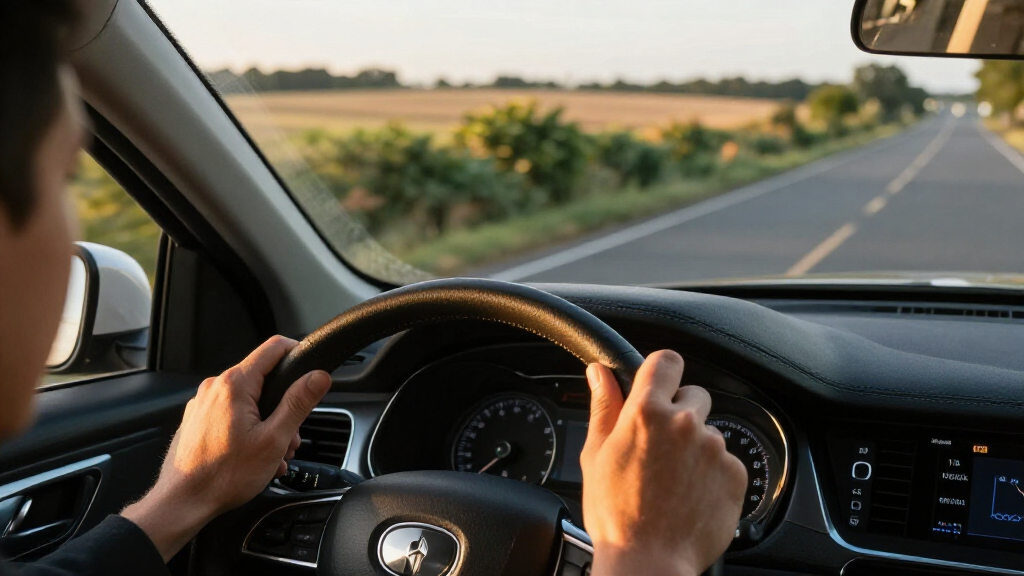
I ranked these options by how directly they address a driver’s day-to-day assistance needs: blind-spot awareness, lane-change warnings, cross-traffic alerts, forward or cabin monitoring, and useful recording. I also weighed the kind of information each system provides, its stated vehicle or voltage fit, installation demands, and whether it appears to be a complete consumer system or a specialized component. Those distinctions matter because an alert module, a camera display, a dash cam, and a calibration tool are not interchangeable.
The top positions go to named systems with a clear driver-facing use and a wider set of relevant alerts, led by Brandmotion and Advent. Multifunction dash cams follow when their combination of recording and assistance features can suit buyers who want more than blind-spot detection. Narrow-fit parts and listings with limited detail rank lower, not because they cannot serve a purpose, but because buyers need clearer compatibility or intended-use information before choosing them. I treat feature names as claims to verify against the vehicle, installation instructions, and product documentation—not as proof of autonomous driving capability.
Factors to Consider When Choosing Best Driver Assistance Systems
Before choosing from this list, decide which driving risk you want help managing and how much installation work you will accept. A system that records trips may not give the same blind-spot coverage as dedicated radar, and a warning device cannot correct a missed shoulder check. These broader checks can help prevent buying a feature-rich system that does not suit your vehicle or routine.
Match the system to the warning you actually need
Start with the situation that causes the most concern: changing lanes, reversing into traffic, monitoring forward travel, or recording incidents. A dedicated blind-spot radar system is a more direct fit for lane changes than a dash cam whose assistance features are only one part of a larger package. Cross-traffic detection is especially relevant for backing out of parking spaces, but verify whether the system covers rear cross traffic or only adjacent-lane vehicles. Some listings combine several terms without explaining detection zones or alert behavior. Look for a manual that says what is monitored, when alerts activate, and what can block the sensors. Buying for a specific warning usually beats choosing the longest feature list.
Check compatibility before comparing features
Universal fit claims still leave questions about vehicle voltage, body shape, sensor mounting, and wiring access. Radar performance can be affected by where sensors sit and by materials or accessories near their detection area. Vehicle-specific parts may simplify fit but sharply limit which owners can use them, as with a module listed for certain Jeep Wrangler model years. Confirm exact year, trim, connector, and any required companion components with the seller or manufacturer documentation. Do not assume that a 12 V label proves the system will work cleanly with every 12 V vehicle. When fit details are missing, treat that uncertainty as a real drawback rather than a minor paperwork issue.
Budget for installation and calibration, not just the device
Many blind-spot systems require sensors to be mounted symmetrically, wiring to be routed safely, and alerts to be placed where the driver can perceive them without distraction. Poor placement can create false warnings or missed detections, undermining the point of the purchase. A calibration kit is a specialist tool, not necessarily a ready-to-use driver assistance system; buyers should identify who will perform the calibration and what vehicle procedures apply. Dash cams may be easier to position, but power routing and camera angles still affect everyday usability. Ask whether the package includes all required brackets, wiring, displays, and instructions. If professional installation is needed, include that time and work in the decision.
Separate safety alerts from recording and driver monitoring
A dash cam’s video can help document an incident, while its ADAS or driver-monitoring features may provide separate prompts; neither function automatically replaces a dedicated blind-spot sensor. Check whether alerts are based on radar, camera processing, or another method, since that affects what the device is designed to detect. Cabin-facing cameras also raise practical questions about privacy, storage, and who can access footage. A mirror display can make a rear camera view convenient, but it may add more visual information to manage while driving. Prioritize the function you will use most, then treat the others as secondary benefits. This avoids paying in complexity for features that do not address your main need.
Judge alerts by clarity and driver workload
More alerts do not always mean more useful assistance. Consider whether warnings are visual, audible, or both, and whether you can adjust their volume or sensitivity for your driving environment. A system that repeatedly warns about harmless objects may be ignored over time, while a warning that is hard to see or hear may arrive too late to help. Check whether the display competes with mirrors or the road view and whether the system explains its limits. If several drivers share the vehicle, simple controls and clear alert behavior can matter more than advanced feature labels. Choose a setup that supports your normal checks instead of encouraging you to rely on warnings alone.
Compare the whole ownership burden
Think beyond the initial setup: cameras may need clean lenses, radar sensors need unobstructed mounting areas, and dash cams may rely on memory cards or ongoing file management. Confirm what storage is included, how recordings are overwritten, and whether connectivity features require a separate app or network. Check the warranty, replacement-part availability, and support for your vehicle before committing to a system with proprietary components. A focused kit may be simpler to maintain than a multifunction device, while a combined dash cam and assistance package can reduce the number of separate devices. Choose the arrangement that fits your tolerance for setup, upkeep, and troubleshooting. The least complicated system you will keep properly installed can be the more useful one.
Frequently Asked Questions
Can an aftermarket blind-spot system replace checking my mirrors and looking over my shoulder?
No. These systems provide alerts, but their sensors have limits and may miss a vehicle or warn about an object that is not a hazard. Use the warning as an additional cue, then follow the mirror and shoulder-check routine required for a safe lane change. Sensor placement, weather, vehicle shape, and nearby objects can affect detection. Before relying on a new system, learn its alert behavior in a safe setting and read its limitations. If it stops working or produces unusual warnings, return to your normal visual checks and have the installation inspected.
Should I choose radar blind-spot detection or a camera-based system?
Choose based on the information you want while driving. Radar-focused products in this roundup are designed around proximity alerts, while the BeZheest option emphasizes a camera view and display; these approaches do not provide identical coverage. A screen can help you see an area, but it asks you to interpret the image, whereas an alert system calls attention to a possible hazard. Check the stated detection zones, display placement, and performance limits for the exact model. If the listing does not explain how detection works, seek the manual or manufacturer clarification before deciding.
Is a dash cam with ADAS enough if my main concern is blind spots?
Not necessarily. The Type S T400 Plus and WOLFBOX G850 PRO combine recording with assistance-related features, but a dash cam’s presence does not prove it offers the same blind-spot coverage as a dedicated radar kit. Verify which alerts are included, what sensors support them, and whether they monitor adjacent lanes or only provide other driving prompts. Dash cams can be a sensible choice if recording is also a priority, but blind-spot detection should be checked as a separate requirement. Compare the product documentation with your vehicle and driving needs before treating a multifunction label as complete coverage.
Do I need a calibration kit to install one of these systems?
Usually, a consumer buying a complete warning system should not assume that a standalone calibration kit is part of the required package. The ADAS Multi-Target Radar Calibration Kit is a specialized item, and the listing’s name alone does not establish which vehicles or procedures it supports. Calibration requirements vary by system and vehicle, so follow the manufacturer’s installation instructions rather than applying a generic process. If a system calls for calibrated alignment or a vehicle-specific procedure, a qualified installer may be the practical choice. Confirm the kit’s intended users and compatibility before purchasing it as a standalone solution.
What should I verify before ordering a system for my vehicle?
Confirm the exact model year and trim, electrical requirements, sensor mounting locations, and whether the package includes the display, wiring, and necessary brackets. For a vehicle-specific part, match the part number and fitment information rather than relying on a broad vehicle-family name. For universal radar kits, ask about sensor clearance, body materials, and any required installation or calibration steps. Also check whether the product is a complete system, a replacement module, or a professional tool. If essential fit details are unavailable, pause and get written confirmation before ordering.
Conclusion
For a focused, broad-use blind-spot and cross-traffic setup, I would start with the Brandmotion RDBS-1600 as best overall; choose the Advent ADVBSD30 if overtaking alerts are a priority. My best value direction is a clearly compatible, complete radar kit such as the 77 GHz system, provided its fit and installation details check out. For a premium, multifunction setup, the WOLFBOX G850 PRO is the pick for buyers who want a mirror dash cam alongside assistance features, while beginners may prefer the Type S T400 Plus if recording and a more familiar dash-cam format matter more than dedicated radar coverage. For a specific need, Wrangler owners can investigate the 68382569AD module, and drivers who want a visible camera feed can look at BeZheest. I would skip the calibration tool unless you have a matching professional use, and I would seek more detail before treating the broad ADAS listing as a complete system.