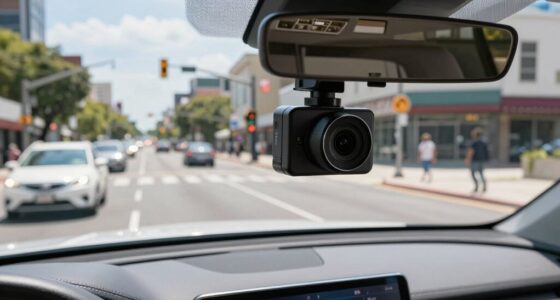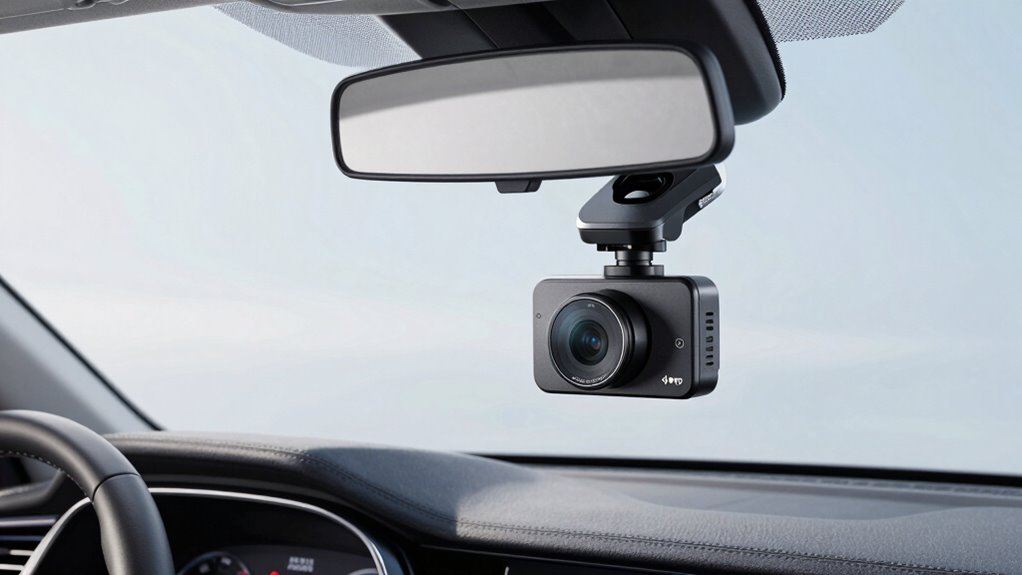

In Colorado, you can legally use a dash cam if it’s mounted behind the rearview mirror using non-reflective materials and doesn’t block your view or airbags. You’re allowed to record audio inside your vehicle with one-party consent, meaning you or someone else in the vehicle knows about the recording. Be mindful of privacy laws and how footage is stored, handled, and shared to stay compliant. If you stay informed, you’ll better understand how to use your dash cam legally and effectively.
Key Takeaways
- Dash cams must be mounted behind the rearview mirror without obstructing visibility or airbags, using non-reflective, secure mounts.
- Mounting materials should avoid glare; reflective or mirrored components are prohibited under Colorado law.
- Colorado is a one-party consent state; recording in-vehicle audio is legal if at least one participant is aware.
- Dash cam footage is admissible in court if properly preserved with metadata and chain of custody; police cannot seize devices without a warrant.
- Recording passengers’ audio generally does not violate privacy laws in Colorado, but legal compliance depends on context and location.

Fitcamx 4K Dash Cam Suitable for Chevy Colorado 2023-2026 with Auto-Dimming (HD2-D5800), OEM Factory Look, UHD 2160P Video, Built-in WiFi & APP, Loop Recording, G-Sensor, Plug & Play, 64GB Card
*How to Select the correct OEM model? Please read the following content before ordering, or you can reach…
As an affiliate, we earn on qualifying purchases.
As an affiliate, we earn on qualifying purchases.
Understanding Colorado’s Vehicle Equipment and Obstruction Rules
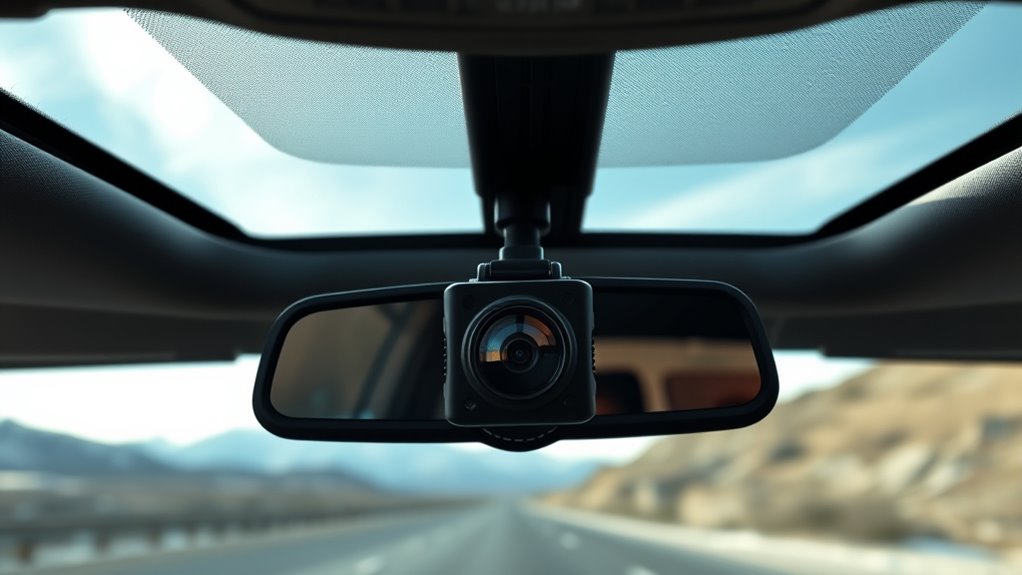
In Colorado, maintaining clear visibility and safe vehicle operation is essential, and this is governed by specific equipment and obstruction laws. You must guarantee your view through the windshield and windows remains unobstructed, with no objects or passengers blocking your line of sight. Obstructing your vision is a class A traffic infraction under C.R.S. 42-4-201(4). Passengers are also restricted from sitting in positions that hinder your ability to see or control the vehicle, with violations classified as infractions. Additionally, attaching anything to the outside of your vehicle—like hanging objects or external attachments—is prohibited unless in authorized circumstances, such as parades or official events. These rules aim to keep all drivers and pedestrians safe by ensuring unobstructed visibility and vehicle control at all times. These regulations are enforced to prevent hazards caused by visual or mechanical obstructions that could lead to accidents. Moreover, the use of dash cams must comply with privacy laws to avoid legal issues related to recording others without consent. It is also important to understand privacy considerations when using dash cams to ensure recordings do not infringe on others’ rights. Understanding local laws helps prevent inadvertent violations and potential fines related to dash cam use and vehicle equipment. Additionally, understanding vehicle equipment regulations can help ensure your vehicle remains compliant with state laws and avoid penalties. Staying informed about security zone info can further help you navigate legal requirements and personal safety measures.
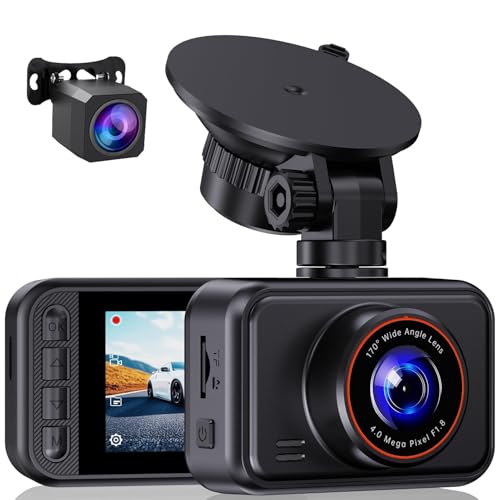
E-YEEGER Dash Cam Front and Rear, 2.5K Dual Dash Camera for Cars, 2560P Mini Car Camera, 2 inch IPS Screen, WDR Night Vision, 24 Hours Parking Monitor, G-Sensor, Support 256 GB Max
【2.5K Dashcam Front and Rear Cameras】The S60 dash cam delivers unparalleled clarity with a 2560*1440P front camera and…
As an affiliate, we earn on qualifying purchases.
As an affiliate, we earn on qualifying purchases.
Proper Mounting Locations and Mounting Materials for Dash Cameras
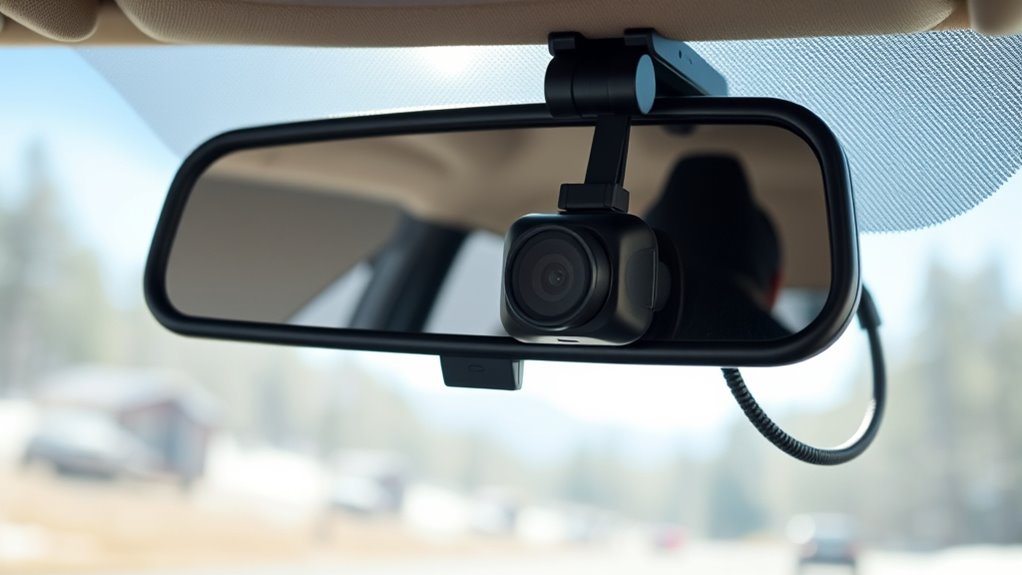
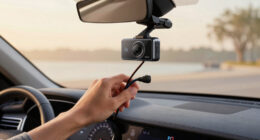
Choosing the right mounting location is vital to avoid obstructing your view and staying within Colorado’s regulations. You should prefer mounting your dash cam behind the rearview mirror or in areas that don’t block sightlines or airbags. Additionally, selecting non-reflective materials helps prevent glare and reflections that could distract you or cause legal issues. Proper device placement can also help optimize recording quality and ensure your dash cam remains unobtrusive. Proper driver safety considerations are essential to comply with Colorado law and maintain safe driving practices. Colorado law also emphasizes that dash cams must not interfere with the driver’s ability to operate the vehicle safely. Using reliable mounting materials ensures that your dash cam stays securely attached and functions correctly over time. Incorporating mounting guidelines based on legal standards can help you avoid potential citations or safety concerns. Ensuring your dash cam is mounted at the correct angle and height can further improve video quality and legality.
Optimal Mounting Zones
Selecting the ideal mounting zone for your dash camera ensures clear footage without obstructing your view or violating Colorado laws. The upper center behind the rearview mirror is preferred, as it minimizes windshield obstruction while capturing a broad forward view. This position keeps your camera within legal limits, avoiding devices that block driver vision under C.R.S. § 42-4-227. It offers an elevated vantage point, balancing horizon and hood visibility for better incident context. Use secure adhesive mounts or sticky-plug options to keep the camera flush and prevent distractions caused by dangling wires or movement. Always check from your driver’s seat that the view remains unobstructed. In some municipalities, “normal and unobstructed” sightlines are required, so verify local rules for compliance. Ensuring your dash cam’s placement adheres to air quality standards can also help prevent distractions caused by unnecessary wires or equipment. Proper mounting materials improve stability and reduce the risk of the camera shifting during drives. Additionally, selecting mounts that are compatible with precise positioning helps maintain consistent footage quality. Using appropriate mounting techniques can further enhance durability and ensure your dash cam stays securely in place over time. For added security, consider using anti-vibration mounts to minimize footage shake during rough roads or sudden stops.
Material and Reflection Risks
Proper mounting locations and materials play a vital role in guaranteeing your dash cam complies with Colorado laws. Reflective surfaces that cause glare or distraction are prohibited, including mirrored or metallic casings that hinder visibility or blind other drivers. Materials reflecting sunlight or glare toward other vehicles violate regulations like Rev. Stat. §42-4-227 and can lead to citations. Additionally, dash cams must not obstruct your view through the windshield; non-transparent or view-blocking materials are illegal and can result in fines or liability issues. Suction mounts with reflective or obstructive components violate these standards, especially in Denver where glare and obstruction laws are strict. Using non-reflective, non-obstructive materials ensures your dash cam remains legal and safe for all road users. Proper Mounting Materials are essential to avoid glare and ensure clarity while driving. Proper placement and mounting techniques also help prevent accidental dislodging or damage. Ensuring your dash cam is installed using approved mounting methods minimizes the risk of violating Colorado’s vehicle regulations and promotes safe driving practices. Additionally, selecting reflective materials that do not cause glare can significantly reduce the risk of distraction or violation while maintaining optimal visibility. Moreover, choosing materials with anti-glare properties can further enhance safety and compliance on Colorado roads.
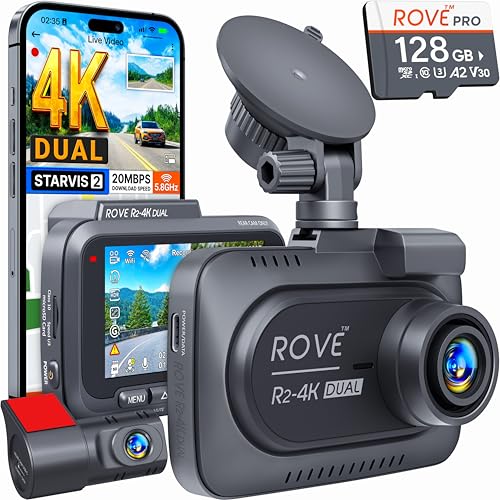
ROVE R2-4K DUAL Dash Cam Front and Rear, STARVIS 2 Sensor, FREE 128GB Card Included, 5G WiFi – up to 20MB/s Fastest Download Speed with App, 4K 2160P/FHD Dash Camera for Cars, 3" IPS, 24H Parking Mode
4K FRONT + 1080P REAR RECORDING – ROVE R2-4K DUAL dash cam offers dual-channel recording capabilities, capturing footage…
As an affiliate, we earn on qualifying purchases.
As an affiliate, we earn on qualifying purchases.
Audio Recording Laws and Consent Requirements in Colorado
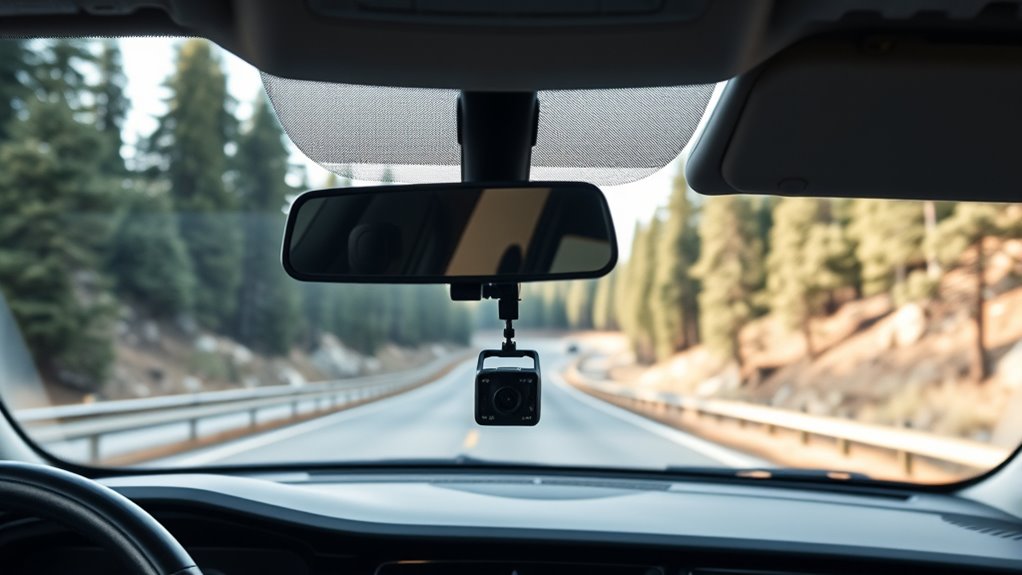
In Colorado, recording conversations with a dash cam is governed by a one-party consent law, meaning you can record if at least one participant agrees or is aware of the recording. You can record audio inside your vehicle, as there’s no law requiring all-party consent for interior audio. If you’re the driver or fleet manager, you can record cab conversations with your own consent. However, recording others without their knowledge can lead to legal issues. Here’s a quick overview:
| Participant Type | Consent Needed | Recording Allowed? |
|---|---|---|
| Driver/Fleet | Yes | Yes, with own consent |
| Passengers | Implicit via involvement | Yes, if engaged in conversation |
| Non-participants | Yes | No, prior consent required |
| Law Enforcement | Specific protocols | Must activate dash/body cameras |
Additionally, it’s important to be aware of privacy laws that restrict recording in certain private areas or situations to avoid legal complications, especially considering privacy restrictions that can vary based on location and context.

2 Pcs Rear Camera Holder Universal Rear View Camera Rear Window Mount Back Windshield Backup Camera Mount Dash Cam Mirror Camera Reverse Camera Mount Adhesive Car Dashcam Reverse Camera Holder
You Will Get: The set includes 2 pcs dash cam rear camera mount and 6 screws. Please make…
As an affiliate, we earn on qualifying purchases.
As an affiliate, we earn on qualifying purchases.
Using Dash Cam Footage as Evidence and Interacting With Law Enforcement
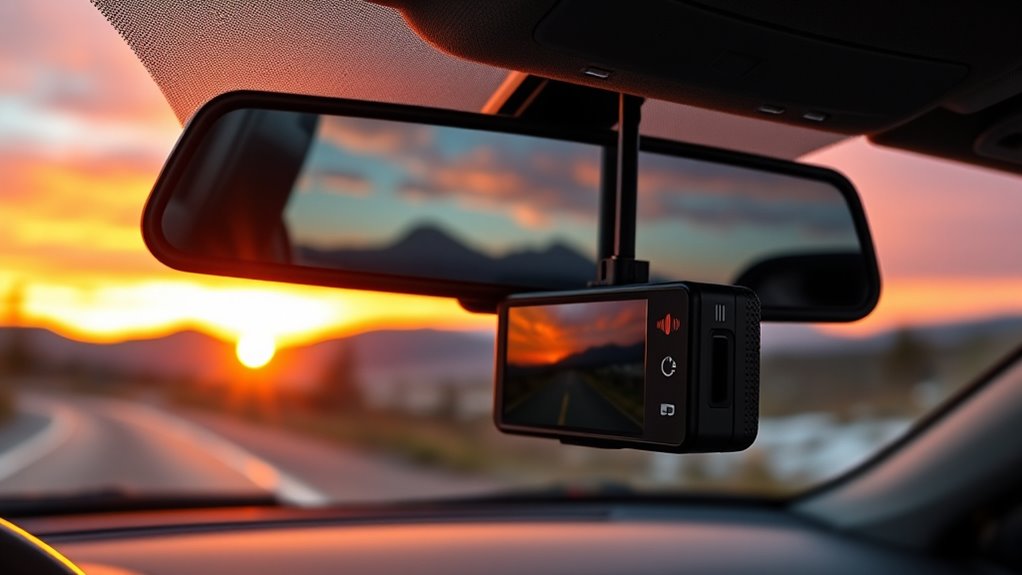
To use dash cam footage effectively as evidence, you need to preserve it properly and understand the legal procedures for sharing it with law enforcement. Knowing how to securely handle your files and interact with officers can protect your rights and make sure your footage is admissible. Being prepared helps you navigate interactions smoothly and strengthen your position in legal or insurance matters. Proper handling of digital evidence is crucial to prevent tampering and ensure the court accepts your footage. Additionally, understanding the privacy policies related to your footage can help you manage data sharing responsibly. Familiarity with Free Floating concepts can also aid in understanding the legal implications of digital evidence storage and sharing.
Preserving Footage Properly
Preserving dash cam footage correctly is essential for ensuring it can be used effectively as evidence in court. First, keep the original SD card intact, avoiding overwriting or reformatting after an incident, to prevent evidence exclusion. Create a forensically sound bit-for-bit copy of the files, and store originals securely in a write-protected, climate-controlled environment with limited access. Document every step, including date, time, device details, and transfers, in an evidentiary log to support authentication. Record metadata such as GPS timestamps and device clock settings, noting discrepancies for forensic review. To maintain integrity, preserve both original media and copies in secure containers or encrypted lockers. In Colorado, footage stored properly can be used in court to support claims or defenses. Proper preservation ensures your footage remains credible, admissible, and resistant to challenges in court. Additionally, understanding evidence integrity principles is crucial for maintaining the credibility of your footage throughout legal proceedings. Maintaining chain of custody documentation can further strengthen the credibility of your evidence in legal settings.
Legal Access Procedures
Understanding how to legally access and use dash cam footage is essential when interacting with law enforcement or handling evidence in Colorado. Dash cam footage is generally admissible if relevant and properly authenticated, often through metadata, hash values, or forensic analysis. Maintaining a clear chain of custody—documenting who accessed or transferred the footage—strengthens its admissibility. When law enforcement requests footage via subpoenas or court orders, compliance is mandatory; refusal without legal grounds can lead to penalties. At a traffic stop, you’re not required to surrender your device without a warrant but can offer to provide copies or view footage voluntarily. Always document interactions when sharing footage and seek legal advice if a warrant or subpoena is involved to protect your rights and ensure proper handling of the evidence. Properly handling and storing dash cam footage is crucial to preserve its integrity and prevent tampering.
Handling Law Enforcement
When law enforcement requests dash cam footage, knowing how to respond and interact can safeguard your rights and ensure proper handling of the evidence. Police cannot seize your civilian dash camera without your consent unless they obtain a subpoena or court order, which you can refuse unless legally compelled. If you voluntarily share footage, be aware that it may be used as evidence in investigations or court cases. Failing to comply with a subpoena can lead to fines, so it’s important to preserve footage and avoid destruction or alteration. When providing footage, document the chain of custody to maintain its authenticity. Remember, if officers fail to activate their cameras, it creates a presumption of misconduct, but you should still follow legal protocols to protect your interests. Ensuring your networking hardware and storage media are secure can help protect footage from tampering or unauthorized access.
Privacy Considerations and Civil Liability for Dash Cam Recordings
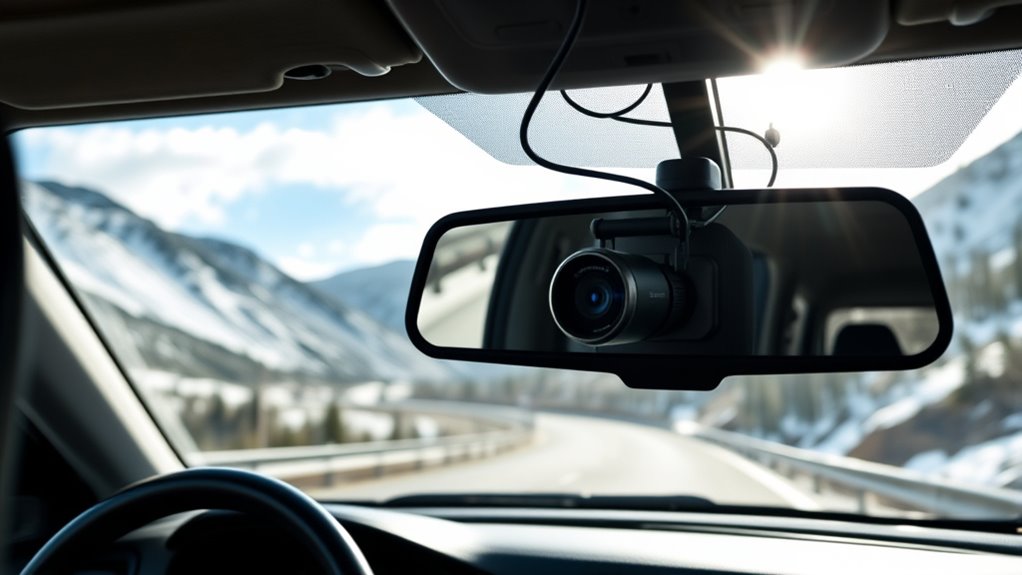
In Colorado, dash cam recordings generally do not raise privacy concerns because the state follows a one-party consent rule, meaning you can record audio if you’re the driver and aware of the recording. There’s no specific law regulating dash cam privacy, and passengers don’t need to consent to in-vehicle audio capture. If you record audio, it’s legal as long as you’re aware and consenting. Passengers in Colorado can’t pursue privacy claims for dash cam recordings, unlike in states with stricter all-party consent laws. However, traveling across state lines might pose privacy risks if other jurisdictions require passenger consent. Recordings are admissible in court if legally obtained, and you must comply with subpoenas during investigations. Destroying or altering footage after an accident is illegal, and improper mounting can increase liability risks. Proper mounting techniques help ensure the footage is clear and legally admissible, reducing potential liability. Additionally, understanding state-specific recording laws can help you avoid inadvertent violations while using dash cams, especially when considering the privacy rights of others in different jurisdictions. Being aware of public recording regulations is also important to prevent unintentional legal issues. Familiarizing yourself with digital evidence handling best practices is crucial for maintaining the integrity of recordings used in legal proceedings.
Best Practices to Minimize Legal Risks and Ensure Compliance
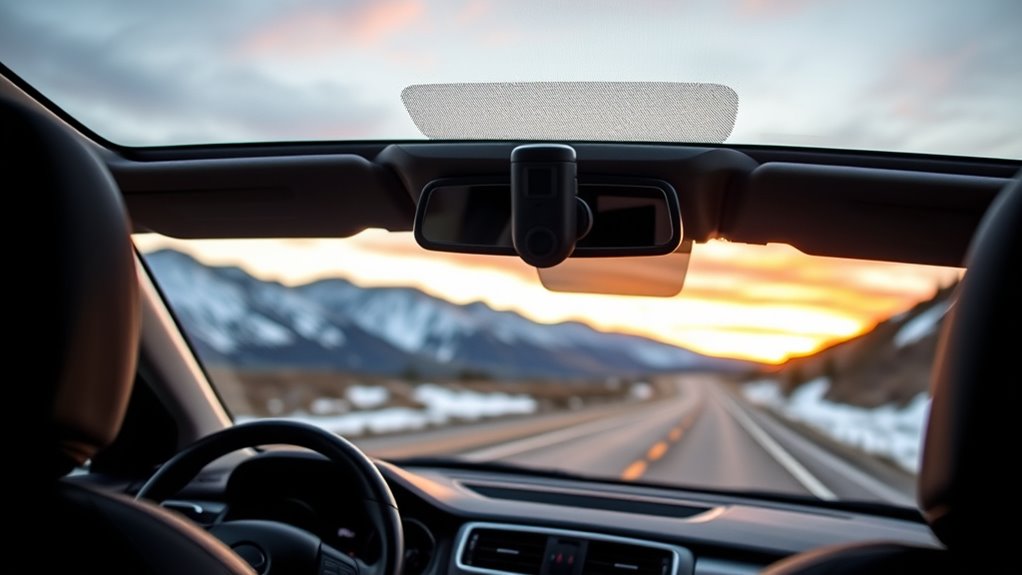
To minimize legal risks and stay compliant with Colorado laws, it’s important to follow best practices for mounting and operating your dash cam. Make certain your camera doesn’t obstruct your view of the roadway, as required by Colorado Rev. Stat. §42-4-201, and avoid blocking windshield visibility per Denver Ordinance 54-124. Position the camera to prevent reflective glare toward other vehicles, using non-reflective casings to avoid citations. Regularly inspect the mounting to confirm it remains compliant, especially after vehicle modifications. When recording audio, remember Colorado is a one-party consent state; disable audio when crossing into states with stricter laws. Preserve unaltered footage after incidents and only provide recordings with legal warrants or subpoenas. Following these practices helps you stay within legal boundaries and reduces your liability. Additionally, dash cams are capable of high-quality video recording, including at night, which can be invaluable in providing clear evidence during disputes or legal proceedings.
Frequently Asked Questions
Can I Use a Dash Cam in Colorado if It Obstructs My View Slightly?
You can use a dash cam in Colorado if it slightly obstructs your view, but only if it doesn’t violate local or state laws. Make sure you mount it behind the rearview mirror or on the dashboard in a way that doesn’t block your vision or cause glare. Keep it non-reflective and positioned to guarantee clear, unobstructed visibility through your windshield to avoid tickets or liability.
Are There Specific Size Limits for Dash Cam Mounts Under Colorado Law?
You wonder if Colorado sets size limits for dash cam mounts. The truth is, there are no explicit size restrictions here. Instead, you must guarantee your mount doesn’t block your view or create glare. Imagine your dash cam as a small, discreet observer—placed behind your rearview mirror or on the dashboard—so it stays out of sight and doesn’t distract or obstruct your line of sight.
Is Audio Recording Legal if Passengers Are Present Without Their Knowledge?
In Colorado, recording audio without passengers’ knowledge is legal if you’re the one-party consent. Since you’re the driver, your presence counts as consent, allowing you to record conversations in your vehicle. However, be cautious if traveling to other states, as laws vary. To avoid issues, consider installing visible notices or verbally informing passengers, especially when recording audio, to guarantee transparency and reduce privacy concerns.
How Long Should I Retain Dash Cam Footage After an Incident?
Think of your dash cam footage as a digital breadcrumb trail; it should be kept long enough to serve as a reliable witness. You need to retain footage for at least 90 days for general recordings, and up to 2 years if it’s evidence related to arrests, complaints, or use of force. For felony cases, keep it permanently. Staying compliant means your footage acts as a steadfast guardian of your actions.
Can I Use Dash Cam Footage as Evidence in a Civil Lawsuit in Colorado?
Yes, you can use dash cam footage as evidence in a Colorado civil lawsuit. To do so, guarantee the footage is relevant, authentic, and of sufficient quality. Preserve the recording immediately after the incident, avoid altering it, and have it reviewed by legal or forensic experts if needed. Properly handling and authenticating your footage increases its chances of being admitted in court to support your case.
Conclusion
By understanding Colorado’s dash cam laws, you’re not just capturing moments—you’re safeguarding your journey’s integrity. Think of your camera as a lighthouse guiding you through legal waters, illuminating what’s right and warning of hidden hazards. When you respect mounting rules, audio consent, and privacy, you turn your device into a trustworthy companion. Ultimately, responsible use transforms your dash cam into a beacon of transparency, helping you navigate the road ahead with confidence and clarity.