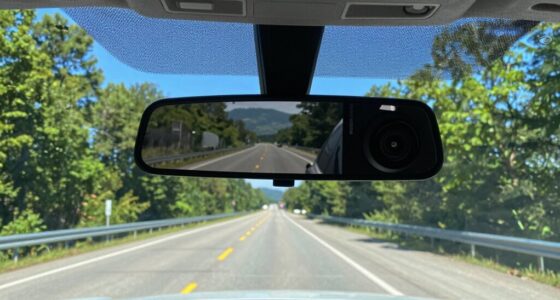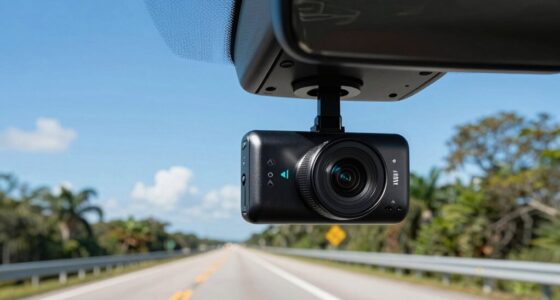
In Iowa, you can use a dash cam as long as it’s properly mounted so it doesn’t block your view; placing it behind the rearview mirror or on the dashboard works best. Iowa law allows audio recording with your own consent, but recording passengers or private conversations may raise privacy concerns. To stay compliant, follow clear-vision rules and avoid obstructing driver’s view or airbags. Keep your footage secure and be aware of privacy laws—there’s more to contemplate to keep your recordings legal and effective.

Get business pricing on garage and car supplies
- Business-only prices and quantity discounts
- Tax-exempt purchasing
- Multiple users, one account, clear invoices
Key Takeaways
- Dash cams are legal in Iowa if mounted behind or below the rearview mirror, ensuring they do not obstruct clear vision.
- Iowa permits audio recording with one-party consent; inform passengers to avoid privacy issues.
- Video footage from public roads is generally legal; private property recordings may require privacy considerations.
- Mount devices discreetly to prevent obstruction or interference with airbags, and secure wiring properly.
- Proper data management and secure storage are essential for legal evidence use and protecting privacy rights.
Legality of Dash Cams in Iowa
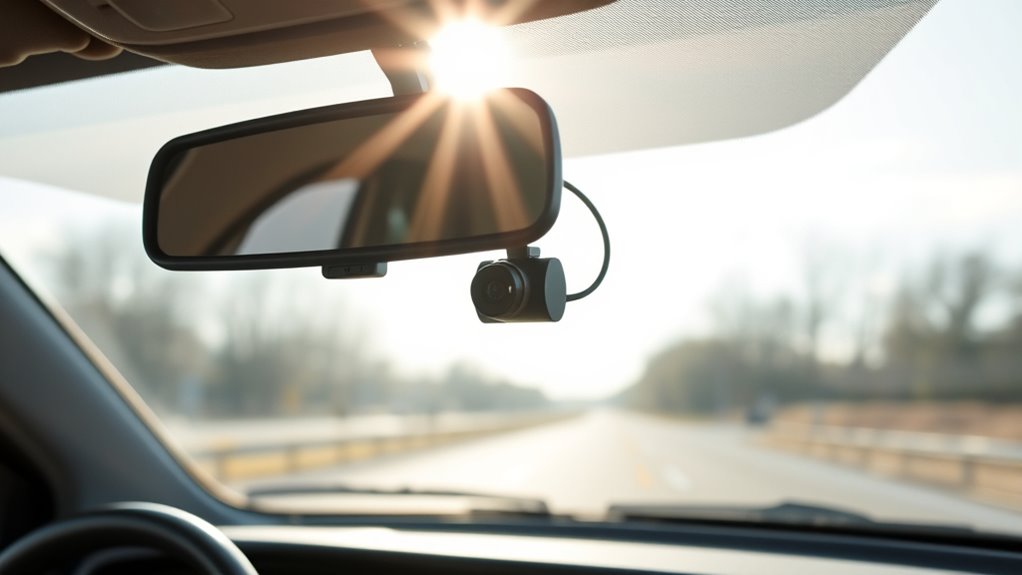
Dash cameras are legal in Iowa because no state law explicitly bans the use of dashboard or windshield recording devices. Iowa’s law mainly focuses on ensuring clear vision through the windshield, not on the recording device itself. As long as your dash cam doesn’t obstruct your view, it’s permitted. The law treats dash cams like any object mounted on the windshield, subject to visibility rules. Common advice is to mount your device behind the rearview mirror or on the dashboard to avoid violations. Iowa does not specify exact size limits for mounts, emphasizing functional visibility instead. Enforcement centers on whether your device blocks your view, not on its presence. Overall, Iowa’s regulations favor permissiveness, provided your dash cam doesn’t interfere with safe driving. Additionally, Iowa does not require registration or special permits for dash cams, making them a straightforward safety and security tool for drivers. Understanding dash cam legality helps ensure you stay compliant while benefiting from their features. Being aware of vehicle safety regulations can also help you avoid potential legal issues related to dashboard devices. For example, knowing the specific mounting guidelines can help prevent unintentional violations. Proper knowledge of projector technology can also guide you in selecting devices that comply with legal standards and ensure optimal performance. Moreover, staying informed about privacy policies related to dash cam footage is essential for maintaining confidentiality and following legal best practices.
Optimal Placement for Dash Cameras
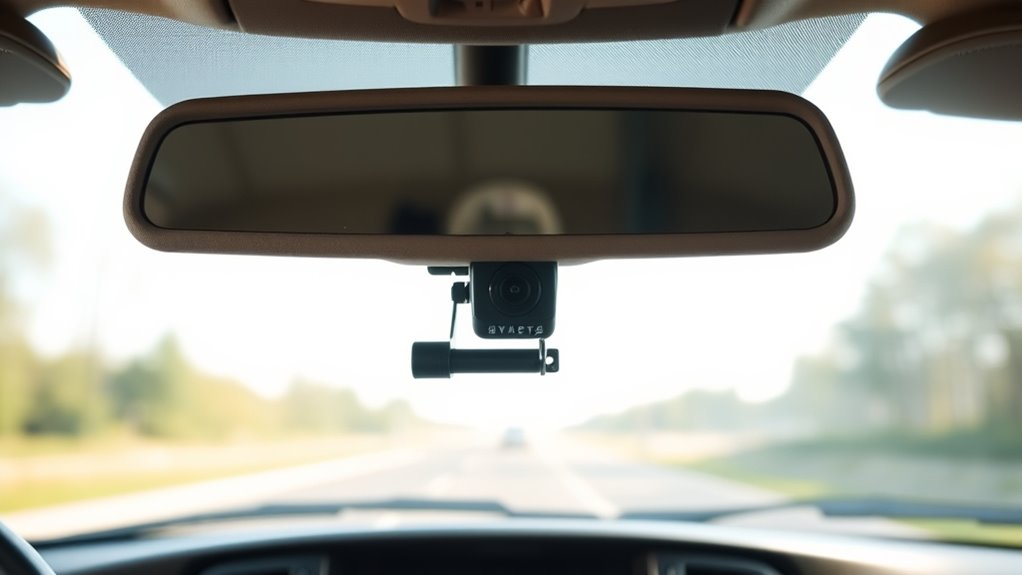
To get the best footage while staying within Iowa’s dash cam laws, you should mount the camera just behind or below the rearview mirror so it doesn’t block your view. Avoid placing it in spots that obstruct your line of sight or interfere with sensors or airbags. Using a low-profile mount helps keep the camera discreet and reduces distractions while driving. Ensuring the camera’s placement doesn’t compromise safety or violate vehicle safety regulations is essential. Proper dashboard camera positioning can also help prevent accidental damage or dislodging during sudden stops or collisions. Additionally, choosing a mount that complies with Luggage & Bags guidelines ensures your dash cam remains securely attached without interfering with other vehicle components. Considering the empowering information about vehicle safety can help you select the most effective and legal mounting options. Being aware of installation best practices can further enhance your dash cam’s performance and longevity.
Mount Behind Rearview
Have you considered mounting your dash cam behind the rearview mirror? This placement is explicitly recommended because it keeps the camera high and centered, out of your main line of sight. It reduces glare and reflections that can obscure footage, ensuring a clear view of the road. Mounting behind the mirror also complies with Iowa’s rules by avoiding obstruction of your windshield’s clear vision. This position allows for a discreet setup that minimizes distraction and maintains a neat appearance. Additionally, routing cables along the headliner is easier, and the camera’s low profile helps it blend in. Proper placement supports legal compliance and helps ensure your dash cam operates effectively and remains compliant with Iowa’s regulations. Secure mounting reduces vibrations and durability over time are also important factors to consider during installation. Utilizing robust mounting hardware can further enhance stability and longevity of your dash camera setup. In addition, using quality mounting accessories can improve overall stability and reduce the risk of accidental dislodging.
Avoid Obstructing View
Mounting your dash cam behind the rearview mirror helps keep it out of your main line of sight, reducing the chance of obstructing your view. To stay compliant with Iowa laws, ensure your camera doesn’t block your view of the highway. Position it so it doesn’t extend into the primary sightline area or interfere with your ability to see road signs, signals, or other vehicles clearly. Keep the camera body transparent or low-profile to prevent any visual obstruction. Mounting on the dashboard or the passenger side bottom corner is typically safe, as long as your view remains unobstructed during normal driving conditions. Regularly check that your dash cam doesn’t shift or create a distraction, and avoid placing it where it could block critical sightlines. Additionally, verify that your dash cam setup aligns with state regulations regarding visibility and safety, including considerations for unique and wicked planters to ensure optimal placement without distractions. Ensuring your dash cam’s optimal placement can help prevent unintentional violations and promote safer driving. Proper dash cam positioning also helps maintain clear visibility and reduces the risk of legal issues related to obstructed views. Furthermore, understanding vehicle safety laws can assist in choosing the best mounting location to avoid violations.
Use Low-Profile Mount
Using a low-profile dash camera mount is an effective way to stay compliant with Iowa laws. Placing your camera behind the rearview mirror keeps it out of your primary sightline, reducing glare and reflections. This position also helps you maintain clear visibility of the road ahead. To guarantee proper mounting, consider these key points:
- Secure the mount firmly on the dashboard or behind the mirror to prevent movement.
- Route cables carefully to avoid interfering with controls or airbag deployment.
- Choose a position that doesn’t obstruct your view, aligning with Iowa’s clear vision requirements.
- Proper mounting ensures compliance with state laws and promotes safety while driving. Additionally, selecting a mount that is compatible with your dash cam model can help prevent vibrations and ensure steady footage. Ensuring the camera remains stable will contribute to clearer recordings and better evidence if needed. Being aware of mounting best practices can further enhance your dash cam setup and legal compliance, especially considering that Youngster Choice highlights the importance of proper setup for financial independence and legal adherence. Incorporating safe installation practices can also minimize the risk of equipment damage and enhance overall safety.
Understanding Iowa’s Clear-Vision Requirements
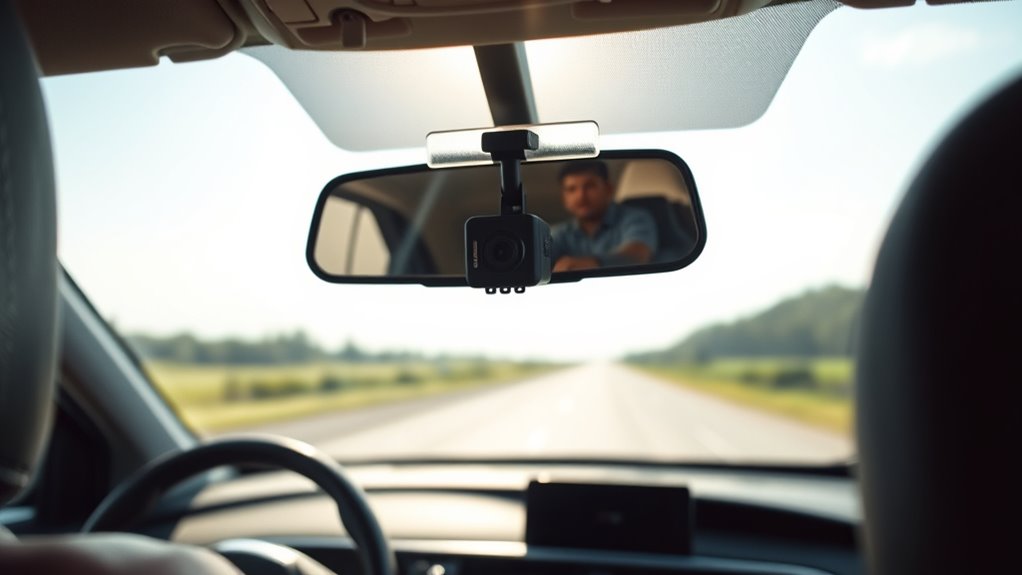
Iowa’s clear-vision requirements, rooted in Iowa Code § 321.445, prohibit driving with any object that obstructs, obscures, or impairs your view through the windshield or windows. This law applies to any item that affects your ability to see clearly, including dash cams, but enforcement focuses on the device’s effect on visibility, not its specific type. Mounting your dash camera behind the rearview mirror or on the dashboard helps guarantee compliance, as these locations minimize obstruction. There’s no strict size limit, but the device must not diminish your view. Larger or centrally mounted cameras that glare or reflect light increase the risk of violation. Because enforcement depends on individual judgment, it’s best to keep your dash cam discreet and out of the driver’s primary sightlines. Additionally, understanding how aviation regulations impact device placement can help you ensure your dash cam remains compliant. Proper placement and awareness of view obstruction laws can prevent inadvertent violations and ensure safe driving. Being knowledgeable about view obstruction laws and their application can further assist in choosing an appropriate mounting position for your dash cam. Using self-sufficiency principles in selecting your device setup can also help you avoid legal issues related to your dash cam setup. Staying informed about device placement regulations can also help you avoid legal issues related to your dash cam setup.
Audio Recording Regulations and Consent
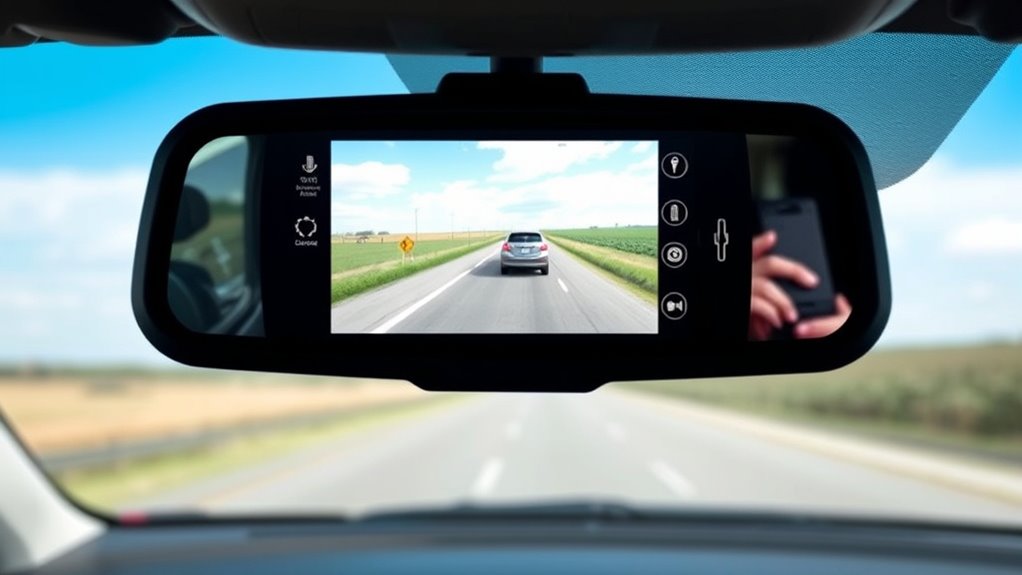
In Iowa, your dash cam can record audio as long as you’re the one giving consent, thanks to the one-party consent rule. However, recording passengers without their knowledge could lead to legal issues, especially if they have a reasonable expectation of privacy. If you’re recording in a commercial setting, additional rules may apply, so it’s important to understand these distinctions to stay compliant. Understanding state-specific consent laws is essential to ensure your recordings remain lawful and to avoid potential legal complications.
One-Party Consent Rules
Since Iowa allows recording audio if at least one participant consents, you can legally record conversations inside your vehicle as long as you are the one giving permission. This one-party consent rule means that if you’re the driver, your own approval is enough to record in-vehicle audio. You don’t need to notify passengers or others involved. Keep in mind: Your consent suffices for recording your own voice and conversations you participate in. Recording passengers without their knowledge may not violate the law if you are the one consenting. Federal law aligns with Iowa’s one-party rule, so recording is legal as long as one person involved consents. In some cases, it is advisable to inform passengers about the recording to avoid potential disputes or privacy concerns.
Passenger Recording Limitations
While your own consent allows you to record audio inside your vehicle, it’s important to recognize limitations when it comes to passengers. In Iowa, recording in a vehicle generally follows one-party consent rules, meaning you or the device owner can record conversations. However, if passengers have a reasonable expectation of privacy—like private chats—they may have grounds to challenge the recording. Federal laws may also come into play, especially across state lines.
| Passenger Recording | Legal Considerations |
|---|---|
| Private conversations in vehicle | Privacy laws protect against recording without consent |
| Audio outside vehicle or in public | Less privacy expectation; generally permissible |
| Edited or tampered recordings | Risk of inadmissibility in court |
| Recording malicious intent | Civil or criminal penalties possible |
Commercial Recording Requirements
Under Iowa law, recording audio in a commercial vehicle is lawful as long as at least one party involved in the conversation consents, aligning with the state’s one-party consent rule. This means that if you, as the driver or employer, are part of the conversation or have obtained consent, the recording is legal. Be aware of these key points:
- Lawful recordings are generally admissible in court, provided they meet Iowa’s consent standards.
- Employer policies and signage can help demonstrate lawful consent and reduce privacy concerns.
- When operating across multiple states, especially all-party-consent jurisdictions, you should disable audio or notify passengers accordingly.
- Proper documentation of consent can further strengthen legal compliance and protect your organization in case of disputes.
Following these rules ensures your recordings stay compliant and protect against legal risks.
Privacy Expectations and Video Recording Standards

When recording video with a dash cam in Iowa, it’s important to understand that your expectation of privacy varies depending on the location. On public roads, there’s no reasonable expectation of privacy, so capturing video of vehicles and drivers is generally considered public information. Video from public areas is unlikely to trigger privacy claims, but recordings inside private property—like driveways or homes—are protected and may be redacted or excluded from disclosures. Be aware that audio recording is subject to consent laws; Iowa is mainly a one-party consent state, but federal and specific statutes may impose additional restrictions. Signaling recording with notices inside your vehicle can help demonstrate transparency, especially when audio is involved. Proper mounting ensures your dash cam doesn’t obstruct views or violate safety laws while signaling recording intentions. Additionally, public records laws generally favor disclosure of footage captured in public settings, emphasizing transparency and accountability.
Using Dash-Cam Footage as Evidence
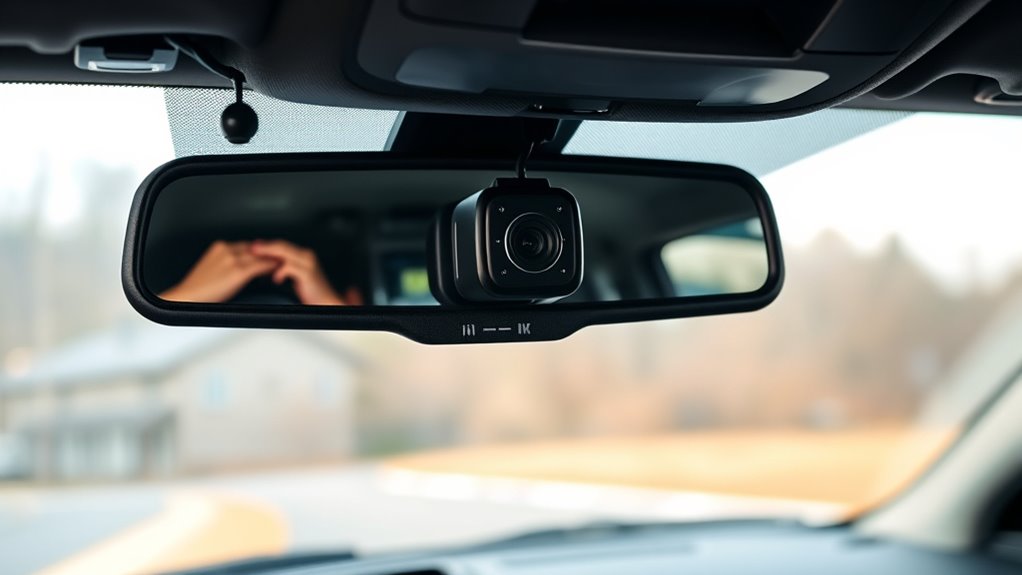
Using dash-cam footage as evidence requires careful attention to authenticity and foundation. To guarantee admissibility, you must demonstrate that the footage fairly and accurately depicts the events. Here are key considerations:
- Establish the chain-of-custody by showing who recorded, handled, and copied the footage, which helps reduce hearsay objections.
- Support authenticity with witness testimony or supporting evidence, especially if primary sources are unavailable, like using secondary recordings with proper foundation.
- Verify metadata, timestamps, and file formats, but remember court prefers corroboration from witnesses about camera operation and location.
Additionally, be mindful of relevance and probative value, balancing them against potential prejudice, and ensure proper preservation and documentation to support your case in court.
Storage, Security, and Data Retention Tips
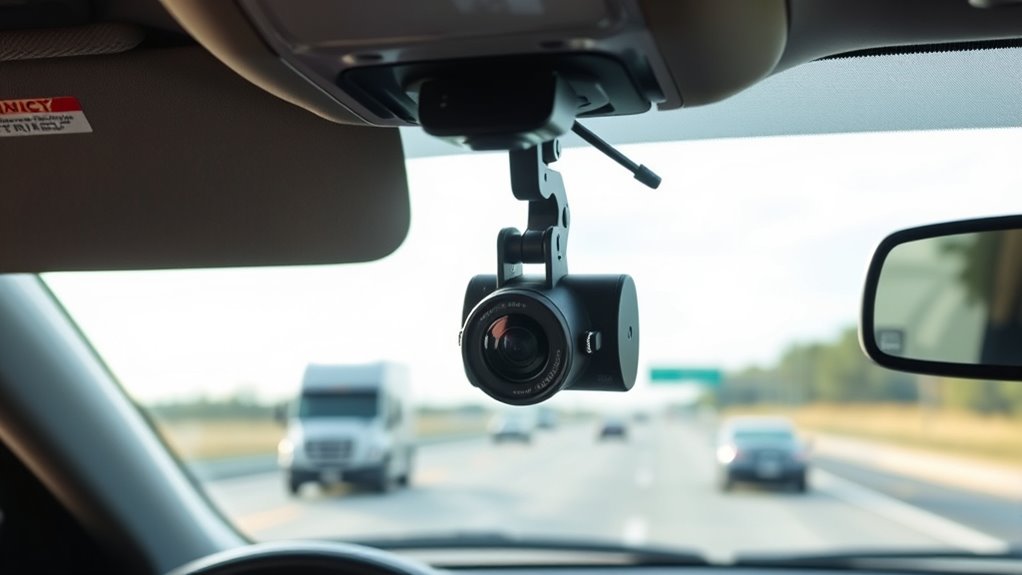
Effective storage, security, and data retention practices are essential for maximizing your dash cam’s usefulness and protecting your footage. Use a microSD card between 32GB and 128GB for most daily recordings. A 16GB card is enough for 2–3 hours of 1080p footage at low resolution, while 32GB to 64GB suits longer trips or higher resolutions. For continuous parking mode or dual-camera setups, consider 128GB or larger. Enable loop recording to automatically overwrite old footage, but lock important clips with the G-sensor. Store critical videos in the cloud for added security, especially if your device supports real-time uploads. Regularly offload footage to prevent overwrites, and disable unnecessary recordings to extend retention. Protect your data with strong security settings and high-quality storage media.
Risks and Enforcement Considerations
You need to be aware that ALPR systems can lead to legal risks if your vehicle obstructs cameras or if data collection exceeds lawful limits. Privacy concerns also arise when recordings or license plate data are shared without proper restrictions or warrants. These enforcement practices can result in wrongful stops or violations if errors or misuse occur. Furthermore, many law enforcement agencies lack transparent policies on data retention and access, increasing the risk of misuse or unauthorized sharing.
Legal Risks of Obstruction
Obstructions caused by improperly mounted dash cams can pose significant legal risks in Iowa, as enforcement officials often cite violations of the state’s broad “clear vision” standard. If your device blocks your windshield or windows, you risk citations, warnings, or orders to remove the obstruction. Enforcement relies on the following:
- The broad interpretation of “clear vision” to include any material or device that materially obstructs sight.
- The lack of a dash-cam-specific law means enforcement applies general visibility rules.
- Repeated violations can lead to formal citations, vehicle inspections, or equipment enforcement actions.
Failing to comply can also weaken the evidentiary value of your dash-cam footage, especially if it was obtained during an unlawful stop or if the device obstructs your view. Proper mounting is essential to avoid legal trouble.
Privacy and Recording Limits
While mounting your dash cam correctly helps you avoid legal issues related to obstruction, understanding the limits on recording is equally important. Iowa follows a one-party consent rule for audio recordings, meaning you can record conversations if you’re a participant or have consent from one party. However, recording private conversations with a reasonable expectation of privacy, like confidential calls, may pose legal risks. Recording passengers’ conversations without notice could also lead to challenges. People on public roads generally have no reasonable expectation of privacy, making video recordings of their movements lawful. But recordings of private property or private conversations may require caution or consent. If footage is shared publicly or used as evidence, privacy laws and confidentiality rules might demand redactions or lead to legal claims. Legal restrictions on audio also vary depending on the context and location, so it’s essential to stay informed about local regulations.
Best Practices for Commercial and Rideshare Drivers
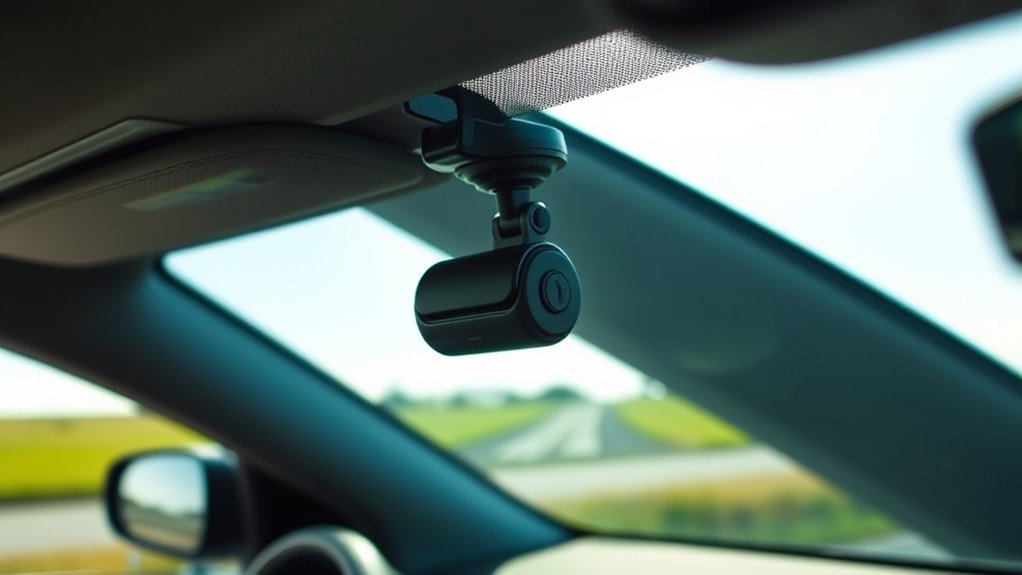
To guarantee compliance and safety, commercial and rideshare drivers should carefully consider how they mount their dash cams. Proper placement minimizes obstruction and ensures safety. Here are key practices:
- Mount the device behind the rearview mirror or low-profile areas to avoid blocking your view and stay within Iowa’s size limits, especially near the driver side.
- Avoid placing cameras in airbag deployment zones to prevent interference during crashes or egress.
- Confirm vehicle-specific policies on mounting height, wiring, and adhesive types from your employer or insurer for full compliance.
Additionally, ensure your audio recording practices follow Iowa’s one-party consent rule, and clearly notify passengers about recording. Proper mounting and recording practices protect both your license and passenger rights.
Tips for Staying Compliant With Iowa Laws
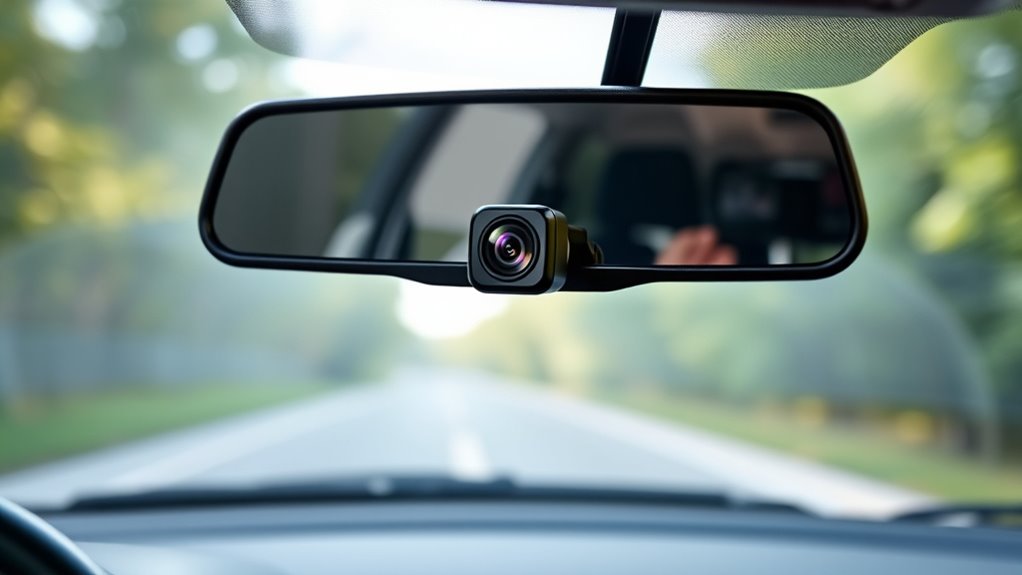
Ensuring your dash cam stays compliant with Iowa laws involves paying close attention to its placement, visibility, and how you handle audio recordings. Mount the device behind the rearview mirror or on the dashboard to avoid obstructing your view, and keep it out of the sweep of windshield wipers. Secure wiring properly to prevent distractions or interference with airbags and controls. Remember, Iowa law requires clear vision through the windshield; any device that obstructs this could lead to citations. For audio, since Iowa is a single-party consent state, only one participant’s permission is needed to record conversations. To reduce privacy concerns, consider disabling audio or notifying passengers. Always retain footage only as long as necessary and store it securely to protect privacy and prevent unauthorized access.
Frequently Asked Questions
Can I Record Audio in My Dash Cam Without Violating Iowa Law?
Yes, you can record audio with your dash cam in Iowa as long as you’re the one recording or involved in the conversation, since it’s a one-party consent state. Just make certain you’re aware of privacy considerations, especially with passengers or nearby conversations. To stay compliant, it’s best to inform others that they’re being recorded or turn off audio if you’re unsure about consent. This way, you avoid potential legal issues.
Are There Specific Size Restrictions for Dash Cams in Iowa?
You won’t find strict size limits for dash cams in Iowa, so you can choose a device that suits your needs. To stay compliant, mount it where it won’t block your view, like behind the rearview mirror or on the dashboard. Just avoid obstructing your line of sight or airbags. With no specific restrictions, you have flexibility, but always guarantee your dash cam remains unobtrusive and safe while driving.
Is It Legal to Record Passengers Inside My Vehicle?
Yes, it’s legal for you to record passengers inside your vehicle under Iowa’s one-party consent law. Since you’re the one-party, you can record audio without asking passengers for permission. However, it’s wise to inform passengers about recording through signage or verbal disclosure to reduce privacy concerns and disputes. Always guarantee your dash cam is mounted properly and avoid capturing private conversations unnecessarily to respect passenger privacy.
How Long Can I Legally Keep Dash-Cam Footage in Iowa?
You can legally keep dash cam footage in Iowa for 30 to 90 days unless it’s tied to an incident. If the footage relates to an investigation or legal case, you might need to retain it longer, sometimes indefinitely. Remember, encrypted storage and access controls are recommended to protect privacy. If you want to delete footage, make certain you follow proper procedures, especially for evidentiary videos, and document your actions.
Do I Need to Inform Passengers About Audio Recording?
Yes, you should inform passengers about audio recording. Iowa is a one-party consent state, but to reduce legal risks and privacy concerns, it’s best to clearly notify passengers at the start of the trip. You can do this with a visible sign, verbal disclosure, or both. This way, you guarantee transparency, obtain implied or explicit consent, and help avoid disputes or legal complications related to recording conversations.
Conclusion
Now that you know the basics of dash cam laws in Iowa, you’re better prepared to stay compliant. But remember, regulations can change, and what’s legal today might not be tomorrow. Imagine capturing that essential moment on the road—will your camera hold up to scrutiny? Stay informed, keep your footage secure, and always drive responsibly. The road ahead is full of surprises—are you ready to face them with confidence?
Halloween Picks
halloween
As an affiliate, we earn on qualifying purchases.