
TL;DR
Hyundai and Kia are recalling more than 500,000 vehicles worldwide because of a battery manufacturing defect that increases fire risk. The recall affects several electric and hybrid models and is the result of a defect identified in the battery cells.
Hyundai and Kia have issued a recall for over 500,000 vehicles worldwide due to a battery manufacturing defect that poses a fire risk. The recall affects several electric and hybrid models produced in recent years and is based on identified issues in the battery cells supplied by a third-party manufacturer. This development marks a significant safety concern for owners and highlights ongoing challenges in EV battery production.
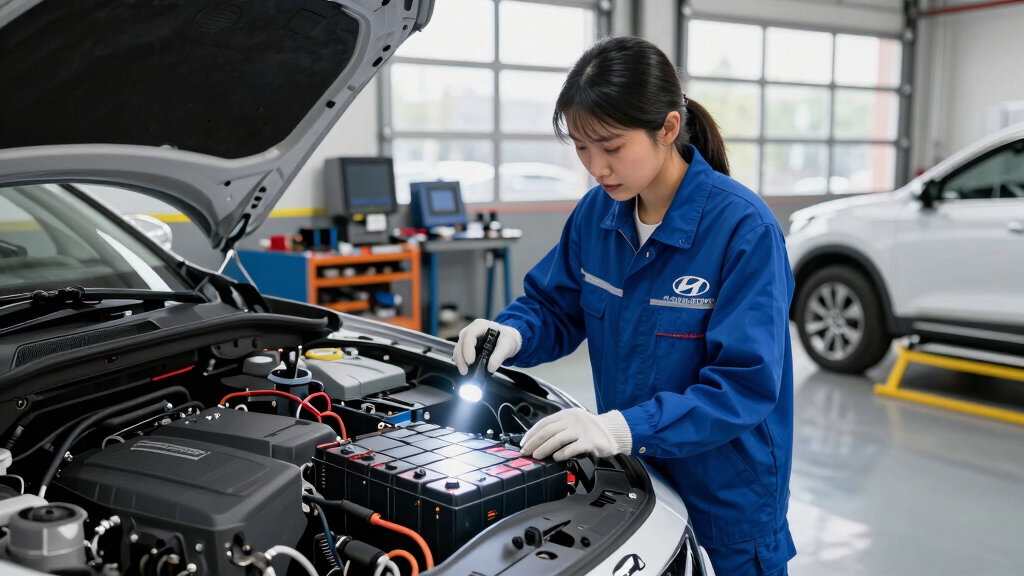
The recall covers approximately 300,000 Hyundai and 200,000 Kia vehicles globally, including popular models such as the Hyundai Kona Electric, Ioniq Electric, Kia Soul EV, and Kia Niro Hybrid. The defect was discovered during routine quality checks after reports of battery fires emerged in a small number of vehicles. Hyundai Motor Company stated that the issue is linked to a manufacturing defect in the lithium-ion battery cells supplied by a third-party vendor, which can cause internal short circuits and increase the risk of fire. Both companies have advised owners to stop driving affected vehicles immediately and to contact authorized service centers for free inspections and repairs. No injuries or fatalities have been reported so far, but the risk of fire has prompted swift action from the automakers.
Hyundai and Kia have initiated a recall process that involves replacing the affected batteries. The companies are working closely with regulators and the battery supplier to address the root cause and prevent future incidents. The recall is part of a broader effort to ensure safety and reliability in their expanding electric vehicle lineups, which have seen rapid growth over the past few years.
Why the Battery Recall Impacts EV Safety and Industry Confidence
This recall underscores the ongoing challenges automakers face in ensuring battery safety, a critical factor as electric vehicles become more prevalent. The issue raises questions about supply chain oversight and quality control in EV manufacturing. For consumers, it highlights the importance of staying informed about recalls and safety notices. The incident could influence future regulatory scrutiny and industry standards for battery production, impacting how automakers manage supply chain risks and quality assurance processes.

Sbulhia MRBF Terminal Fuse Block, 200A 58V DC 5/16"(M8) Single Stud Terminal Fuse Holder with Waterproof Cap, Compact Battery Fuse Kit for RV Boat Truck Construction Vehicles
Great Protection: The terminal fuse holder comes with a nylon insulating cover, which is not easily eroded by…
As an affiliate, we earn on qualifying purchases.
As an affiliate, we earn on qualifying purchases.
Battery Manufacturing Defects and Industry-Wide Recall Trends
The recall follows a series of recent EV battery safety issues, including earlier incidents involving other automakers. The defect was identified after several reports of battery fires in Hyundai Kona Electric and Kia Soul EV models, prompting investigations by Hyundai and Kia. These companies rely on third-party suppliers for battery cells, a common practice in the industry, but it increases complexity in quality control. The current recall is among the largest related to EV batteries in recent years and reflects the rapid expansion of electric vehicle production amid ongoing safety concerns.
“We are committed to ensuring the safety of our customers and are taking immediate action to address this issue through a comprehensive recall and repair process.”
— Hyundai Motor Company spokesperson

SafeAMP 12V 9.5Ah Battery for Ride-On Toys, Red 2-Pin
IMPORTANT: RED 2-PIN CONNECTOR REQUIRED – This battery ONLY works with the red 2-pin connector shown in the…
As an affiliate, we earn on qualifying purchases.
As an affiliate, we earn on qualifying purchases.
Extent of Long-term Safety and Supply Chain Oversight
It is not yet clear how widespread the defect might be in other models or future batches of batteries. The full impact on the automakers’ supply chains and the potential for similar issues in other brands remains under investigation. Regulatory agencies are reviewing the recall process, but detailed findings about the root cause and long-term safety implications are still emerging.

NOCO GENIUS10: 10A 6V/12V Smart Battery Charger – Automatic Maintainer, Trickle Charger & Desulfator with Overcharge Protection & Temperature Compensation – for Lead-Acid & Lithium Batteries
MEET THE GENIUS10 — Similar to our G7200, just better. It's 17% smaller and delivers over 115% more…
As an affiliate, we earn on qualifying purchases.
As an affiliate, we earn on qualifying purchases.
Upcoming Steps for Affected Owners and Industry Monitoring
Affected vehicle owners will be contacted directly by Hyundai and Kia for free battery inspections and replacements. The companies are expected to expand their communication efforts as more details become available. Regulators and safety agencies will monitor the recall’s progress and may implement stricter oversight of EV battery suppliers. Industry-wide, automakers are likely to review their supply chain and quality control protocols to prevent similar defects in future models.

Kidde Auto 10 Fire Extinguisher for Cars and Trucks, 10-B:C, M10G
Combats Vehicle Fires: Use to fight basic fires common to your cars & trucks: flammable liquids and gases…
As an affiliate, we earn on qualifying purchases.
As an affiliate, we earn on qualifying purchases.
Key Questions
Which Hyundai and Kia models are affected by the recall?
The recall includes Hyundai Kona Electric, Ioniq Electric, Kia Soul EV, and Kia Niro Hybrid, among others produced in recent years.
What should owners of affected vehicles do now?
Owners should stop driving affected vehicles immediately and contact authorized service centers for free inspection and battery replacement.
How does this defect increase fire risk?
The manufacturing defect in the lithium-ion battery cells can cause internal short circuits, which may lead to overheating and fires.
Are there any reported injuries or incidents so far?
There have been no confirmed injuries or fatalities related to this defect as of now, but the fire risk has prompted urgent recalls.
Will this affect future EV models from Hyundai and Kia?
The companies are reviewing their supply chain and manufacturing processes to prevent recurrence, which may influence future model safety standards.
Source: google-trends