TL;DR
Listen free for 30 days with Audible
Thousands of audiobooks and originals — cancel anytime.
As an affiliate, we earn on qualifying purchases.
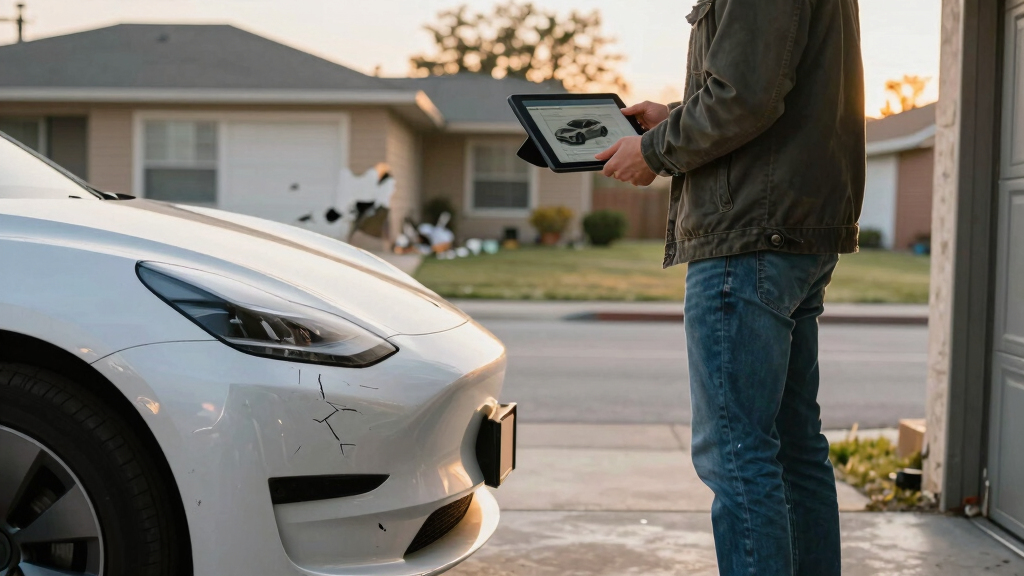
The National Highway Traffic Safety Administration (NHTSA) has opened a formal investigation into a Tesla crash in Texas that killed a woman. The incident involved a Tesla vehicle crashing into a residential property, prompting safety reviews. The investigation aims to determine if vehicle defects or driver-assist features contributed to the crash.
The National Highway Traffic Safety Administration (NHTSA) has launched a formal investigation into a Tesla crash in Texas that resulted in the death of a woman, marking a significant step in scrutinizing the safety of Tesla’s driver-assist technology following recent incidents.
The incident occurred on March 14, 2024, when a Tesla vehicle crashed into a residential home in Texas, leading to the death of a woman inside the house. The crash prompted immediate emergency response, and authorities confirmed the woman’s death at the scene. Tesla has not yet issued a detailed statement but has indicated cooperation with the ongoing investigation.
The NHTSA announced the investigation on March 15, 2024, stating that it will examine whether the vehicle’s autonomous or semi-autonomous driving features played a role in the crash. This marks the agency’s latest review of Tesla’s safety performance following several previous incidents involving Autopilot and Full Self-Driving (FSD) systems.
Impact of the Tesla Crash on Vehicle Safety Oversight
This investigation underscores ongoing concerns about the safety of Tesla’s driver-assist systems, especially in residential and urban environments. It could influence future regulatory actions, safety standards, and Tesla’s operational practices. The case also adds to the broader debate about autonomous vehicle technology and its real-world safety implications, affecting consumer trust and industry regulation.

How Do I Do That in My Tesla?: The Quickest Ways to Do the Things You Want to Do, Right Now!
As an affiliate, we earn on qualifying purchases.
As an affiliate, we earn on qualifying purchases.
Previous Incidents and Regulatory Scrutiny of Tesla’s Autopilot
Over the past few years, Tesla has faced multiple investigations and recalls related to its Autopilot and Full Self-Driving features. The NHTSA has previously opened probes into crashes involving Tesla vehicles, some resulting in fatalities or injuries, raising questions about the safety and reliability of these systems. The recent Texas incident is the latest in a series of events prompting regulatory review.
In 2021, the NHTSA issued a recall of Tesla vehicles over concerns about their automatic emergency braking systems, and in 2022, several crashes involving Tesla’s Autopilot came under scrutiny. While Tesla maintains that its driver-assist features are designed to enhance safety, critics argue that the technology can give drivers a false sense of security, leading to risky behavior.
“The agency is committed to thoroughly investigating this incident to determine if vehicle safety systems contributed to the crash.”
— NHTSA spokesperson

Tesla FSD 13.2.1: A Sneak Peek into the Future of Self-Driving, Featuring 26 New Innovations (AI, Gadget and Space Science Tech Updates)
As an affiliate, we earn on qualifying purchases.
As an affiliate, we earn on qualifying purchases.
Unanswered Questions About Vehicle Autonomy and Crash Details
It is not yet clear whether the Tesla was operating on Autopilot or FSD at the time of the crash, or if driver error was involved. Details about the vehicle’s speed, driver engagement, and the specific circumstances leading to the crash remain under investigation. The exact cause of the crash and whether any vehicle defect contributed are still unknown.

AUTODECO Car Roadside Emergency Kit, Portable Car Safety Kit Car Kits for Emergency, Black
- Portable & Compact Design: Fits in organizer bag for easy storage
- Fully Equipped for Emergencies: Includes essential tools and supplies
- Multi-Purpose Use: Suitable for winter, commuting, and trips
As an affiliate, we earn on qualifying purchases.
As an affiliate, we earn on qualifying purchases.
Next Steps in the Investigation and Regulatory Response
The NHTSA will conduct a detailed review of the vehicle’s data, including black box information, and assess whether safety recalls or regulatory actions are warranted. Tesla is expected to provide additional information as the investigation progresses. The agency may also consider issuing safety recommendations or new regulations based on the findings.
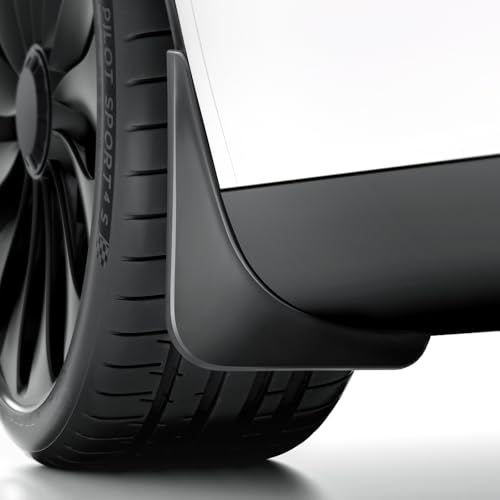
REEVAA Tesla Model Y 2019–2024 Mud Flaps Accessories, Set of 4
- Stylish Protection for Tesla Model Y: Sleek design with seamless integration
- Enhanced Splash Protection: Provides 3X military-grade mud guard
- Durable OEM-Grade Materials: Made with high-impact, temperature-resistant TPE and PP
As an affiliate, we earn on qualifying purchases.
As an affiliate, we earn on qualifying purchases.
Key Questions
Was the Tesla vehicle operating on Autopilot during the crash?
It has not yet been confirmed whether the vehicle was using Autopilot or FSD at the time of the crash. The investigation is examining this detail.
Has Tesla made any official statement about the incident?
Tesla has stated they are cooperating fully with authorities but has not provided specific details about the vehicle or the circumstances of the crash.
What are the potential safety implications of this investigation?
If the investigation finds safety issues with Tesla’s driver-assist systems, it could lead to recalls, stricter regulations, or modifications to the technology to improve safety.
Will this impact Tesla’s autonomous vehicle development?
The investigation could influence Tesla’s approach to autonomous driving features and regulatory approval processes, potentially leading to increased oversight or delays.
Source: google-trends
College move-in / dorm season Picks
dorm essentials
As an affiliate, we earn on qualifying purchases.