
EVAP codes often confuse drivers because their causes can be subtle, like a loose gas cap or tiny, hard-to-see hose cracks. Your vehicle’s ECU performs pressure and leak tests, but minor issues or worn seals can trigger warning lights without obvious damage. Many overlook simple fixes, leading to unnecessary repairs. By understanding how the system works and common pitfalls, you can better identify real problems—more details will help you prevent misdiagnosis and costly repairs.
Key Takeaways
- Many EVAP codes are triggered by simple issues like loose or faulty gas caps, often overlooked.
- Small leaks from cracked hoses or fittings are difficult to detect visually but common causes of EVAP codes.
- Faulty purge or vent valves can cause ambiguous codes, complicating diagnosis and repairs.
- Intermittent leaks and electrical glitches may mimic EVAP system faults, leading to misdiagnosis.
- Proper diagnosis requires specialized tools like smoke machines and careful inspection beyond code reading.

AutoLine Pro HyperSmoke™ Automotive Smoke Machine EVAP Vacuum Leak Tester – Adjustable Pressure – OEM Approved Smoke Fluid – Built-in Air Compressor Motor – Includes Cone and Gas Cap EVAP Adapter.
HyperSmoke Technology – Creates Thick Visible Smoke for Easy Leak Testing. Adjustable Pressure. Infinite Smoke. Instant Warmup. Built-In…
As an affiliate, we earn on qualifying purchases.
As an affiliate, we earn on qualifying purchases.
Understanding the Basics of the EVAP System
Have you ever wondered how your vehicle minimizes fuel vapors escaping into the atmosphere? The EVAP system captures these vapors from your fuel tank, preventing pollution. It uses a charcoal canister to store hydrocarbons temporarily until they can be burned in the engine. The system includes a purge valve controlled by the PCM, which opens to draw vapors into the intake manifold. A vent valve allows fresh air in during purge and seals the system during leak tests. The FTP sensor measures system pressure, helping detect leaks. When you refuel, excess vapors and air flow through a vent path into the canister. During normal operation, the system cycles vapors efficiently, reducing emissions and keeping your vehicle compliant with environmental standards. Modern EVAP systems are integrated with European cloud solutions to monitor and optimize emissions data for regulatory compliance. Additionally, system diagnostics help identify leaks or malfunctions that could compromise performance or emissions.

Waekon (FPT2600E Fuel Cap Pressure Test System
Hand Held for portability
As an affiliate, we earn on qualifying purchases.
As an affiliate, we earn on qualifying purchases.
Common Causes Behind EVAP Diagnostic Trouble Codes
Many EVAP diagnostic trouble codes stem from simple, easily overlooked issues like a loose or damaged fuel cap. A loose cap often triggers codes like P0440 or P0455 by allowing vapor to escape during tests. Damaged seals or incorrect caps can cause small leaks, resulting in codes like P0442. Missing caps vent the tank pressure, which may temporarily clear after driving. Cracked, brittle, or disconnected hoses and fittings also lead to leaks that set off EVAP codes, especially if hoses become brittle or are improperly repaired. Faulty purge valves or lines can stick, crack, or become blocked, disrupting proper vapor flow and triggering codes. Vent valve or canister issues—like sticking open or closed—can cause large or small leaks, further complicating diagnosis. Understanding the specific causes helps in accurately diagnosing and repairing the EVAP system. Additionally, proper maintenance of these components prevents many common issues that lead to trouble codes. Regular inspection and timely replacement of worn parts can prevent EVAP leaks and ensure the system functions correctly. Maintaining the integrity of the system’s vacuum seals is crucial, since even minor leaks can cause false trouble codes. Paying attention to system components and their condition can significantly improve diagnostic accuracy.

Solary Automotive Smoke Machine Leak Detector – 12V DC EVAP Vacuum Diagnostic Tester for Pipe System
Built-in Air Pump: smoke machine features a built-in air pump, eliminating the need for an external air source,…
As an affiliate, we earn on qualifying purchases.
As an affiliate, we earn on qualifying purchases.
How the Vehicle’s ECU Monitors for Leaks and Faults
The vehicle’s ECU actively monitors the EVAP system by performing a series of pressure and leak tests during specific conditions, ensuring vapor containment and system integrity. It uses an internal timer, counting down five hours with the key off before starting tests, and compares it to the engine’s clock during operation. Before testing, it checks engine temperature against specifications and stores fault conditions in freeze frame data. The ECU measures system pressure with the canister vent open, establishing a reference vacuum, then seals the system to compare pressure levels. It employs various leak detection methods, including vacuum-based pumps, electrical signal feedback, and natural vacuum tests. These procedures, combined with drive cycle requirements, enable the ECU to identify leaks or faults accurately and trigger the corresponding diagnostic trouble codes. Advanced sensors and diagnostic algorithms further enhance the ECU’s ability to detect even minor leaks, ensuring compliance with emissions standards and maintaining vehicle performance. Additionally, the ECU’s ability to interpret diagnostic trouble codes helps technicians quickly identify and address issues, reducing diagnostic time and ensuring proper repairs.

THIKPO Smoke Machine Automotive with Built-in Air Compressor, Professional Smoke Leak Detector for Car, Diagnostic Leak Tester Tools for EVAP, Vacuum, Fuel and More Leak Testing
【Comprehensively Detecting Various Types of Leaks】This smoke machine leak detector can produce columnar smoke at the point of…
As an affiliate, we earn on qualifying purchases.
As an affiliate, we earn on qualifying purchases.
Diagnosing and Repairing EVAP-Related Issues Effectively
Once the vehicle’s ECU detects an EVAP leak or fault, accurate diagnosis and effective repairs become the next steps to restore system integrity. Start with a visual inspection of the fuel cap, hoses, connectors, and canister for damage or looseness. Use tools like smoke machines, vacuum/pressure decay testers, or helium tracer gas to pinpoint leaks. Confirm cap sealing with a cap-tester, as many small leaks stem from a faulty cap. When testing, isolate EVAP sections to localize the leak. Replace or bench-test suspected components such as purge or vent valves if active tests show non-response. Confirm repairs by rerunning diagnostics and ensuring no pressure decay, smoke escape, or new DTCs. Proper tools and methodical steps ensure accurate diagnosis and lasting fixes. Employing smart‑home integrations can also assist in monitoring and alerting you to EVAP system issues remotely. Additionally, understanding the diagnostic procedures helps technicians interpret sensor data more effectively, leading to more accurate repairs. Being familiar with appliance maintenance plans can help ensure that vehicle systems are kept in optimal condition, preventing issues before they arise. Incorporating training and proper technique into the diagnostic process can further improve the accuracy and reliability of repairs.
Why EVAP Codes Are Often Misinterpreted and Overlooked
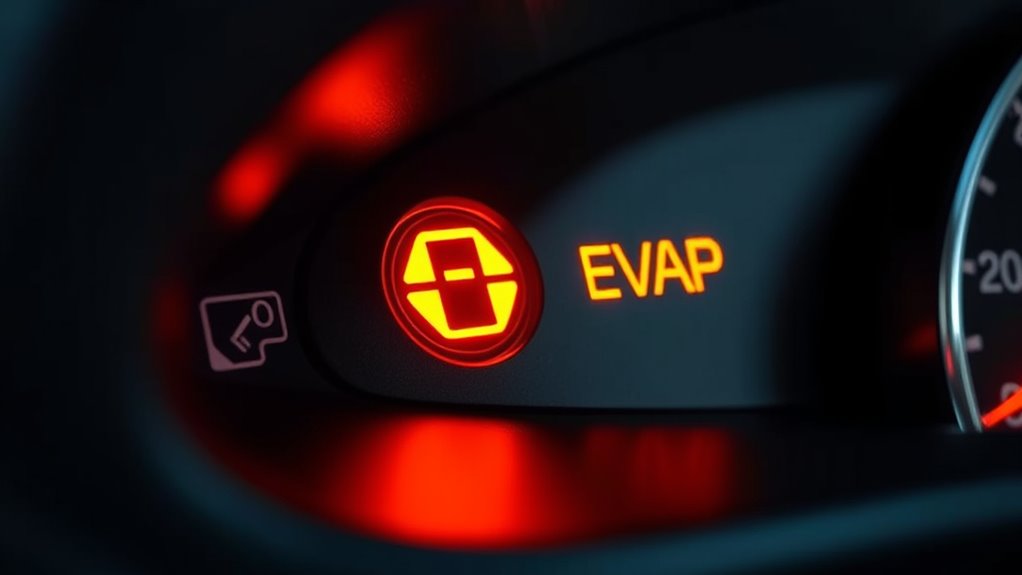
EVAP codes are frequently misinterpreted or overlooked because their causes are often simple, but the tests needed to confirm them are complex. For example, a loose gas cap is a common cause, yet many dismiss it without verification, leading to unnecessary repairs. Tiny cracks in hoses or seals can trigger diagnostic thresholds that are hard to see visually. Faulty purge or vent solenoids and charcoal canisters can produce similar codes, creating diagnostic ambiguity. Intermittent faults depend on conditions like temperature or fuel level, often missed during static inspections. Electrical issues or software glitches can mimic leaks, prompting unnecessary part replacements. The table below highlights how different causes require distinct testing approaches:
| Cause | Diagnostic Challenge | Typical Remedy |
|---|---|---|
| Gas cap issues | Simple visual check, not always done | Tighten or replace cap |
| Small hose cracks | Difficult to see, needs pressure test | Hose replacement |
| Faulty solenoids | Requires live system testing | Solenoid repair/replacement |
| Intermittent faults | Depend on specific conditions | Reproduce under test conditions |
| Electrical faults | Need electrical diagnostics | Wiring repair or software update |
Additionally, understanding the evaporative system’s operation and utilizing proper diagnostic tools can significantly improve accuracy and reduce unnecessary part replacements.
Frequently Asked Questions
Can EVAP Codes Cause Drivability Issues or Only Trigger a Check Engine Light?
EVAP codes can definitely cause drivability issues, not just trigger a check engine light. When the EVAP system malfunctions, it can lead to rough idling, hard starting, engine stalling, and hesitation during acceleration. These problems happen because the system can’t manage fuel vapors properly, disrupting the air-fuel mixture. Ignoring EVAP codes can worsen drivability and cause long-term damage, so addressing them promptly improves your vehicle’s performance and emissions.
How Long Does It Typically Take to Complete an EVAP System Repair?
You can typically complete an EVAP system repair in about 30 minutes to a few hours, depending on the issue. For example, replacing a faulty gas cap takes just 5 minutes, while a smoke test for leaks might take an hour. If you need to replace hoses or the purge valve, expect around 10-20 minutes. Remember, a full drive cycle afterward guarantees the codes reset properly.
Are EVAP Leaks More Common in Certain Vehicle Makes or Models?
You’ll find EVAP leaks more common in older Japanese compact cars like Toyota Corollas and Honda Civics, especially due to aging hoses and gas caps. Hybrids such as Prius and Insight also see more issues because of their unique pressure management. Full-size trucks and SUVs, particularly from Ram or Chrysler, tend to develop small leaks from hoses or gas caps. Regular wear and environmental factors make these models more prone to EVAP trouble.
What Are the Risks of Ignoring an EVAP Code Over Time?
Ignoring an EVAP code over time can lead to serious consequences. You risk increased emissions, which may cause your vehicle to fail inspections and result in legal penalties. Small leaks can worsen, damaging components like the purge valve or charcoal canister, leading to costly repairs. You also face reduced fuel economy, drivability issues, and potential safety hazards from fuel vapors. Ultimately, neglecting the code escalates repair costs and harms the environment.
How Accurate Are Smoke Tests in Locating Tiny or Hidden Leaks?
You can trust smoke tests to be highly accurate, especially for tiny or hidden leaks. They produce a visual trail of smoke that reveals even the most subtle cracks or leaks you might miss otherwise. With advanced technology, like dual modes and precise pressure control, smoke tests detect leaks 99 out of 100 times. This makes them reliable tools for pinpointing small leaks that could cause bigger problems if left unresolved.
Conclusion
Think of the EVAP system as your car’s silent guardian, quietly working behind the scenes. When EVAP codes pop up, it’s like a whisper in a busy room—easily misunderstood or ignored. But with understanding and attention, you can tune into its signals, clearing the way for smooth driving. Embrace the knowledge, listen closely, and let your vehicle’s silent guardian do its job—keeping your journey safe and trouble-free.