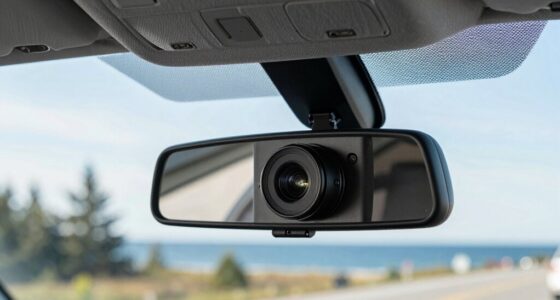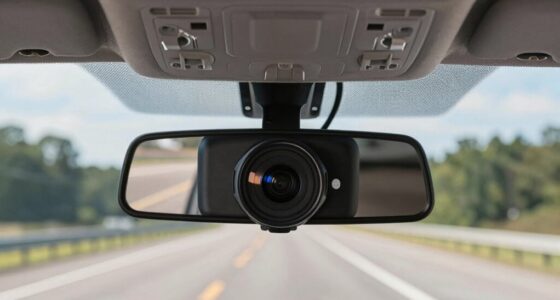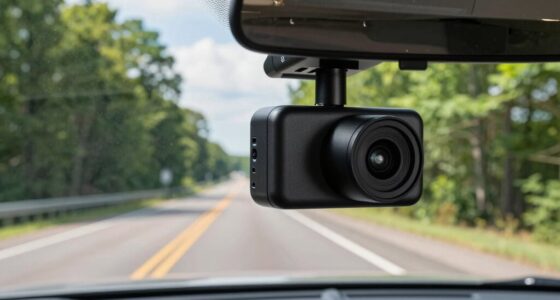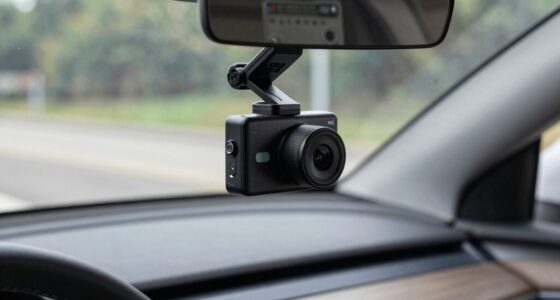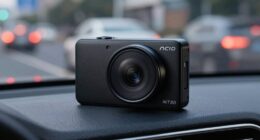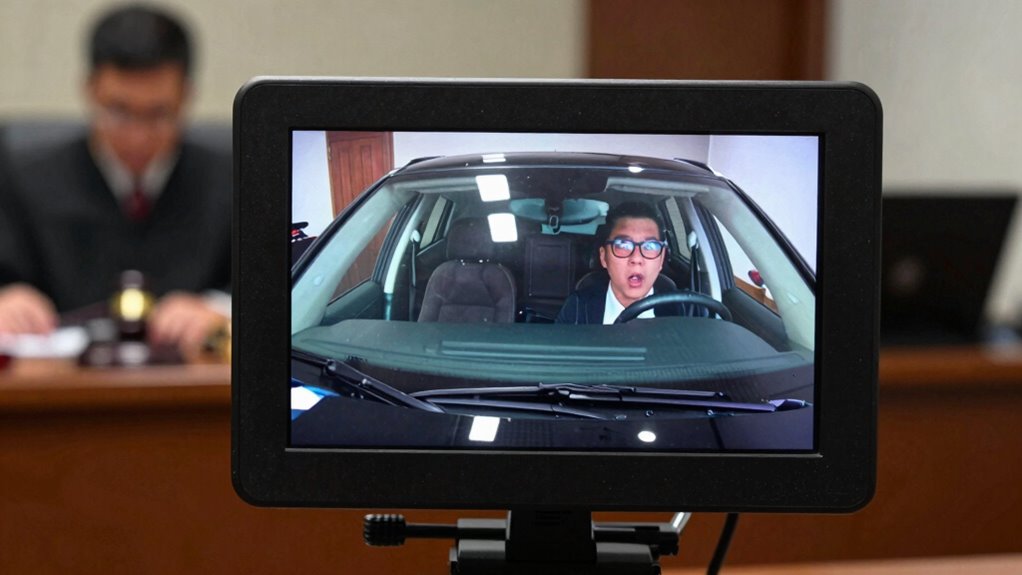

Dash cam footage can strengthen your case when it’s clear, properly recorded, and unaltered, showing exact incident details and supporting your testimony. However, it can backfire if the camera’s footage is blurry, mispositioned, or manipulated, leading to misunderstandings or legal challenges. Privacy concerns and strict legal procedures also affect its admissibility. To guarantee it works in your favor, understanding how to properly use and present dash cam evidence is key—discover more to safeguard your case.
Key Takeaways
- Clear, unaltered dash cam footage with proper calibration strengthens its credibility as objective evidence in court.
- Poor camera positioning or low-quality recordings can mislead or weaken a case by obscuring critical details.
- Tampered or manipulated footage risks legal rejection and can undermine the case’s integrity.
- Following legal privacy and data handling procedures ensures dash cam evidence remains admissible.
- Proper documentation, chain of custody, and forensic verification enhance the footage’s reliability and court acceptance.

1080P Dual Dash Camera for Car Front and Inside Dashcam Car Security Video Recorder,170°Wide Angle Vehicle Cam,WDR,G-Sensor,2’’ IPS Screen,Loop Recording,Night Vision (Dual Dash Cam Without Card)
【1080P Front and Inside Dash Cam 】Super Clear 1920*1080P pictures can be provided by the small cam. The…
As an affiliate, we earn on qualifying purchases.
As an affiliate, we earn on qualifying purchases.
When Dash Cam Footage Strengthens Your Case
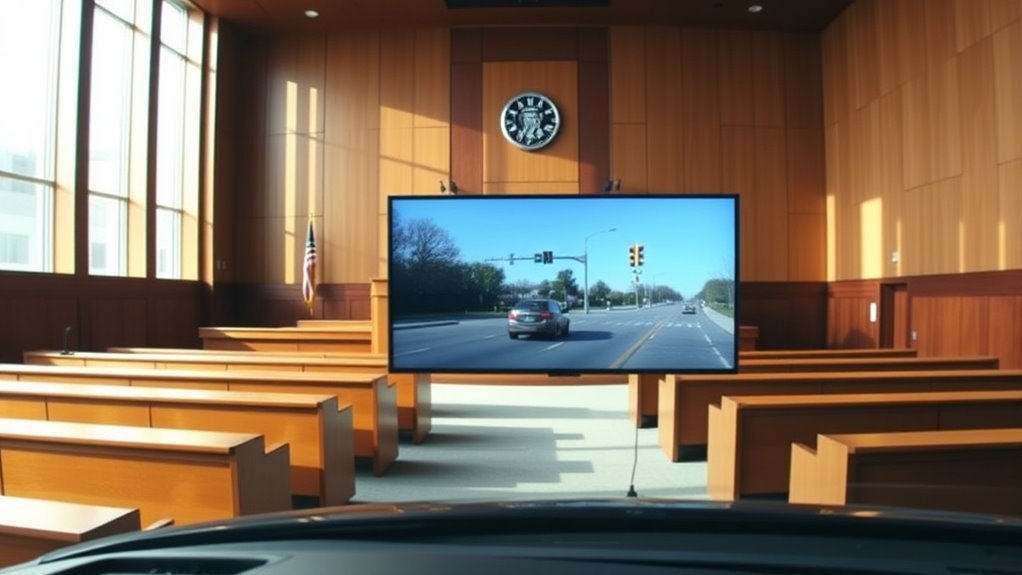
When dash cam footage clearly shows what happened during a collision, it can be a powerful tool to strengthen your case. The key is having a camera angle that captures the incident clearly, providing an objective view of events. Well-positioned cameras that face the road and surrounding traffic ensure footage authenticity, making it more credible in court. Clear, unobstructed angles help establish who was at fault and prevent misunderstandings. If your footage accurately depicts the scene without edits or distortions, it’s more likely to be trusted by judges and juries. Remember, the authenticity of the footage is vital; unaltered, high-quality recordings serve as solid evidence that can decisively support your version of events. Proper camera angles and authentic footage can greatly influence the outcome in your favor. Additionally, ensuring your dash cam uses high-resolution recording can make the difference between clear evidence and blurry, unusable footage. Using tamper-proof cameras that prevent footage alteration adds an extra layer of reliability to your evidence. Maintaining the integrity of the footage is essential for its acceptance in legal proceedings. Choosing cameras with reliable storage options helps prevent data loss and maintains the evidentiary value of your recordings. Additionally, understanding the legal requirements for dash cam footage can help ensure your evidence is admissible in court.
TERUNSOUl 4K+4K Dash Cam Front and Rear, Free 128GB Card Included, 5.8GHz WiFi Dash Camera for Cars, Built-in GPS, G-Sensor, 170°Wide Angle, 3" IPS Screen, 24H Parking Mode, Support 512GB Max
Ultra HD 4K Front + 4K Rear Recording: The Terunsoul dash cam supports dual-channel simultaneous recording, capturing both…
As an affiliate, we earn on qualifying purchases.
As an affiliate, we earn on qualifying purchases.
Situations Where Footage Can Be Misleading

While dash cam footage can be a powerful tool in your favor, there are situations where it can be misleading or even work against you. Camera angles play a vital role; a poorly positioned camera might obscure important details or distort perspectives, making events appear different from reality. Additionally, footage manipulation—whether intentional or accidental—can create false impressions. For example, someone might edit or splice clips to change the context of a scene or adjust the speed to exaggerate actions. Such alterations can deceive court officials and undermine your case. Always be aware that footage isn’t infallible; its reliability depends on transparency, proper positioning, and unaltered content. Recognizing these pitfalls and understanding video authenticity helps you better understand when dash cam footage might mislead rather than clarify. Furthermore, understanding the natural limitations of recording devices can help you anticipate potential discrepancies in the footage. These technical vulnerabilities highlight the importance of verifying the integrity of recorded evidence before relying on it in legal proceedings. For example, knowing that digital forensics can uncover tampering attempts is crucial in assessing footage credibility.
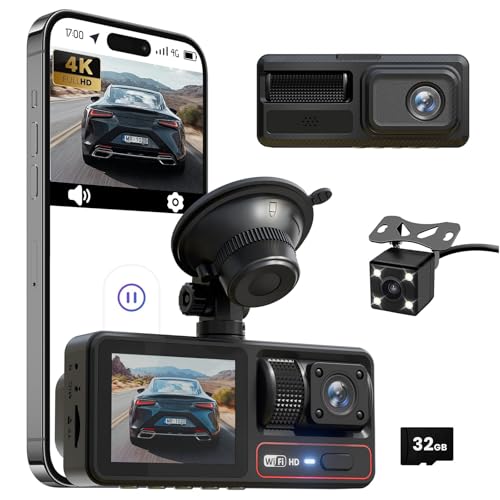
3 Channel Dash Camera for Cars,Triple Lens 4K+1080P+1080P Dash Cam Front Rear Inside,Built-in 5G WiFi & App, Night Vision,24H Parking Mode,Loop Recording,170° Wide Angle,32GB Card Included(Black)
【Triple-Lens Dash Cam with 4K Front & Dual 1080P Recording】This advanced dash camera for cars features three lenses,…
As an affiliate, we earn on qualifying purchases.
As an affiliate, we earn on qualifying purchases.
Common Pitfalls: When Dash Cam Hinders Your Defense
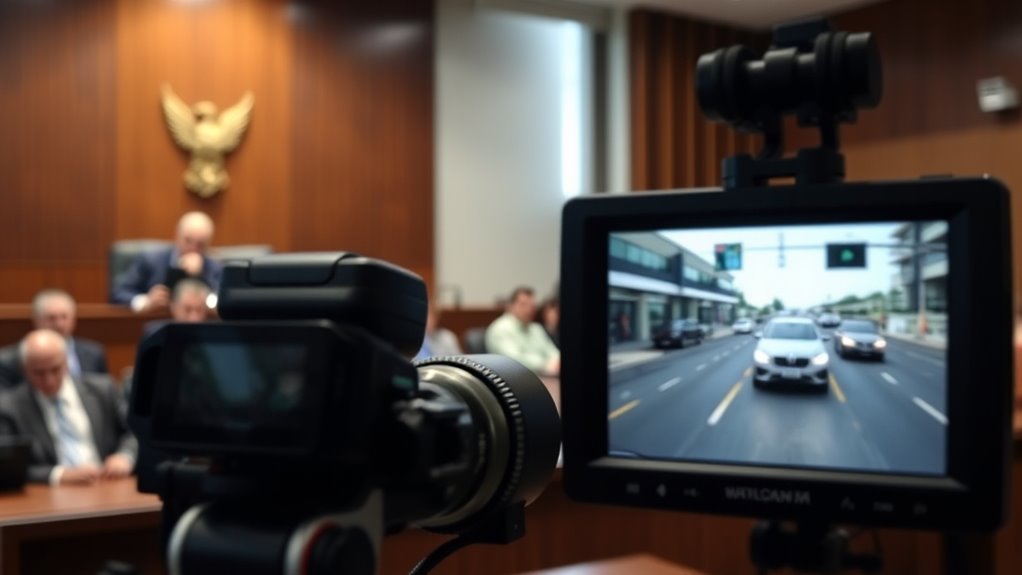
Dash cam footage can sometimes backfire and hinder your defense instead of helping it. If the camera isn’t properly calibrated, the footage may be misleading or inaccurate, casting doubt on your version of events. Miscalibrated footage can be challenged in court, making your case weaker. Additionally, if your dash cam records areas beyond your vehicle’s interior or public spaces without proper consent, it risks privacy violations. Such breaches can lead to legal complications and undermine your credibility. Relying solely on dash cam footage without considering these pitfalls can damage your defense. Always make sure your dash cam is correctly calibrated and aware of privacy boundaries to avoid unnecessary complications that could turn evidence against you. Proper equipment setup and understanding of legal boundaries are essential for reliable evidence. Being aware of privacy considerations can help you prevent potential violations that compromise your case. Regularly reviewing your footage and understanding relevant privacy laws can further protect you from unintended legal issues. Moreover, understanding the security zone info related to surveillance and privacy can help you ensure compliance with applicable regulations. Additionally, maintaining accurate calibration of your dash cam ensures the footage remains credible and admissible in court.
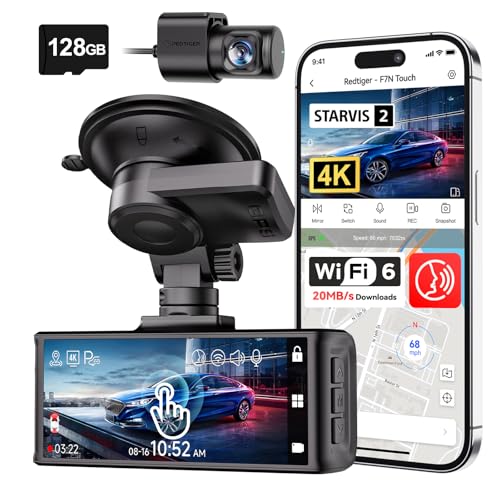
REDTIGER 4K STARVIS 2 Dash Cam Front and Rear, 5GHz WiFi 20MB/s Download, 128GB Card Included, Voice Control, Dash Camera for Cars with 3.18" Touch Screen, GPS, Loop Recording, Parking Mode(F7N Touch)
[4K+1080P Dual Recording] REDTIGER F7N TOUCH captures your drive journey in stunning 4K UHD resolution with STARVIS 2…
As an affiliate, we earn on qualifying purchases.
As an affiliate, we earn on qualifying purchases.
Legal Considerations and Privacy Issues

Properly calibrated dash cam footage can be a valuable asset in court, but legal considerations and privacy issues often complicate its use. Surveillance laws and consent requirements shape how you can record and share footage. To navigate these challenges, keep in mind:
- You must comply with surveillance laws that restrict recording in private spaces or without notice.
- You need to obtain consent if recording individuals where privacy expectations exist.
- You should understand the rules around storing and sharing footage, ensuring you’re not infringing on privacy rights.
- Jurisdiction-specific regulations can help prevent legal complications and ensure your footage is admissible.
- Being aware of privacy laws can help you avoid unintentional violations that might undermine your case.
- Familiarity with recording restrictions can help you determine when dash cam footage is legally permissible to use in court.
- Understanding local regulations about data retention and dissemination can further protect you from legal repercussions.
Failing to follow these legal boundaries can lead to footage being inadmissible or even legal penalties. Always stay informed about local laws and obtain necessary permissions to avoid jeopardizing your case or violating privacy standards.
Tips for Using Dash Cam Footage Effectively in Court
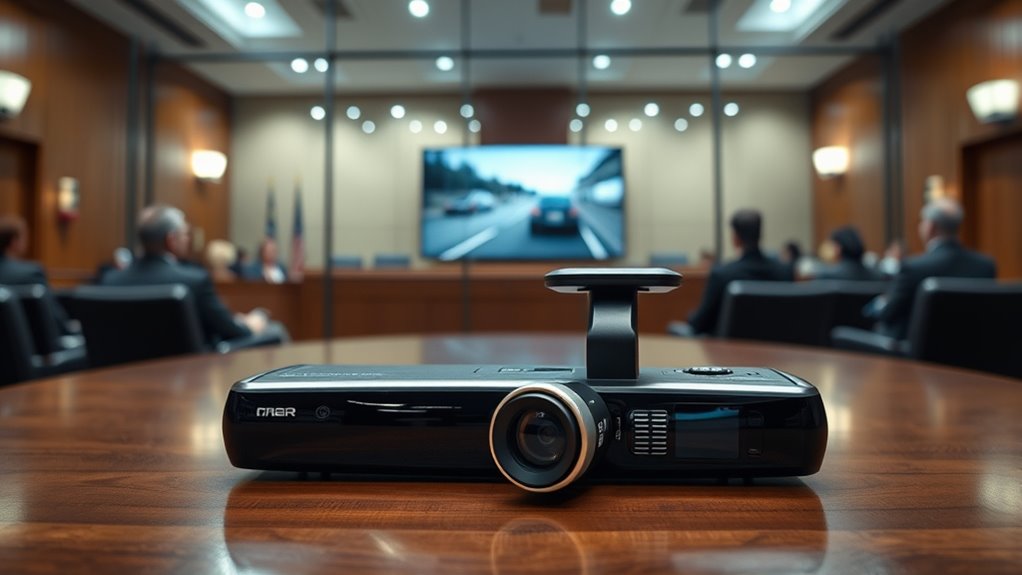
To use dash cam footage effectively in court, you need to make certain it is clear, relevant, and properly documented. First, ensure your dash cam follows dash cam ethics by avoiding manipulation or editing that could question its footage authenticity. Keep the original recordings intact and maintain a chain of custody to demonstrate the footage hasn’t been altered. Be prepared to explain how the footage was recorded, including date, time, and location details. Clearly identify the relevant segment and avoid unnecessary footage that might cast doubt on its credibility. Present the footage confidently, emphasizing its authenticity and relevance to the case. Properly handling dash cam recordings helps establish their reliability and strengthens your position in court. Additionally, understanding safe installation practices can prevent technical issues that might compromise the footage’s integrity. Regularly testing your equipment and understanding its technical specifications ensures consistent performance and trustworthy recordings. Familiarity with video file formats can also facilitate proper playback and presentation in court proceedings. Being aware of common technical issues and how to troubleshoot them can further safeguard the quality of your footage during legal proceedings. Moreover, maintaining detailed documentation procedures can support your case by providing clear proof of the footage’s origin and chain of custody.
Frequently Asked Questions
Can Dash Cam Footage Be Used as Evidence in All Jurisdictions?
You should know that dash cam footage isn’t universally accepted as legal evidence because of jurisdictional variances. The admissibility of this footage depends on local laws and how courts view its authenticity. In some jurisdictions, it’s easily admitted, while others require strict proof of chain of custody. Always check your specific jurisdiction’s rules to determine if dash cam footage can be used effectively in court.
How Long Is Dash Cam Footage Typically Stored Before Deletion?
Typically, your dash cam footage is stored for a period ranging from 30 to 90 days, depending on the device’s storage capacity and your vehicle’s settings. Most storage duration is governed by deletion policies that automatically overwrite old footage once the memory is full. To preserve important clips, you should back up footage before it gets deleted, especially if it might be needed for legal or insurance purposes.
Are There Specific Legal Requirements for Dash Cam Installation?
You need to follow specific legal requirements for dash cam installation, including adhering to storage regulations and installation standards. Make certain your device is securely mounted and doesn’t obstruct your view. Check local laws, as some areas require warning labels or specific mounting positions. Proper installation not only complies with regulations but also ensures your footage is reliable if needed in court or for insurance claims.
What Are Common Technical Issues With Dash Cam Footage in Court?
You might face issues with dash cam footage in court, like poor video quality that makes details unclear, similar to a case where blurry images failed to prove fault. Storage limitations can cut off vital footage if the device overwrites files automatically. These technical issues can weaken your case, so make certain your dash cam has good video quality and sufficient storage, and regularly back up important footage.
How Can I Verify the Authenticity of Dash Cam Footage Presented in Court?
You can authenticate the authenticity of dash cam footage by consulting a video forensics expert who can analyze the footage for signs of tampering or editing. They examine metadata, timestamps, and file integrity to confirm footage authenticity. Additionally, compare the footage with other evidence, such as police reports or eyewitness accounts, to ensure it matches the incident details. This thorough verification helps establish the footage’s credibility in court.
Conclusion
In court, dash cam footage can be a powerful proof or a perplexing problem. By understanding when it works for you and when it backfires, you can better bolster your defense. Be mindful of misleading moments, legal limits, and privacy pitfalls. Prepare properly, present precisely, and protect yourself proactively. With careful consideration and clever tactics, your dash cam data can drive your defense toward a decisive, successful conclusion. Drive wisely, defend confidently!