In Louisiana, you can legally use dash cams, but you must mount them properly to avoid obstructing your view while driving. Audio recordings are allowed with one-party consent, meaning your permission covers in-vehicle recording. Be mindful of privacy laws when recording conversations or private properties. If you’d like to know more about proper mounting techniques, legal requirements, and how to guarantee your footage is admissible, there’s more you should consider.

Get business pricing on garage and car supplies
- Business-only prices and quantity discounts
- Tax-exempt purchasing
- Multiple users, one account, clear invoices
Key Takeaways
- Dash cams are legally permitted for civilian use in Louisiana, with mounting on the windshield allowed if visibility isn’t obstructed.
- Audio recording is legal under Louisiana’s one-party consent law, requiring driver consent for in-vehicle recordings.
- Proper mounting should ensure clear visibility, avoid distractions, and prevent obstruction of the driver’s view.
- Recordings, including audio, are admissible in court if they are authentic, unaltered, and properly stored.
- Law enforcement dash cams must automatically activate during emergency signals and follow specific storage and review protocols.
Legal Status and Usage of Dash Cams in Louisiana
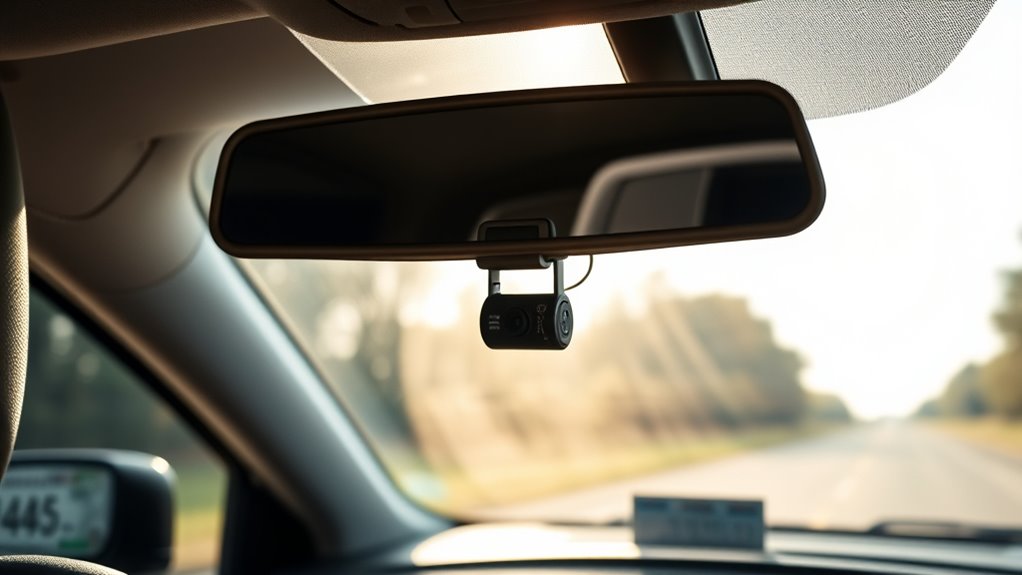
In Louisiana, dash cams are permitted for civilian use without an explicit ban, and they are generally accepted in court cases despite lacking specific legal status. You can mount a dash cam on your windshield as long as it doesn’t obstruct your clear view, according to RS 32:361.1. Law enforcement vehicles are required to have automatic recording dash cams since January 1, 2022, per RS 40:2552. Commercial vehicles can qualify for insurance premium reductions starting in 2025 under RS 22:1482.2, provided they meet telematics and installation proof requirements. While Louisiana law doesn’t impose strict restrictions, using a dash cam for recording audio is legal if you’re the one-party consent. Overall, dash cams are a useful, accepted tool for documenting incidents and supporting legal or insurance claims. Louisiana’s audio recording laws also support the legality of dashcam audio recordings when one party consents, making such footage fully admissible in court. Additionally, understanding privacy considerations can help ensure compliance with state and federal laws when using dash cams. Being aware of dash cam mounting guidelines can help prevent unintentional violations of privacy or safety regulations, especially when considering camera placement to avoid privacy infringements. Proper knowledge of privacy laws can further assist in avoiding potential legal issues related to recording in sensitive areas. It’s also important to stay informed about local regulations that might affect your dash cam usage in specific municipalities or jurisdictions.
Proper Mounting Practices for Safety and Compliance
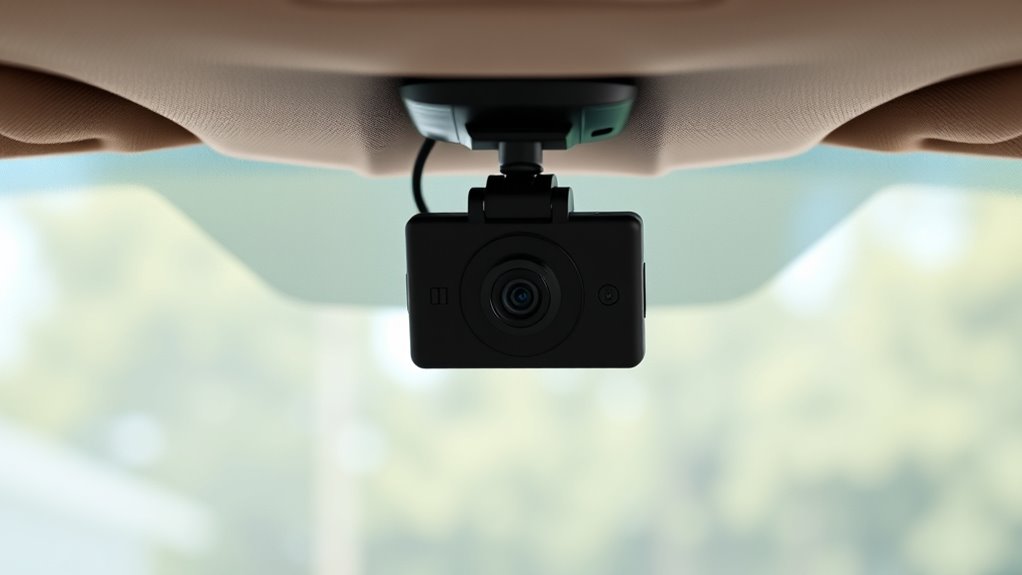
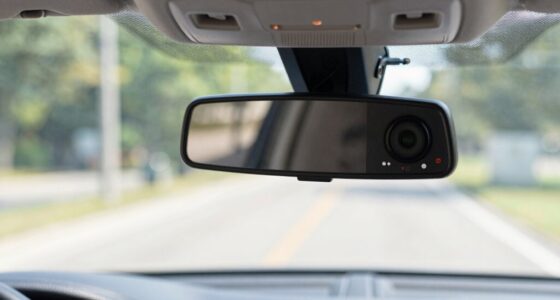
To guarantee your dash cam complies with safety standards and Louisiana regulations, you should mount it in a way that preserves your visibility and minimizes distractions. Proper placement ensures clear sightlines and reduces the risk of obstruction during driving. Dash cams are legal in all 50 states if used properly, and proper mounting is crucial to avoid violating privacy laws or obstructing views. Additionally, consider local automation guidelines related to device placement to stay fully compliant. Ensuring that your setup does not interfere with your field of view is essential for safe driving and legal compliance. Secure the device with vibration-damping mounts and route cables out of the way, preventing distractions or glare that could impair your vision. Using appropriate body jewelry measurements and materials can help secure your dash cam firmly and prevent vibrations that might blur footage or cause distractions. Understanding mounting techniques can help prevent vibrations or movement that might blur footage or cause distractions. Properly installed, the dash cam’s positioning can also help avoid unintentional recording of private conversations or property, ensuring you stay within privacy laws.
Audio Recording Regulations and Consent Requirements
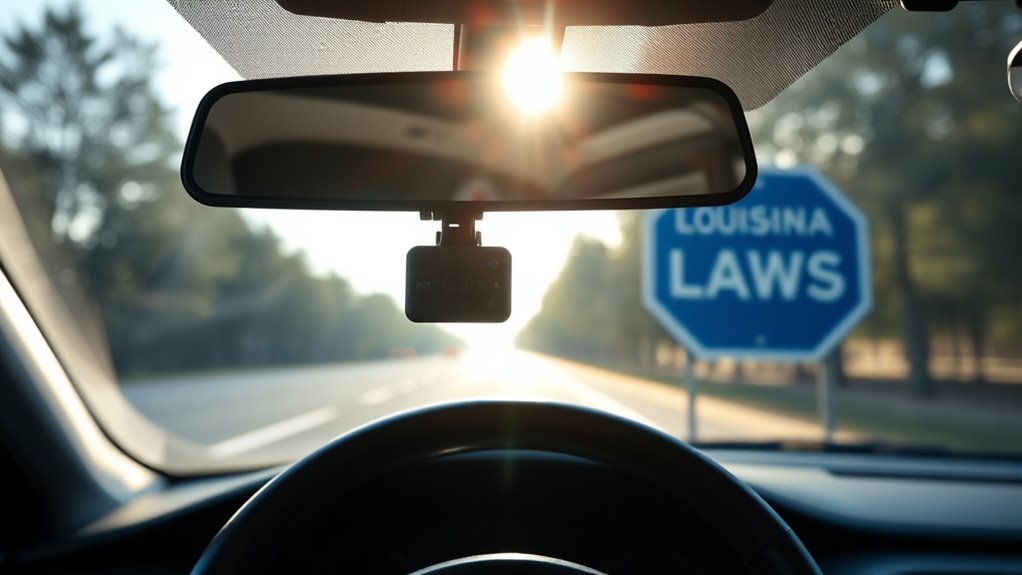
Proper mounting of your dash cam guarantees safety and compliance, but understanding audio recording laws is equally important. Louisiana is a one-party consent state for audio recordings, meaning you need permission from at least one person involved in the conversation. Since you’re the driver, your consent covers in-vehicle audio recording, making it legal to record conversations without notifying passengers. This applies to electronic surveillance under RS 15:1303 and allows secret recordings if one party consents. You can record in public spaces without interference, but private areas like homes or restrooms require consent. Be cautious of illegal uses such as harassment or blackmail. To stay compliant, consider informing passengers or disabling audio if unsure about consent requirements. Remember, your dash cam’s audio feature is lawful with your permission, simplifying in-car recording. It is also important to note that audio recordings made without proper consent can lead to legal penalties, and being aware of audio recording laws and consent requirements helps prevent unintentional violations. Additionally, understanding privacy laws and how they apply to electronic surveillance can further protect you from legal issues. Being familiar with electronic surveillance regulations ensures you remain compliant with local statutes. Always keep in mind that the legality of recording varies by jurisdiction and situation, so staying informed is essential.
Privacy Considerations and Admissibility of Footage

Ensuring your dash cam footage is admissible in court hinges on proper authentication and preservation. To do this, you must verify the footage’s authenticity and maintain its integrity. Here are key points to contemplate:
- Proper authentication: Your testimony confirming the device’s operation and the footage’s accuracy is essential. The court needs to see that the footage reflects real events without tampering. Additionally, understanding evidence integrity helps reinforce the credibility of your footage, especially when addressing high-quality recording standards. Recognizing the importance of digital evidence security can further support the preservation process.
- Preservation of original footage: Always keep the unaltered, original files secure before presenting them in court. Any edits or tampering can render the footage inadmissible.
- Technical quality: Clear, high-quality footage boosts its value as evidence, while tampered or poorly secured footage risks exclusion. Consult an attorney to handle the process correctly.
- Understanding Gold IRA Markets can be beneficial when considering safeguarding digital evidence or exploring secure storage options.
Law Enforcement Dash Cam Mandates and Features
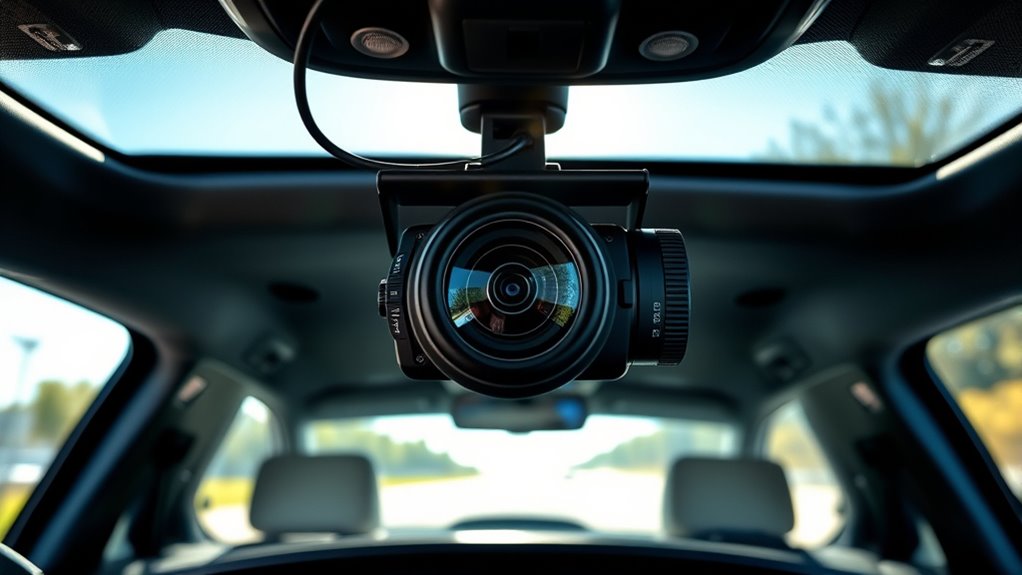
Louisiana law requires law enforcement vehicles equipped with dash cameras that can automatically record when emergency lights are activated to do so by January 1, 2022. This mandate guarantees critical events like traffic stops, pursuits, arrests, and prisoner transports are captured automatically. Agencies often specify approved equipment and prohibit unauthorized devices. Departments also enforce policies for secure storage, chain-of-custody, and regular audits to maintain recording integrity. Features such as automatic activation tied to emergency lights are legally required where available. The table below highlights common mandated features and recording events:
| Feature / Event | Requirement / Policy |
|---|---|
| Automatic Activation | Initiated by emergency lights, mandated by law |
| Recording Events | Traffic stops, pursuits, arrests, investigations |
| Storage & Audits | Secure storage, periodic review, chain-of-custody |
In addition, training and accountability measures are often implemented to ensure proper use and review of recordings. Proper equipment maintenance is essential to ensure continuous compliance with legal requirements and to prevent recording failures. Regular audits help verify that all recordings meet the recording standards, thereby supporting transparency and accountability. Maintaining storage security helps protect sensitive footage from unauthorized access and ensures evidentiary integrity, which is crucial for privacy considerations and legal proceedings. Additionally, understanding dash cam laws can help agencies and officers stay compliant with evolving legal requirements.
Frequently Asked Questions
Can I Use a Dash Cam in a Rental Car in Louisiana?
Yes, you can use a dash cam in a rental car in Louisiana, but you need to make certain it doesn’t obstruct your view or interfere with airbags, as Louisiana law prohibits objects that reduce clear sight. Use a dashboard mount or low-profile placement. Also, if recording audio, remember Louisiana’s single-party consent rule, meaning you must be part of the conversation to record legally. Always check with the rental company first to avoid violations.
Are There Any Restrictions on Dash Cam Video Storage Duration?
You can store dash cam footage in Louisiana without specific statewide limits, but it’s wise to back up important clips promptly since loop recording overwrites older files automatically. Law enforcement videos are retained based on category and policy, not a set time. To avoid losing vital evidence, export your footage right away. Remember, Louisiana’s one-party consent law means your recordings are generally lawful if one person involved agrees.
How Does Louisiana Handle Dash Cam Footage in Legal Disputes?
In Louisiana, you can use dash cam footage as evidence if it’s properly authenticated, relevant, and unaltered. Your footage becomes discoverable once a claim is filed, and maintaining chain-of-custody and metadata is essential. It can impact fault and damages, especially if it clearly shows conduct. Be cautious with audio recordings due to privacy laws, and always preserve original files, avoiding edits to guarantee admissibility in court.
Do Dash Cam Laws Differ for Commercial Versus Private Vehicles?
Like a watchful eye in the sky, dash cam laws in Louisiana differ for commercial and private vehicles. For commercial vehicles, regulations mandate specific equipment, continuous use, and proof of installation to qualify for discounts. Private vehicles face no such requirements, and their dash cams are primarily for personal safety. Your commercial vehicle must meet standards, while private vehicle dash cams are more flexible, focusing on individual privacy and convenience.
Is There a Limit to Audio Recording Length on Dash Cams?
There’s no specific limit to how long you can record audio on your dash cam in Louisiana. As long as you have the driver’s consent, you’re legally allowed to record continuously. Just remember, if you’re unsure about passenger consent, it’s best to disable audio or inform everyone. Keep in mind that recording in public places is generally permitted, but always stay aware of privacy expectations and local enforcement.
Conclusion
By understanding Louisiana’s dash cam laws, you can confidently record your drives without risking legal pitfalls. Proper mounting, respecting audio consent, and honoring privacy rights aren’t just rules—they’re your shield against complications. Ignoring these regulations could turn your footage into a legal wildfire, burning your peace of mind. Stay informed and compliant, so your dash cam becomes a trustworthy witness, not a legal nightmare waiting to happen. Drive smart, stay protected, and keep your footage legally bulletproof.
Fall Picks
fall essentials
As an affiliate, we earn on qualifying purchases.