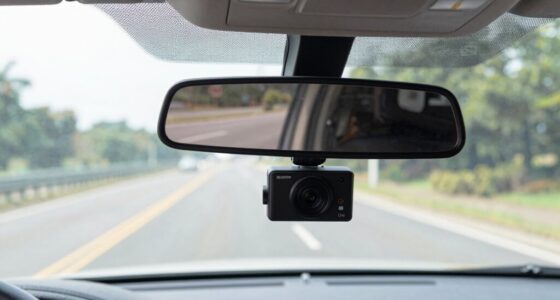
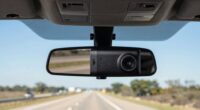
In Tennessee, you must mount your dash cam where it won’t block your view, typically behind the rearview mirror or on the dashboard, and avoid obstructing airbags. You can record audio if you have one-party consent, but informing passengers or posting notices helps keep you compliant. Be mindful of privacy when filming passengers or private conversations, and make certain your footage is properly stored and secure. To learn more about legal mounting, audio rules, and privacy tips, keep exploring these guidelines.

Get business pricing on garage and car supplies
- Business-only prices and quantity discounts
- Tax-exempt purchasing
- Multiple users, one account, clear invoices
Key Takeaways
- Dash cams must be dashboard-mounted, unobstructive, and placed near the rearview mirror without blocking the windshield view.
- Tennessee follows a one-party consent law; audio recording requires the driver’s permission and clear signage.
- Mounting on the interior is preferred; external mounts on hoods or roofs are discouraged to avoid legal issues.
- Recording footage is generally legal if properly obtained, authenticated, and stored following legal procedures for admissibility.
- Respect passenger privacy by notifying them of recordings, especially during sensitive conversations or private areas.
As an affiliate, we earn on qualifying purchases.
Legal Requirements for Dash Cam Mounting in Tennessee
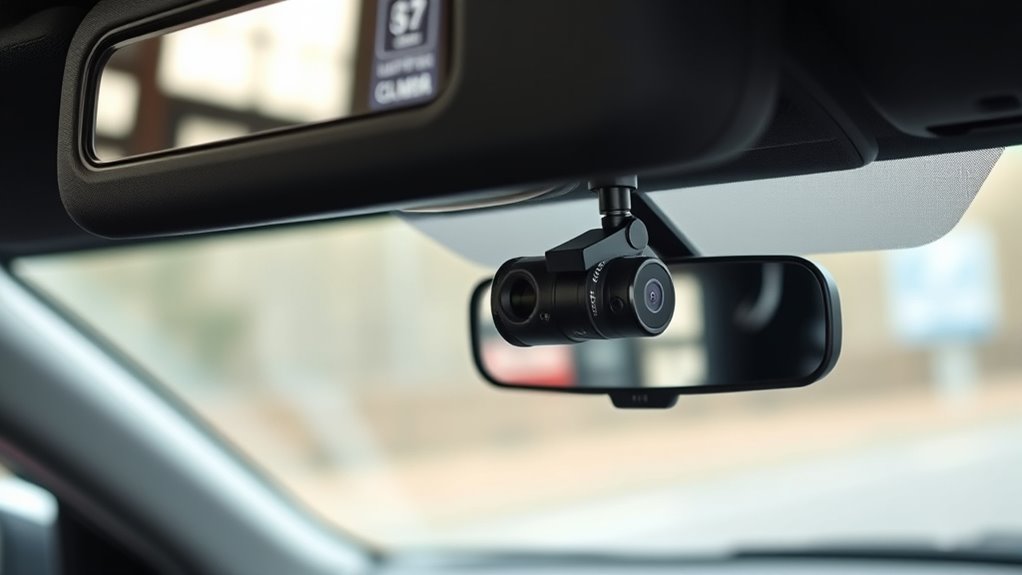
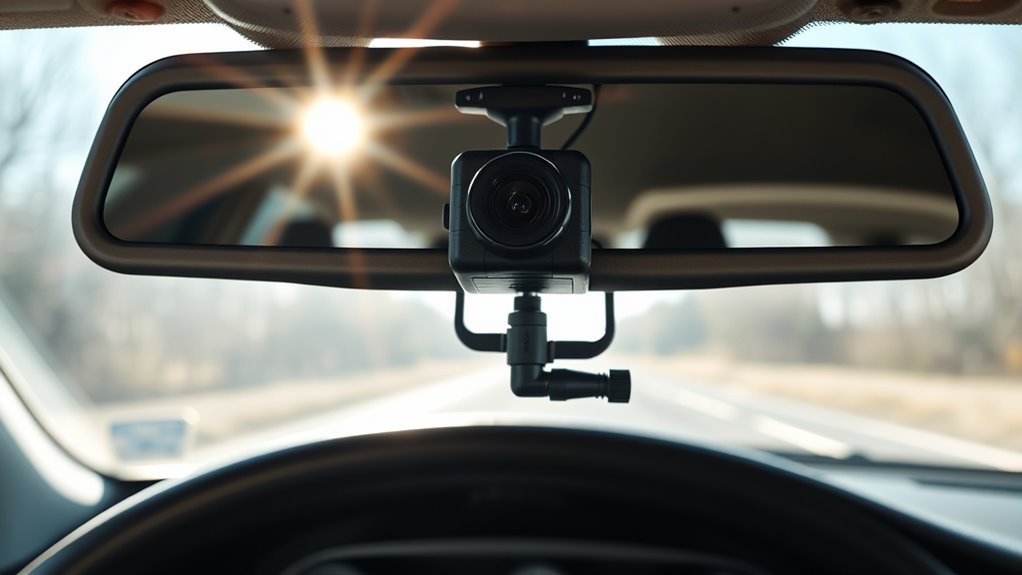
In Tennessee, you must guarantee your dash cam is mounted so it doesn’t obstruct your view through the windshield. State law prohibits objects that interfere with the driver’s clear sightline, making improper placement potentially unlawful. The most common compliant locations include mounting on the dashboard or behind the rearview mirror, provided the device doesn’t extend into the driver’s line of sight. Mounting in the low passenger-side corner is also acceptable if it remains unobstructive. Avoid installations that fall within the sweep of windshield wipers or block your view, as these can lead to traffic citations. Hard-mounted interior mirrors or OEM mounts help keep the camera out of sight lines, reducing legal risks. External mounts on the hood or roof are generally discouraged for consumer devices and may raise safety concerns. Proper mounting ensures compliance with Tennessee laws and helps prevent distracted driving violations. Additionally, choosing a safe mounting location minimizes the risk of the camera becoming a distraction to you or other drivers on the road. Using a professional installation service can also help ensure your dash cam is mounted correctly and legally. Ensuring your dash cam is securely attached can prevent it from falling or causing hazards while driving. Properly securing your device also helps mitigate injury risks in the event of a collision or sudden stop. Implementing dash cam regulations awareness can further promote safe and lawful usage practices.
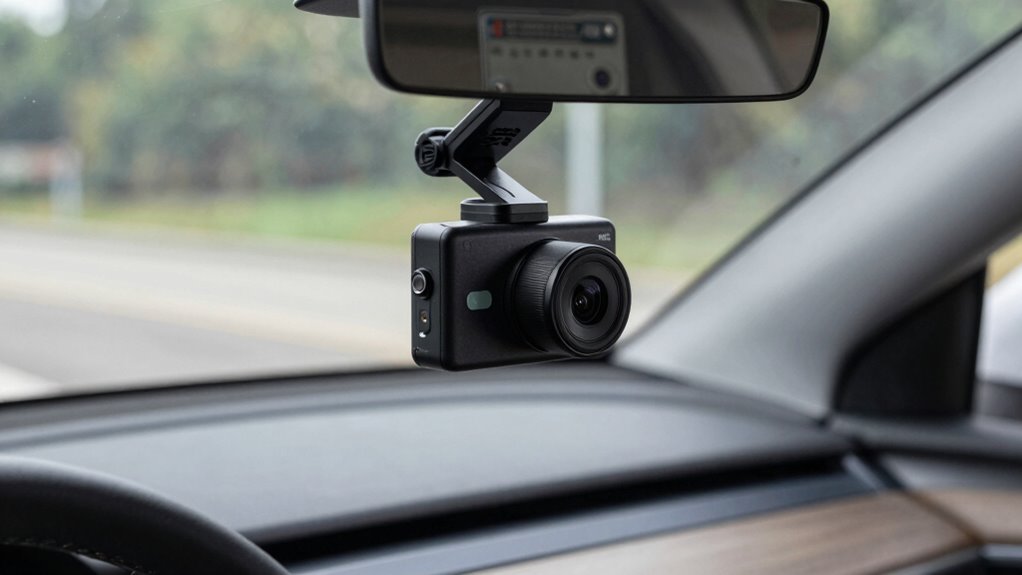
interior dashboard camera Tennessee laws
As an affiliate, we earn on qualifying purchases.
As an affiliate, we earn on qualifying purchases.
Best Mounting Practices to Avoid Traffic Violations
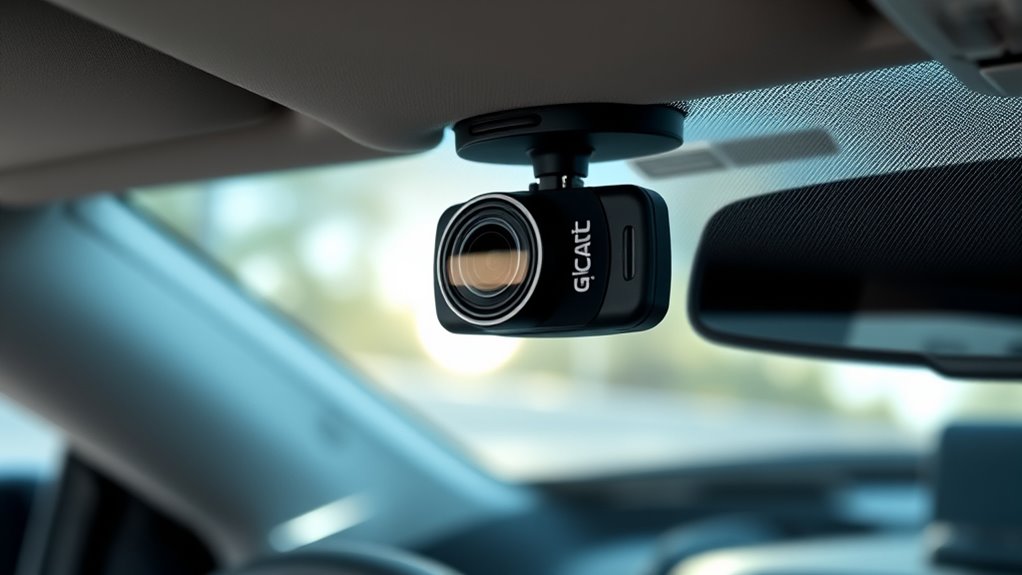
To avoid traffic violations when mounting your dash cam, focus on placement that keeps the device out of your line of sight and doesn’t obstruct your view through the windshield. Avoid placing the camera on the front windshield, as that can cause obstruction violations, and instead, opt for the dashboard. Use low-profile mounts for stability and to minimize visibility. Ensure the mount’s base is secure to prevent movement during driving. Keep the device positioned high and centered near the rearview mirror, but avoid obstructing your field of view or interfering with airbags and controls. Route cables away from airbags and vehicle controls to prevent interference. Test the placement before driving to confirm it doesn’t block your view or violate Tennessee’s mounting laws, maintaining safety and compliance. Selecting the right field of view for your dash cam can help ensure optimal coverage without risking violations. Proper placement also involves understanding dash cam laws, which vary by state and can impact how and where you mount your device. Being aware of vehicle safety features can also help in choosing a mounting location that doesn’t hinder these systems or your overall safety. Additionally, considering environmental considerations ensures your setup remains secure and unaffected by external conditions.
audio recording dash cam one-party consent
As an affiliate, we earn on qualifying purchases.
As an affiliate, we earn on qualifying purchases.
Audio Recording Laws and Consent in Tennessee Vehicles
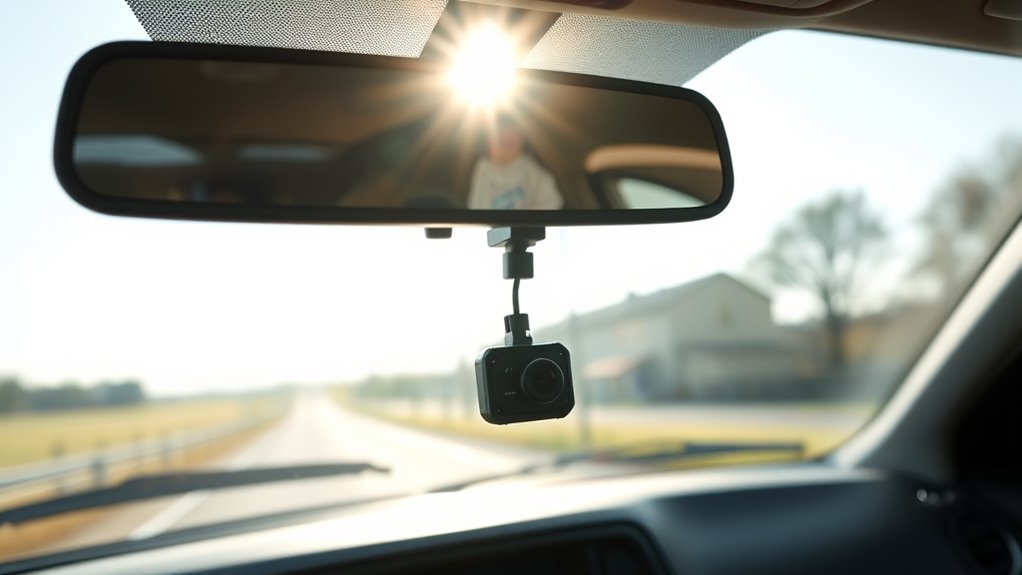
Tennessee’s audio recording laws in vehicles prioritize the one-party consent rule, meaning you only need your own approval to record conversations you’re involved in. If you’re the one participating, you can record without informing others, aligning with federal law. However, this doesn’t apply to private or sensitive conversations, which could be subject to additional restrictions under wiretapping laws. To stay compliant, it’s best to inform passengers when audio is being recorded or post visible notices. Disabling audio recording when unsure about consent helps avoid legal issues. Violating these laws can lead to criminal or civil penalties, including fines or lawsuits. Legally obtained audio recordings are typically admissible in court, but deleting footage related to incidents can cause legal trouble. Always ensure your recordings follow Tennessee’s one-party consent rule to protect your rights. Being aware of audio recording laws and privacy rights is essential to avoid unintended legal consequences, especially regarding state-specific laws in your vehicle. Additionally, understanding the distinction between public and private conversations can help you better navigate the legal landscape surrounding vehicle recordings. Remember that recording conversations without proper consent may also impact your rights in civil cases, so exercising caution is advisable.
As an affiliate, we earn on qualifying purchases.
Considerations When Recording Passengers and Private Conversations
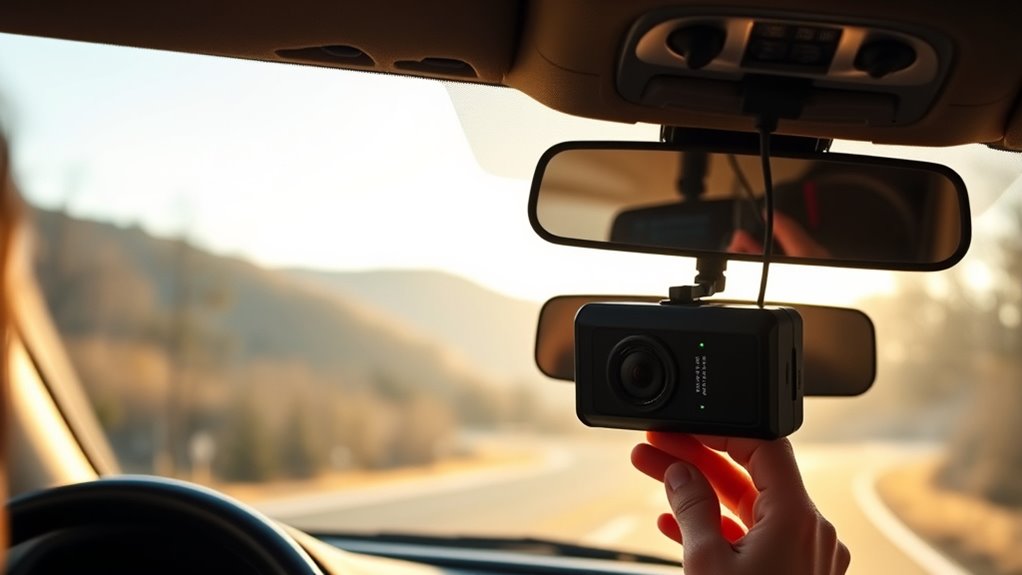
When recording inside a vehicle, you need to respect passengers’ reasonable privacy expectations, especially during sensitive conversations. Laws often limit what you can record without explicit consent, particularly in private or confidential discussions. To stay compliant, consider notifying passengers and avoiding recording in situations where private talks are likely. Additionally, Tennessee’s one-party consent law generally permits audio recording if at least one participant in the conversation consents, but this does not extend to recording private or confidential discussions without awareness. Understanding privacy laws related to audio recording can help ensure you stay within legal boundaries and prevent potential disputes. Being aware of vetted audio recording practices can further help you adhere to legal standards and respect individual privacy rights.
Privacy Expectations Inside Vehicles
Recording inside a vehicle can impact passenger privacy expectations, especially when officers inform occupants about ongoing video or audio capture. Visible signage or decals indicating recording diminishes the expectation of privacy, but sensitive conversations—like medical or financial discussions—may still be protected, even if video is recorded properly. Passengers in areas where they reasonably expect solitude, such as rear compartments during rideshares, have higher privacy expectations. The presence of minors increases privacy concerns and may require guardian consent or adherence to platform policies. Passenger privacy depends on factors like location, passenger role, and notices displayed. To manage expectations, providing passive notices and optional audible announcements helps ensure passengers understand recording practices, reducing disputes and respecting their privacy rights. Additionally, understanding Free Floating principles can help determine when recordings might infringe on a passenger’s privacy expectations. Being aware of privacy laws can further clarify what is legally permissible in various recording scenarios. Recognizing emotional responses that passengers may have when recorded without clear notice can also influence privacy considerations and legal compliance. Moreover, understanding recording consent protocols is crucial for ensuring legal and ethical compliance in vehicle recording scenarios.
Legal Limits on Recording
Understanding the legal limits on recording inside your vehicle is essential to avoid violating privacy laws. In Tennessee, you only need one-party consent for audio recording, meaning if you’re the driver, your consent covers the audio captured by your dash cam. Passengers don’t need additional permissions, but informing them helps prevent issues. To stay compliant, consider the following practices:
| Practice | Purpose |
|---|---|
| Verbal disclosure | Notify passengers about audio recording |
| Visible notices | Indicate cabin recording with signage |
| Disabling audio | Turn off audio if consent is uncertain |
Admissibility of Dash Cam Footage in Tennessee Courts
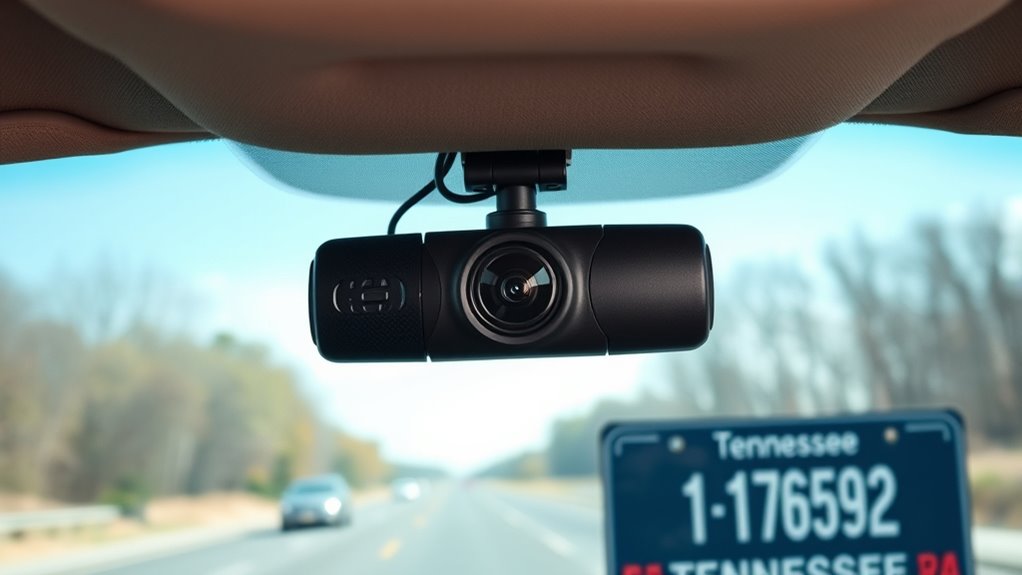
In Tennessee courts, dash cam footage is generally admissible if it’s relevant to the case and obtained legally. To admit footage, it must demonstrate relevance and meet authentication requirements, such as establishing a clear chain of custody showing how the video was captured, stored, and handled. You can request dash cam videos through formal discovery processes like interrogatories, depositions, or production requests, but exceptions apply for attorney-client privileges or undue costs. Proper authentication involves verifying the footage against reports and ensuring it was collected following legal procedures. Challenges to admissibility often arise from procedural errors, chain of custody issues, or questions about relevance. When properly authenticated, dash cam footage can be used in trials, hearings, or public proceedings to support or challenge case facts. Understanding the specific rules governing electronic evidence in Tennessee can help ensure proper handling and admissibility. It is also important to consider video integrity measures that preserve the footage’s authenticity and prevent tampering. Implementing video authentication techniques can further strengthen the credibility of the footage in legal settings. Additionally, adhering to established procedural guidelines can prevent potential issues with evidence admissibility. Furthermore, understanding the types of evidence accepted in Tennessee courts ensures that dash cam footage is collected and presented correctly. Employing digital forensics methods can assist in verifying the integrity of video files and maintaining their authenticity throughout the legal process.
Privacy Concerns and Civil Liability When Using Dash Cams
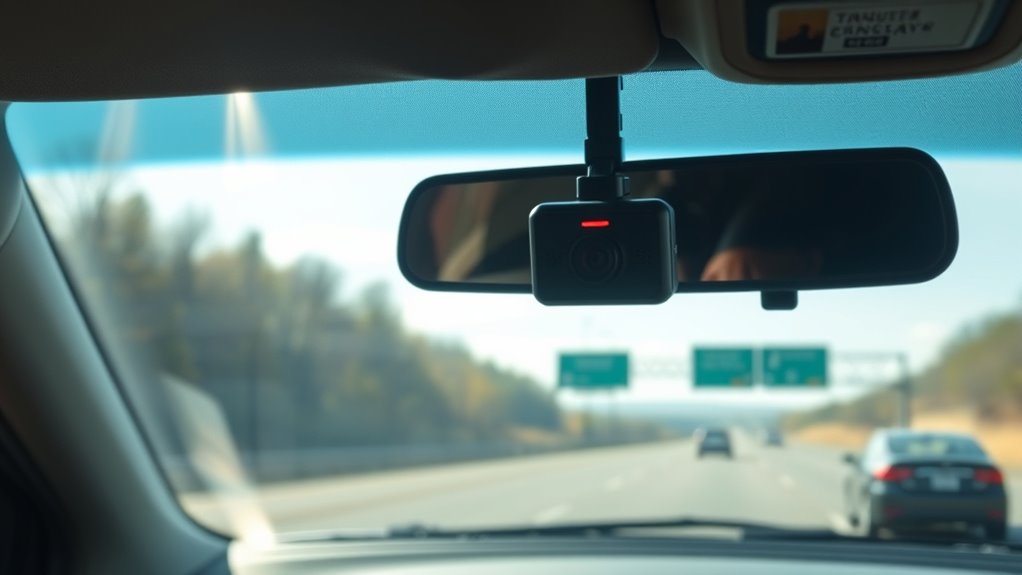
Using dash cams in Tennessee can raise significant privacy concerns and civil liability risks if you’re not careful. Since Tennessee follows a one-party consent rule, you can record audio inside your vehicle with your permission, but recording passengers without their knowledge may violate privacy expectations, especially in ride-share or commercial settings. Hidden cameras are prohibited in private spaces like vehicle interiors, and notifying passengers is recommended. Public spaces generally allow recording without consent, but recording on private property requires caution. Sharing footage online can lead to legal issues, privacy lawsuits, or defamation suits, especially if individuals’ rights are violated. Additionally, recording admissions or speeding may harm your case or reduce liability. Unauthorized recordings, especially in commercial contexts, expose you to privacy invasion claims and civil liabilities. Moreover, understanding the privacy laws related to audio and video recording can help you avoid unintentional violations and potential legal consequences. Being aware of recording regulations can help prevent misuse and protect your legal standing. Furthermore, being knowledgeable about state-specific recording statutes can help you navigate complex legal scenarios and ensure compliance. Staying informed about wiretap laws is essential to prevent illegal recordings that could result in criminal charges or civil damages.
Enforcement Policies and Penalties for Improper Mounting
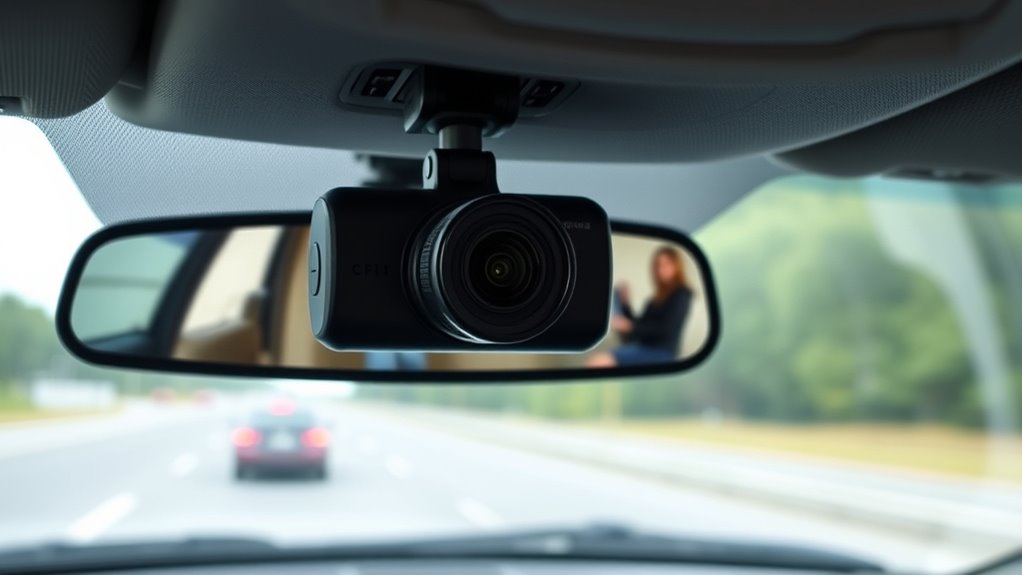
If your dash cam obstructs your view, law enforcement can issue fines or citations, especially if it’s clearly blocking your sightlines. You could face penalties of up to $50 for a first offense and higher fines for repeat violations or if an accident occurs. Be aware that improper mounting might also expose you to civil liability if it contributes to an incident.
Obstruction Penalties and Fines
Mounting a dash cam improperly can lead to fines and enforcement actions in Tennessee, as the law strictly prohibits objects that obstruct the driver’s clear view through the windshield. If your dash cam blocks your vision, you may receive a citation treated as a moving or equipment violation under obstruction laws. Enforcement varies based on officer discretion, and warnings may be issued for borderline cases. Penalties include fines that typically don’t exceed $50 for a first offense, with higher fines—up to $100 or $200—applying for repeat violations or if an accident occurs. Violations involving device activation while driving can also be charged under distracted-driving statutes. Failure to pay or contesting citations may result in additional costs or civil assessments, depending on local regulations.
Civil Liability Risks
Improperly mounted dash cams can substantially increase your civil liability if involved in an accident. If your camera obstructs your view, it risks being deemed inadmissible in court, especially if its relevance or authenticity is challenged. Courts require proof that the camera is securely installed on the dashboard without obstructing your line of sight. In legal disputes, opposing counsel may argue that improper mounting violated standards, potentially excluding footage. If the footage shows the mount contributed to the crash, liability can rise under comparative fault rules. Insurance companies may deny claims or reduce settlements based on mounting violations, viewing obstructed footage as less credible. Overall, improper mounting heightens privacy risks and invites legal challenges, increasing your exposure to liability and financial penalties. Additionally, adhering to proper mounting regulations helps ensure the footage remains admissible and credible in legal proceedings.
Ensuring Evidence Integrity and Safety During Recording
To guarantee the integrity and safety of dash cam evidence during recording, you must implement proper procedures for preserving footage and maintaining its authenticity. Immediately secure the original files on your device and transfer copies to an encrypted drive to prevent accidental loss. Preserve metadata like timestamps and GPS logs—avoid re-encoding or editing that could alter this data. Keep a detailed log of who accesses the footage, when, and what copies are made to support legal admissibility. When producing footage, use write-protect methods to ensure the original remains unaltered. At accident scenes, power down or lock the dash cam to prevent overwriting, photograph device placement, and document transfers carefully. Back up footage promptly and verify playback integrity before continuing normal recording.
Developing Policies for Commercial Dash Cam Use

Developing clear policies for commercial dash cam use helps guarantee compliance with Tennessee laws and protects both drivers and fleet operators. To do this effectively, you should focus on key areas:
- Mounting Standards: Ensure dash cams are dashboard-mounted without obstructing the driver’s view, avoiding windshield placement, and consider tamper-proof brackets for fleet security. Proper mounting reduces legal risks and prevents distractions.
- Audio and Privacy Rules: Train drivers on Tennessee’s single-party consent law, use signage to notify recording, and implement policies for driver-facing cameras while safeguarding employee privacy.
- Data Management: Establish retention policies for video footage, define who has access, and include consent acknowledgments through apps or signage for transparency.
These steps help keep your fleet compliant and protect everyone’s rights.
Frequently Asked Questions
Can I Legally Record My Own Driving Conversations Without Passenger Consent?
Yes, you can legally record your own driving conversations without passenger consent in Tennessee because it’s a one-party consent state. Since you’re a participant, your recording is lawful. However, if passengers have a reasonable expectation of privacy or you plan to use the recordings publicly, it’s best to notify them or disable audio to avoid disputes. Always preserve the original footage and device settings to support its authenticity if needed in court.
Are There Specific Tennessee Regulations on Mounting Dash Cams in Commercial Vehicles?
Think of Tennessee’s rules as a clear map for your dash cam. You need to mount your device where it doesn’t block your view—preferably on the dashboard or behind the rearview mirror—avoiding the windshield’s wiper sweep. Stay outside the driver’s line of sight, secure the device firmly, and avoid obstructing your vision. These steps help you stay compliant and keep your focus on the road ahead.
How Long Can Dash Cam Footage Legally Be Retained Under Tennessee Law?
Under Tennessee law, there’s no fixed period for retaining dash cam footage. You should keep footage as long as needed for administrative purposes if it doesn’t involve criminal activity or liability. For criminal or liability-related videos, retain them until the relevant statute of limitations expires—typically one year for civil rights claims or three years for property damage. Agencies often follow content-based policies and internal guidelines for retention durations.
Is It Permissible to Share Dash Cam Videos Publicly Without Risking Legal Issues?
Sharing dash cam videos publicly poses potential legal pitfalls. You shouldn’t post footage without considering privacy and legal risks. In Tennessee, revealing recordings can violate privacy laws, especially if passengers aren’t aware or if sensitive scenes are involved. To stay safe, keep clips confidential until you consult a lawyer. Avoid online sharing, especially if recordings include private conversations or identities, and always prioritize privacy to prevent legal liabilities.
What Are the Penalties for Mounting a Dash Cam That Obstructs My View?
If you mount a dash cam that obstructs your view in Tennessee, you risk a Class C misdemeanor, which can lead to a fine of up to $50. You might also face court costs and points on your driving record. Repeated offenses could increase penalties. To avoid this, verify your dash cam is installed on the dashboard, not the windshield, to comply with visibility laws and prevent legal trouble.
Conclusion
To keep your dash cam usage within Tennessee’s legal bounds, stay informed about mounting, audio, and privacy laws. Think of it like tending a garden—you’ll want to prune and care for it regularly to prevent weeds of violations from taking hold. By following best practices and respecting privacy, you guarantee your footage remains valuable and admissible, much like a well-preserved manuscript. Stay vigilant, and your dash cam will serve you faithfully, protecting both your rights and your record.
Fall Picks
fall essentials
As an affiliate, we earn on qualifying purchases.