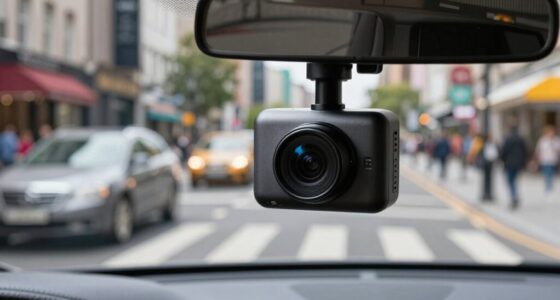
You can record passengers, but only if you follow privacy laws and get their consent, especially for audio recordings. Many drivers wrongly assume that recording is allowed without informing passengers, which can lead to legal trouble and broken trust. Be transparent about when and why you record, and always respect privacy rights. Ignoring these rules is a common mistake that can have serious consequences — stay tuned to learn how to avoid these pitfalls.

Get business pricing on garage and car supplies
- Business-only prices and quantity discounts
- Tax-exempt purchasing
- Multiple users, one account, clear invoices
Key Takeaways
- Recording passengers without explicit consent can violate privacy laws and lead to legal issues.
- Laws regarding recording vary by jurisdiction; always check local regulations before recording.
- Transparency and informing passengers about recording purposes help prevent privacy violations.
- Covert recording or eavesdropping without permission is illegal and damages trust.
- Obtaining clear passenger consent and limiting recordings to necessary moments are best practices.
car dashcam with audio recording
As an affiliate, we earn on qualifying purchases.
As an affiliate, we earn on qualifying purchases.
Understanding Privacy Laws in Your State

Understanding privacy laws in your state is vital to avoid costly mistakes when recording passengers. Your vehicle’s security depends on respecting passenger rights, which vary by jurisdiction. Some states require explicit consent before recording, while others have more relaxed rules. Knowing these laws helps prevent legal issues that could jeopardize your license or lead to lawsuits. It’s essential to understand what is permissible to protect both yourself and your passengers. Failing to comply can also damage trust and create safety concerns, making clear boundaries essential. Always check your local regulations and stay updated on any changes. Additionally, understanding privacy laws can help you avoid unintended violations that might result in legal action. Being aware of video recording regulations in your area ensures you stay compliant and avoid potential penalties. For example, the confidentiality of passenger information is often protected by state laws, emphasizing the importance of transparency and consent. Recognizing electronic surveillance laws is also crucial when implementing recording devices to ensure legal compliance. By understanding your state’s privacy laws, you ensure that your vehicle remains a secure environment where passenger rights are respected and protected. Awareness of vetted wave and wind considerations can also help you implement appropriate safety measures when recording.
vehicle passenger privacy consent sign
As an affiliate, we earn on qualifying purchases.
As an affiliate, we earn on qualifying purchases.
When Is Recording Legally Permissible?

Recording passengers is legally permissible when you have their explicit consent or when it’s required for safety or security reasons. Using surveillance technology or audio recording tools like dashcams is acceptable if passengers are informed beforehand. Consider this table to understand when recording is allowed:
| Situation | Consent Needed | Purpose |
|---|---|---|
| Monitoring for safety | No | Security and safety |
| Recording conversations | Yes | Privacy considerations |
| Surveillance for security | No | Crime prevention |
| Audio recording in vehicle | Yes | Privacy laws apply |
If you’re capturing video or audio, always be aware of your state’s laws. Recording without consent, especially audio, can lead to legal issues. Use surveillance technology responsibly. Additionally, understanding privacy laws and how they intersect with recording practices helps ensure compliance and respect for individual rights. It’s also important to note that public spaces may have different regulations regarding recording than private settings.
As an affiliate, we earn on qualifying purchases.
The Difference Between Recording and Eavesdropping

While recording audio or video in a vehicle can be lawful when done transparently, eavesdropping involves secretly listening or intercepting private conversations without consent, which is often illegal. Recording, such as using dash cams or audio surveillance devices openly, usually respects privacy boundaries if disclosed. However, eavesdropping crosses these lines by covertly listening to or capturing conversations without permission, creating a serious privacy intrusion. The key difference lies in transparency: recording is done openly and with awareness, while eavesdropping is hidden and deceptive. Engaging in audio surveillance without consent can lead to legal consequences, especially when it intrudes on private discussions. Additionally, familiarity with privacy laws can help ensure that your surveillance practices remain within legal limits. Being aware of legal boundaries helps prevent unintentional violations and promotes responsible monitoring, particularly considering privacy rights established by applicable regulations. Understanding surveillance legality is crucial to avoid infringing on individual privacy, and staying informed about evolving privacy legislation can further protect you from legal pitfalls.
As an affiliate, we earn on qualifying purchases.
The Importance of Consent When Recording Passengers

Since recording passengers without their knowledge can lead to serious privacy issues, obtaining their consent is essential. Respecting privacy expectations helps build trust and ensures passengers feel comfortable during their ride. When you ask for permission beforehand, it shows you value their right to privacy and are transparent about your intentions. Clear communication about why you’re recording and how the footage will be used helps prevent misunderstandings and discomfort. Failing to get consent can make passengers feel uneasy, potentially damaging your reputation and risking legal trouble. Prioritizing consent demonstrates your respect for passenger comfort and privacy, fostering a safer and more respectful environment. Additionally, understanding the legal implications of recording without consent is crucial to avoid potential lawsuits or penalties. Being aware of privacy policies and how they apply to recording practices can help you stay compliant with applicable laws. Practicing ethical recording by obtaining consent up front not only protects you legally but also encourages a respectful atmosphere. Remember, honesty and openness are key to maintaining ethical recording practices in your vehicle. Taking proactive steps to educate yourself about local privacy laws can further safeguard both your rights and those of your passengers.
Common Privacy Mistakes Drivers Make
One common privacy mistake drivers make is failing to inform passengers that they are being recorded, which can lead to discomfort and distrust. Ignoring passenger rights and recording ethics can damage relationships and even lead to legal issues. To respect privacy, consider these points:
- Assume passengers are unaware of recordings unless told
- Prioritize transparency over secrecy
- Understand local laws regarding recording and privacy
- Recognize that consent is key to ethical recording
- Be aware of best safety glasses for 2024, which can protect drivers and passengers from potential accidents or injuries during recording or driving situations. Additionally, being familiar with privacy regulations in your area helps ensure compliance and reduces the risk of legal complications. Recognizing informed consent as a fundamental aspect of ethical recording practices reinforces trust and transparency. Being aware of recording ethics ensures that drivers maintain respectful boundaries and uphold passenger trust.
Failing to disclose recordings can be perceived as a breach of trust, undermining passenger comfort and confidence. Respecting passenger rights means being honest about recording practices and following legal guidelines. Avoid privacy mistakes by making transparency a priority and understanding the ethical implications involved.
How to Notify Passengers About Recording

To effectively notify passengers about recording, you should clearly inform them at the start of their ride. Be transparent about your recording practices to respect passenger privacy and establish trust. Mention that the ride may be recorded for safety or security reasons, and specify whether audio, video, or both are captured. Follow proper recording etiquette by asking for their consent if required by local laws or company policies. Keep your explanation brief but informative, ensuring passengers understand and feel comfortable. Clear communication minimizes misunderstandings and demonstrates your respect for their privacy. Additionally, understanding privacy and consent in digital spaces can help you navigate legal requirements and ensure compliance with regulations. Being aware of recording laws that vary by location can prevent potential legal issues and protect both you and your passengers. It’s also helpful to familiarize yourself with company policies regarding recording to stay within organizational guidelines and avoid disputes. Moreover, staying informed about cybersecurity measures can help safeguard recorded data from unauthorized access.
Consequences of Violating Privacy Rights

Failing to properly notify passengers about recording can lead to serious legal and reputational consequences. When you violate privacy rights, you risk privacy infringement lawsuits that can tarnish your reputation and lead to costly legal repercussions. You may face fines, penalties, or even criminal charges depending on your jurisdiction. Ignoring consent can also cause passenger distrust, damaging your business. Consider these potential outcomes:
- Legal actions resulting in financial loss
- Damage to your professional reputation
- Loss of passenger trust and future business
- Increased scrutiny from authorities and regulators
Being aware of privacy laws and implementing proper notification procedures can help you avoid these issues. It’s also important to understand data protection requirements to ensure compliance and safeguard passenger information. Additionally, staying informed about recording regulations can help prevent unintentional violations. Understanding the legal implications of recording without consent is crucial for avoiding severe penalties. These consequences highlight the importance of respecting privacy rights and understanding that recording without proper notification can have long-lasting adverse effects. Protect yourself by staying informed and compliant with privacy laws to avoid these serious repercussions.
Best Practices for Legal and Ethical Recording

To record passengers ethically and legally, you need to understand local laws and regulations first. Always get explicit consent before recording and only capture what’s necessary for your purpose. Following these practices helps protect privacy rights and keeps you compliant.
Know Local Laws
Are you aware of the specific laws governing recording passengers in your area? Understanding local laws is essential to respecting privacy boundaries and maintaining surveillance ethics. Laws vary widely, so what’s legal in one place may be illegal elsewhere. Failing to comply can lead to legal trouble or damage trust with passengers. To stay informed, consider these key points:
- Research state and local recording statutes
- Know whether audio, video, or both are protected
- Understand if consent is required before recording
- Recognize that recording without permission can violate privacy expectations
Obtain Explicit Consent
Knowing the laws is just the first step; obtaining explicit consent from passengers guarantees your recording practices stay within legal and ethical boundaries. Before you start audio recording during a ride, clearly inform your passengers that you’re recording for safety or legal reasons. Ask for their explicit approval, and respect their decision if they decline. This not only protects passenger privacy but also builds trust. Be transparent about what you’re recording, how the recordings will be used, and how long they’ll be stored. Remember, consent isn’t just a legal requirement—it’s an ethical one. By prioritizing clear communication and obtaining consent, you demonstrate respect for passenger privacy and reduce the risk of privacy violations.
Limit Recordings to Necessary
Limiting recordings to only what’s necessary helps guarantee your practices remain legal and ethical. Respecting privacy expectations means avoiding excessive or intrusive recordings. By setting clear recording limitations, you prevent overreach and protect passenger trust. Focus solely on what’s relevant for safety or legal reasons. Remember, unnecessary recordings can violate privacy rights and lead to legal issues. To stay within ethical boundaries, consider these points:
- Record only during critical moments, not continuously
- Keep recordings focused on relevant activities or incidents
- Avoid capturing conversations unrelated to safety or legal concerns
- Regularly review your recording practices to ensure they stay necessary
Implementing these guidelines helps you balance safety needs with respecting passenger privacy, reducing the risk of privacy violations.
Protecting Your Rights and Respecting Others’ Privacy

Protecting your rights while respecting others’ privacy is essential when recording passengers. You should prioritize passenger privacy by avoiding intrusive recordings and obtaining consent whenever possible. Remember, recording etiquette involves being transparent about when and why you’re recording, which helps build trust and prevents misunderstandings. Respect their boundaries by limiting recordings to what’s necessary and refraining from capturing sensitive or private moments. Always inform passengers if you plan to record, and give them the option to decline. By balancing your right to record with others’ privacy, you create a respectful environment that reduces potential conflicts. Following these practices not only protects your legal interests but also fosters trust and professionalism during your interactions.
Frequently Asked Questions
Can I Record Passengers Without Their Knowledge Legally?
You generally can’t record passengers without their knowledge legally, especially when it involves audio recording. Laws require passenger consent for audio capture, and secretly recording can violate privacy rights. To avoid legal trouble, always inform passengers beforehand if you plan to record, and get their clear consent. Respecting their privacy helps you stay compliant with laws and maintains trust, ultimately protecting you from potential legal issues.
Are There Specific Rules for Recording in Commercial Vehicles?
You step into your commercial vehicle, camera ready, but must follow strict recording laws to respect privacy concerns. Specific rules often require informing passengers about recording, especially in commercial settings. You need clear signage and consent to avoid legal trouble. Ignoring these rules risks privacy violations and potential lawsuits. Stay aware of local regulations, document your practices, and prioritize transparency—this keeps your operation both legal and trustworthy.
How Does Recording Privacy Vary Between States?
State-specific laws vary greatly when it comes to recording privacy. In some states, you must obtain privacy consent from passengers before recording, while others allow recording without explicit permission if you’re in a public space. You should familiarize yourself with your state’s laws to avoid legal issues. Always respect passenger privacy, and when in doubt, inform them about the recording to maintain transparency and compliance.
What Are the Penalties for Secretly Recording Passengers?
You face serious consequences if you secretly record passengers, including privacy violations that can lead to hefty legal penalties. Laws vary by state, but illegal recordings often result in fines, lawsuits, or criminal charges. To avoid these legal consequences, always respect your passengers’ privacy rights and obtain consent before recording. Ignoring these rules can damage trust and expose you to costly legal trouble.
Can Recordings Be Used as Legal Evidence in Disputes?
Recordings can be used as legal evidence in disputes, but only if you follow surveillance laws and consent requirements. You need to verify everyone involved is aware of and agrees to being recorded, especially if local laws demand explicit consent. Failing to do so might weaken your case and lead to legal challenges. Always check your jurisdiction’s rules to avoid violating privacy laws and jeopardizing your evidence.
Conclusion
Remember, respecting your passengers’ privacy is the compass that guides your driving ethics. By understanding the laws and obtaining clear consent, you steer clear of legal storms and build trust on every ride. Think of privacy as the delicate thread weaving safety and respect together—pull it too tight or too loose, and the fabric of good relationships frays. Stay informed, be transparent, and let your commitment to ethical recording be the road you follow.
Fall Picks
fall essentials
As an affiliate, we earn on qualifying purchases.