
Many believe recording inside your own car is always legal, but privacy laws vary by state and often require all-party consent. Some states need everyone’s permission before audio or video is captured, and laws can be stricter inside vehicles. Violating these rules could lead to legal trouble or your footage being inadmissible. To avoid trouble, it’s important to understand your local laws—and if you keep going, you’ll discover more about staying compliant when recording in your car.

Get business pricing on garage and car supplies
- Business-only prices and quantity discounts
- Tax-exempt purchasing
- Multiple users, one account, clear invoices
Key Takeaways
- All-party consent laws, like California’s, require everyone in the vehicle to agree before recording audio.
- Recording conversations inside your own car may be illegal without informing all passengers, depending on state laws.
- Video recordings in public areas are generally legal, but interior footage of private spaces may violate privacy rights.
- Using visible signs or stickers can help ensure legal compliance and inform passengers about recording.
- Laws vary by state; verify local regulations to avoid legal penalties for recording in your vehicle.
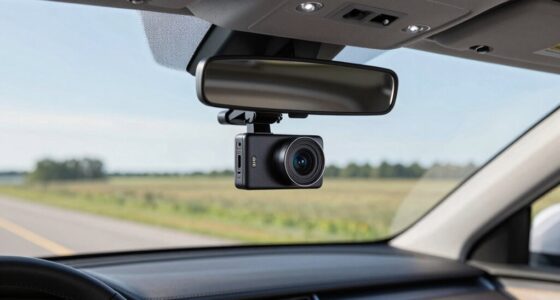
car dash cam with audio recording
As an affiliate, we earn on qualifying purchases.
As an affiliate, we earn on qualifying purchases.
Common Misunderstandings About Who Needs to Consent
Many people assume that only one person needs to consent to recording inside a vehicle, but this isn’t true everywhere. In fact, California and twelve other states require all parties to agree before recording any private conversation, including those inside your car. These all-party consent states consider any confidential communication as protected, meaning you can’t record without everyone’s permission. In California, even cell phone calls in the vehicle demand consent from all participants. Many mistakenly believe that if they’re aware of the recording, it’s legal nationwide, but that’s not the case. Each state has its own rules, and state-specific laws can vary significantly depending on your location. So, always check whether you’re in a one-party or all-party consent state before recording, especially if you share your vehicle with passengers. Understanding these laws is crucial because violating all-party consent rules can lead to legal penalties or accusations of eavesdropping. It’s also important to note that privacy laws can vary significantly depending on your location, and understanding the difference between confidential communication and public conversations is essential to avoid legal issues.
vehicle privacy signs and stickers
As an affiliate, we earn on qualifying purchases.
As an affiliate, we earn on qualifying purchases.
Myths About Audio Recording Laws Inside Vehicles
There are several misconceptions about audio recording laws inside vehicles that can lead to legal trouble if overlooked. First, many believe federal law always overrides state rules, but states often have stricter all-party consent requirements, making covert recordings risky. Second, you might think all states permit one-party consent; in reality, California, Illinois, and others require everyone’s permission. Third, some assume audio recording is legal without notifying passengers—yet, in two-party consent states, informing everyone is mandatory. Ignoring these laws can result in criminal charges, fines, or footage inadmissibility. To stay compliant, research your state’s specific rules, always notify passengers, and consider using visible signs or stickers to ensure everyone understands recording is happening. Understanding state-specific laws is crucial to avoid potential legal repercussions and protect your privacy rights. Additionally, being aware of state-specific consent requirements can help you navigate complex legal landscapes effectively, especially regarding audio recording regulations.
Furthermore, recognizing the privacy rights of individuals involved can help prevent unintended violations and legal issues.
As an affiliate, we earn on qualifying purchases.
Misconceptions Concerning Video Privacy and Storage
A common misconception is that video recording inside your car always invades privacy rights, but this isn’t necessarily true. In public areas like highways, recording is permitted without consent, and courts often accept dashcam footage as evidence if obtained legally. However, interior recordings in states like Florida require all-party consent, making privacy considerations pivotal. Storage methods also matter: encrypted, secure storage helps protect footage, but police can subpoena or seize recordings after incidents. Deleting non-incident footage is legal, but deleting event-related clips can have legal consequences. Proper documentation of footage handling is essential for admissibility in legal proceedings. Additionally, understanding the video privacy laws can further clarify what is legally permissible in different jurisdictions. It’s also important to be aware of video storage security practices to ensure your footage remains protected from unauthorized access. To optimize your privacy, consider implementing encryption and regular backups for your recordings.
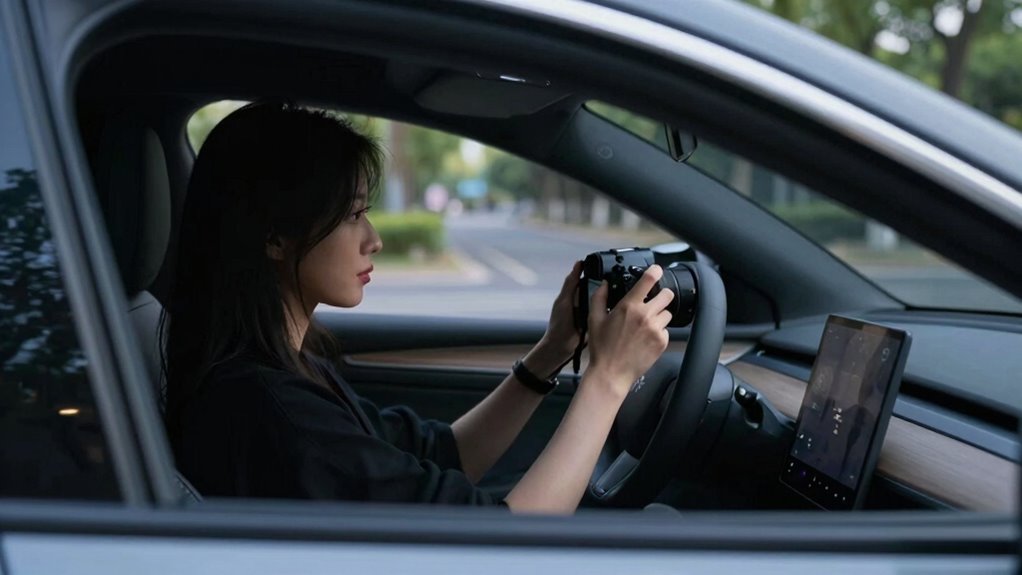
legal car camera for recording inside vehicle
As an affiliate, we earn on qualifying purchases.
As an affiliate, we earn on qualifying purchases.
False Beliefs About Sharing and Access to Footage
Believing that sharing footage online is always legal when captured in public can lead to serious misunderstandings about privacy rights. First, posting public recordings might breach privacy laws if private facts are disclosed, especially in certain jurisdictions. Second, even if you record in public, sharing footage that shows private property interiors—like driveways or gated communities—can open you to civil liability. Third, monetizing or promoting footage often requires additional permissions beyond ownership, such as releases or clearances. Understanding that ownership of files doesn’t grant unrestricted access is key; legal orders or subpoenas can compel sharing. Ownership rights are limited when it comes to sharing sensitive or private content, and recognizing these boundaries is crucial. Additionally, some platforms and employers may impose rules that restrict posting regardless of legal ownership, emphasizing the importance of knowing both legal and contractual boundaries before sharing footage online. Being aware of privacy laws can help prevent unintended legal issues when sharing footage. Moreover, understanding the legal limits on recording and sharing can protect you from potential lawsuits or penalties. Recognizing the importance of informed consent is essential to avoid violating privacy rights and facing repercussions.
Clarifying Legal Risks for Personal vs. Commercial Use
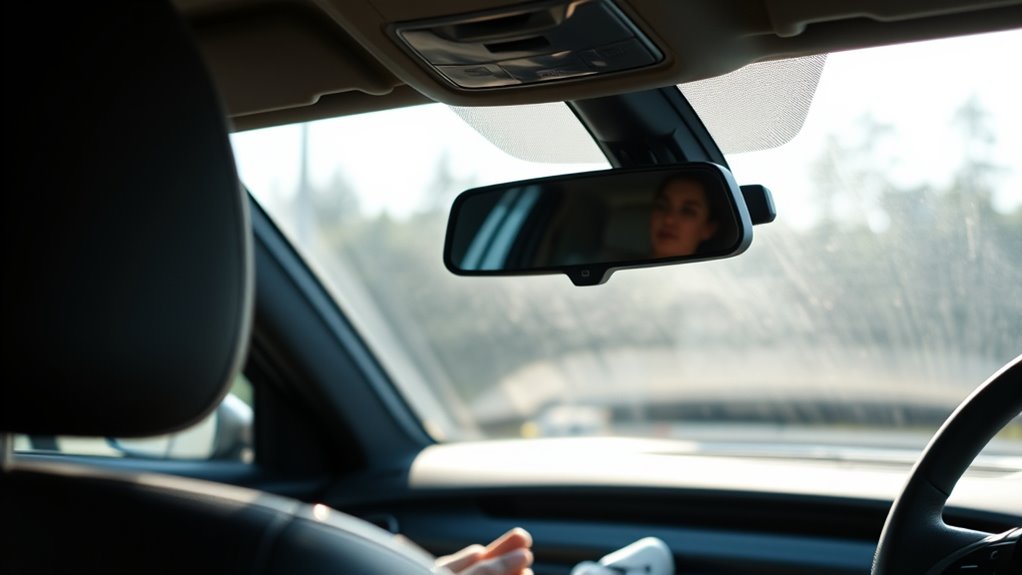
Understanding the legal differences between personal and commercial recordings is essential to avoiding trouble. Personal use typically falls under state wiretapping and trespass laws that target private individuals. Commercial use, like rideshare or delivery services, can trigger industry regulations, employer policies, and notice requirements. Moreover, awareness of Deaf Vibes techniques can assist in understanding auditory sensitivities related to recording environments. It is also important to recognize that recording laws vary significantly by jurisdiction, which can influence legal outcomes. Familiarity with these legal distinctions can help prevent inadvertent violations and potential legal consequences. Additionally, staying informed about regulatory updates can help individuals adapt to changing legal landscapes.
Frequently Asked Questions
Can I Record My Own Driving Without Worrying About Legal Issues?
Yes, you can record your own driving without worrying too much about legal issues, especially if you’re only capturing video and not audio. Just make sure your camera doesn’t obstruct your view or violate distracted driving laws. However, if you include audio, check your state’s consent laws, as some require all-party consent. Always follow local regulations to avoid potential legal complications, particularly if recordings are shared or used commercially.
Do Federal Laws Override State Rules on In-Car Audio and Video Recording?
You’re in the driver’s seat when it comes to federal versus state laws. Federal laws generally set the baseline, but they don’t always override state rules, especially for in-car audio recording. If you’re in a one-party consent state, federal laws usually align, but in all-party consent states, stricter state laws take precedence. Don’t put all your eggs in one basket—know your state laws to stay on the safe side.
Is It Legal to Share In-Car Footage With Friends or Social Media?
You should avoid sharing in-car footage with friends or on social media without careful consideration. Sharing could breach privacy laws, violate your rideshare company’s policies, or harm your legal case if the footage becomes evidence. Always consult your attorney first, and only share footage with relevant authorities or legal representatives. Keep recordings private unless you have explicit permission or a clear legal reason to distribute them.
Are There Specific Laws for Recording in Rideshare or Commercial Vehicles?
Imagine you’re a rideshare driver with a dash cam, capturing every moment to guarantee safety. Laws vary: in California and Illinois, all-party consent is mandatory, meaning everyone must agree to be recorded. Uber and Lyft require notifications and compliance with local laws. Violating these rules can lead to hefty fines or jail time. Always check your state’s specific laws, place visible signs, and inform passengers before recording to stay compliant.
What Are the Risks of Storing Footage on Cloud Services Versus Local Devices?
Storing footage on cloud services exposes you to risks like hacking due to weak passwords, data interception, and unsecured WiFi connections. Cloud storage also risks data leaks, accidental sharing, and loss if vendor vulnerabilities occur. Local devices, on the other hand, face theft, device failure, or SD card corruption, which can permanently delete important evidence. Both options require careful security measures to protect your footage effectively.
Conclusion
So, next time you set up that hidden camera or hit record on your dash, remember: you’re not just capturing your commute—you’re risking a Hollywood-style legal drama. Think your privacy myths are harmless? Think again. Before you become the star of a courtroom saga, take a moment to understand the real rules. After all, who knew that filming inside your own car could turn into the plot twist you didn’t see coming?
Evergreen bestsellers Picks
bestsellers
As an affiliate, we earn on qualifying purchases.