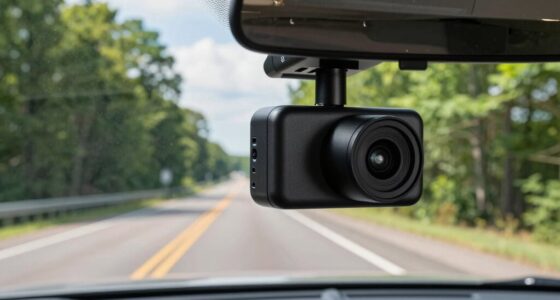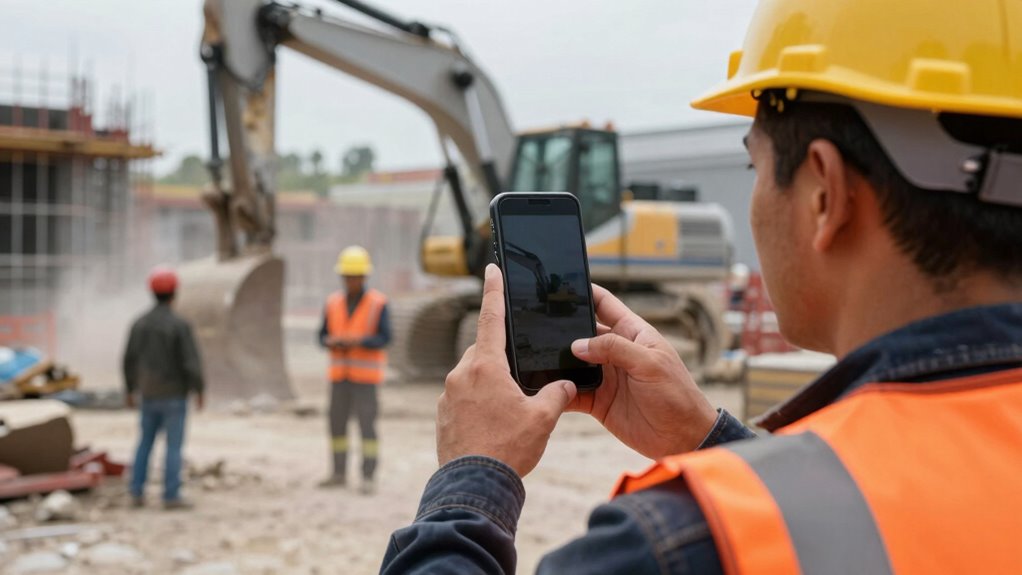

While claiming you recorded for safety, it’s not always enough to protect you legally or respect others’ privacy. Laws about recording vary, and doing so without consent or in sensitive situations can lead to criminal charges or lawsuits. Privacy expectations still apply, even in public. Relying solely on recordings can be risky, as footage might be challenged or misused. To avoid surprises, it’s important to understand legal and ethical limits—more details ahead can help you navigate these boundaries.

Get business pricing on garage and car supplies
- Business-only prices and quantity discounts
- Tax-exempt purchasing
- Multiple users, one account, clear invoices
Key Takeaways
- Recording solely for safety does not exempt you from legal requirements or privacy laws.
- Footage may be challenged or manipulated, reducing its reliability as evidence.
- Privacy expectations in public spaces can be violated, leading to legal or ethical issues.
- Proper recording practices and additional evidence are often necessary to support safety claims.
- Over-relying on recordings without understanding local laws risks legal penalties or damage to reputation.
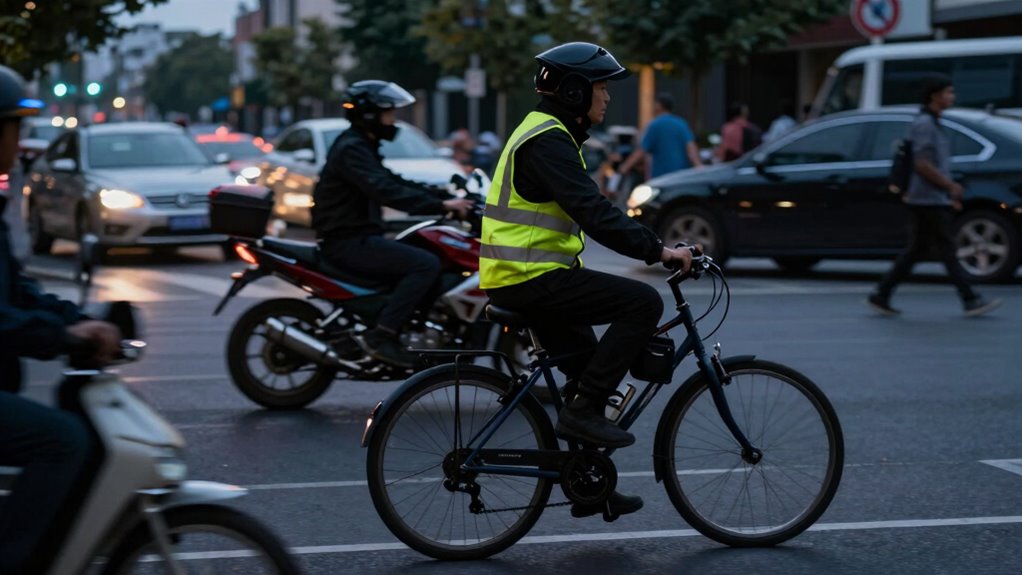
Recording footage for safety might seem like enough to protect yourself in a dispute, but in reality, it often isn’t. While capturing video can help document incidents or defend your actions, it doesn’t automatically shield you from legal or ethical issues. One major concern is the legal implications surrounding recording, as laws vary by jurisdiction, but many places have strict rules about when and how you can record others. For example, some states require all parties’ consent for recordings, while others only need one person’s approval. If you record someone without their knowledge or violate specific recording laws, you could face criminal charges or civil lawsuits, even if your intent was to protect yourself. Courts might scrutinize the circumstances of your recordings, especially if they are used as evidence in disputes. Missteps in recording protocols can weaken your case or lead to legal penalties.
Recording for safety isn’t foolproof; legal and ethical issues can still put you at risk.
Alongside legal issues, privacy concerns play a significant role. When you record in public, you might assume you’re within your rights, but you should consider how your footage impacts others’ privacy. People generally expect a certain level of privacy, even in public spaces, and recording them without consent can be seen as intrusive or invasive. If your footage captures sensitive or personal moments, sharing or storing it could violate privacy rights or ethical boundaries. This can damage your reputation or lead to accusations of harassment or invasion of privacy. Furthermore, if someone feels their privacy has been compromised, they may pursue legal action against you, regardless of your safety intentions.
It’s also important to recognize that footage alone isn’t foolproof. Video evidence can be challenged, manipulated, or taken out of context, which means relying solely on recordings might not be enough to settle disputes. Law enforcement and legal professionals often require corroborating evidence and proper documentation. Plus, the presence of a recording doesn’t automatically justify actions that could infringe on privacy or break laws. You need to be aware of the rules governing recordings in your area and weigh the potential consequences.
In essence, while safety recordings can be helpful, they aren’t a catch-all solution. You must consider the legal implications and privacy concerns connected to recording others. Doing so not only protects your legal standing but also respects the rights and expectations of those around you. Relying solely on footage without understanding these nuances might expose you to more risks than benefits.
body camera for safety recording
As an affiliate, we earn on qualifying purchases.
As an affiliate, we earn on qualifying purchases.
Frequently Asked Questions
Can Recording Footage Replace Proper Safety Training?
Recording footage can’t replace proper safety training because safety protocols require more than just observation; they involve understanding procedures and responding correctly. While recordings help identify issues, they don’t teach employees how to act in real situations. Ethical considerations also come into play, ensuring privacy and consent are respected. Effective safety depends on thorough training, not just recording incidents, to genuinely protect everyone and foster a safe work environment.
What Legal Issues Can Arise From Recording Others?
Think of recording others like planting a garden—you need permission first. Legal liabilities can sprout if you record without consent, especially in private spaces. You could face lawsuits or privacy violations. Always check consent requirements, because capturing footage without approval risks crossing legal boundaries. Ignoring these rules can turn your good intentions into legal trouble, so make certain you’re compliant before hitting record.
How Should Recordings Be Stored Securely?
To store recordings securely, you should use data encryption to protect the files from unauthorized access. Implement strict access controls, ensuring only trusted individuals can view or handle the recordings. Regularly update your security measures and passwords, and consider using secure cloud services with robust security protocols. By combining data encryption with access controls, you reduce the risk of breaches and maintain the confidentiality of your recordings effectively.
Are There Privacy Concerns With Recording in Public?
Imagine a camera lens like an open window, revealing scenes in public. You should recognize that recording in public raises privacy concerns, even if intentions are good. Respecting others’ public privacy is essential; otherwise, it challenges recording ethics. You need to balance safety with respect, ensuring your recordings don’t invade personal boundaries. Being mindful of these boundaries helps you avoid infringing on others’ rights while capturing necessary footage.
What Actions Should Be Taken if Recording Captures Unsafe Behavior?
If recording captures unsafe behavior, you should stop the recording if possible and immediately report the incident to authorities or relevant personnel. Use the footage for behavior correction, showing the unsafe actions to those responsible, and assist with emergency response if needed. Always prioritize safety, ensuring that you don’t interfere with emergency operations and that your actions support proper handling of the situation.
As an affiliate, we earn on qualifying purchases.
Conclusion
While claiming “I was recording for safety” might seem like a solid shield, it’s often just a thin veneer hiding bigger issues. Remember, recordings can protect you, but they aren’t a substitute for clear communication and understanding. Think of your safety as a delicate glass—if you rely solely on recordings, cracks can still appear. Be proactive, speak up, and foster trust—because true safety comes from connection, not just a camera lens.
As an affiliate, we earn on qualifying purchases.
As an affiliate, we earn on qualifying purchases.
Halloween Picks
halloween
As an affiliate, we earn on qualifying purchases.