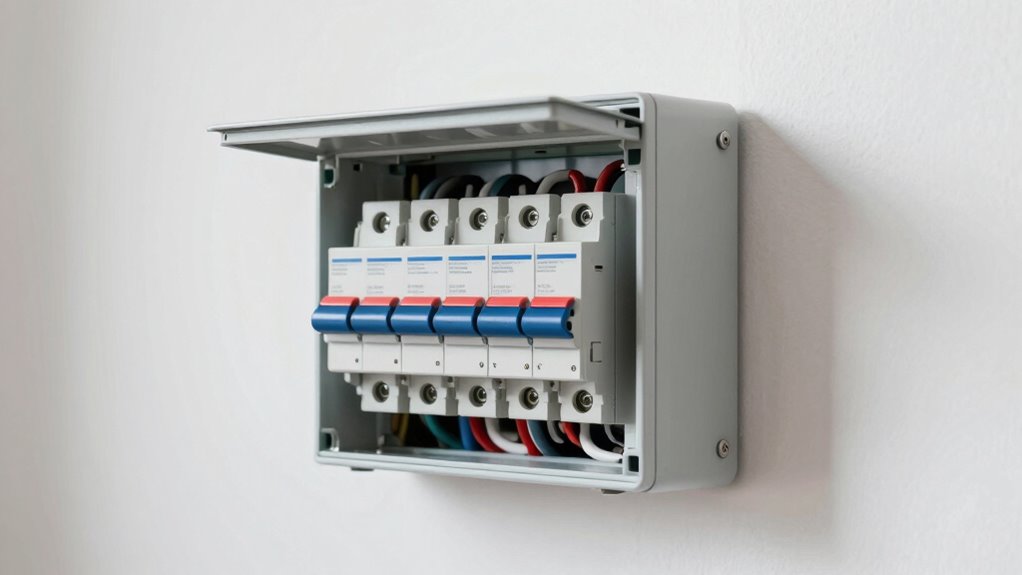

You might think that easy access to your fuse box means it’s safe, but that’s misleading. Quick access can tempt you to work on live circuits or reset fuses without addressing underlying issues, increasing risks like fires or electric shocks. Proper maintenance, load management, and regular inspections are essential for safety. If you want to understand why convenience alone isn’t enough and how to protect yourself better, keep exploring this important topic.

Get business pricing on garage and car supplies
- Business-only prices and quantity discounts
- Tax-exempt purchasing
- Multiple users, one account, clear invoices
Key Takeaways
- Easy access to fuse boxes may encourage unsafe practices like working on live circuits without proper precautions.
- Convenience-focused placement can lead to neglecting regular inspections and maintenance, increasing safety risks.
- Relying solely on fuse box location overlooks underlying issues like overloads or faulty wiring that pose hazards.
- Quick access does not ensure the fuse box complies with safety codes or is well-maintained.
- Focusing only on accessibility can create a false sense of security, ignoring the importance of proper electrical load management.

Have you ever struggled to locate or access the fuse box when an electrical issue arises? It’s a common experience, and it often leads you to believe that having the fuse box in a convenient spot is enough to prevent problems. But this sense of ease can be misleading. Just because the fuse box is easy to reach doesn’t mean it’s foolproof or safe. In fact, many homeowners underestimate the risks associated with fuse box misuse or neglect, especially when it comes to circuit overloads and safety hazards.
Circuit overloads happen when too many devices draw power through a single fuse or circuit. It’s easy to think that flipping a switch or resetting a fuse will fix the problem, but ignoring the underlying cause can lead to dangerous consequences. Overloaded circuits generate excessive heat, which can damage wiring or even start fires if left unchecked. The convenience of quick access can lead you to repeatedly reset or replace fuses without addressing the root issue, increasing the risk of electrical fires or damage to your appliances. This false sense of security makes you overlook the importance of proper load management and regular electrical inspections. A well-maintained electrical system is essential for safety and should be part of your routine home maintenance.
Overloading circuits can cause fires; don’t just reset fuses—address the root cause with proper load management and inspections.
Safety hazards are another concern that often gets overlooked when focusing solely on fuse box convenience. While being able to quickly reach the fuse box might seem like a plus, it can also encourage risky behaviors, such as working on live circuits without proper precautions. If you’re not trained or cautious, you could accidentally come into contact with exposed wiring or faulty fuses, risking electrocution. Additionally, a fuse box that’s accessible doesn’t guarantee it’s well-maintained or up to code. Corroded or outdated fuses and wiring pose serious safety threats, especially if you’re unaware of their condition. Relying solely on the fuse box’s location for safety can give you a false sense of security, leaving you vulnerable to electrical shocks, fires, or other hazards. Regular electrical safety practices are crucial for reducing these risks and ensuring your system remains reliable. Moreover, understanding electrical system components and their typical lifespan can help identify when maintenance or upgrades are necessary. Incorporating professional assessments into your home maintenance routine can further help catch potential issues early.
It’s also important to remember that proper electrical safety practices include more than just accessibility. Regular inspections and professional assessments can detect issues before they become hazards. Without these preventative measures, small problems can escalate into major dangers over time. Ultimately, the convenience of a fuse box’s location can be deceptive. It’s important to remember that safety is about more than just accessibility. Regular inspections, proper load distribution, and professional maintenance are essential steps to prevent circuit overloads and reduce safety hazards. Having a fuse box in a convenient spot doesn’t absolve you from these responsibilities. Instead, it’s a reminder that electrical safety requires awareness, caution, and proactive care, not just easy access. Never assume that convenience equals safety, because in the realm of electricity, that assumption could be costly.
As an affiliate, we earn on qualifying purchases.
Frequently Asked Questions
How Often Should I Inspect My Fuse Box for Safety?
You should inspect your fuse box for safety at least once a year. Regular fuse box maintenance helps identify signs of wear, corrosion, or loose connections that could compromise electrical safety. During inspections, look for burn marks, unusual smells, or flickering lights. If you’re unsure or notice issues, call a professional electrician. Staying vigilant guarantees your electrical system remains safe and reliable, preventing potential hazards or electrical failures.
Can a Fuse Box Handle Future Electrical Upgrades?
You might think your fuse box can handle future electrical upgrades, but often it can’t. Its electrical capacity is limited, making upgrades tricky or risky. While some fuse boxes seem ready for expansion, they might lack upgrade compatibility, leading to potential overloads or electrical hazards. Before planning any upgrades, it’s wise to have a professional assess whether your fuse box can safely support your future electrical needs.
What Are Signs of a Failing Fuse Box?
You’ll notice signs of a failing fuse box if it frequently trips or shows burn marks, indicating circuit overloads. The fuse box lifespan is limited, and aging components can cause electrical issues. You might also experience flickering lights or blown fuses often. These signs suggest it’s time to check your fuse box, as continued neglect can lead to dangerous electrical failures or fires. Regular inspections help guarantee safety and proper functioning.
How Does Fuse Box Design Vary by Household Size?
You might find that fuse box design varies based on household size, subtly reflecting your needs. Larger homes often feature higher fuse box capacity to accommodate extensive household wiring, ensuring all circuits run smoothly. Smaller residences typically have more modest fuse boxes, tailored to their wiring demands. This thoughtful design helps prevent overloads, making sure your electrical system stays safe and reliable, no matter the size of your household.
Are There Hidden Dangers in Modern Fuse Box Setups?
Yes, modern fuse box setups can hide dangers like inadequate surge protection, leaving your home vulnerable to power surges that damage appliances or pose fire risks. Poor circuit labeling can also lead to accidental overloads or incorrect repairs, increasing hazards. Always guarantee your fuse box is properly labeled and equipped with surge protection devices. Regular inspections by a qualified electrician help identify hidden dangers and keep your home safe.
As an affiliate, we earn on qualifying purchases.
Conclusion
Remember, appearances can be deceiving. While a fuse box might seem like the ultimate convenience, don’t let it lull you into a false sense of security. Always stay vigilant, understand your system, and know when to call in the experts. An ounce of prevention is worth a pound of cure, so don’t overlook the importance of proper maintenance and safety. Stay informed, stay safe—your home’s electrical health depends on it.
As an affiliate, we earn on qualifying purchases.
ground fault circuit interrupter (GFCI) outlet
As an affiliate, we earn on qualifying purchases.
As an affiliate, we earn on qualifying purchases.
Fall Picks
fall essentials
As an affiliate, we earn on qualifying purchases.