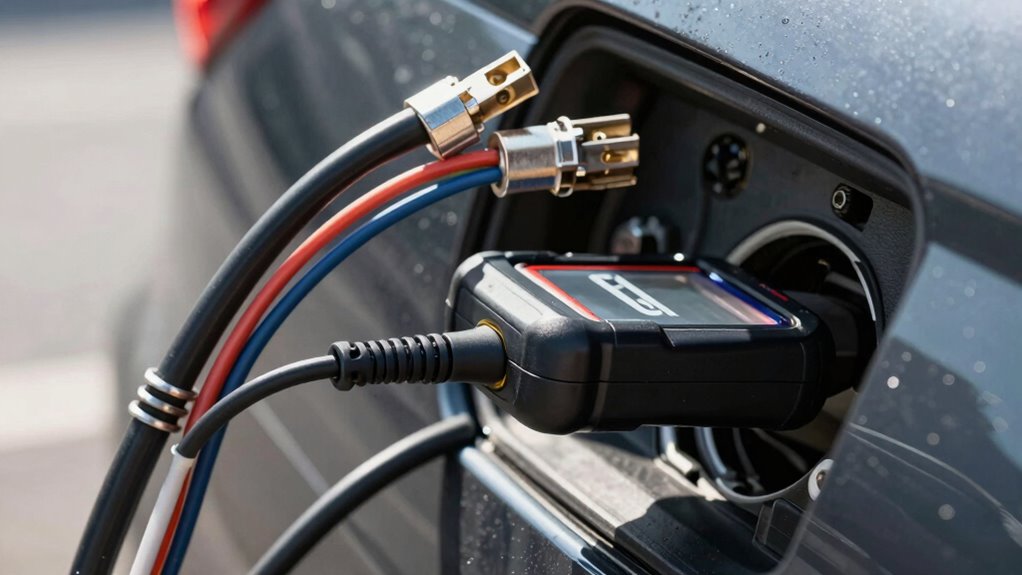

Choosing between hardwiring and OBD power depends on your needs. Hardwiring offers a stable, reliable power source perfect for long-term setups, but it’s more complex and requires technical skills. The OBD port makes installation quick and easy, ideal for temporary or frequent changes but might have limited power and stability issues. If you want to understand which fits your vehicle and goals best, keep exploring—there’s more to learn about each option.
Key Takeaways
- Hardwiring offers stable, high-power support but involves complex installation and potential safety risks.
- OBD power is quick and easy to connect, suitable for temporary setups but limited in power and stability.
- Hardwiring is ideal for permanent, high-demand devices; OBD power suits low to moderate power needs.
- Safety considerations include proper insulation and fuses for hardwiring, while avoiding overloads in OBD connections.
- Vehicle access and device requirements determine whether hardwiring or OBD power is the most practical solution.
Understanding the Basic Differences Between Hardwiring and OBD Power
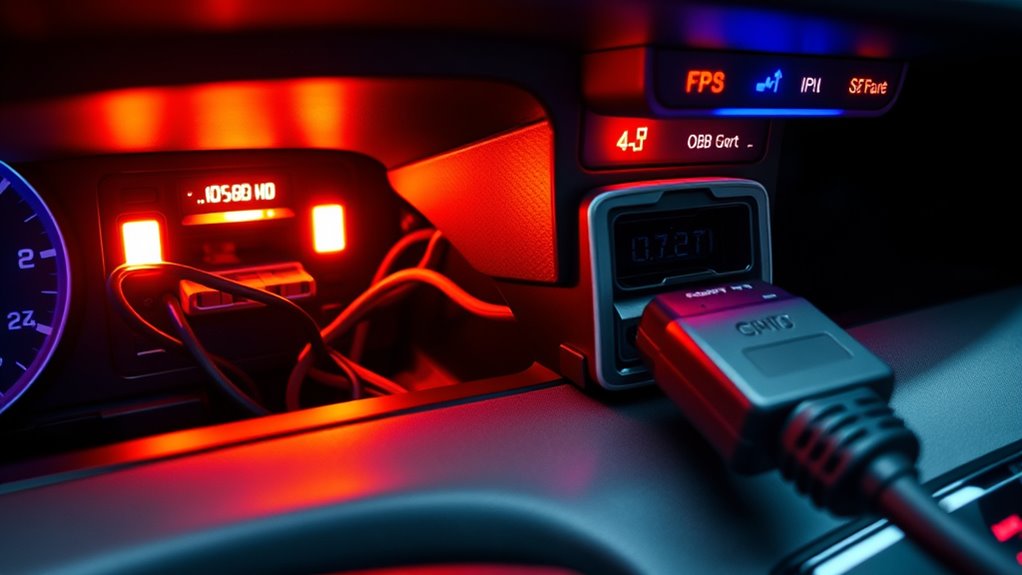
When deciding between hardwiring and OBD power for your car accessories, understanding their basic differences is essential. Hardwiring involves connecting your device directly to the vehicle’s electrical system, which requires knowledge of vehicle compatibility and proper installation. This method generally offers better power stability, ensuring your device receives a consistent power supply. In contrast, OBD power draws energy through the car’s OBD-II port, making installation simpler and more adaptable across different vehicles. However, OBD power may sometimes be less reliable in maintaining a steady power flow, especially if the port’s power output varies. Knowing these distinctions helps you choose the option that best aligns with your vehicle’s compatibility and your need for reliable, stable power. Additionally, understanding the power requirements of your devices can help prevent potential electrical issues and optimize performance. Being aware of vehicle wiring systems can further assist in making an informed decision. Recognizing the differences in electric power generation methods is also useful when considering alternative power solutions for your vehicle.
Advantages and Disadvantages of Hardwiring Your Devices
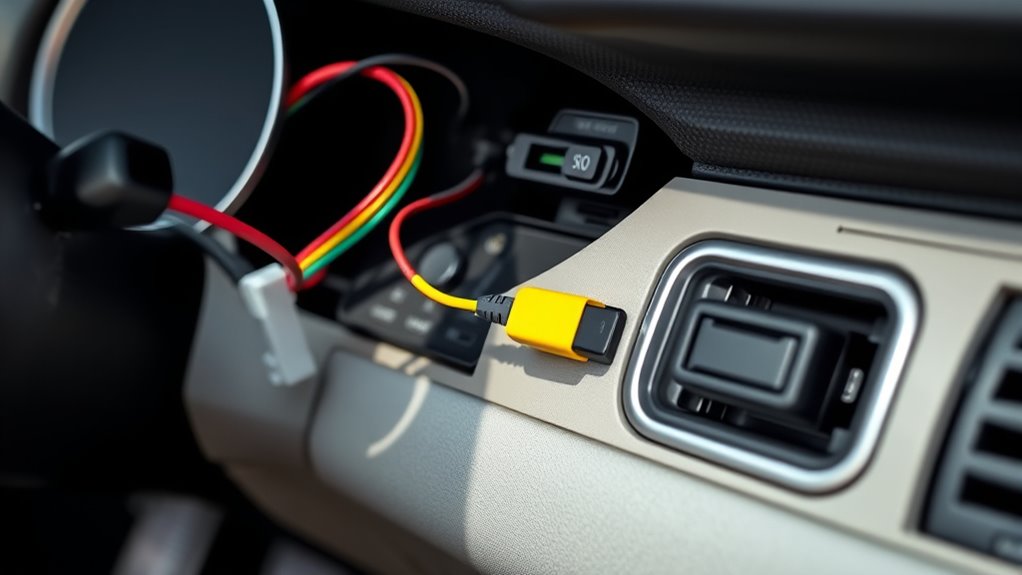
Hardwiring your devices offers several significant advantages, primarily regarding power stability and customization. You get a reliable connection that prevents power dips, ensuring your devices perform consistently. However, installation complexity can be a challenge; it requires basic wiring skills and sometimes professional help. Cost considerations also come into play—hardwiring often involves higher upfront expenses for parts and installation. To better understand, consider this table:
| Advantage | Disadvantage | Best For |
|---|---|---|
| Stable power supply | Installation complexity | Long-term use |
| Customization options | Higher initial cost | Advanced setups |
| Reduced interference | Requires technical skills | Professional installation needed |
Additionally, integrating energy-efficient solutions can further enhance the benefits of hardwiring by reducing overall power consumption and supporting sustainable practices. Proper wiring techniques and electrical safety protocols are essential to prevent hazards during installation. Furthermore, understanding the power supply needs of your devices can help optimize your wiring setup for better performance. Incorporating Suprem fabric in your device enclosures or accessories can provide added durability and comfort, complementing your electrical setup.
Benefits and Drawbacks of Using OBD Power Sources
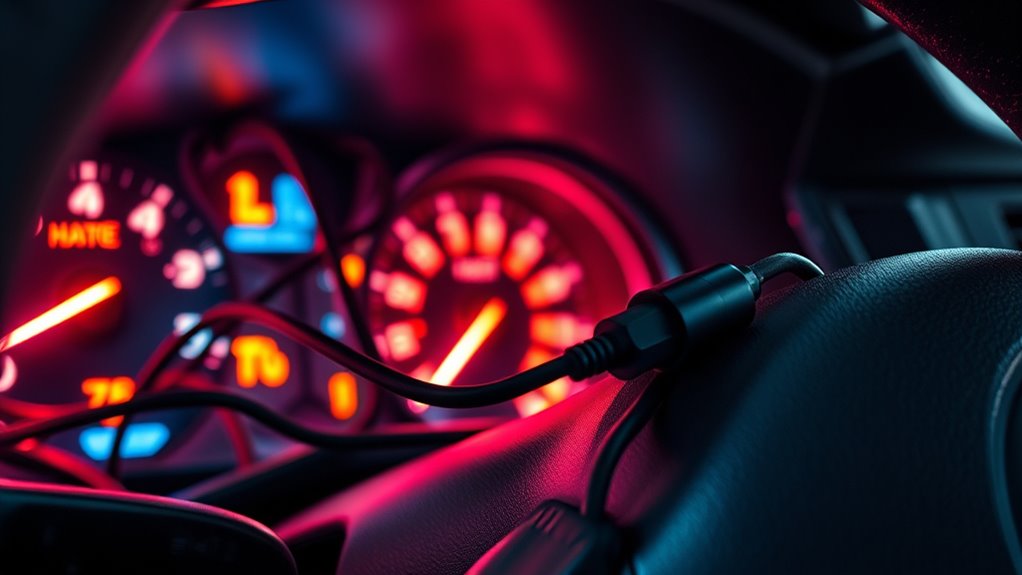
Using OBD power sources offers a convenient way to power your devices without the need for complex wiring. They simplify installation, letting you avoid drilling or extensive wiring work. Plus, many OBD ports supply stable power, which helps maintain consistent operation. With features like wireless charging compatibility, you can easily keep your devices charged without extra cables cluttering your dashboard. However, OBD power can have drawbacks. Voltage regulation may vary, risking inconsistent power delivery that could affect device performance or safety. Also, OBD ports might not supply enough power for high-demand devices, limiting their usefulness. Relying solely on OBD power sources can sometimes restrict your options, especially if your vehicle’s port isn’t compatible or doesn’t provide sufficient power. Additionally, understanding power limitations can help you choose the best power source for your specific needs. Recognizing vehicle electrical system capabilities is essential to prevent overloads and ensure safety when connecting multiple devices. Being aware of electrical capacity is crucial for avoiding potential damage to your vehicle’s system. Keep in mind that body jewelry measurements and materials are essential considerations for ensuring compatibility and safety when installing accessories or devices connected to your vehicle’s power system. In some cases, vehicle electrical systems may not support high current loads, which can impact device performance and safety.
Safety Considerations When Choosing Between Hardwiring and OBD Power

Choosing between hardwiring and OBD power sources involves evaluating the safety implications of each option. Hardwiring can pose a fire hazard if connections aren’t properly insulated or if the wiring isn’t rated for your device’s power load. Additionally, improper installation might interfere with critical systems like airbag deployment, risking malfunction during an accident. Proper installation procedures are essential to ensure safety and prevent potential hazards. You should also consider electrical load when planning your setup, as exceeding recommended limits can increase risks. Using the correct fuses and circuit protection is crucial to prevent overloads and short circuits. OBD power, on the other hand, reduces these risks since it draws power directly from the vehicle’s diagnostic port, which is designed for safe data and power transfer. However, overloading the port or using incompatible devices can still create safety concerns. Always verify connections are secure, use appropriate fuses, and follow manufacturer guidelines to minimize fire hazards and prevent interference with safety systems like airbags. Additionally, understanding the electrical capacity of your vehicle can help prevent overloading and ensure a safe setup, especially when considering system compatibility and overall vehicle safety features.
Practical Scenarios: When to Choose Hardwiring Over OBD and Vice Versa

Deciding whether to hardwire or use the OBD port depends on your specific needs and the situation. If you’re doing regular battery maintenance or need a stable power source for long-term device use, hardwiring is often better because it provides continuous power without relying on the OBD port’s availability. Hardwiring also suits vehicles with limited or incompatible OBD connections. Additionally, some vehicles may have restricted access to the OBD port, making hardwiring the more practical choice. In such cases, understanding vehicle electrical systems can help you make more informed decisions about wiring choices. Being aware of power source options available in your vehicle can further assist in selecting the most appropriate method for your needs. For example, knowing whether your vehicle supports direct wiring to the battery or requires alternative methods can influence your decision. Conversely, if you want a quick, non-invasive setup for temporary diagnostics or simple monitoring, the OBD port is more convenient and easier to access. Vehicle compatibility is key—some vehicles lack accessible OBD ports or have restricted access, making hardwiring the only option. Consider your usage frequency, device power requirements, and your vehicle’s setup to choose the best solution.
Frequently Asked Questions
Can Hardwiring Affect My Vehicle’s Warranty?
Hardwiring your device can affect your vehicle’s warranty if it violates manufacturer policies or causes damage. Some manufacturers may see hardwired modifications as invasive, risking warranty implications. To avoid issues, always check your vehicle’s warranty terms and manufacturer policies before proceeding. If done professionally and correctly, hardwiring may not void your warranty, but it’s best to verify with your dealer to prevent potential complications.
How Does Power Stability Compare Between Hardwiring and OBD?
You might think hardwiring provides more stable power, but in reality, OBD power often offers better voltage consistency, reducing fluctuations that could affect device performance. Hardwiring can sometimes increase interference susceptibility, leading to inconsistent signal quality. While hardwiring connects directly to the vehicle’s fuse box, OBD power draws from the diagnostic port, typically maintaining steadier voltage and minimizing electrical noise, making it more reliable for sensitive electronics.
Are There Specific Vehicle Models Better Suited for One Method?
You’ll find that certain vehicle models are better suited for hardwiring, especially those with accessible fuse boxes or dedicated power circuits, making installation easier and more stable. For OBD power, compatibility depends on your vehicle’s OBD port availability and whether it supplies consistent power. Always consider model-specific considerations like wiring accessibility and electrical system design, as these factors influence which method is more reliable and straightforward for your vehicle.
What Are the Long-Term Maintenance Requirements for Each Setup?
Imagine you install a hardwired system in your truck; it requires more installation effort and cost, leading to higher long-term maintenance. OBD setups are simpler and cheaper, needing less upkeep. Over time, hardwired systems might need occasional checks for wiring wear, while OBD systems generally require minimal maintenance. Your choice affects long-term costs and effort, so consider installation complexity and cost differences when planning for durability and ease of upkeep.
Does Climate Impact the Performance of Hardwired or Obd-Powered Devices?
Climate can definitely impact the performance of your hardwired or OBD-powered devices. Extreme temperatures may cause installation challenges and reduce climate resilience, especially for hardwired systems exposed to harsh conditions. OBD devices, being typically plug-and-play, might handle temperature fluctuations better but can still face issues if exposed to moisture or extreme cold. Overall, consider your climate when choosing a setup to guarantee reliable performance and easier installation.
Conclusion
Choosing between hardwiring and OBD power depends on your needs and vehicle setup. Hardwiring offers a cleaner, more permanent solution, but requires more effort and safety precautions. OBD power is quick and convenient, though less versatile. Did you know that over 70% of drivers prefer OBD for temporary setups? Understanding these options helps you make an informed decision, ensuring your devices stay powered safely and effectively, no matter which method you choose.