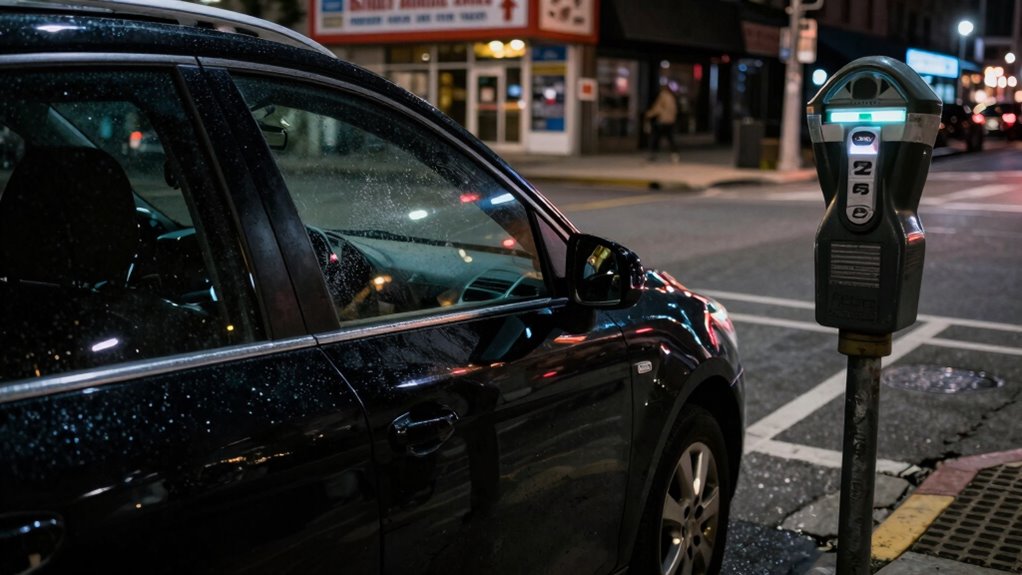

Short trips and parking mode together can quickly drain your vehicle’s battery and cause sensor errors. When you don’t drive long enough, your battery doesn’t have time to fully recharge, especially in cold weather. Parking mode keeps systems active, drawing even more power and weakening the battery over time. This combination also prevents sensors from recalibrating properly, leading to false error messages. If you want to protect your vehicle’s health, it’s worth understanding how to avoid these issues.

Get business pricing on garage and car supplies
- Business-only prices and quantity discounts
- Tax-exempt purchasing
- Multiple users, one account, clear invoices
Key Takeaways
- Short trips prevent full recharging of the battery, leading to gradual weakening and increased starting problems.
- Parking mode remains active during short trips, continuously draining the battery and causing power loss.
- Insufficient driving cycles hinder sensor recalibration, resulting in false error messages and potential repairs.
- Inadequate operation cycles impair vehicle electronics, reducing overall system performance and longevity.
- Proper, longer drives are essential to fully recharge systems, maintain sensor accuracy, and ensure vehicle health.

Short trips may seem convenient, but they can pose significant risks when your car is in parking mode. When you frequently take short drives, your vehicle’s systems don’t get enough time to fully recharge, which can lead to battery drain over time. The battery relies on regular, longer drives to replenish its charge, and without this, it gradually weakens. As your battery diminishes, your car becomes more susceptible to starting problems, especially on colder mornings. You might find yourself needing a jump-start more often, which isn’t just inconvenient but also stressful.
Frequent short trips in parking mode can weaken your battery and cause starting issues, especially in cold weather.
In addition to battery drain, short trips in parking mode can cause sensor errors to crop up. Modern vehicles are equipped with numerous sensors that monitor everything from tire pressure to brake systems. These sensors need consistent operation and calibration, which longer drives help maintain. When you limit your trips, these sensors don’t get the chance to recalibrate or reset properly. As a result, error messages can pop up on your dashboard, indicating issues that might not truly exist. These false sensor errors can lead you to believe there’s a mechanical problem, prompting unnecessary repairs or diagnostics.
Parking mode itself is designed for stationary periods, but when combined with frequent short trips, it can exacerbate problems. While the car is parked, systems like the alarm, security, and electronic modules remain active, drawing power from the battery. If your trips are too short, the vehicle doesn’t have enough time to recover from this power drain. Over time, this constant cycle of partial drain can cause your battery to weaken prematurely. Additionally, these short trips hinder essential components like the alternator from fully recharging the battery, creating a cycle of insufficient power that accelerates wear and tear. Moreover, inadequate driving conditions can lead to battery maintenance issues that could have been prevented with proper vehicle usage. It’s also important to understand how vehicle electronics depend on complete operational cycles to function correctly. Ensuring proper vehicle operation can greatly reduce the risk of these problems developing, especially when you consider the importance of regular driving patterns for maintaining vehicle health.
As an affiliate, we earn on qualifying purchases.
Frequently Asked Questions
How Can I Tell if My Battery Is Deteriorating From Short Trips?
You can tell your battery is deteriorating from short trips if it’s frequently struggling to start your car or if it shows slow cranking. To prevent this, focus on proper battery maintenance and make certain you use correct charging techniques, especially after short trips. Regularly check the battery’s voltage and clean terminals. If you notice issues, consider a professional inspection or replacement to avoid unexpected failures.
Are Certain Vehicle Models More Vulnerable to Parking Mode Issues?
Think of some vehicles as fragile glassware—more prone to damage from small, repeated shocks. Certain models, especially older or luxury cars with complex electronics, are more vulnerable to parking mode issues. This can impact vehicle safety, causing sensors or systems to malfunction. If your car’s parking sensors act up after short trips, it’s a sign your vehicle might need extra care or updates to prevent future problems.
What Are the Signs My Parking Mode System Is Malfunctioning?
You’ll notice your parking sensors act erratically or give false alerts, which signals a parking mode malfunction. The alarm system might randomly go off or fail to activate when needed. If your vehicle’s parking sensors or alarm system behave strangely, it’s a clear sign your parking mode isn’t functioning properly. Addressing these issues promptly helps prevent further damage and guarantees your vehicle’s safety and security.
Can Using a Trickle Charger Prevent Battery Damage During Short Trips?
Using a trickle charger can help prevent battery damage during short trips by maintaining proper charge levels. It supports battery maintenance and guarantees your vehicle’s battery doesn’t drain completely, especially when parking mode is active. Applying correct charging techniques with a trickle charger keeps your battery healthy, reducing the risk of failure. This simple step helps you avoid costly replacements and keeps your car ready to go, even after many short trips.
How Often Should I Drive to Maintain Optimal Battery Health?
Think of your battery as a delicate garden; to keep it thriving, you need consistent care. Drive your car at least once a week for about 20-30 minutes. This allows the battery to complete charging cycles, maintaining its capacity. Regular trips prevent the battery from sitting idle, reducing the risk of capacity loss. Consistent driving nourishes your battery, ensuring it stays healthy and ready to power your journeys.
As an affiliate, we earn on qualifying purchases.
Conclusion
In the end, short trips and parking mode don’t mix well, risking battery drain and potential damage. Think of it like “a stitch in time saves nine”—addressing these issues early can save you bigger headaches later. If you often make quick trips, consider driving your car longer or using a trickle charger. It’s better to be safe than sorry, especially when it comes to keeping your vehicle healthy and ready to go.
As an affiliate, we earn on qualifying purchases.
As an affiliate, we earn on qualifying purchases.
Fall Picks
fall essentials
As an affiliate, we earn on qualifying purchases.