
When you charge your car while recording, electrical noise can occur because the vehicle’s power system introduces interference from components like the alternator or inverter. This noise can cause humming, buzzing, or distorted images and audio. Differences in vehicle types and wiring quality also impact interference levels. To overcome this, proper grounding, shielding, and filtering are essential. If you want to understand how to minimize these issues effectively, keep exploring these key solutions.

Get business pricing on garage and car supplies
- Business-only prices and quantity discounts
- Tax-exempt purchasing
- Multiple users, one account, clear invoices
Key Takeaways
- Alternator output fluctuations during charging generate electrical harmonics that cause noise in recordings.
- Inadequate grounding and shielding allow electrical interference to infiltrate sensitive recording equipment.
- High electrical loads from charging systems increase electromagnetic interference, disrupting audio and video signals.
- Using unshielded or low-quality cables permits electromagnetic coupling, leading to noise during simultaneous charging and recording.
- Proper electrical system maintenance, filtering, and separation of charging and recording devices minimize interference effects.
How Vehicle Electrical Systems Affect Audio and Video Quality

Your vehicle’s electrical system plays a crucial role in determining the quality of your audio and video recordings. Alternator harmonics can introduce unwanted electrical noise into your system, causing interference that distorts sound and image clarity. When the alternator operates, its harmonics create fluctuations that ripple through the electrical circuitry, affecting sensitive recording equipment. Additionally, battery voltage fluctuations occur as your vehicle’s electrical load shifts, leading to inconsistent power delivery. These fluctuations can result in sudden changes in audio levels or video stability issues. To maintain ideal recording quality, your vehicle’s electrical system must stay stable, minimizing alternator harmonics and voltage fluctuations. Proper grounding and electrical filtering can help reduce these effects, ensuring your recordings are clear and free from electrical noise. Implementing Electrical noise reduction techniques is essential for achieving optimal recording performance in vehicles, especially when dealing with electrical interference that can compromise signal integrity. Moreover, understanding the vehicle electrical system can help identify potential sources of noise before they affect your recordings. Regular maintenance of electrical connections can further improve overall stability and recording clarity. Additionally, incorporating electromagnetic shielding can provide extra protection against external electrical disturbances.
Common Causes of Electrical Interference During Charging
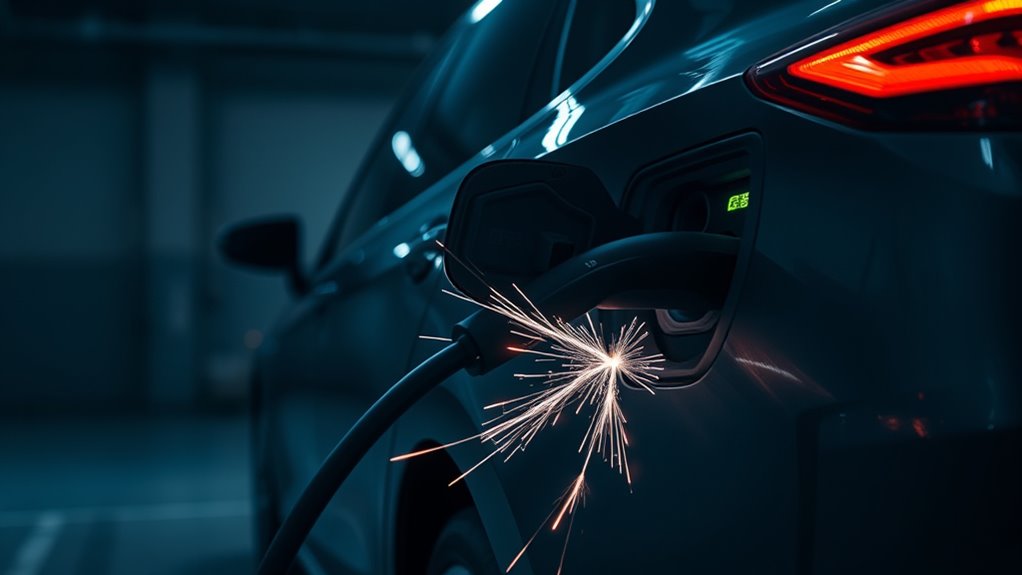
Electrical interference during charging often stems from specific issues within your vehicle’s electrical system. Alternator noise is a common culprit, caused by fluctuations in the alternator’s output that create hum or buzzing sounds in audio recordings. Inverter interference can also occur when your vehicle’s inverter introduces electrical noise, disrupting sensitive electronic devices. These problems typically happen when the electrical system isn’t properly shielded or when components aren’t well isolated, allowing unwanted signals to seep into your audio or video equipment. High electrical loads or poor wiring connections can exacerbate these issues, making interference more noticeable during charging. Proper shielding of electrical components and wiring plays a crucial role in reducing these disturbances. Additionally, implementing noise filtering techniques can significantly improve audio quality during charging situations. Ensuring your vehicle’s electrical system is well-maintained and grounded properly can help minimize these types of interference, especially in complex or older systems. Regular inspection and maintenance of the electrical connections can also prevent many common noise issues from developing. Properly installing electrical components can further reduce the likelihood of interference affecting your devices.
The Role of Grounding and Shielding in Noise Reduction

Grounding and shielding are crucial techniques for minimizing electrical noise during charging, especially when recording audio or video. Proper grounding techniques ensure that excess electrical energy is safely directed away from sensitive equipment, reducing interference. Using a solid, low-resistance ground connection helps stabilize voltage levels and prevents noise from entering your recordings. Shielding methods involve surrounding cables and components with conductive materials that block electromagnetic interference. Applying shielding techniques, such as using shielded cables or grounding enclosures, minimizes the impact of external noise sources. Additionally, understanding the warranty considerations related to reconditioning batteries can help you avoid potential legal and financial issues, emphasizing the importance of proper procedures. Employing effective cable management practices can further reduce electromagnetic coupling and noise pickup. Furthermore, implementing proper grounding and shielding techniques is essential for high-quality recording during vehicle charging.
Differences Between Vehicle Types and Their Impact on Noise
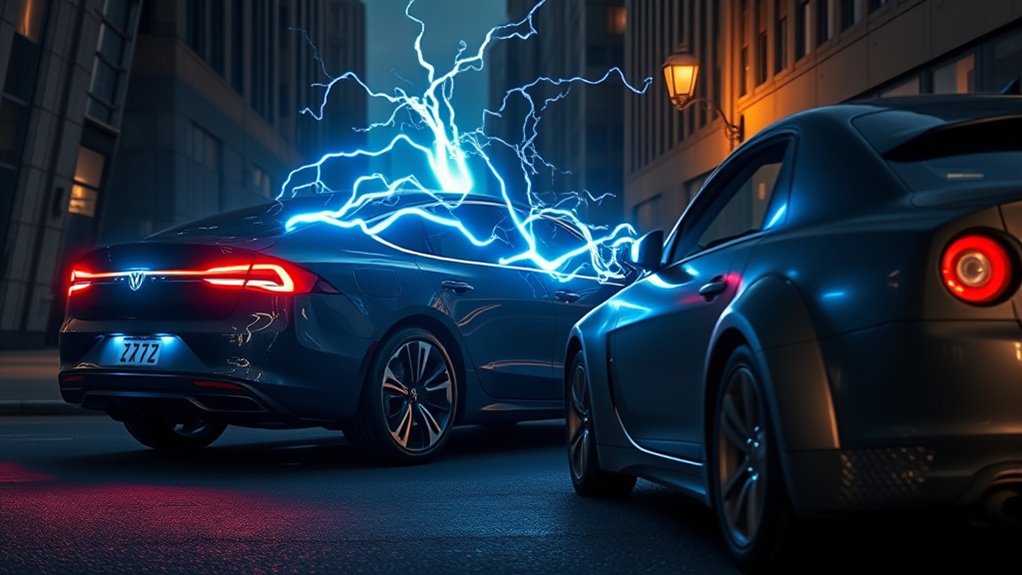
Different vehicle types present unique challenges when it comes to noise during recording while charging. Electric vehicles (EVs) generate less engine noise but often produce electrical interference from their high-voltage systems, leading to potential audio disruptions. Hybrid cars, combining an internal combustion engine with electric power, can introduce noise from both systems, especially when switching between modes. The way these vehicles handle power delivery and grounding affects the level of electrical interference you might encounter. EVs tend to have more sophisticated shielding, reducing noise, whereas hybrids may have more complex electrical pathways that can cause additional interference. Understanding these differences helps you anticipate potential issues and choose the right vehicle or setup for cleaner recordings during charging. Additionally, the regulatory standards for electromagnetic emissions can influence how much electrical noise is generated by different vehicle types, impacting recording quality. Being aware of the electrical shielding quality in your vehicle can also help you mitigate some of these noise issues effectively. Moreover, variations in electrical grounding methods across vehicle models can significantly influence the level of electrical noise transmitted during recording. In some cases, the wiring layout within the vehicle can also contribute to the amount of electrical noise produced. A better understanding of noise filtering techniques can further aid in reducing interference during recordings.
Practical Tips to Minimize Interference When Charging and Recording
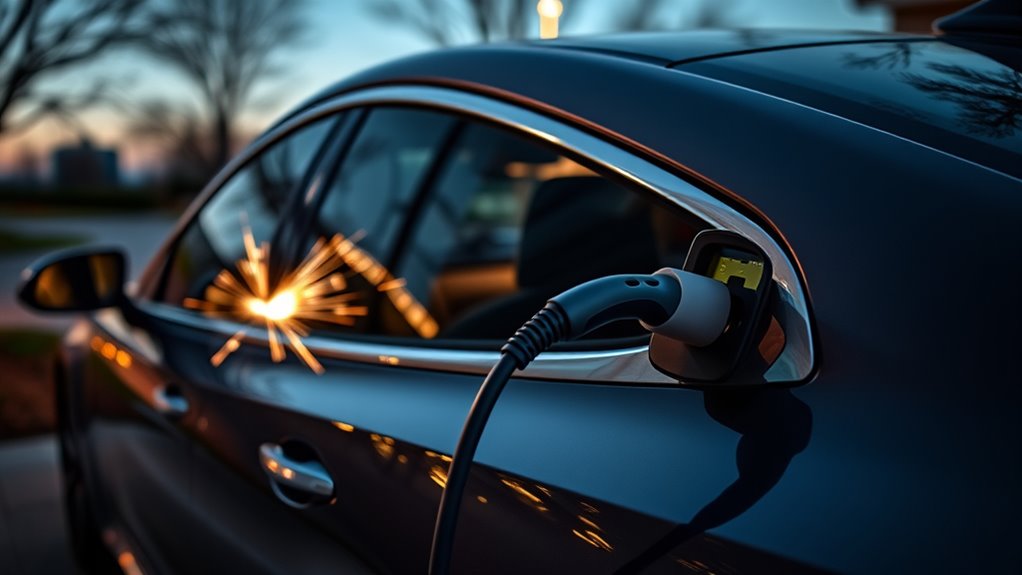
To reduce interference when charging and recording simultaneously, start by using shielded cables to block noise. Choose quiet chargers designed to minimize electrical noise, which helps keep your recordings clean. Also, keep your charging device separate from your recording equipment to prevent unwanted signals from crossing. Incorporating smart power management features can further help in minimizing electrical interference during simultaneous use. Additionally, selecting high-quality chargers that meet safety standards can significantly reduce electrical noise and improve overall recording clarity. Being aware of Bitcoin market volatility is also crucial, as fluctuations can impact your investment decisions and recording strategies related to financial content. Implementing proper grounding techniques can help in reducing electrical noise and ensuring cleaner audio recordings. Moreover, understanding the importance of component shielding can significantly enhance your equipment’s resistance to electrical interference.
Use Shielded Cables
Using shielded cables is one of the most effective ways to reduce interference when charging and recording simultaneously. Cable shielding involves wrapping the conductors with a conductive layer that blocks electromagnetic interference. This shielding helps contain electrical noise and prevents it from affecting your recordings. When choosing cables, look for those with proper noise suppression features, such as braided or foil shielding. These designs create a barrier that minimizes external signals from causing static or hum in your audio. Proper shielding ensures cleaner audio quality, especially in environments with electrical noise from car charging systems. Remember, well-shielded cables are an essential tool for maintaining clear recordings while charging devices, making your setup more reliable and professional.
Opt for Quiet Chargers
Choosing quiet chargers is a simple yet effective way to reduce interference when you’re charging and recording at the same time. Look for chargers designed to minimize electromagnetic noise, especially those labeled as “quiet” or “low interference.” Wireless charging pads, for example, can cause Bluetooth interference, disrupting your device’s signals. To avoid this, select chargers with proper shielding and filtering. Using high-quality, certified chargers ensures cleaner power flow and fewer disruptions. Here’s a quick comparison:
| Charger Type | Interference Level |
|---|---|
| Wireless Charging | Can cause Bluetooth issues |
| Traditional Chargers | Usually quieter |
| Shielded Chargers | Minimize electromagnetic noise |
| Fast Chargers | May induce more interference |
Opt for quiet chargers to keep your recordings clear and your Bluetooth connections stable.
Separate Charging and Recording
Separating your charging and recording setups is one of the simplest ways to reduce electromagnetic interference. By keeping your recording device away from the charging source, you minimize the risk of noise caused by electrical currents. Make certain your charging port design supports proper shielding and grounding to prevent interference from affecting your recordings. Check that your battery compatibility matches your device to avoid overloads or voltage fluctuations that can create noise. Using a dedicated power source for charging, rather than sharing outlets or circuits, also helps isolate the electrical environment. This separation reduces the likelihood of interference, resulting in cleaner audio and video recordings. Additionally, understanding the different cookie categories can help you optimize your setup by choosing environments less prone to electrical interference. Employing proper grounding techniques can further diminish noise by providing a safe path for stray currents. Implementing these simple steps can considerably improve your recording quality without needing complex solutions.
Advanced Solutions for Eliminating Electrical Noise in Vehicles
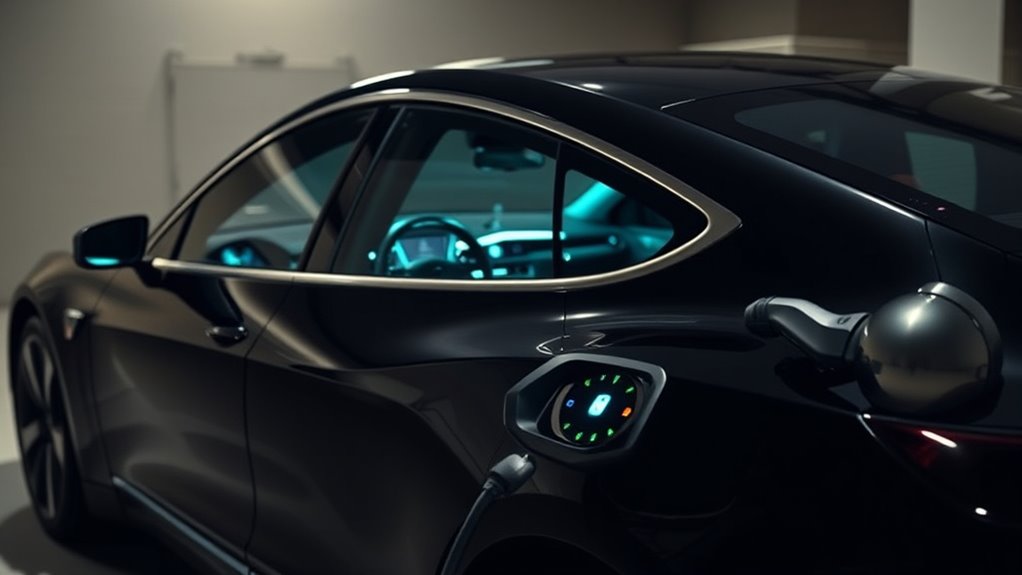
To effectively reduce electrical noise in your vehicle, you can implement advanced solutions like shielding sensitive components from interference. Upgrading your wiring systems with higher-quality or shielded cables also helps maintain clean signals. Additionally, using noise filters can further suppress unwanted electrical interference, ensuring your recordings stay clear and stable. Proper grounding techniques are also essential for minimizing electrical noise and maintaining optimal audio quality during recording.
Shielding Electrical Components
Electromagnetic interference can substantially disrupt sensitive electronic components in vehicles, but effective shielding techniques can greatly reduce this noise. You should start by applying proper grounding techniques, ensuring all components are grounded to a common point to prevent voltage differences that cause interference. Using high-quality shielding materials, such as copper or aluminum foil, around cables and electronic modules creates a barrier that blocks electromagnetic signals. Wrap sensitive wiring and connectors with these materials to minimize noise coupling. Properly grounding shielding layers enhances their effectiveness, directing unwanted interference away from critical systems. When combined, grounding techniques and shielding materials form a robust defense against electrical noise, safeguarding your vehicle’s electronics and ensuring clear audio and reliable recording.
Upgrading Wiring Systems
Upgrading your vehicle’s wiring system can greatly reduce electrical noise that interferes with recording devices. To achieve this, focus on three key steps:
- Use thicker wire gauge to minimize resistance and prevent voltage drops, especially for power lines connected to your recording gear.
- Match fuse ratings carefully—using appropriately rated fuses safeguards your system without causing unnecessary disruptions or noise.
- Replace old or thin wiring with high-quality, properly rated cables to guarantee consistent power flow and reduce interference caused by poor connections.
Using Noise Filters
While improving your wiring system reduces electrical noise, adding noise filters offers an even more effective way to guarantee crystal-clear recordings. Noise filters target specific frequencies where electrical interference occurs, providing targeted electrical suppression. Installing high-quality noise filters in your vehicle’s power lines can substantially reduce hums and static caused by charging or engine operation. These filters work by blocking unwanted signals before they reach your recording equipment, ensuring cleaner audio and better overall performance. You simply connect the filters inline with your power source or audio lines, making installation straightforward. By incorporating noise filters into your setup, you create a more stable electrical environment, minimizing noise artifacts and boosting your recording quality without major rewiring or complex adjustments.
Frequently Asked Questions
Can Using Aftermarket Accessories Increase Electrical Noise During Recording?
Yes, using aftermarket accessories can increase electrical noise during recording. They may cause alternator noise or worsen grounding issues, leading to more electrical interference. When accessories aren’t properly installed or grounded, they can introduce noise into your system. To minimize this, verify all accessories are correctly grounded and compatible with your vehicle’s electrical system. Proper installation helps reduce alternator noise and improves recording quality.
How Do Different Audio Recording Devices React to Vehicle Electrical Interference?
Imagine your audio device as a sensitive explorer, bravely facing electrical interference. Different audio recording devices react variably; some pick up ground loop hums or electrical noise during vehicle charging, while others resist thanks to shielding techniques. To minimize issues, guarantee proper grounding and use shielded cables. These measures help your device maintain clarity, turning chaos into calm, and allowing your recordings to shine without distraction.
Are Electric Vehicles More Prone to Audio Noise When Charging?
Yes, electric vehicles are more prone to audio noise when charging due to battery interference and inverter noise. As you record, you might notice hums or static caused by these electrical disturbances from the inverter converting DC to AC power. The high-voltage battery and inverter components generate electromagnetic interference, which can be picked up by sensitive audio equipment, making it challenging to achieve clear sound quality during charging.
Does the Age of a Vehicle Affect Its Electrical Noise Levels?
Yes, the age of your vehicle can affect its electrical noise levels. Over time, your vehicle’s electrical system may develop issues that cause increased interference, especially if you neglect regular vehicle maintenance. As components wear or corrode, they can introduce electrical noise when charging or recording. Keeping your electrical system well-maintained helps reduce such noise, ensuring smoother operation and better audio quality.
What Are the Legal Considerations for Modifying Vehicle Electrical Systems?
When modifying your vehicle’s electrical system, you must guarantee legal compliance to avoid fines or penalties. Check local regulations and obtain necessary permits before making changes. Be aware that some modifications can void your warranty, so review your manufacturer’s policy. Always use certified parts and follow safety standards to protect yourself and maintain legal protection. Staying informed helps you enjoy your modifications without risking legal or warranty issues.
Conclusion
By understanding how your vehicle’s electrical system can act like a stubborn noise gate, you can take steps to quiet the static. Proper grounding, shielding, and choosing the right charging setup are your shields against interference. Think of it as tuning a fine instrument—you’ll achieve clear recordings and flawless media. With a little attention, you can keep your tech running smoothly, letting your recordings shine brighter than a star in a cloudless sky.
Fall Picks
fall essentials
As an affiliate, we earn on qualifying purchases.