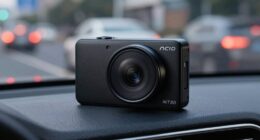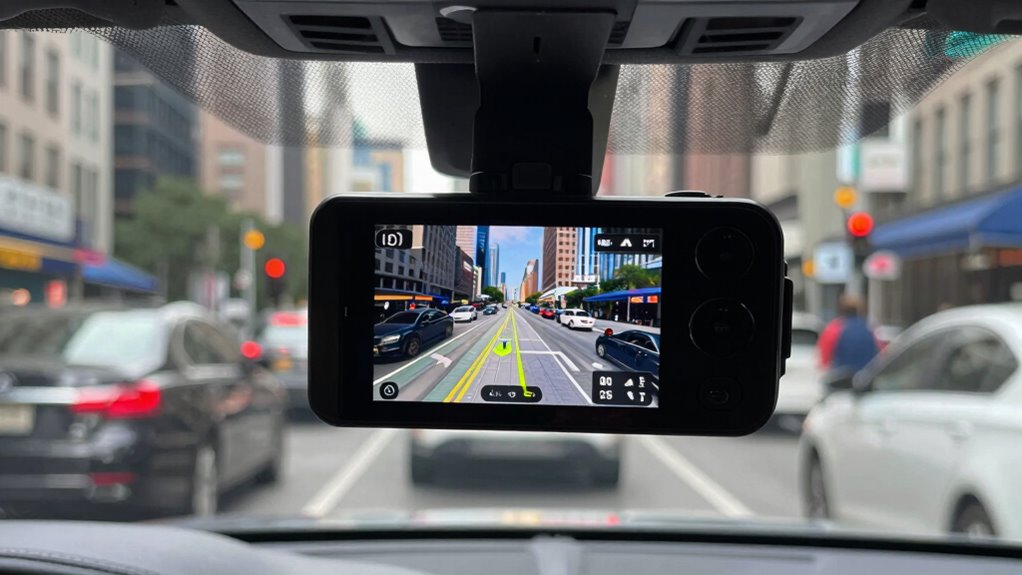

GPS in dash cams offers strong benefits like reliable evidence for accident claims, enhanced vehicle security, and driver behavior monitoring. However, it also raises privacy concerns, as continuous tracking can feel invasive and increase vulnerability to hacking or misuse. Balancing these advantages and risks is key, and understanding legal and privacy regulations helps you make an informed choice. To discover how to navigate these issues and protect your rights, explore the full details ahead.
Key Takeaways
- GPS in dash cams provides accurate, objective evidence for accident claims and legal disputes.
- It enhances vehicle security, route optimization, and driver behavior monitoring for safety and efficiency.
- Privacy risks include data sharing, hacking, and surveillance concerns, requiring strict security and consent measures.
- Proper data handling, encryption, and transparency help balance evidentiary benefits with privacy protection.
- Users must weigh the safety advantages against potential privacy headaches when choosing GPS-enabled dash cams.

Pioneer DMH-1600NEX 6.8" Double-Din Digital Multimedia Receiver - Built in Bluetooth, Wired Apple CarPlay and Android Auto, Touchscreen, Rear Camera Input
Hands-Free Calling: This Pioneer in-dash receiver features built-in Bluetooth, enabling easy hands-free calling through compatible smartphones, with crystal-clear...
As an affiliate, we earn on qualifying purchases.
The Advantages of GPS Tracking in Dash Cams

GPS tracking in dash cams offers several key benefits that can enhance your driving experience and provide peace of mind. One major advantage is improved vehicle security, as GPS data helps you monitor your vehicle’s location in real-time, deterring theft and aiding recovery if stolen. Additionally, GPS features enable route optimization, allowing you to select the most efficient paths, save time, and reduce fuel costs. This technology also helps you keep track of your journeys, providing detailed records for personal or business purposes. With GPS in your dash cam, you gain better control over your vehicle’s safety and performance, ensuring you’re always aware of where your car is and how it’s being driven. Furthermore, integrating high-precision GPS enhances the accuracy of location data, making your vehicle tracking even more reliable. Using location data effectively can also assist in legal situations by providing clear evidence of your driving behavior. Data security is an important aspect to consider when utilizing GPS features, ensuring your information remains protected from unauthorized access. Implementing regular system updates can help maintain the effectiveness and security of your GPS systems. Properly maintained and upgraded GPS systems can also help avoid battery issues that may arise from prolonged use or technical faults, further safeguarding your investment. Ultimately, it’s a practical tool for smarter, safer driving.

Madoec Portable Apple Carplay Screen for Car, 9" Wireless Apple Carplay & Android Auto,4K Dash Cam,1080p Backup Camera DVR,Car Audio Receivers GPS Navigation Mirror Link, Bluetooth,FM, Siri
✅【Wireless Apple Carplay & Android Auto 】 :Even if your car is very old, using Madoec wireless carplay...
As an affiliate, we earn on qualifying purchases.
How GPS Data Can Support Accident Claims
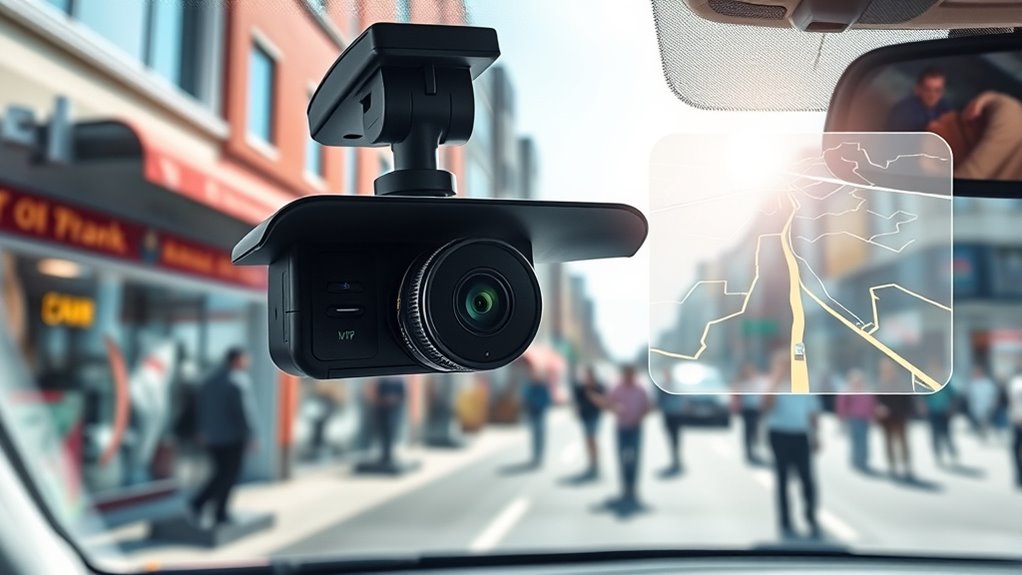
When an accident occurs, having accurate and objective evidence can make all the difference in resolving claims quickly and fairly. GPS data from dash cams provides essential insights into driver behavior, such as speed, braking patterns, and lane changes leading up to the collision. This information helps clarify who was at fault and supports your version of events. Additionally, GPS data plays a critical role in accident reconstruction, allowing investigators to piece together the sequence of events with precision. By offering a detailed record of the vehicle’s location and movement, GPS-enabled dash cams enable you to present clear, unbiased evidence to insurance companies or authorities. This can streamline the claims process and safeguard your rights. Incorporating expert voice actors into your understanding of dash cam technology can also improve your ability to interpret and communicate this data effectively. Understanding vehicle telematics can further enhance your interpretation of the data and its significance in legal or insurance contexts. Recognizing the importance of accurate data collection ensures that your evidence remains reliable and admissible in disputes. Moreover, understanding how water-related features such as water resistance impact device durability can help ensure your dash cam remains functional in various weather conditions. Additionally, being aware of data storage capabilities can help you manage and preserve critical evidence over time.
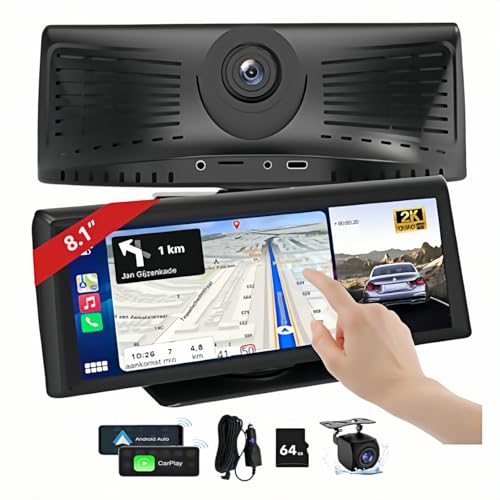
8.1" Wireless Carplay Screen for Car with 2K Dash Cam & 1080P Backup Camera, Portable Touch Screen Car Stereo with Apple Carplay & Android Auto, BT/FM/AUX/GPS Nav/Mirror Link/Voice Control
【Wireless Connectivity and Voice Control】: Supports wireless Apple CarPlay and Android Auto, perfectly compatible with mainstream smartphone systems....
As an affiliate, we earn on qualifying purchases.
Privacy Risks Associated With Gps-Enabled Dash Cameras
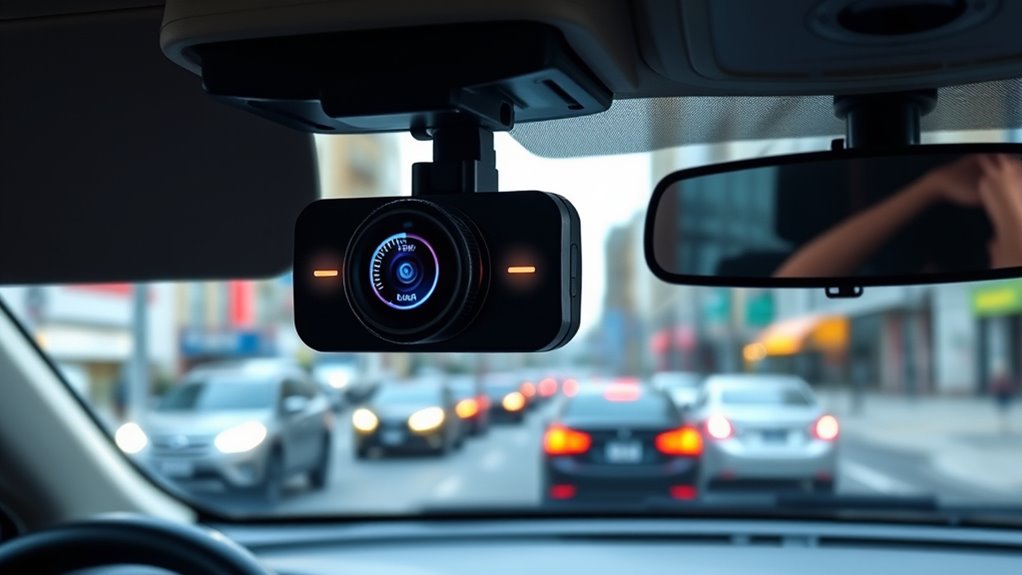
While GPS-enabled dash cams offer valuable safety and evidence benefits, they also raise significant privacy concerns. You might worry about how your data is handled and who has access to your location history. Key issues include:
GPS dash cams provide safety benefits but pose privacy risks through data sharing, surveillance, and loss of control over personal location info.
- Data sharing with third parties, potentially exposing your movements without consent, which can undermine your privacy rights.
- Surveillance concerns, where continuous tracking could be used to monitor your daily routines.
- Loss of control over personal location information, increasing risks of misuse or hacking.
- The integration of European cloud infrastructure can impact how securely your data is stored and managed, emphasizing the importance of data sovereignty and compliance with privacy regulations. Additionally, the type of data encryption used during storage and transmission plays a crucial role in safeguarding your information. Ensuring proper encryption standards can help prevent unauthorized access and data breaches.
![SJoyBring [QLED Screen Upgrade] 7" Double Din Car Stereo with Dash Cam, Wireless Apple CarPlay and Android Auto, Bluetooth, 240W 4.2-Channel Audio Output, MirrorLink, Backup Camera, AM/FM Car Radio](https://m.media-amazon.com/images/I/519bUIp5h+L._SL500_.jpg)
SJoyBring [QLED Screen Upgrade] 7" Double Din Car Stereo with Dash Cam, Wireless Apple CarPlay and Android Auto, Bluetooth, 240W 4.2-Channel Audio Output, MirrorLink, Backup Camera, AM/FM Car Radio
Wireless CarPlay & Android Auto: No more need a USB cable, as you get into your car, your...
As an affiliate, we earn on qualifying purchases.
Legal Considerations and Privacy Regulations

When using GPS in your dash cam, you need to follow privacy laws and make certain you’re not collecting more data than allowed. Regulations can restrict how you store and share GPS information, so staying compliant is essential. Be aware that legal disputes over GPS data can arise, so understanding your rights and responsibilities is vital. Incorporating privacy regulations can help ensure your data collection remains ethical and respectful of privacy concerns. Additionally, understanding data protection laws can guide you in implementing proper security measures to safeguard your data from unauthorized access. Monitoring regulatory updates is also crucial to stay informed about evolving legal standards affecting GPS data handling.
Privacy Laws Compliance
Ensuring your dash cam with GPS complies with privacy laws is essential to avoid legal issues and protect individuals’ rights. Focus on key aspects like data encryption, which safeguards stored information from unauthorized access, and obtaining user consent before collecting GPS data. You should also stay informed about regional regulations to ensure compliance. Consider these important points:
- Implement robust data encryption to protect recorded data
- Obtain explicit user consent before activating GPS features
- Stay updated on evolving privacy laws and regulations
Data Collection Restrictions
Understanding the legal boundaries of data collection is essential for dash cam owners, as improper practices can lead to fines or legal actions. You must obtain user consent before collecting or sharing GPS data, especially if it involves other individuals. Many regulations require you to inform drivers or passengers about how their data will be used and who it may be shared with. Data sharing should be limited to necessary parties and done securely to protect privacy. Failing to adhere to these restrictions can result in legal penalties and damage your reputation. Staying informed about local laws guarantees you respect privacy rights while benefiting from GPS features. Always review privacy policies and obtain explicit consent to avoid unintentional violations.
Legal Disputes Over GPS
Legal disputes over GPS data in dash cams often arise when privacy laws are violated or consent is not properly obtained. You need to understand that mishandling user privacy or compromising data security can lead to serious legal issues. To avoid conflicts, consider these points:
- Unauthorized use of GPS data can breach privacy regulations
- Failing to secure GPS logs risks data breaches
- Lack of clear consent undermines legal standing
In disputes, courts scrutinize whether proper consent was obtained and if data security measures were in place. Protect your rights and avoid lawsuits by respecting user privacy and implementing robust data security practices. Staying informed about evolving legal standards helps prevent costly legal disputes over GPS data in dash cams. Understanding legal standards is essential for compliance and risk management in this area. Additionally, staying aware of data security best practices can further safeguard against potential legal complications. Implementing privacy regulations and ensuring transparency with users also reduce the risk of legal challenges. Being proactive in privacy compliance can help mitigate potential liabilities and build trust with users. Being aware of regulatory guidelines related to GPS data collection and storage further enhances compliance efforts.
Balancing Safety Benefits With Privacy Concerns
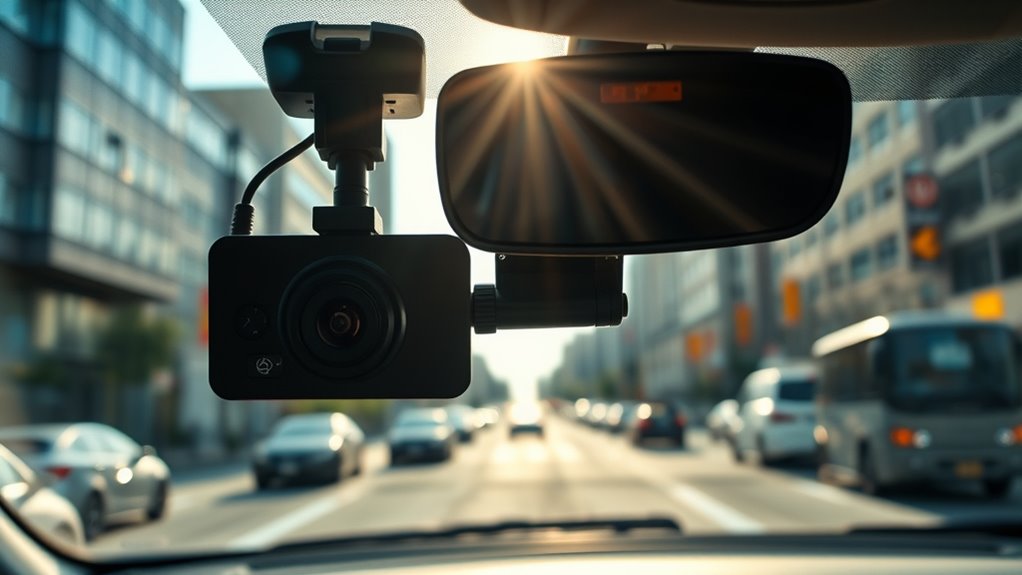
While GPS technology in dash cams offers significant safety advantages, it also raises important privacy concerns. You need to take into account driver consent, ensuring users are aware of and agree to GPS data collection. Transparency is key—sharing how data is used, stored, and protected helps build trust. Data ownership is another vital issue; you should clarify whether you or the service provider control the GPS data. Without clear boundaries, sensitive location information could be mishandled or misused. Incorporating privacy policies and proper data security measures is essential for responsible use. Implementing data security protocols helps safeguard your information against unauthorized access. Additionally, understanding wiring basics can help ensure that GPS devices are installed securely, reducing risks of tampering or malfunction. Ensuring proper installation procedures can also prevent accidental damage and improve overall device reliability. Balancing these concerns with safety benefits means implementing policies that respect privacy rights while leveraging GPS for accident evidence and theft prevention. Ultimately, protecting driver privacy while harnessing GPS features requires open communication, consent, and strict data security measures.
Making an Informed Decision: Is GPS in Your Dash Cam Right for You?

Deciding whether to include GPS in your dash cam means weighing privacy risks against its benefits. While location data can improve evidence accuracy and help with insurance claims, it also raises concerns about tracking and data security. Consider what matters most to you before making your choice. Incorporating modern kitchen technology concepts like connected appliances can also influence how you evaluate device features and privacy. Additionally, understanding security zone info can help you assess how much data security you require for connected devices.
Privacy Concerns and Risks
Incorporating GPS into your dash cam can offer valuable features like precise location tracking and route playback, but it also raises significant privacy concerns. Your driving data could be vulnerable if not properly protected. Risks include unauthorized access, data breaches, and misuse of your location history.
- Data encryption is essential to protect your information from hackers.
- Without clear user consent, your location data might be shared or sold without your knowledge.
- Once stored, your data could be accessed by third parties or government agencies, raising privacy alarms.
Being aware of these risks helps you decide if the benefits outweigh the potential privacy invasion. Always check how your data is secured and whether you’re asked for explicit consent before your location info is collected or shared.
Benefits of Location Data
Location data from your dash cam’s GPS can provide practical benefits that enhance your driving experience and offer peace of mind. GPS data helps accurately record the exact time and place of an incident, making insurance claims smoother and more reliable. It can also monitor driver behavior, highlighting patterns like speeding or harsh braking, which encourages safer driving habits. Additionally, GPS data can assist in navigation, ensuring you have the most efficient route. For fleet owners or parents, it offers valuable oversight of how drivers are operating vehicles. Overall, the benefits of GPS in your dash cam extend beyond accident documentation, helping you improve safety, accountability, and convenience on the road.
Frequently Asked Questions
Can GPS Data Be Manipulated or Tampered With?
Yes, GPS data can be manipulated or tampered with through methods like GPS signal spoofing, which tricks your device into accepting false location info. However, data encryption helps protect against such attacks by securing the data during transmission and storage. While these measures exist, it’s still important to stay vigilant, as skilled hackers might find ways to bypass encryption or spoof signals, risking the integrity of your GPS data.
How Long Is GPS Data Stored in Dash Cams?
You should know that GPS data in dash cams is typically stored for as long as the video footage is retained, which varies by manufacturer and user settings. While this helps with evidence, it raises privacy concerns if stored longer than necessary. To protect your privacy, guarantee proper data security measures like encryption and regular deletion. Always review your dash cam’s storage policies to balance helpful evidence with privacy protection.
Are There Specific Laws Governing GPS Data Collection?
Yes, there are specific laws governing GPS data collection, and you should be aware of privacy concerns and legal regulations. These laws vary by state or country, often requiring transparency about data collection and consent. You’re responsible for understanding these regulations to avoid legal issues. Always verify your dash cam’s GPS data collection complies with applicable privacy laws, and inform others if their data might be recorded.
Can GPS Features Be Disabled on All Dash Cam Models?
Like a locked door, many dash cam models let you disable GPS features to protect your privacy concerns. You can often turn off GPS in the settings, but some models may not offer this option, risking data accuracy. Be aware that disabling GPS affects the reliability of location data, so check your device’s capabilities. In doing so, you control your privacy, but weigh the trade-offs carefully.
What Are the Costs Associated With Gps-Enabled Dash Cameras?
The costs of GPS-enabled dash cameras vary based on features and brand, typically ranging from $100 to $300. A thorough cost analysis shows higher-end models offer better accuracy and additional features, but may have feature limitations like limited storage or difficulty disabling GPS. You should consider these factors to determine if the added expense aligns with your needs, especially if privacy concerns or legal evidence are priorities.
Conclusion
Deciding whether GPS in your dash cam is right for you is like walking a tightrope between safety and privacy. While it offers valuable evidence and peace of mind, it also opens the door to privacy concerns. Weigh the benefits against the potential risks, and stay informed about legal rules. Ultimately, making an educated choice guarantees you don’t just steer through traffic, but also keep your privacy on the road to safety.