
To prioritize upgrades for safety, compliance, and convenience, start by evaluating urgency and importance. Focus on critical upgrades that address safety hazards and regulatory compliance first. Gather user feedback to identify needs and potential pitfalls. Consider installation timelines to minimize disruption. Keep an eye on technology trends to guarantee your choices remain relevant. By striking this balance, you’ll be better equipped to make informed decisions on necessary upgrades. There’s more to explore on optimizing your upgrade strategy.

Get business pricing on garage and car supplies
- Business-only prices and quantity discounts
- Tax-exempt purchasing
- Multiple users, one account, clear invoices
Key Takeaways
- Assess upgrades based on safety compliance, prioritizing those that mitigate hazards and adhere to regulations.
- Gather user feedback to identify critical needs and potential risks associated with existing systems.
- Evaluate the urgency of upgrades, focusing on those that enhance convenience and operational efficiency.
- Consider installation timelines to minimize disruption and maintain productivity during upgrade processes.
- Stay updated on technology trends to ensure upgrades are future-proof and align with evolving solutions.
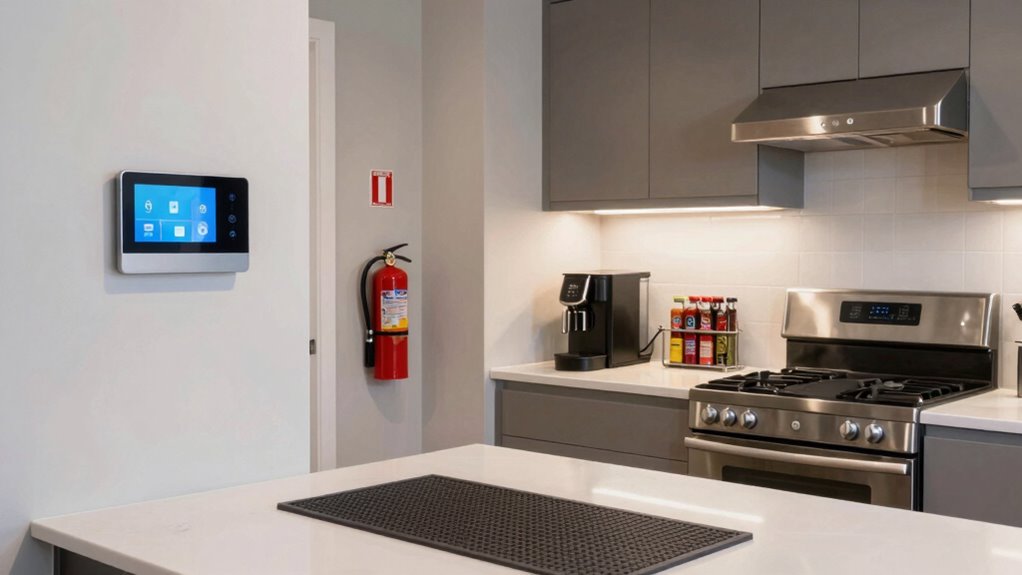
When you’re faced with a long list of upgrades, it’s easy to feel overwhelmed. You might have various factors to juggle, like cost assessment, user feedback, and technology trends. To tackle this, start by categorizing upgrades based on urgency and importance. Focus on safety and compliance first, since these elements impact your daily operations and legal standing. Regulatory compliance isn’t merely a box to check; it’s a necessity that keeps you in good standing with authorities.
Next, conduct a risk evaluation. Identify which upgrades pose the greatest risk if left undone. For instance, if outdated equipment could lead to safety hazards, it deserves priority. Once you’ve pinpointed these critical areas, you can examine the long-term benefits of each upgrade. Consider how each option aligns with your overall business goals. If an upgrade enhances efficiency or reduces future costs, it’s worth considering even if the initial expenditure stretches your budget constraints.
Conducting a risk evaluation helps prioritize upgrades that mitigate safety hazards and align with long-term business goals.
Gather user feedback to understand which upgrades will be most beneficial. Engage your team and stakeholders, as they often have valuable insights that can guide your decisions. Listening to those who’ll use the upgraded systems can reveal their priorities and highlight potential pitfalls you might overlook. Additionally, staying informed about renewable energy options can help you identify upgrades that not only improve safety and convenience but also contribute to your sustainability goals.
As you evaluate your list, pay attention to installation timelines. Some upgrades may require extensive downtime, while others can be implemented quickly with minimal disruption. Balancing these timelines against your operational needs can help you prioritize effectively. You wouldn’t want to sacrifice productivity for a lengthy installation process when a quicker option exists. Considering installation complexity can further aid in making realistic plans. Moreover, understanding the technology lifecycle can assist in choosing options that remain relevant and effective for years to come.
Finally, keep an eye on technology trends. What’s cutting-edge today might be standard tomorrow. Investing in technologies that promise longevity can save you from frequent future upgrades. Being aware of smart home solutions can help you select upgrades that are compatible with current innovations and future-proof your home.
As an affiliate, we earn on qualifying purchases.
Frequently Asked Questions
What Are the Most Common Safety Upgrades Homeowners Overlook?
You might overlook essential safety upgrades like carbon monoxide detectors and fire safety measures. Don’t forget childproofing features for your little ones, and guarantee you have a solid security system in place. Outdoor lighting can enhance safety around your home, while slip prevention measures, like non-slip mats, are often ignored. Finally, smart home technology can help with emergency preparedness, keeping you connected and informed in critical situations.
How Do I Budget for Multiple Upgrades Effectively?
Budgeting for multiple upgrades can feel like juggling flaming swords, but it doesn’t have to be chaotic! Start with a detailed cost breakdown for each upgrade. Prioritize based on urgency and available funds, then create an upgrade timeline to keep you on track. Allocate a percentage of your monthly budget to these upgrades, ensuring you stay within your limits while making progress. Stick to your plan, and you’ll see results without burning out.
Can I DIY Any of These Upgrades Safely?
Yes, you can DIY many upgrades safely with the right techniques. Start by researching each upgrade to understand the required tools and safety measures. Always wear protective gear and make certain your workspace is clear. Focus on upgrades like installing new fixtures or painting, which are generally manageable. For complex tasks, like electrical work, it’s wise to consult a professional. Prioritize safety first, and you’ll enjoy a successful DIY experience!
What Are the Best Materials for Durable Upgrades?
Think of your upgrades like the sturdy walls of a castle—strong and lasting. For durable upgrades, opt for sustainable materials like bamboo or reclaimed wood; they’re not only eco-friendly but also stylish. You can also consider cost-effective options such as high-quality vinyl or composite materials, which resist wear and tear. These choices guarantee you build a fortress of safety and convenience without breaking the bank, keeping your space both functional and appealing.
How Often Should I Reassess My Home’s Safety Features?
You should reassess your home safety features at least once a year. Regularly checking your smoke detectors, security systems, and access points guarantees everything’s working properly. If you make significant changes or upgrades, consider reviewing them immediately afterward. Keeping a consistent upgrade frequency helps you stay ahead of potential issues and enhances your home’s overall security. Don’t wait until something goes wrong; proactive maintenance keeps your home safe and sound.
regulatory compliance safety equipment
As an affiliate, we earn on qualifying purchases.
As an affiliate, we earn on qualifying purchases.
Conclusion
In summary, prioritizing upgrades for safety, proof, and convenience can make a significant difference in your daily life. Did you know that homes with smart security systems are 300% less likely to be burglarized? By investing in these upgrades, you not only enhance your peace of mind but also protect your valuable assets. So, take the time to assess your needs and make those essential improvements—your future self will thank you!
As an affiliate, we earn on qualifying purchases.
energy-efficient upgrade solutions
As an affiliate, we earn on qualifying purchases.
As an affiliate, we earn on qualifying purchases.
Fall Picks
fall essentials
As an affiliate, we earn on qualifying purchases.