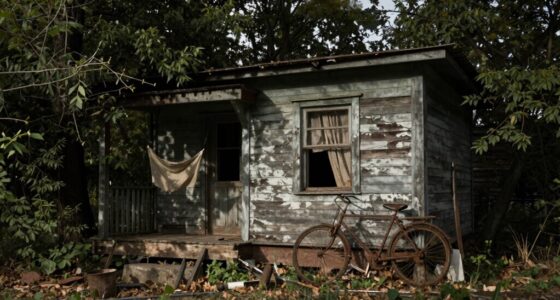
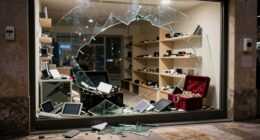
To think about theft risk when choosing camera placement, focus on your property’s most vulnerable areas like entry points, boundaries, and secluded spots. Position cameras to maximize coverage of these zones and avoid blind spots that thieves could exploit. Use lighting strategically to improve visibility and deter criminals. Remember to respect neighbors’ privacy and follow local laws to stay compliant. If you keep these points in mind, you’ll better protect your property and prevent potential thefts.

Get business pricing on garage and car supplies
- Business-only prices and quantity discounts
- Tax-exempt purchasing
- Multiple users, one account, clear invoices
Key Takeaways
- Prioritize covering entry points, property boundaries, and high-value areas to monitor potential theft routes effectively.
- Identify and eliminate blind spots to prevent criminals from exploiting unmonitored zones.
- Position cameras to maximize visibility during nighttime, especially near poorly lit or secluded areas.
- Use lighting strategically to enhance camera footage and serve as a theft deterrent.
- Balance security coverage with privacy considerations to avoid legal issues and maintain ethical surveillance.
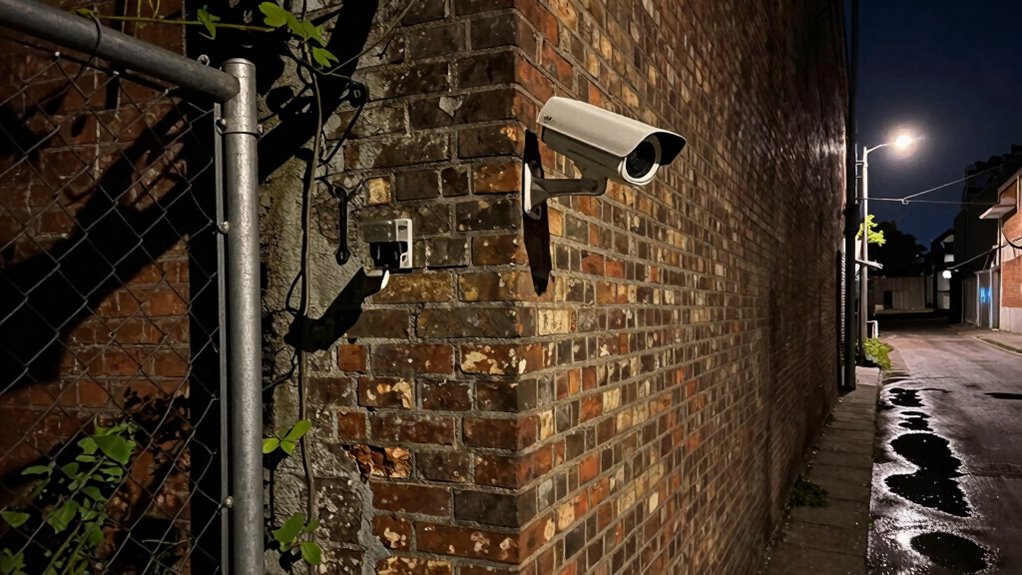
When choosing where to place security cameras, understanding theft risk is essential. You need to assess which areas are most vulnerable to theft or vandalism and position your cameras accordingly. But while coverage is important, you also have to think about other factors like privacy concerns and lighting considerations. If you overlook these, you might end up with cameras that don’t serve their purpose effectively or create unnecessary issues.
Privacy concerns are a major factor when planning your camera placement. You don’t want to invade neighbors’ privacy or record in areas where people have an expectation of privacy, like inside homes or private yards. Be mindful of local laws and regulations that restrict surveillance in certain zones. Respecting privacy not only keeps you compliant but also prevents potential conflicts. To do this, angle cameras to focus strictly on your property, avoiding blind spots that might capture neighbors’ windows or outdoor spaces where privacy is expected. This way, you protect your property without infringing on others’ rights.
Respect neighbors’ privacy by angling cameras to focus solely on your property and avoid capturing private areas.
Lighting considerations also play a crucial role in how effective your cameras will be, especially during nighttime. Poor lighting can render even the most advanced cameras useless if they can’t capture clear footage in low light. When placing cameras, think about natural and artificial lighting sources. Position cameras where they can take advantage of existing lighting or where you can add motion-activated lights to enhance visibility. Avoid placing cameras directly opposite bright lights or windows, as glare can obscure images. Additionally, consider the direction of streetlights, porch lights, or security lighting to ensure your cameras are not overly exposed to glare, which can compromise image quality. Well-placed lighting not only improves footage clarity but also acts as a deterrent to potential thieves, who might be discouraged by well-lit, surveilled areas. Understanding the importance of lighting can significantly enhance your security setup and reduce blind spots. Moreover, ensuring proper lighting can also help in minimizing false alarms, making your security system more reliable and effective.
outdoor security cameras with night vision
As an affiliate, we earn on qualifying purchases.
As an affiliate, we earn on qualifying purchases.
Frequently Asked Questions
How Do Weather Conditions Affect Camera Placement Decisions?
Weather impact plays a vital role in your camera placement strategies. You should choose locations that shield your cameras from rain, snow, and direct sunlight, which can damage equipment or cause false alerts. Opt for weatherproof cameras in exposed areas and consider elevated or sheltered spots. Regularly check and maintain your cameras, ensuring they stay effective despite changing weather conditions. Proper placement minimizes weather-related issues and maximizes your security coverage.
What Legal Considerations Should I Be Aware of When Positioning Cameras?
You should prioritize privacy concerns and legal compliance when positioning cameras. Avoid pointing cameras directly at neighbors’ properties or private areas to prevent privacy violations. Check local laws and regulations regarding surveillance, such as consent requirements or restrictions on recording audio. Guarantee your camera usage respects others’ privacy rights, and consider posting visible signs indicating surveillance to stay transparent. Staying informed helps you avoid legal issues and maintains respectful surveillance practices.
How Often Should I Review and Adjust Camera Placement?
You should review and adjust your camera placement regularly, ideally every few months, to guarantee maximum coverage and effectiveness. Regular camera maintenance helps identify any issues or blind spots, allowing you to enhance placement as needed. Changes in your property, landscape, or security needs might require repositioning cameras. Staying proactive ensures your surveillance system remains effective, providing the best theft risk mitigation through consistent placement enhancement.
Can Certain Camera Types Deter Theft More Effectively?
Think of camera types as your security team’s frontline soldiers. Some, like visible dome or bullet cameras, act as bold deterrents, making thieves think twice. Others, like hidden or night-vision cameras, provide stealth coverage but might not scare off intruders. The deterrent effectiveness depends on visibility and alertness. To maximize security, choose a mix that combines obvious cameras to deter and covert ones to catch offenders in the act.
What Are the Signs of Potential Theft Hotspots Around My Property?
Look for areas with poor lighting, such as shadowy corners or alleyways, which are prime theft hotspots. Watch for signs like untrimmed bushes, fences, or structures that provide cover. Install security lighting and motion sensors in these spots to deter intruders and alert you to movement. These features make your property less attractive to thieves, as they prefer hidden, poorly lit areas where they can operate unnoticed.
motion-activated security lights
As an affiliate, we earn on qualifying purchases.
As an affiliate, we earn on qualifying purchases.
Conclusion
By carefully considering theft risk when choosing your camera placement, you’re setting a sturdy trap for troublemakers. Think like a thief—spot their blind spots and high-value targets, then position your cameras to cover those areas. Remember, the right placement can deter theft before it even happens. Don’t leave your security to chance; instead, make your cameras your watchful eyes, turning your property into a fortress that keeps unwanted visitors at bay, like a lighthouse guiding ships safely home.
weatherproof surveillance cameras
As an affiliate, we earn on qualifying purchases.
As an affiliate, we earn on qualifying purchases.
camera mounting brackets for home security
As an affiliate, we earn on qualifying purchases.
As an affiliate, we earn on qualifying purchases.
Fall Picks
fall essentials
As an affiliate, we earn on qualifying purchases.