For a dual-channel dash cam for overnight parking, my best overall pick is the AZDOME M550 Pro, which pairs front-and-rear recording with IR night vision and a stated 24-hour parking mode. The COOAU Dual Dash Cam is a practical alternative for drivers who want GPS, Wi-Fi, and parking mode, while the 4K+4K Dash Cam stands out for matching high resolution at both ends. The key tradeoffs are low-light detail, parking-mode behavior, power setup, and how much rear-camera coverage you need. A high resolution alone does not guarantee useful overnight footage, especially if a camera lacks a suitable power supply or clear recording triggers. Read on for the full comparison and guidance on choosing a setup that fits your car and parking routine.

Get garage and car supplies delivered free — and shop member deals
- Fast, free delivery on millions of items
- Access to Prime Big Deal Days deals on October 6–7
- Prime Video, Amazon Music and more included
Complete the kit


Key Takeaways
- Parking-mode support matters more than the highest resolution alone: AZDOME explicitly lists 24-hour parking mode, while the listed details for several other models do not specify comparable overnight behavior.
- The AZDOME M550 Pro is the clearest parking-focused pick: its IR night vision and stated 24-hour parking mode give it a distinct role among these options.
- Front-and-rear resolution varies widely: WANLIPO A13 comes in 4K/1080P and 4K/2.5K versions, while the 4K+4K model targets drivers who want matching resolution at both ends.
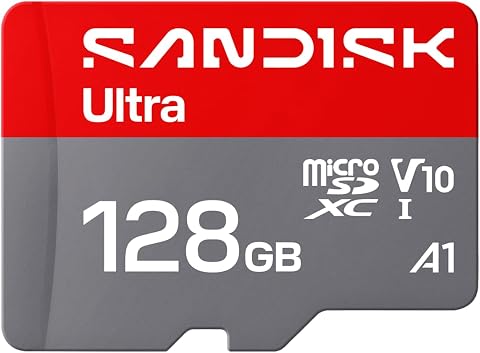
- Included memory changes setup convenience, not parking capability: several models list 64GB or 128GB cards, but buyers still need to check recording duration, overwrite behavior, and parking-mode power requirements.
- Feature-rich options can add complexity: GPS, Wi-Fi, multiple camera channels, and larger screens may help with setup or footage review, but they do not replace a reliable power plan for overnight recording.
| COOAUDual Dash Cam 2.5K+1080P with GPS, Wi-Fi, Night Vision, and Parking Mode for Cars |  | Best for Rideshare Drivers | Video resolution: 2560 × 1440P front; 1080P inside | Viewing angles: 170° front; 150° inside | Night vision: IR with four IR lights; F1.8 aperture | VIEW ON AMAZON | See Our Full Breakdown |
| WANLIPO A13 4K Front and 1080P Rear Dash Cam |  | Best Value for Basic Parking Coverage | Front resolution: 4K (3840 × 2160P) | Rear resolution: 1080P | Lens angles: 170° front; 120° rear | VIEW ON AMAZON | See Our Full Breakdown |
| WANLIPO A13 4K Front and 2.5K Rear Dash Cam |  | Best for Higher-Detail Rear Evidence | Front resolution: 4K (3840 × 2160) | Rear resolution: 2.5K | Field of view: 170° front; 120° rear | VIEW ON AMAZON | See Our Full Breakdown |
| 4K Front + 2.5K Rear Dual Dash Cam with 64GB Card |  | Best for Hot-Weather Parking Setups | Front resolution: 4K Ultra HD | Rear resolution: 2.5K | Front lens angle: 170° | VIEW ON AMAZON | See Our Full Breakdown |
| 4K Dual Dash Cam Front and Rear with Starlight Night Vision and 128GB Card |  | Best for Low-Light Overnight Detail | Front resolution: 3840 × 2160 (4K) | Rear resolution: 3840 × 2160 (4K) | Field of view: 170° front; 150° rear | VIEW ON AMAZON | See Our Full Breakdown |
| REDTIGER F17 4K 3-Channel Dash Cam with STARVIS 2 Sensor, HDR, 64GB Card, 5.8GHz WiFi |  | Best for Full-Cabin Coverage | Video resolution: 4K front; 1080P inside and rear | Image sensor: STARVIS 2 IMX675 | Field of view: 150° front; 160° cabin; 155° rear | VIEW ON AMAZON | See Our Full Breakdown |
| AZDOME M550 Pro 2CH Dash Cam 4K with 3.19″ IPS Screen, IR Night Vision, GPS, and 24H Parking Mode |  | Best for Screen-Based Parking Checks | Video resolution: 4K front; 2.5K rear | Screen: 3.19-inch IPS | Field of view: 150° | VIEW ON AMAZON | See Our Full Breakdown |
| V77 Dual-Channel Dash Cam, 4K Front and 1080p Rear |  | Best for Buyers Who Want a Clear Hardwire Requirement | Front recording: 4K at 30 fps HDR | Rear recording: 1080p at 30 fps HDR | Image sensors: Front IMX675 and rear IMX662 STARVIS 2 | VIEW ON AMAZON | See Our Full Breakdown |
| 4K Front and Rear Dash Cam with Night Vision and 128GB Memory Card |  | Best for High-Resolution Rear Coverage | Front and rear resolution: 4K (3840 × 2160) each | Frame rate: 25 fps in description; 30 fps in specifications | Field of view: 170° front; 140° rear | VIEW ON AMAZON | See Our Full Breakdown |
| 4K+4K Dash Cam with 128GB Card, WiFi 6, GPS, Night Vision, 3-Inch Screen |  | Best for Wide-Angle 4K Coverage | Video resolution: 4K front and 4K rear | Field of view: 170° | Screen: 3 inches | VIEW ON AMAZON | See Our Full Breakdown |
| ROVE R2-4K Dual Dash Cam with Front and Rear Cameras |  | Best for Nighttime Parking Coverage | Front resolution: 2.5K QHD upscaled to 4K | Rear resolution: 1080P Full HD | Front sensor: Sony STARVIS 2 IMX675 5MP | VIEW ON AMAZON | See Our Full Breakdown |
| Affver A4 4K Front and 2.5K Rear Dash Cam with WiFi 6 and GPS |  | Best for Higher-Resolution Rear Coverage | Front resolution: 4K UHD (2160P) | Rear resolution: 2.5K | Viewing angle: 160° front; 155° rear | VIEW ON AMAZON | See Our Full Breakdown |
| dual channel dash cam for overnight parking | Display | Field of view | Front resolution | Rear resolution |
|---|---|---|---|---|
| COOAUDual Dash Cam 2.5K+1080P | 1.5-inch mini display | — | — | — |
| WANLIPO A13 4K Front and 1080P | 2.0-inch IPS | — | 4K (3840 × 2160P) | 1080P |
| WANLIPO A13 4K Front and 2.5K | 2-inch IPS | 170° front; 120° rear | 4K (3840 × 2160) | 2.5K |
| 4K Front + 2.5K Rear Dual Dash | — | — | 4K Ultra HD | 2.5K |
| 4K Dual Dash Cam Front and Rea | 3 inches | 170° front; 150° rear | 3840 × 2160 (4K) | 3840 × 2160 (4K) |
| REDTIGER F17 4K 3-Channel Dash | — | 150° front; 160° cabin; 155° rear | — | — |
| AZDOME M550 Pro 2CH Dash Cam 4 | — | 150° | — | — |
| V77 Dual-Channel Dash Cam | 3.69-inch IPS, 412 × 960 | — | — | — |
| 4K Front and Rear Dash Cam wit | 3-inch LED | 170° front; 140° rear | — | — |
| 4K+4K Dash Cam with 128GB Card | — | 170° | — | — |
| ROVE R2-4K Dual Dash Cam with | 3-inch IPS screen | 150° front; 140° rear | 2.5K QHD upscaled to 4K | 1080P Full HD |
| Affver A4 4K Front and 2.5K Re | 3.59-inch IPS screen | — | 4K UHD (2160P) | 2.5K |
More Details on Our Top Picks
COOAUDual Dash Cam 2.5K+1080P with GPS, Wi-Fi, Night Vision, and Parking Mode for Cars
The COOAUDual is the lineup’s most rideshare-focused choice: its 2.5K front camera records the road while a separate 1080P interior camera captures the cabin. Four IR lights support cabin recording after dark, making this a better fit for drivers who want visibility inside the car than the WANLIPO A13 4K Front and 1080P Rear, which records behind the vehicle instead. Built-in GPS adds route details, and Wi-Fi supports phone access to clips. For overnight parking, the key limitation is that monitoring needs a separately purchased hardwire kit; the parking feature is not ready to use from the box. The 1.5-inch display is also small, and app use may conflict with Android Auto or CarPlay. Choose it for cabin coverage, not maximum exterior resolution.
Pros:- Separate 1080P interior channel with four IR lights for low-light cabin recording
- 2.5K front video and a 170° front viewing angle
- Built-in GPS and Wi-Fi support route tracking and phone access to footage
- Supercapacitor power and a stated operating range from -4°F to 158°F
Cons:- Parking monitoring requires a separately purchased hardwire kit
- MicroSD card is not included
- Small 1.5-inch display and possible app conflicts with Android Auto or CarPlay
Best for: Rideshare and taxi drivers who want nighttime cabin footage alongside front-road recording and GPS route details.
Not ideal for: Drivers who need a rear-window camera, want parking monitoring without extra wiring, or rely on simultaneous dash-cam app and Android Auto or CarPlay use.
- Video resolution:2560 × 1440P front; 1080P inside
- Viewing angles:170° front; 150° inside
- Night vision:IR with four IR lights; F1.8 aperture
- Display:1.5-inch mini display
- GPS and Wi-Fi:Built-in GPS and Wi-Fi
- Storage:Supports microSD cards up to 256GB; card not included
- Parking mode:Supported; hardwire kit required
- Power and temperature:Supercapacitor; -4°F to 158°F operating range
Our verdict“Choose the COOAUDual if nighttime cabin coverage matters more than having a rear-facing exterior camera or higher-resolution front video.”
WANLIPO A13 4K Front and 1080P Rear Dash Cam
The WANLIPO A13 makes a practical case for buyers who want 4K front recording and a rear camera without adding a memory card to their setup. Its included 64GB card, G-sensor, and 15-second impact-triggered parking clip cover the essentials, though the parking feature needs a separately sold hardwire kit. That short emergency recording is a narrower form of overnight protection than the time-lapse option on the 4K Dual Dash Cam Front and Rear with Starlight Night Vision, which can record through a longer parked period when hardwired. The A13’s 1080P rear channel also captures less detail than the 2.5K rear camera on the WANLIPO A13 4K Front and 2.5K Rear. Its simpler setup and included storage are appealing, but buyers should plan to format the card regularly.
Pros:- 4K front video paired with a 1080P rear camera
- 64GB SD card included for recording from setup
- G-sensor locks footage when it detects an impact
- 5GHz Wi-Fi, WDR, and night vision are included
Cons:- Parking monitoring requires a separately sold hardwire kit
- Impact mode records a 15-second emergency clip rather than continuous time-lapse coverage
- 1080P rear resolution is lower than the 2.5K rear version of the WANLIPO A13, and the card needs regular formatting
Best for: Drivers seeking front-and-rear recording with an included card and impact-triggered parking clips, who are willing to install a hardwire kit.
Not ideal for: Owners who want long-duration time-lapse parking coverage, a high-resolution rear view, or GPS route logging.
- Front resolution:4K (3840 × 2160P)
- Rear resolution:1080P
- Lens angles:170° front; 120° rear
- Display:2.0-inch IPS
- Wi-Fi:5GHz
- Included storage:64GB SD card
- Parking monitoring:15-second emergency recording after impact; hardwire kit sold separately
- Recording features:Loop recording, G-sensor, WDR, and night vision
Our verdict“Pick this A13 for straightforward front-and-rear recording with an included card, but choose a time-lapse-equipped model if longer parked coverage is your priority.”
WANLIPO A13 4K Front and 2.5K Rear Dash Cam
This WANLIPO A13 upgrades the rear channel to 2.5K while retaining 4K front recording, a useful distinction for buyers who want more detail from both directions during an overnight incident. Compared with the 1080P-rear WANLIPO A13, it gives the rear camera more resolution for reviewing what happened behind the vehicle. Built-in GPS can add route, location, and speed information, and the included 64GB card gets recording started without a separate memory purchase. The parking mode still depends on a separately sold hardwire kit, so the camera alone does not provide parked-vehicle monitoring. Some app features also require a membership, adding a potential access limitation. This is the better A13 for rear detail and trip logging, but the 4K Dual Dash Cam Front and Rear with Starlight Night Vision records 4K on both channels.
Pros:- 4K front and 2.5K rear recording provide more rear detail than the 1080P A13
- Built-in GPS logs speed, route, and location
- 64GB microSD card is included
- 5GHz Wi-Fi, G-sensor, and loop recording support clip access and event protection
Cons:- Parking monitoring requires a separately sold hardwire kit
- Some app features require a membership
- Rear resolution is below the dual-4K 4K Dual Dash Cam Front and Rear with Starlight Night Vision
Best for: Drivers who want a high-resolution rear view, GPS trip data, and included storage, and can arrange hardwired parking power.
Not ideal for: Buyers who need 4K resolution from both cameras, want parking monitoring without additional wiring, or prefer unrestricted app features.
- Front resolution:4K (3840 × 2160)
- Rear resolution:2.5K
- Field of view:170° front; 120° rear
- Frame rate:30 FPS
- GPS and Wi-Fi:Built-in GPS; 5GHz Wi-Fi
- Display:2-inch IPS
- Included memory:64GB microSD card
- Parking mode:Supported; hardwire kit sold separately
- Warranty:1 year
Our verdict“Choose this A13 over its 1080P-rear sibling if rear detail and GPS matter, but look to a dual-4K model for the highest resolution on both channels.”
4K Front + 2.5K Rear Dual Dash Cam with 64GB Card
This 4K-front, 2.5K-rear system stands out for its supercapacitor, which is a useful design choice for a camera that stays mounted in a parked car exposed to heat. Its resolution matches the WANLIPO A13 4K Front and 2.5K Rear, and both include a 64GB card, but this model emphasizes 5.8GHz Wi-Fi and heat-oriented power hardware rather than the WANLIPO’s listed GPS and 30 FPS detail. WDR night vision and a G-sensor support low-light recording and impact-triggered protection. The product lists 24/7 Parking Guard, yet the hardwire kit is sold separately, so overnight coverage requires extra installation. The supplied data does not specify a parking recording format or clip duration, making its parked behavior less clearly defined than the WANLIPO A13’s stated 15-second impact clip.
Pros:- 4K front and 2.5K rear video
- Supercapacitor design is specified for heat resistance and longevity compared with lithium batteries
- 5.8GHz Wi-Fi supports fast video transfers
- Includes a 64GB SD card, WDR night vision, and G-sensor
Cons:- 24/7 Parking Guard requires a separately sold hardwire kit
- Supplied product details do not state the parking recording format or clip duration
- Footage review and sharing require a mobile app
Best for: Drivers in hot climates who want a supercapacitor-powered dual camera, 4K/2.5K recording, and fast phone transfers.
Not ideal for: Buyers who need GPS route data, want parking-mode recording details spelled out, or expect overnight monitoring without a hardwire kit.
- Front resolution:4K Ultra HD
- Rear resolution:2.5K
- Front lens angle:170°
- Included storage:64GB SD card
- Connectivity:5.8GHz Wi-Fi
- Power technology:Supercapacitor
- Parking features:24/7 Parking Guard; hardwire kit sold separately
- Other recording features:WDR night vision, G-sensor, and loop recording
Our verdict“Choose this model for heat-oriented supercapacitor hardware and fast transfers, provided you are comfortable adding a hardwire kit for overnight parking.”
4K Dual Dash Cam Front and Rear with Starlight Night Vision and 128GB Card
For buyers focused on what the cameras can capture after dark, this model pairs 4K front and rear recording with a starlight sensor, f/1.5 aperture, and WDR. Its 150° rear field of view is wider than the 120° rear angle listed for either WANLIPO A13, while the 128GB card provides more included storage than those models’ 64GB cards. Time-lapse with a collision sensor is specifically listed for parking mode, offering a clearer overnight recording approach than the 4K Front + 2.5K Rear model, whose supplied details do not define the parking format. However, time-lapse parking requires a separate hardwiring kit, and 25fps is the stated frame rate. It is the strongest match here for low-light, dual-channel detail, but may be more camera than buyers need if 2.5K rear footage is sufficient.
Pros:- 4K recording on both front and rear channels
- Starlight sensor, f/1.5 aperture, and WDR target clearer low-light footage
- Time-lapse parking mode includes a collision sensor
- 128GB microSD card, built-in GPS, and dual-band Wi-Fi are included
Cons:- Parking mode requires a separately purchased hardwiring kit
- Maximum supported storage is 512GB
- Listed frame rate is 25fps
Best for: Drivers who park overnight in poorly lit areas and want high-resolution front and rear footage, time-lapse parking recording, and a larger included card.
Not ideal for: Buyers who want a plug-in-only parking setup, need more than 512GB of supported storage, or do not need 4K rear footage.
- Front resolution:3840 × 2160 (4K)
- Rear resolution:3840 × 2160 (4K)
- Field of view:170° front; 150° rear
- Low-light features:Starlight sensor, f/1.5 aperture, and WDR
- Frame rate:25fps
- Display:3 inches
- Included and supported storage:128GB microSD included; supports up to 512GB
- Connectivity and GPS:Dual-band Wi-Fi (2.4GHz/5GHz), USB, and built-in GPS
- Parking mode and warranty:Time-lapse with collision sensor; hardwiring kit required; 18-month warranty
Our verdict“Choose this model for low-light overnight coverage and 4K detail from both directions, if you can hardwire the camera and accept its 25fps recording rate.”
REDTIGER F17 4K 3-Channel Dash Cam with STARVIS 2 Sensor, HDR, 64GB Card, 5.8GHz WiFi
The REDTIGER F17 is the clearest fit for drivers who want overnight coverage beyond the road ahead: its front, cabin, and rear cameras can record activity inside and around the vehicle. The STARVIS 2 sensor and HDR are aimed at improving dim-scene footage, while collision detection can flag impacts during parking monitoring. Compared with the two-channel AZDOME M550 Pro, the F17 adds an interior view but gives up the AZDOME’s listed 24-hour time-lapse mode and built-in screen. A supercapacitor is a practical advantage in temperature extremes, though the feature-rich three-camera setup may take more effort to install and configure. The supplied 64GB card is a starting point, and the supplied details do not specify the hardwiring requirements for parking mode.
Pros:- Three-channel recording includes the cabin as well as front and rear views.
- STARVIS 2 sensor and HDR target better detail in low-light scenes.
- Supercapacitor is suited to operation across temperature extremes.
- GPS and dual-band Wi-Fi support location data and wireless file transfer.
Cons:- More cameras and features can make installation and setup more involved.
- The listed 64GB card may leave less room for extended recording than larger-card options.
- The provided details do not explain the power setup needed for overnight parking monitoring.
Best for: Drivers who park overnight in shared lots and want footage of the cabin as well as the front and rear of the vehicle.
Not ideal for: Buyers who want a simple two-camera installation, a built-in screen for checking footage, or clearly specified hardwire-kit requirements.
- Video resolution:4K front; 1080P inside and rear
- Image sensor:STARVIS 2 IMX675
- Field of view:150° front; 160° cabin; 155° rear
- Wi-Fi:5GHz and 2.4GHz
- Included storage:64GB card
- Parking monitoring:G-sensor and collision detection
- Power component:Supercapacitor
- Guarantee:18 months
Our verdict“Choose the F17 if cabin coverage matters as much as recording parking-lot activity, and skip it if you want a simpler two-channel setup.”
AZDOME M550 Pro 2CH Dash Cam 4K with 3.19″ IPS Screen, IR Night Vision, GPS, and 24H Parking Mode
The AZDOME M550 Pro suits drivers who want a straightforward way to check recordings at the car: its 3.19-inch IPS screen makes local playback easier than on screen-light or screen-free options such as the REDTIGER F17. For overnight use, the listed 24-hour parking mode combines collision detection with time-lapse, and infrared night vision is designed to help in dim conditions. Its 4K front and 2.5K rear recording also give the rear camera more resolution than the V77’s 1080p rear channel. The tradeoff is that this is a two-channel camera, not the F17’s three-camera arrangement, and the source lists a potentially unusual “Wall” mounting type. I would verify the mounting hardware and parking-mode power requirements before relying on it for unattended recording.
Pros:- 4K front and 2.5K rear recording provide detailed coverage at both ends.
- Built-in 3.19-inch IPS screen allows on-device viewing.
- Listed 24-hour parking mode includes time-lapse and collision detection.
- Supports microSD cards up to 256GB, with a 64GB card included.
Cons:- Two-channel design does not record the cabin like the REDTIGER F17.
- The supplied product data lists a “Wall” mounting type, so windshield fit should be checked.
- The listed parking feature does not clarify whether a separate hardwire kit is needed.
Best for: Drivers who want to review footage on the device and need a listed 24-hour parking mode with time-lapse and collision detection.
Not ideal for: Buyers who need cabin recording, want clearly documented windshield mounting, or need certainty about the hardwire setup before purchase.
- Video resolution:4K front; 2.5K rear
- Screen:3.19-inch IPS
- Field of view:150°
- Aperture:f/1.8
- Frame rate:30 FPS
- Night vision:Infrared
- Parking mode:24-hour with collision detection and time-lapse
- Storage:64GB included; supports up to 256GB microSD
- Connectivity:5G Wi-Fi and GPS
Our verdict“Pick the M550 Pro if an onboard screen and higher-resolution rear video are priorities, after confirming its mount and parking power setup.”
V77 Dual-Channel Dash Cam, 4K Front and 1080p Rear
The V77 makes the parking-power caveat explicit: 24-hour recording needs a separately sold hardwire kit. That is useful for buyers planning a permanent installation, but it adds a required step and accessory compared with a model whose parking setup is less clearly documented, such as the REDTIGER F17. The V77 pairs 4K HDR front video with STARVIS 2 sensors on both cameras, plus a 3.69-inch display for checking status and footage. Its 1080p rear resolution is lower than the AZDOME M550 Pro’s 2.5K rear channel, so I would favor the AZDOME when rear detail is the priority. The V77 counters with support for cards up to 512GB and a supercapacitor rated for a broad operating-temperature range, useful for long-term vehicle use.
Pros:- 4K front HDR recording and STARVIS 2 sensors on both channels target improved low-light capture.
- 3.69-inch IPS display is larger than the screen listed for the AZDOME M550 Pro.
- Supports microSD cards up to 512GB and includes a 64GB card.
- Supercapacitor is rated for operating temperatures from -30°C to +70°C.
Cons:- 24-hour parking recording requires a separately sold hardwire kit.
- 1080p rear recording is lower resolution than the AZDOME M550 Pro’s 2.5K rear video.
- H.264 encoding may use more storage than more efficient video formats.
Best for: Drivers comfortable arranging a hardwire installation who want STARVIS 2 sensors, a larger display, and room for high-capacity storage.
Not ideal for: Buyers who need parking recording without buying an additional kit or who prioritize rear resolution above 1080p.
- Front recording:4K at 30 fps HDR
- Rear recording:1080p at 30 fps HDR
- Image sensors:Front IMX675 and rear IMX662 STARVIS 2
- Display:3.69-inch IPS, 412 × 960
- Wireless:2.4GHz and 5.8GHz Wi-Fi
- Positioning:GPS and BeiDou
- Storage:64GB microSD included; supports up to 512GB
- Parking monitoring:24-hour recording supported; hardwire kit sold separately
- Operating temperature:-30°C to +70°C
Our verdict“Choose the V77 if you are prepared to hardwire it and value its dual STARVIS 2 sensors and large-storage support over higher rear resolution.”
4K Front and Rear Dash Cam with Night Vision and 128GB Memory Card
This model’s main distinction is 4K recording from both front and rear, making it the strongest fit here for drivers who want matching resolution at both ends. That contrasts with the V77’s 1080p rear channel and the AZDOME M550 Pro’s 2.5K rear video. For overnight parking, its time-lapse and collision-triggered recording are useful modes, but the hardwiring kit is sold separately, so the camera alone is not a complete unattended-recording setup. The included 128GB card offers more starting capacity than the 64GB cards listed with the F17 and V77. One specification needs checking before purchase: the description gives 25 fps while the specifications list 30 fps. I would not choose it without confirming which frame rate applies.
Pros:- Records 4K video from both front and rear cameras.
- Includes a 128GB memory card, more capacity than the cards listed with the F17 and V77.
- Parking mode offers time-lapse and collision detection.
- Built-in GPS and dual-band Wi-Fi 6 are included.
Cons:- Parking mode requires a separately sold hardwiring kit.
- The source data conflicts on frame rate, listing both 25 fps and 30 fps.
- The rear field of view is 140°, narrower than the listed 170° front view.
Best for: Drivers who want 4K front and rear footage and a larger included card, and who are willing to add a hardwire kit for parking mode.
Not ideal for: Buyers who need settled frame-rate specifications or want 24-hour parking recording without an additional power accessory.
- Front and rear resolution:4K (3840 × 2160) each
- Frame rate:25 fps in description; 30 fps in specifications
- Field of view:170° front; 140° rear
- Display:3-inch LED
- Connectivity:Dual-band Wi-Fi 6 (2.4GHz and 5.8GHz), USB
- GPS:Built-in
- Storage:128GB included; supports up to 512GB
- Parking mode:1 fps time-lapse and collision detection; hardwire kit sold separately
- Power component:Supercapacitor
Our verdict“Choose this model for matching 4K front-and-rear recording and a 128GB card, but only if you can confirm the frame rate and add hardwiring for parking mode.”
4K+4K Dash Cam with 128GB Card, WiFi 6, GPS, Night Vision, 3-Inch Screen
The 4K+4K model is aimed at drivers who want 4K resolution on both channels and a broad 170° field of view. Its front f/1.5 and rear f/1.8 apertures, along with the listed night-vision feature, target usable footage in dim parking areas; however, the supplied data does not identify a STARVIS 2 sensor as the V77 does. It includes a 128GB card and supports up to 512GB, matching the high-capacity approach of the other 4K-front-and-rear model in this batch. Overnight monitoring is listed as 24-hour with an optional hardwire, so buyers need to budget for and install that accessory to use parking mode. The 3-inch screen is handy for local checks, but the dashboard mounting type may not suit every windshield layout.
Pros:- 4K recording on both front and rear cameras.
- 170° listed field of view and dedicated night-vision feature.
- Includes a 128GB card and supports storage up to 512GB.
- Built-in GPS and Wi-Fi 6 support location tagging and app-based video access.
Cons:- 24-hour parking monitoring requires an optional hardwire kit.
- The supplied data does not specify the image sensor, unlike the V77’s STARVIS 2 sensor details.
- Dashboard mounting and a 3-inch screen may limit fit and viewing preferences.
Best for: Drivers who want 4K front and rear footage, wide coverage, and a larger included card, and can arrange optional hardwiring.
Not ideal for: Buyers who need verified sensor details for low-light performance, a compact windshield installation, or parking mode without a separate power kit.
- Video resolution:4K front and 4K rear
- Field of view:170°
- Screen:3 inches
- Included storage:128GB card
- Maximum storage:512GB
- Night vision:AProX HD Night Vision
- Connectivity:Wi-Fi 6 and app control
- GPS:Built-in GPS for geo-tagging and speed
- Parking monitoring:24-hour monitoring with optional hardwire
Our verdict“Pick this model if dual 4K and wide-angle coverage matter most, provided you are willing to add hardwiring and accept less detail about its sensor.”
ROVE R2-4K Dual Dash Cam with Front and Rear Cameras
The ROVE R2-4K is a strong fit for drivers who want front-and-rear recording plus dedicated parking monitoring. Its Sony STARVIS 2 front sensor, HDR, and wide apertures are aimed at capturing useful detail in low light, while motion and collision detection can record events when the car is parked. Compared with the Affver A4, which offers higher stated rear resolution, the ROVE puts more emphasis on its named low-light sensor and parking features. The tradeoff is that its front image is 2.5K upscaled to 4K, not native 4K, and the parking-mode hardwire kit is not included. A 128GB card and installation accessories are supplied, but overnight coverage still depends on arranging compatible power for parked operation.
Pros:- Sony STARVIS 2 front sensor and HDR are suited to low-light recording
- Motion and collision detection support 24/7 parking mode
- Includes a 128GB microSD card and installation accessories
- 5.8GHz WiFi can speed up footage transfers to the app
Cons:- Front footage is 2.5K upscaled to 4K rather than native 4K
- Hardwire kit needed for parking mode is not included
- Rear camera records at 1080P, below the Affver A4’s stated 2.5K rear resolution
Best for: Drivers who park overnight in exposed lots and want a low-light-focused front camera, rear coverage, and motion or impact-triggered parking recording.
Not ideal for: Buyers who need native 4K front footage or want parking mode ready without buying and installing a separate hardwire kit.
- Front resolution:2.5K QHD upscaled to 4K
- Rear resolution:1080P Full HD
- Front sensor:Sony STARVIS 2 IMX675 5MP
- Aperture:F1.5 front; F1.8 rear
- Field of view:150° front; 140° rear
- Display:3-inch IPS screen
- Connectivity:5.8GHz and 2.4GHz WiFi; USB
- Storage:Includes 128GB microSD; supports up to 1TB
- Parking and power features:Motion and collision detection parking mode; 5V USB power; supercapacitor
Our verdict“Choose the ROVE if low-light parking monitoring matters more than native 4K front recording and you are prepared to add a hardwire kit.”
Affver A4 4K Front and 2.5K Rear Dash Cam with WiFi 6 and GPS
The Affver A4 stands out for drivers who want more detail from both camera views: it records native 4K UHD in front and 2.5K at the rear, compared with the ROVE R2-4K’s 1080P rear camera and upscaled front resolution. That extra rear detail may help when reviewing an incident behind a parked car, while the 160° and 155° viewing angles cover broad areas around the vehicle. Built-in GPS, a collision-triggered G-sensor, and night vision add useful recording features, but the supplied details do not specify a dedicated motion-triggered parking mode or continuous overnight power arrangement. Its WiFi 6 capability is also listed with an upgrade date of June 1, 2026, so buyers should verify the feature’s availability rather than assume it is active now. The 64GB card is smaller than the ROVE’s included 128GB card.
Pros:- Native 4K UHD front recording and 2.5K rear recording
- Wide 160° front and 155° rear viewing angles
- Built-in GPS records route and location information
- Includes a 64GB memory card, installation tools, and a 24-month warranty
Cons:- Product details do not specify a dedicated motion-triggered parking mode
- Rear camera requires a wired connection
- WiFi 6 upgrade is listed for June 1, 2026, so current availability may need confirmation
Best for: Drivers who prioritize native 4K front footage and sharper rear recording, and who can confirm how the camera will be powered for overnight use.
Not ideal for: Drivers seeking clearly specified motion-triggered 24/7 parking mode or a larger included memory card for extended recording.
- Front resolution:4K UHD (2160P)
- Rear resolution:2.5K
- Viewing angle:160° front; 155° rear
- Connectivity:5GHz WiFi 6; upgrade listed for June 1, 2026
- GPS:Built-in
- Display:3.59-inch IPS screen
- Included memory card:64GB
- Impact recording:Collision-triggered G-sensor
- Warranty:24 months
Our verdict“Pick the Affver A4 for native 4K front and higher-resolution rear footage, but choose the ROVE if clearly specified overnight parking detection is your priority.”

How We Picked
I ranked these cameras by how directly their listed features serve overnight front-and-rear coverage. I gave more weight to an explicitly stated parking mode and night-vision features than to resolution claims alone, then compared rear-camera detail, included memory, GPS and Wi-Fi, and practical setup cues such as a built-in screen. A model with strong daytime specifications but no clearly stated overnight features sits below an option whose listing directly addresses parked recording.
The product details supplied do not establish that every camera records continuously while parked, uses the same event triggers, or includes the hardware needed to power parking mode. I treat those as verification points rather than assumed benefits. The order reflects the strength of the listed fit for overnight use, the usefulness of the overall feature set, and the clarity of the tradeoffs; it is not a claim that every model has been independently tested.
Factors to Consider When Choosing Dual Channel Dash Cam For Overnight Parking
For parked recording, the camera is only one part of the system. I would choose based on how the unit detects and saves incidents, how it receives power when the engine is off, and whether its night footage can capture useful detail in your usual parking spot.
Check what parking mode actually records
A listing that says parking mode does not tell you exactly how the camera behaves after you switch off the car. Look for details on event-triggered recording, time-lapse recording, or low-bitrate recording, since these approaches trade storage and power use differently. Event-triggered modes can save space but may miss activity outside their detection window; continuous approaches can capture more context but create larger files. Check whether recording begins automatically when the vehicle is parked and how the camera signals or saves an event. Do not assume that a phrase such as “24-hour” means the camera will record all day on the vehicle’s standard power supply. Before buying, confirm the mode description in the manual or manufacturer’s product details.
Plan the power source before installation
Most vehicles stop supplying power to at least some cabin outlets when the ignition is off, so a dash cam may shut down just when overnight coverage is needed. Check whether your chosen model requires a separate hardwire kit, supports a dedicated battery pack, or can use an outlet that remains powered. A hardwire setup may enable parked recording, but it needs a compatible low-voltage cutoff to reduce the risk of draining the car battery. A battery pack can separate camera use from the starter battery, though it adds another component to install and maintain. Confirm whether the required accessory is included or sold separately rather than assuming the camera’s parking-mode label means the complete setup is in the box. Match the solution to how long the car sits parked and how often you drive.
Match night vision to the scene outside your car
Night vision can refer to different technologies, and its usefulness depends on the surroundings as much as the camera. IR illumination can help a cabin-facing camera see inside a dark vehicle, but it does not automatically light up the street or parking lot behind the car. For exterior coverage, sensor performance, exposure handling, lens angle, and nearby lighting all shape whether a plate or person is identifiable. HDR may help manage a scene with bright headlights and dark surroundings, but it cannot create detail that the sensor did not capture. Think about whether you park under streetlights, in a garage, or on an unlit road before prioritizing a night-vision label. Check sample footage from the exact camera position you plan to install, when available.
Choose rear resolution for the evidence you need
A higher-resolution rear camera may preserve more detail, but it can also produce larger files and does not guarantee better night footage. The difference between a 1080P rear camera and a 2.5K or 4K rear camera is most useful when the sensor, lens, and lighting can support that detail. Consider whether your main concern is documenting a rear impact, identifying a vehicle, or keeping a broad record of activity around the car. Higher resolution at both ends can be attractive, yet it may shorten the time before older recordings are overwritten unless storage and recording settings keep pace. Also check whether the rear camera connects by a cable that can be routed cleanly through your vehicle. A balanced front-and-rear setup may serve more drivers than simply selecting the largest resolution numbers.
Estimate storage around your parking routine
An included memory card makes initial setup easier, but its capacity does not tell you how many hours of parked footage it will hold. Recording resolution, frame rate, audio settings, and parking mode all affect storage use. If the camera overwrites old files in a loop, an incident may be lost unless protected recordings are saved separately or copied promptly. Check the supported card capacity and type, since using an incompatible card can lead to recording errors or reduced reliability. Drivers who leave a car parked overnight occasionally may have different storage needs from people who leave it at an airport for several days. Build a habit of checking that recordings are being saved and that important clips are backed up.
Decide which conveniences are worth the extra complexity
GPS can attach location and speed information to recordings, while Wi-Fi can make it easier to view or transfer clips without removing the card. A screen may simplify framing during installation, but it adds size on the windshield and is not a substitute for checking footage after setup. Three-channel systems can add cabin coverage, though drivers seeking only front-and-rear overnight protection may not need the extra camera. More features can also mean more menus, cables, and settings to manage. Prioritize the tools you expect to use, then verify that they work alongside parking mode rather than only while driving. A simpler dual-camera kit with a suitable power setup can be a better fit than a more elaborate system with unclear parked-recording support.
Frequently Asked Questions
Can a dash cam record overnight without a hardwire kit?
It depends on whether the camera has another power source while the car is off. Some vehicles keep a suitable outlet powered, but many switch cabin outlets off with the ignition, so the camera stops recording. A dedicated dash-cam battery pack may provide another route, while a hardwire kit can draw power from the vehicle battery with a low-voltage cutoff. Check the camera’s instructions and your vehicle’s outlet behavior before relying on overnight coverage. Do not assume that a listed parking mode includes the hardware needed to run it.
Does a 4K front camera make a dash cam better for overnight parking?
Not by itself. Resolution describes image dimensions, but useful night footage also depends on the sensor, lens, exposure, lighting, and how the camera handles glare. A higher-resolution file may show more detail in favorable conditions, yet it can use storage faster and still struggle in a dark lot. Compare night footage from the actual front and rear cameras, rather than judging by the front-camera number alone. For parked incidents, reliable power and a mode that saves relevant events can matter more than adding resolution.
Is IR night vision useful for recording outside the car?
It depends on where the IR camera points. IR is often used to illuminate the cabin for an interior-facing camera, and that light may not meaningfully illuminate the area beyond the windows. For external front and rear views, look for information about the exterior cameras’ low-light performance and sample footage in conditions similar to your parking location. A well-lit garage and an unlit street present very different challenges. Check whether the product’s night-vision description applies to the front and rear cameras, an interior camera, or all channels.
Will a 128GB card keep several nights of parking footage?
There is no fixed number of nights because recording time depends on resolution, frame rate, number of cameras, and parking-mode settings. Continuous recording uses storage differently from event-triggered or time-lapse modes, and protected incident files may take up space without being overwritten. Check the camera’s supported card capacity and the manual’s recording estimates before relying on a specific retention period. If you leave the car parked for extended periods, test the setup and review how quickly older clips disappear. Save important footage elsewhere as soon as you can.
What should I check before buying a camera for an apartment or airport parking lot?
Start by checking how the camera can receive power while the car is unattended and whether the parking mode suits the time you expect to be away. Confirm that your chosen mode can preserve relevant events without draining the vehicle battery or filling the card too quickly. Review whether the camera resumes normal recording when you return to driving, and how you can retrieve a clip if the vehicle is far from home. For long absences, a setup designed around a dedicated battery pack may be more appropriate than relying on an outlet whose power behavior is unknown. Also check local rules and the parking facility’s policies about recording and installed equipment.
Conclusion
For the clearest listed focus on parked coverage, I would start with the AZDOME M550 Pro as the best overall and best for buyers who prioritize a stated 24-hour parking mode with IR night vision. The COOAU Dual Dash Cam is my best value-style choice for shoppers seeking GPS, Wi-Fi, and parking-mode support in one front-and-rear package, though they should verify exactly how its parked recording works. For maximum matching image resolution, the 4K+4K Dash Cam is the premium-style pick, with the tradeoff that higher-resolution recording can use storage faster. Beginners may prefer a model with a clear screen and straightforward setup details, making the AZDOME a sensible starting point among these options. If rear detail is your specific priority, compare the 4K/2.5K options, including the WANLIPO A13 4K/2.5K and Affver A4, while confirming power and parking-mode requirements before choosing. The best fit is the camera whose overnight mode, power plan, and night footage suit your parking conditions—not simply the one with the largest resolution claim.
Halloween Picks
halloween
As an affiliate, we earn on qualifying purchases.