

To keep your video credible, you must follow a clear chain of custody that documents every transfer, access, and handling step. Use precise documentation, secure storage methods, and tamper-evident containers to prevent tampering or contamination. Verify the authenticity of footage through hashes and encryption, and restrict access to authorized personnel. Maintaining detailed logs and conducting regular audits help guarantee integrity over time. For extensive guidance on preserving your video’s credibility, explore the upcoming details.
Key Takeaways
- Maintain a detailed, secure log of all transfers, including date, time, personnel, and handling actions.
- Use tamper-evident containers and secure storage to prevent unauthorized access or tampering.
- Document every handling step with signatures or initials to ensure accountability and transparency.
- Employ digital signatures and encryption to verify video authenticity and protect data integrity.
- Conduct regular audits and verify access logs to confirm the unbroken chain of custody and evidence credibility.
Understanding the Importance of Chain of Custody

Understanding the significance of chain of custody is essential because it guarantees the integrity and reliability of evidence throughout its collection, storage, and analysis. You need to follow a clear chain of command during evidence collection to ensure each person handling the evidence is accountable. This process helps prevent contamination, tampering, or loss, which could compromise the case. When you collect evidence, document every step meticulously—who collected it, when, and where. Maintaining an unbroken chain of custody demonstrates the evidence’s authenticity and helps establish its credibility in court. Proper documentation and adherence to standard procedures are vital to uphold the standards of a credible investigation. Additionally, ensuring that evidence handling techniques are correctly applied reduces the risk of errors that could impact the case’s outcome. Implementing secure storage methods further safeguards the evidence from potential compromise or theft. By adhering to strict procedures, you ensure that the evidence remains trustworthy and admissible, reinforcing the overall integrity of your investigation. Incorporating proper evidence handling techniques is vital to uphold the standards of a credible investigation. For example, understanding how to maintain evidence integrity during transit is crucial for preserving its evidentiary value.
What Constitutes a Proper Chain of Custody
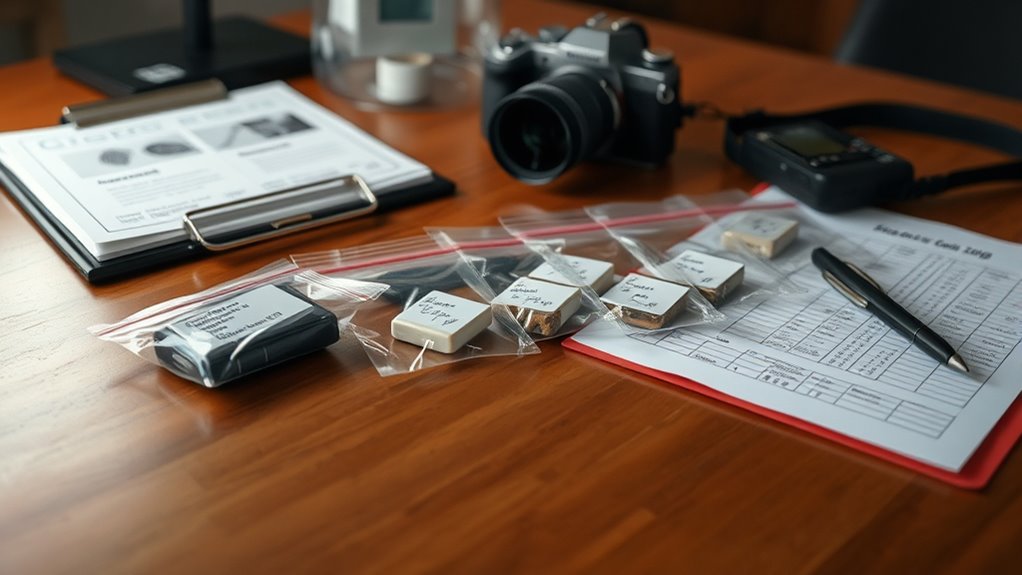
A proper chain of custody requires careful document handling procedures to track each step accurately. You must employ secure storage methods to prevent tampering or loss. Additionally, transfer verification steps guarantee every transfer is confirmed and recorded properly. Incorporating local automation can streamline and verify these transfer processes, ensuring accuracy and security throughout the chain. Maintaining compliance with legal standards is also essential to uphold the credibility of your video evidence. Understanding styling product differences can help ensure that all evidence handling is appropriate for the context, avoiding contamination or mishandling. Moreover, understanding thermal behavior from high‑heat outdoor cooking techniques can inform best practices for temperature-sensitive evidence preservation, especially when considering precise temperature control to prevent degradation.
Document Handling Procedures
To guarantee a proper chain of custody, you must handle and document evidence carefully from the moment it’s collected. This starts with precise documentation—record the date, time, location, and person collecting the evidence. Use clearly labeled containers to maintain evidence preservation and prevent tampering. Always sign off on each transfer of the evidence, noting who handled it and when. Avoid unnecessary handling or exposure that could compromise integrity. Keep detailed logs of every action taken with the evidence to ensure transparency. Proper documentation creates an unbroken trail, reinforcing the credibility of your chain of custody. By following strict procedures, you reduce risks of contamination or loss, ensuring your evidence remains credible and admissible in legal proceedings.
Secure Storage Methods
Proper storage of evidence is essential for maintaining the integrity of the chain of custody. You should use secure storage locations that limit access to authorized personnel only. This could include locked cabinets, safes, or secure server rooms. To protect the video evidence from tampering or unauthorized viewing, implement video encryption both during storage and transmission. This ensures that the data remains confidential and unaltered. Label storage devices clearly, record all access in a log, and regularly verify the integrity of the stored video. Using a combination of secure storage locations and encryption measures helps prevent contamination or loss of evidence, maintaining its credibility throughout the investigation process. Proper storage methods are key to preserving the authenticity of your video evidence. Leveraging European cloud solutions can further enhance the security and sustainability of your storage infrastructure. Incorporating secure storage practices and regularly auditing access logs are also vital for ongoing evidence integrity. Ensuring that storage methods align with best practices in digital evidence management further safeguards the chain of custody. Additionally, adopting comprehensive security protocols can help identify and mitigate potential vulnerabilities in your storage system.
Transfer Verification Steps
Ensuring the integrity of your evidence during transfer requires careful verification at each step. Proper transfer verification confirms that the video remains unaltered and credible, especially when dealing with compressed files. You should check that video compression hasn’t introduced artifacts or altered playback synchronization, which could affect the evidence’s authenticity. Follow these steps:
- Record the transfer details, including date, time, and personnel involved.
- Use hash values to verify that the original file matches the transferred copy.
- Confirm that playback synchronization remains intact, with no desynchronization issues.
- Maintain a chain of custody document that tracks every transfer, handoff, and review.
- Be aware of potential Rhythm Failure issues that can impact video quality and authenticity during transfer.
Recording Video Source and Acquisition Details

When recording video sources, capturing accurate details about where the footage came from and how it was acquired is vital. Document the video source clearly, whether it’s a security camera, smartphone, or other device. Record acquisition details such as date, time, device used, and any relevant settings or conditions during recording. These details help establish the authenticity and chain of custody for the footage. Additionally, understanding the importance of chain of custody ensures that all footage remains credible and uncontested. Incorporating original research and data can further enhance the verification process by providing technical specifics about the recording. Including information about metadata can further enhance the verification process by providing technical specifics about the recording. Accurate recording of the source and acquisition details guarantees you can verify the video’s integrity later. Proper documentation of recording conditions also contributes to establishing the context and reliability of the footage. Maintaining a detailed log or record of all interactions with the footage can prevent potential disputes and support the credibility of your evidence. This information builds a solid foundation for credibility and provides transparency if the footage is ever questioned. Keeping thorough records at this stage safeguards your evidence’s reliability from the outset.
Securing and Storing Video Files Properly

Securing and storing video files correctly is essential to maintaining their integrity and preventing tampering. Proper storage ensures the evidence remains credible and admissible. Consider these key steps:
Securely store videos with encryption and multiple backups to preserve integrity and credibility.
- Use strong file encryption to protect videos from unauthorized access.
- Store files on secure, access-controlled servers or drives.
- Avoid excessive video compression that can degrade quality; balance compression for storage without losing critical details.
- Regularly back up files to multiple secure locations to prevent loss from hardware failure or corruption.
- Implement content verification methods like hash checks to detect any unauthorized alterations over time, ensuring the video integrity remains intact and trustworthy. Additionally, maintaining secure storage practices helps prevent accidental or intentional data breaches that could compromise the evidence.
Documenting Every Transfer and Access

You need to record every transfer details to keep a clear record of who handled the evidence and when. Logging access encounters helps guarantee accountability and can reveal any unauthorized activity. Maintaining chain integrity depends on consistently documenting each step to preserve the evidence’s credibility. Proper appliance care and accurate documentation work together to ensure that the chain of custody remains unbroken and trustworthy. Additionally, understanding chain of custody procedures can help reinforce the importance of meticulous record-keeping throughout the process. Recognizing the significance of vetted protocols further ensures that all procedures align with established standards for evidence management. Regular review of cookie policies can also support transparency and compliance with privacy regulations, which is essential in maintaining trust during evidence handling processes. Implementing security measures can further protect the integrity of the evidence and prevent tampering or loss.
Record Transfer Details
How can you guarantee the integrity of your chain of custody if you don’t record every transfer and access? Tracking each movement ensures the video remains credible and unaltered. When documenting transfer details, focus on capturing key information like who handled the footage, date and time, method of transfer, and storage location. Use consistent file format standards to prevent compatibility issues, and record video metadata to maintain authenticity. This systematic approach helps establish a clear chain of custody, making the evidence defensible.
Here’s what to include:
- Transfer date, time, and method
- Names of individuals involved
- Storage locations and media used
- Video metadata and file format standards
Log Access Encounters
Ever wondered why every access to video evidence must be documented? Keeping detailed access logs is indispensable to create clear audit trails that track who accessed the footage, when, and why. Each time someone retrieves or reviews evidence, record the date, time, purpose, and their identity. This documentation ensures accountability and helps verify the integrity of the evidence, preventing allegations of tampering or mishandling. Access logs serve as a crucial record that can be reviewed during audits or legal proceedings, demonstrating that proper procedures were followed. By meticulously logging each encounter with the evidence, you strengthen the chain of custody, maintaining its credibility and ensuring the video remains trustworthy throughout its lifecycle.
Maintain Chain Integrity
Maintaining the integrity of the chain requires meticulous documentation of every transfer and access to the evidence. This ensures the chain of custody remains unbroken and the video integrity is preserved. Without detailed records, the credibility of your footage can be questioned. To keep the chain intact, consider these steps:
- Record each transfer, noting date, time, and personnel involved.
- Use tamper-evident containers or secure storage.
- Restrict access only to authorized individuals.
- Sign and date logs after every interaction with the evidence.
Using Digital Tools for Chain of Custody Management

Digital tools have revolutionized the way you manage the chain of custody by providing real-time tracking and streamlined documentation. With digital signatures, you guarantee each transfer is securely verified, reducing risks of tampering. Cloud storage offers a centralized, accessible platform to store all relevant records, making audits more efficient. These tools automate tracking, minimize manual errors, and enhance transparency. Use the table below to compare key features:
| Feature | Benefit |
|---|---|
| Digital signatures | Authenticate transfers instantly |
| Cloud storage | Secure, accessible record keeping |
| Real-time tracking | Immediate updates on custody status |
| Automation | Reduces manual errors and saves time |
Ensuring Video Integrity and Authenticity

Ensuring the integrity and authenticity of video evidence is crucial for maintaining trust and reliability in legal and investigative contexts. To do this effectively, you should focus on securing the video through methods like video encryption, which protects against tampering. Confirm the authenticity by cross-verifying with witness testimony, ensuring the footage matches witness accounts. Additionally, keep detailed logs of each step to prevent doubts about the video’s origin. Finally, use tamper-evident storage to safeguard the file from unauthorized access. Here are key actions:
- Implement video encryption during storage and transfer
- Corroborate footage with witness testimony
- Maintain detailed chain of custody logs
- Store videos in tamper-evident environments
These steps help preserve the video’s credibility and legal admissibility.
Common Mistakes to Avoid in Chain of Custody Procedures

One of the most common mistakes in chain of custody procedures is failing to document every transfer and handling of evidence. Inadequate metadata management can lead to gaps in the record, making it difficult to verify the evidence’s integrity. Be sure to record details such as who handled the video, when, and where, to maintain a clear chain. Relying solely on written notes without capturing witness testimony can also weaken the chain, especially if disputes arise later. Always ensure witnesses sign off on transfers and provide accurate accounts of their handling. Avoid skipping steps or rushing through documentation, as these oversights can undermine the evidence’s credibility and compromise your case. Staying meticulous in documentation and witness accounts keeps your chain of custody strong and credible.
Legal and Ethical Considerations

Understanding the legal and ethical considerations in chain of custody procedures is essential because they directly impact the admissibility and credibility of evidence in court. Making certain of legal compliance protects you from challenges that could invalidate your evidence. In digital forensics, maintaining ethical standards guarantees the integrity of your investigation. Here are key points to contemplate:
Legal and ethical adherence ensures evidence integrity and court admissibility.
- Follow jurisdiction-specific laws for evidence handling.
- Document every step accurately to ensure transparency.
- Use secure methods to prevent tampering or contamination.
- Respect privacy rights and confidentiality during digital forensics.
Best Practices for Maintaining Credibility Over Time

To maintain your credibility over time, it’s crucial to use proper documentation techniques that clearly record every transfer and handling. Conduct regular chain audits to catch and correct any discrepancies early. These practices ensure your chain of custody remains trustworthy and compliant.
Proper Documentation Techniques
Effective documentation is essential for maintaining the integrity of the chain of custody over time. Proper documentation techniques ensure your video evidence remains credible and uncontested. To do this, follow these key practices:
- Record detailed, accurate descriptions of each handling event, including date, time, and personnel involved.
- Use consistent labeling and numbering systems for all footage and related materials.
- Securely store all documentation in a tamper-evident environment, limiting access to authorized personnel.
- Maintain an unbroken log of transfers, noting every transferor and transferee with signatures or initials.
Implementing these techniques helps preserve the chain of custody and supports the video’s evidentiary value. Clear, precise documentation minimizes questions about authenticity and safeguards your video from future challenges.
Regular Chain Audits
Regular chain audits are crucial for ensuring the integrity of your evidence over time. They help confirm that the chain of custody remains unbroken and that the video authenticity is maintained. By periodically reviewing your records and verifying access logs, you catch potential issues early and prevent tampering. These audits reinforce the credibility of your evidence, especially in legal proceedings where even minor discrepancies can undermine your case. Establish a routine schedule for audits, document every review thoroughly, and cross-check physical and digital evidence. Consistent audits demonstrate your commitment to maintaining the chain of custody’s integrity, ensuring your video evidence stays credible and admissible. Regularly performing chain audits is essential for safeguarding your evidence’s reliability over the long term.
Frequently Asked Questions
How Do I Handle Chain of Custody for Encrypted Video Files?
To handle chain of custody for encrypted video files, you must document every transfer and access, ensuring evidence integrity. Keep digital encryption keys secure, and only share them with authorized personnel. Use secure storage methods like encrypted drives or cloud services with access logs. Always record each step of handling, including encryption and decryption actions, to maintain a clear, unbroken chain of custody that preserves the video’s credibility and integrity.
What Are the Consequences of Chain of Custody Breaches?
Ever wondered what happens if you breach chain of custody? You risk compromising evidence integrity, which can lead to legal complications or case dismissals. Breaches undermine the reliability of your video evidence, making it inadmissible in court. Staying compliant with chain of custody procedures guarantees your evidence remains credible and legally sound. Don’t underestimate the importance of proper handling; it’s essential for maintaining trust and upholding justice.
Can Chain of Custody Procedures Vary Across Different Jurisdictions?
Yes, chain of custody procedures can vary across different jurisdictions due to jurisdictional variability. You need to understand each area’s specific legal requirements to guarantee legal compliance. This means adapting your procedures to meet local rules for documenting, handling, and storing evidence. By doing so, you maintain the integrity of your video evidence and prevent potential legal challenges that could arise from inconsistent practices across jurisdictions.
How Often Should Chain of Custody Documentation Be Reviewed?
You should review your chain of custody documentation regularly, ideally every time you access or update video storage. Studies show that 80% of legal cases hinge on documentation accuracy, so frequent reviews help maintain credibility. By staying vigilant, you reduce the risk of errors or tampering, ensuring your video evidence remains reliable. Make it a habit to check your records consistently, preserving the integrity of your chain of custody.
What Training Is Recommended for Personnel Handling Video Evidence?
You should provide personnel with specialized training in video evidence storage and handling, guaranteeing they understand proper procedures to maintain chain of custody. Certification programs for personnel handling video evidence enhance credibility and ensure compliance with legal standards. Regular refresher courses help keep staff updated on best practices, safeguarding the integrity of your video evidence. Well-trained, certified personnel are essential for maintaining a credible chain of custody.
Conclusion
By following these chain of custody basics, you build a fortress around your video evidence, making it unbreakable in court. Every step you take preserves its integrity, ensuring your case stands tall like a lighthouse amid the storm. Stay diligent, document meticulously, and handle your footage with care—because credibility isn’t just gained; it’s earned through unwavering commitment. When you safeguard your evidence, you’re not just protecting a file—you’re defending the truth itself.