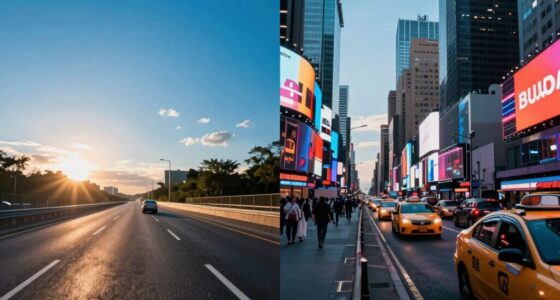
HDR can definitely enhance your images, but it’s not always the best choice. During golden hour, for instance, the soft, warm light creates beautiful contrasts that often shine without HDR. In low-light situations, adjusting lighting or using higher ISO settings can yield better results. When you’re indoors, using HDR selectively can help balance contrasting areas, but overusing it might lead to unnatural images. Explore how to tailor your approach for each scenario to get the best outcomes.

Get business pricing on garage and car supplies
- Business-only prices and quantity discounts
- Tax-exempt purchasing
- Multiple users, one account, clear invoices
Key Takeaways
- HDR effectively blends exposures to capture detail in high-contrast scenes but can be unnecessary in well-lit conditions like the golden hour.
- In optimal lighting, natural colors and soft shadows often produce stunning images without the complexity of HDR.
- Low light scenarios may benefit more from well-placed artificial lighting than from HDR, which can introduce noise.
- Indoor photography often faces varying light levels, where selective HDR use can enhance specific areas without making the image look unnatural.
- Understanding your camera’s dynamic range helps determine when to use HDR for balanced exposure and organic-looking results.
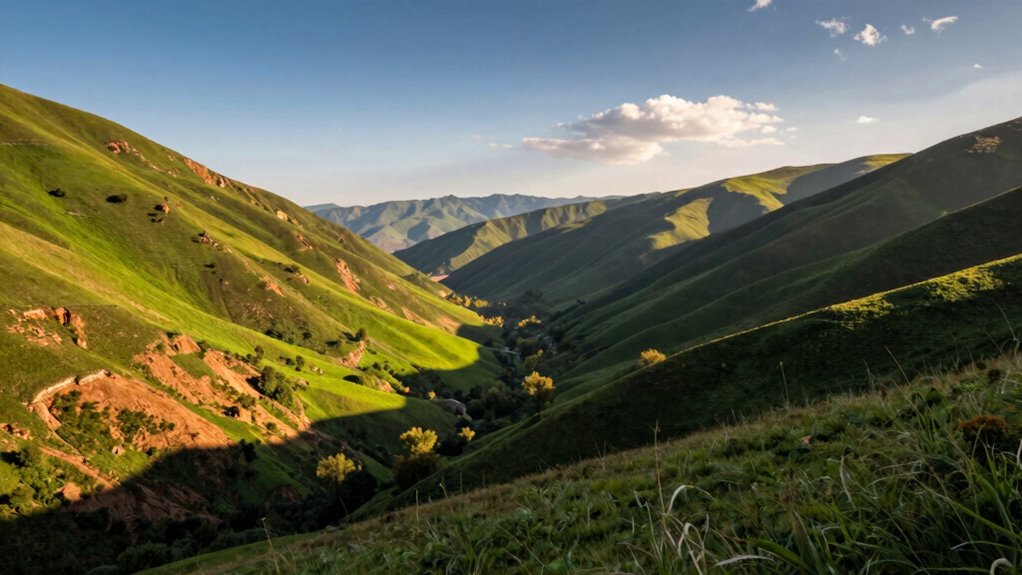
When you’re capturing images in challenging lighting situations, High Dynamic Range (HDR) can be a game-changer. This technique allows you to blend multiple exposures, capturing a wider range of tones than what a single shot can provide. In outdoor photography, where you often face contrasting scenes with bright highlights and dark shadows, HDR helps balance those extremes. You’ll find it particularly useful when the sun is blazing, and the shadows are deep, allowing you to pull detail from both ends of the spectrum.
However, HDR isn’t a one-size-fits-all solution. When working with natural lighting, particularly during golden hour, you might not need it. The soft, warm light creates a beautiful balance that often translates well without the need for HDR. In these situations, you can capture stunning images with rich colors and soft shadows, making your photos pop without the added complexity of blending exposures.
In low light scenarios, you may think HDR could save the day, but that’s not always the case. Artificial lighting can introduce noise and unwanted artifacts when you merge multiple exposures. If you’re shooting indoors with dim lighting, you might find that a well-placed light source or a higher ISO setting does a better job than HDR. Instead of relying on the technique, consider how you can modify the environment or your camera settings to achieve the desired effect. Understanding lighting conditions and how they interact with your camera settings can help you decide when HDR will be most effective. Additionally, being aware of your camera’s dynamic range can guide you in choosing the best approach for each scene.
Contrasting scenes can be tricky, especially in indoor settings where the light varies wildly from one area to another. You might find that HDR helps in these situations, but it’s essential to approach it thoughtfully. If you try to capture every detail, the resulting image can look unnatural, losing that organic feel. Instead, focus on key elements in your composition and use HDR selectively to enhance specific areas, rather than applying it uniformly. Recognizing dynamic range limitations and how they influence your photos can help you balance the exposure effectively.
HDR camera for outdoor photography
As an affiliate, we earn on qualifying purchases.
As an affiliate, we earn on qualifying purchases.
Frequently Asked Questions
What Devices Support HDR Technology for Photography?
Many modern cameras, smartphones, and tablets support HDR technology for photography. When you check camera compatibility, look for models that specifically mention HDR capabilities. You’ll also want to adjust your device settings to enable HDR mode. Confirm your editing software supports HDR images for post-processing. Practical applications include landscape photography and high-contrast scenes, allowing you to capture stunning details in both shadows and highlights. Enjoy experimenting with this powerful feature!
How Does HDR Affect Post-Processing Workflows?
They say, “The devil’s in the details.” When you use HDR, it greatly enhances your dynamic range, allowing for richer colors and deeper shadows. However, it can introduce editing challenges, especially with tonal adjustments. You might find yourself spending extra time fine-tuning highlights and shadows. Still, with practice, you’ll improve your workflow efficiency, making HDR a powerful tool in your photography arsenal. Embrace the learning curve and enjoy the results!
Can HDR Be Used Effectively for Video Editing?
Yes, you can use HDR techniques effectively for video editing. They enhance dynamic range, making your visuals pop. However, be mindful of HDR limitations, like inconsistent results in varying lighting conditions. When making HDR comparisons with standard techniques, you’ll often find HDR applications yield more vibrant colors and details. Just remember to adjust your workflow accordingly, as not every scene benefits equally from HDR. Balance is key to achieving stunning results.
Is HDR Beneficial for All Types of Photography?
Is HDR beneficial for all types of photography? Consider this: can a single tool fit every job? While HDR benefits like enhanced dynamic range can elevate your images, its limitations in certain lighting situations can hinder your results. Mastering HDR techniques and settings is key; use them wisely to avoid overexposure. In low light, traditional methods might serve you better. So, choose the right approach for each scenario and watch your photography flourish.
What Are Common Misconceptions About HDR Technology?
You might think HDR always improves image quality, but that’s not true. A common misconception is that HDR automatically enhances dynamic range in all lighting conditions. It can actually create unnatural contrast levels and distort color accuracy if exposure settings aren’t adjusted properly. In bright scenes, HDR may overexpose highlights, while in low light, it can introduce noise. Understanding when to use HDR is key for achieving the best results in your photography.
artificial lighting for low light indoor photography
As an affiliate, we earn on qualifying purchases.
As an affiliate, we earn on qualifying purchases.
Conclusion
In the world of photography, HDR is like a double-edged sword; it can enhance your images, but it doesn’t shine in every lighting scenario. While it captures the intricate dance of shadows and highlights beautifully, sometimes it can muddle the clarity in tricky conditions. Knowing when to wield HDR is key to creating stunning visuals. Trust your instincts, and remember, even the brightest tool has its limits in the ever-changing landscape of light.
As an affiliate, we earn on qualifying purchases.
tripod for landscape photography
As an affiliate, we earn on qualifying purchases.
As an affiliate, we earn on qualifying purchases.
Fall Picks
fall essentials
As an affiliate, we earn on qualifying purchases.