
When authorities subpoena your dash cam footage, you’ll need to know your rights and what to expect. They may require you to produce the footage, and law enforcement could access it directly if it’s relevant to an investigation. It’s important to preserve your files properly and consult legal help before sharing anything. If you keep these points in mind, you’ll better understand the legal process and how your footage could impact your case—more details follow.
Key Takeaways
- Subpoenas require third parties to produce dash cam footage, specifying details like location and timeframe.
- Law enforcement may request footage informally, but subpoenas are necessary if refused.
- Owners and employers have rights and responsibilities regarding access, retention, and privacy of footage.
- Proper preservation, documentation, and legal counsel are essential to ensure evidence admissibility.
- Privacy laws and recording regulations can limit access, sharing, or use of dash cam videos.
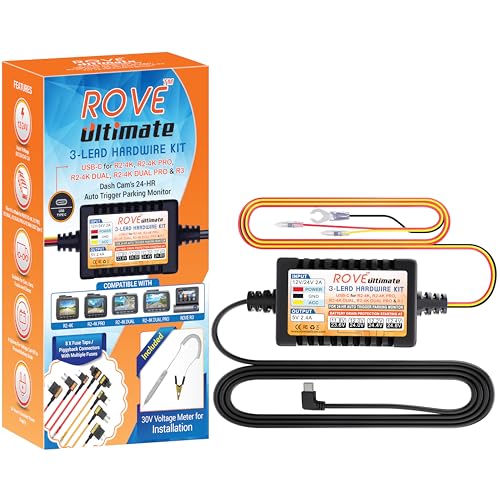
ROVE Ultimate Dash Cam Hardwire Kit with USB-C Port for R2-4K, R2-4K PRO, R2-4K Dual, R2-4K Dual PRO, and R3 Dash Camera Models, 24Hr Parking Monitoring Kit with Low Voltage Protection
【Compatible for ROVE R2-4K with USB-C Port, R2-4K PRO, R2-4K DUAL, R2-4K DUAL PRO, and R3 Dash Cam...
As an affiliate, we earn on qualifying purchases.
Understanding the Subpoena Process for Dash Cam Footage
Understanding how the subpoena process works for dash cam footage is essential if you’re involved in a legal investigation or lawsuit. When relevant, a subpoena can compel third parties—such as vehicle owners, rental companies, or dash-cam providers—to produce footage. Courts typically require subpoenas to specify details like camera location, timeframe, and file format to make the request clear and specific. Law enforcement might request footage informally, but if the holder refuses, prosecutors or plaintiffs can issue a subpoena to force production. Enforcement can lead to sanctions or contempt if the custodian refuses without a valid legal reason. Keep in mind that subpoenas are often used in civil and criminal cases, depending on the context, and proper procedures must be followed to ensure compliance. Legal professionals often assist in drafting and serving subpoenas to ensure all procedural requirements are met. Additionally, understanding subpoena enforcement is crucial for ensuring that the footage is produced in a timely manner and in accordance with legal standards.

REDTIGER F7N Dash Cam Hardwire Kit USB C Port, Dashboard Camera Car Charger Cable Kit 12V- 24V to 5V w/Fuse Kit, Low Voltage Protection for Dash Cam Double-4 Fuses
【Wide Compatible】Input:12V-24V; Output:5V/2A. With Type-C ports, this hardwire kit compatible with all of dash cams.
As an affiliate, we earn on qualifying purchases.
How Attorneys Obtain Footage From Other Drivers and Entities
Attorneys often act quickly to secure dash cam footage from other drivers and entities by sending written preservation and early-action requests. These letters request that footage be preserved immediately to prevent deletion, often citing a litigation hold. They also ask for metadata and device logs to authenticate the footage and establish chain-of-custody. When dealing with commercial entities like rideshare or trucking companies, certified letters or email notices document receipt and trigger retention protocols. For police or municipal vehicles, formal preservation or open-records requests are submitted, noting agency-specific retention schedules. If immediate preservation isn’t successful, attorneys document all efforts—dates, contacts, responses—to support later motions to compel or sanctions for negligent spoliation.
- Send preservation notices promptly to prevent overwriting
- Request metadata, device logs, and chain-of-custody info
- Use certified or email notices for commercial entities
- Submit formal preservation or open-records requests for law enforcement footage
- Document all efforts to support future legal motions

USB-C Hardwire Kit for Dash Cam with Acc Detection, 4-Level Adjustable Low Voltage Protection & Automatic LED Voltmeter, 3-Lead Power Cable for Dash Camera Parking Mode & Continuous Recording
Voltage Step-Down Power Supply: This product is a special pressure drop line for driving data recorder. Through the...
As an affiliate, we earn on qualifying purchases.
The Role of Law Enforcement in Accessing Dash Cam Videos
Law enforcement agencies access dash cam footage only when they have a legitimate reason aligned with their official duties. They cannot view or use footage without a lawful purpose, and their access is tracked through audit trails to ensure accountability. After recording, videos are uploaded to designated storage platforms, and access is restricted to authorized personnel or policies. Officers activate the cameras in event mode before citizen contact or as soon as safely possible, continuing recording until contact ends or it shifts to intelligence gathering. Footage related to critical incidents, like use-of-force, is stored for at least two years, while general recordings are kept for a minimum of 60 days. These protocols ensure that dash cam footage is accessed responsibly, safeguarding both public and officer interests. Proper data management practices] are essential to maintain transparency and protect privacy rights.

Gebildet Dash Cam Hardwire Kit, Type C USB Hard Wire Kit 12V-24V to 5V Hardwire Kit with Low Voltage Protection 13ft/320cm Car Dash Camera Charger Power Cord for Dashcam Supply Radar Detectors
【Low Voltage Protection】 Once the input voltage drops below 11.6V (23.2V for 24V input), the battery drain protection...
As an affiliate, we earn on qualifying purchases.
What Happens When a Subpoena Is Issued for Your Dash Cam Footage

When a subpoena is issued for your dash cam footage, you’re legally required to preserve the relevant files immediately upon receipt. Failing to do so can be considered spoliation, which may lead to sanctions or adverse inferences. Many dash cams automatically overwrite footage, so you should take prompt action by disabling loop recording or copying files to secure storage. Proper chain-of-custody documentation, including retaining original files and access logs, strengthens the evidence’s admissibility. If the footage is stored with a third party, such as a cloud service, a subpoena or subpoena duces tecum may be necessary to compel preservation and production. Proper management of digital evidence is essential to ensure its integrity and legal acceptability. Additionally, understanding evidence preservation procedures can help ensure your footage remains admissible in court. Knowing how to secure digital evidence effectively can prevent potential disputes over authenticity and chain of custody. Implementing digital forensics best practices can further safeguard the integrity of your footage throughout the legal process.
Legal Rights and Protections for Drivers Regarding Their Footage

As a driver, you have rights concerning your dash cam footage, including ownership and how it can be used. You’re also protected by privacy and consent laws that limit what others can access without your permission. Understanding your legal obligations helps you safeguard your rights and guarantees your footage isn’t misused. Additionally, knowing the rules about recording audio ensures you remain compliant with California’s two-party consent law and avoid potential legal issues.
Ownership of Footage
Ownership of dash cam footage generally depends on who controls the device and its storage media. If you own the vehicle and the dash cam, physical ownership usually stays with you unless a contract or employer policy states otherwise. Who controls the storage—such as an SD card or cloud account—also influences custody. Manufacturer terms of service or cloud agreements might grant the vendor rights or licenses to the footage, affecting your ownership. In employer-owned vehicles, your employer may assert broad access rights. Additionally, selling or transferring the vehicle doesn’t automatically transfer cloud-stored footage unless you take specific steps. Legal protections vary by state and context, affecting your rights over the footage. Ownership of the device itself typically rests with the purchaser or owner, but cloud storage agreements can limit your control over the footage stored remotely. Employer policies often claim rights in company vehicles, which can include dash cam footage. Sale or transfer of the vehicle doesn’t automatically transfer stored footage unless you take specific measures to do so, such as downloading or deleting files. It’s also important to understand privacy laws as they influence recording and sharing rights, especially regarding third parties captured in the footage. Additionally, understanding ownership rights can help you better navigate disputes over footage control. Moreover, knowing your rights can help in cases of subpoenas or legal demands to produce footage from your dash cam.
Legal Obligations and Rights
Drivers have specific legal rights and protections when their dash cam footage is requested or subpoenaed. You have the right to consult legal counsel before producing footage, ensuring your privacy and evidentiary concerns are addressed. If a subpoena is overly broad or burdensome, you can file motions to quash or narrow its scope to protect irrelevant or privileged material. In many cases, law enforcement must obtain a warrant if constitutional protections apply, especially for private or sensitive content. You can also request redactions or protective orders for unrelated private information. After providing footage, you have the right to obtain copies, and when litigation ends, to seek the return or certification of original files, safeguarding your rights and the integrity of your data. Additionally, understanding your rights regarding Floating on Water can help clarify how water-related evidence or environmental considerations might impact legal proceedings involving dash cam footage. It is also important to be aware of how herbal teas and their properties may influence your physical state during legal interactions, such as remaining calm and focused. Being informed about digital privacy laws can further help protect your footage from unauthorized access or misuse. Recognizing the potential for tax implications related to legal proceedings can also be beneficial in understanding the broader context of your evidence and legal obligations. Moreover, knowing the procedures for subpoena response can help you navigate the legal process efficiently and securely.
Privacy and Consent Laws
When your dash cam footage is requested or subpoenaed, understanding privacy and consent laws is key to protecting your rights. These laws vary by state, especially regarding audio recordings. In two-party consent states like California and Illinois, you must get affirmative permission from all parties before recording audio. In single-party consent states, only one person—often you—needs to agree. Violating these laws can lead to civil or criminal penalties, and illegally recorded audio may be inadmissible in court. It’s also important to contemplate where recordings happen, as private spaces like homes or private property may restrict recording. To stay compliant, many opt for video-only footage or mute microphones. Proper data security, retention, and employer-specific rules further safeguard your privacy rights. Additionally, understanding public recording laws helps prevent inadvertent violations in various environments. Being aware of audio recording regulations ensures you avoid legal complications related to your dash cam footage. Moreover, knowing the legal rights surrounding recorded data can help you respond appropriately if your footage is used in legal proceedings. Staying informed about recording regulations can help you navigate potential legal pitfalls and protect your interests.
The Significance of Dash Cam Evidence in Court Cases
Dash cam evidence plays a crucial role in court cases by providing unbiased, visual documentation of incidents. Your footage can clarify disputes, showing exactly what happened during a collision or misconduct. For example, dash cam videos have exonerated officers in misconduct complaints 93% of the time and contributed to overturning rulings when they contradicted witness accounts. In civil cases, recordings have disproved injury claims and confirmed legal rights, such as right-of-way or pedestrian signals. Dash cam footage also aids accident reconstruction, revealing details like intentional acts or reckless driving, which might otherwise be missed. Courts often rely on complete, high-quality videos, with evidence influencing case outcomes considerably—leading to dismissals, reduced indictments, or favorable defense judgments. Your dash cam can be a powerful tool in ensuring your version of events is accurately represented. Furthermore, studies show that the presence of dash cam footage can significantly increase the likelihood of a favorable court ruling for the footage owner. Additionally, video quality can impact the credibility and usefulness of the evidence presented, as visual clarity is essential for establishing a reliable record in legal proceedings. Proper storage and management of dash cam footage is also vital to preserve its integrity and admissibility in court. Incorporating video metadata such as timestamps and GPS data can further enhance the evidentiary value of your recordings and support their authenticity in legal contexts. Moreover, understanding the ethnicity of individuals involved can sometimes add context or credibility to the footage, especially in complex cases.
Potential Risks and Pitfalls of Sharing Dash Cam Recordings

Sharing dash cam footage might seem like a straightforward way to support your case or share your experiences, but it can carry significant risks. You could breach GDPR or data protection laws if faces and license plates remain identifiable, risking fines or ICO complaints. You might also inadvertently incriminate yourself by revealing traffic violations, which police can use against you, leading to fines or license points. Additionally, recording audio without consent can violate wiretapping laws, making your footage inadmissible. Tampering with recordings—like editing timestamps or deleting clips—can be seen as evidence manipulation, invalidating your footage in court. Furthermore, privacy considerations are crucial when sharing footage, especially if it captures pedestrians or property without consent. Finally, sharing private or low-quality footage risks privacy violations, misinterpretation, or legal disputes, especially if it captures pedestrians or property without consent. Legal restrictions on sharing footage are strict and vary depending on the context and content.
Best Practices for Drivers Facing Subpoenas or Discovery Requests

When you receive a subpoena or discovery request, it’s vital to preserve the original dash cam footage immediately to prevent tampering or accidental deletion. You should also consult with a legal expert to understand your rights and make certain you’re complying correctly. Taking these steps helps protect your interests and keeps your response within legal boundaries. Subpoena enforcement procedures emphasize the importance of safeguarding evidence and ensuring timely compliance to avoid penalties. Additionally, understanding the legal obligations for evidence preservation can help you navigate the process more confidently. Being aware of digital evidence management strategies can further assist in maintaining the integrity of your footage, especially considering the importance of proper evidence documentation in legal proceedings.
Preserve Original Footage
To effectively preserve your dash cam footage, act immediately upon receiving a subpoena or discovery request by sending a written preservation notice to all potential custodians, including vehicle owners, police agencies, and third-party vendors. This step prevents deletion or overwrites of critical evidence. Next, remove the device from active use to avoid cyclic overwrites. Make a forensic-grade, bit-for-bit copy of the storage device before playback or conversion, preserving original metadata and file integrity. Record timestamps, including date and time, who preserved the footage, and device serial numbers, to support chain of custody. If the footage comes from third parties, send preservation letters and file FOIA requests promptly, as agency retention periods are often short and vary by custodian. Additionally, understanding digital evidence and its importance can improve the preservation process and ensure admissibility in legal proceedings. Recognizing the significance of metadata preservation can help maintain the integrity of your evidence throughout the legal process. Ensuring that all relevant data is properly documented can also enhance the credibility of your preservation efforts.
Consult Legal Counsel
Facing a subpoena or discovery request for dash cam footage can be complex and fraught with legal pitfalls. You should immediately consult an experienced attorney to evaluate your obligations, risks, and rights. Confirm the subpoena’s validity, service method, response deadline, and applicable rules to identify procedural issues. Work with your lawyer to inventory potential data sources—dash cams, cloud backups, mobile apps, and vehicle systems—and suspend any automatic deletion processes to prevent spoliation. Preserve chain-of-custody records detailing who accessed the footage, when, and why. A subpoena is a court order requiring the production of evidence. Your legal counsel can help determine if any footage is privileged or protected, assess relevance, and advise on privacy concerns for third parties. Following your lawyer’s guidance guarantees proper handling and reduces your risk of legal complications.
Tips for Protecting Your Privacy and Legal Interests
Protecting your privacy and legal interests when dealing with dash cam footage requires careful attention to preservation and admissibility standards. To guarantee your footage remains protected and usable, follow these best practices:
- Store footage securely with timestamps and restrict access.
- Avoid overwriting recordings after an incident.
- Keep original files intact without personal edits.
- Use cloud backups to prevent loss or damage.
- Document the chain of custody from recording to court presentation.
- Properly handling your footage ensures it remains admissible and can be relied upon in legal proceedings, so always follow established protocols for preservation and sharing.
Additionally, be aware of audio recording laws—only record audio if permitted in your jurisdiction—and never tamper with timestamps or metadata, as this can make footage inadmissible. Understand that your footage remains your property, but courts can subpoena it with proper legal procedures. Always consult an attorney before sharing or disclosing recordings to avoid privacy violations.
Frequently Asked Questions
Can I Refuse to Provide Dash Cam Footage if Subpoenaed?
You can’t refuse to provide dash cam footage if a subpoena is issued. When served, you’re legally obligated to comply, or you risk legal consequences like contempt charges or sanctions. While informal police requests can be declined, a court-issued subpoena demands your cooperation. Ignoring it or tampering with footage can lead to criminal charges. Always consult a lawyer before responding to a subpoena to guarantee proper handling and protect your rights.
What Are the Consequences of Tampering With Dash Cam Videos?
Tampering with dash cam videos can lead to serious criminal charges like evidence tampering or obstruction, resulting in fines or jail time. It also risks civil sanctions, such as evidence exclusion or court penalties, damaging your credibility. If authorities discover altered footage, you might face loss of driving privileges, legal penalties, or damage to your case. Always keep footage genuine to avoid these consequences and ensure your actions stand up in court.
Are There Legal Limits on Recording Audio Inside My Vehicle?
They say “forewarned is forearmed,” and that’s true when it comes to recording audio inside your vehicle. Legally, you generally can record if one person, including you, consents, but rules vary by state. In all-party consent states, you need everyone’s permission. Always notify passengers or turn off microphones if you’re unsure. Ignoring these laws could lead to legal trouble or footage being inadmissible in court.
How Long Can Police Retain My Dash Cam Footage?
You can expect police to retain your dash cam footage based on the situation. For general recordings, retention typically lasts at least 60 days, but it could extend up to 90 days or more, especially if linked to a criminal investigation or use-of-force incident. Critical cases, like crimes or serious incidents, may lead to indefinite storage, and footage related to complaints might be kept for several years.
Do I Need a Lawyer to Respond to a Subpoena for My Dash Cam?
You don’t necessarily need a lawyer to respond to a subpoena for your dash cam footage, but it’s highly advisable. For example, in a recent case, a driver responded without legal help, risking mishandling evidence. An attorney can guarantee you comply properly, protect your rights, and review the footage for admissibility. Consulting a lawyer helps you navigate legal complexities, avoid penalties, and use your footage strategically in any legal proceedings.
Conclusion
So, next time your dash cam captures that “accidental” drift into a parking lot, remember—it might just land you in court. While your footage can be your best ally or worst enemy, knowing how subpoenas work keeps you one step ahead. Stay savvy, protect your privacy, and don’t be surprised if your car’s new role as a courtroom star turns out to be more drama than driving. After all, who knew your daily commute could become a legal thriller?