
To make your original file harder to dispute, you should create a secure, immutable copy stored in a write-once or versioned, geographically protected storage. Generate and regularly verify checksums like SHA-256 to prove integrity, and document detailed metadata, including provenance and timestamps. Establish clear custody protocols and audit trails, using locks, signatures, and environmental controls for physical copies. Continuing with these steps helps guarantee your files remain defensible and trustworthy over time.
Key Takeaways
- Store the original in a secure, write-once, or versioned repository with geographic dispersion to prevent tampering.
- Generate and securely archive cryptographic checksums (MD5, SHA-256) for the original file for integrity verification.
- Capture comprehensive provenance metadata, including source, timestamp, and retrieval details, following established standards.
- Restrict access through strict permissions and document all handling actions to maintain an unaltered audit trail.
- Regularly perform fixity checks and logs to confirm the file remains unchanged and trustworthy over time.

USANOOKS Microfiber Cleaning Cloth Grey - 12 Pcs (12.5"x12.5") - High Performance - 1200 Washes, Ultra Absorbent Microfiber Towel Weave Grime & Liquid for Streak-Free Mirror Shine - Car Washing Cloth
- High Absorbency Microfiber: Locks in 8-10x its weight in liquids
- Durable 2.5mm Thick Design: Resists lint, scratches, and shedding
- Swirl-Free Mirror Shine: Rapid dry layers prevent streaks and damage
As an affiliate, we earn on qualifying purchases.
Establish a Stable and Read-Only Copy of the Original
How can you guarantee the original file stays safe while allowing edits? One effective method is to create a copy that remains stable and read-only. Using Google Drive, if the owner permits, you can select “Make a copy” from the File menu. This copy saves in your chosen folder with editable permissions, while the original stays unchanged and protected. On Linux, you can use commands like `cp -n` to prevent overwriting existing files or `cp -f` to force overwrites if necessary. For Windows or macOS, set the file’s properties to read-only—right-click, choose Properties or Get Info, and adjust permissions. These steps ensure the original remains unaltered, providing a dependable baseline for your work. Additionally, implementing file integrity measures helps in safeguarding your data and ensuring data security and compliance with best practices. Regular backup procedures further enhance the protection of your original files against accidental loss or corruption.

HOMEXCEL Microfiber Cleaning Cloth 12 Pack, 12.5 x 12.5 inch Microfiber Towels for Cars, Ultra Absorbent Washing Cloth, Lint Free Streak Free Cleaning Rags for Car, Kitchen, and Window (Grey)
- High Water Absorption: Exceptional absorption for cleaning and drying
- Scratch-Free Material: Soft fabric protects car paint
- Quick Drying: Rapidly absorbs water for streak-free finish
As an affiliate, we earn on qualifying purchases.
Generate and Store Checksums for Verification

To guarantee your files remain unaltered and free from corruption, generating and storing checksums is essential. A checksum acts as a unique fingerprint for your file, created using algorithms like MD5 or SHA-256. These cryptographic hashes provide a short, consistent representation of your data, allowing you to verify integrity during transfer or storage. Use tools such as `md5sum`, `sha256sum`, or Windows equivalents to generate checksums. Save these values alongside your files in text files or metadata. When needed, regenerate the checksum and compare it to the stored value. If they match, your file remains unchanged; if not, it may be corrupted or tampered with. Regularly verifying checksums ensures your original files stay intact and trustworthy over time. Additionally, understanding the importance of contrast ratio can help you better assess the overall image quality of your projectors.

Chemical Guys, Workhorse Plush Microfiber Towels, 16 x 16 in, Black, 3 Pack
- Size: 16 x 16 inches
- Material: Premium microfiber blend
- Use: Washing, drying, detailing cars
As an affiliate, we earn on qualifying purchases.
Use a Standardized Ingest Workflow and Secure Storage Location
You should establish clear, consistent procedures for ingesting files to guarantee provenance and minimize errors. Use controlled storage locations that mirror your repository’s structure and enforce security measures from the start. Document each step thoroughly to create an auditable trail and maintain the integrity of your original files. Incorporating research-driven best practices ensures your workflow remains reliable and scientifically sound.
Design Consistent Procedures
Establishing a consistent data ingestion process is essential for maintaining data integrity and security. You should implement a standardized workflow that captures media from sources like cameras or drives, then cleans and validates data—removing duplicates, correcting formatting, and establishing clear validation rules. Automate schema monitoring to detect changes and build flexible pipelines that handle minor variations. Real-time monitoring of data flow rates, latency, and errors helps identify issues early. Guarantee interoperability by designing workflows that integrate via APIs, supporting automation and scalability. Define transient workflows for high ingestion loads to reduce processing time and avoid unnecessary data persistence. Consistent procedures eliminate redundancies, streamline processing, and create a reliable foundation that makes disputes over original files less feasible.
Use Controlled Storage Spaces
Using controlled storage spaces is essential for safeguarding original files and maintaining data integrity. You should implement role-based access controls (RBAC) tied to unique user identities to restrict who can view, modify, or export files. Require multi-factor authentication (MFA) for all accounts with evidence access to prevent unauthorized logins. Use physical segregation, such as separate servers or VLANs, to isolate original files from general network storage. Enable granular permissions that limit actions like read, write, or export at the file or folder level to prevent unauthorized changes. Maintain tamper-evident locks for on-premise storage, like secure lockers or racks, to deter physical tampering. These controls collectively ensure that only authorized personnel can access or alter original files, strengthening your evidence’s integrity. Additionally, employing vetted security measures helps ensure compliance with best practices and reduces the risk of unauthorized access. Incorporating security protocols rooted in best practices further enhances the protection of critical data from potential breaches.
Document Workflow Steps
Have you considered how a standardized document ingestion process can streamline your workflow and enhance security? By implementing a single inbox for emails, portals, and bulk uploads, you consolidate all document entry points. Automate categorization and renaming to prevent manual errors, and use predictive tagging for real-time alerts on missing or late documents. Incorporate secure storage locations to safeguard sensitive information and facilitate easy retrieval. Follow a six-step framework: audit bottlenecks, map processes, select tools, build automations, test, and optimize. Use a consistent naming convention like

Amazon Basics Microfiber Car Drying Towels, Highly Absorbent, Lint Free, Scratch Free, Ultra-Soft, Car Detailing, Buffing and Polishing, 16" x 16", Yellow, 12-Pack
- Product Quantity: 12-pack of towels
- Size: 16 x 16 inches
- Material: Microfiber for drying and polishing
As an affiliate, we earn on qualifying purchases.
Retain the Native Original for Provenance and Fidelity
How can you guarantee the authenticity and integrity of your digital files over time? By retaining the native original in a sealed, immutable container, you preserve provenance and fidelity. Store the file on write-once or versioned storage, and ensure it’s geographically dispersed with integrity checks. Keep it unaltered, avoiding automatic transformations or compression. Maintain an auditable link between storage locations and identifiers. Capture detailed technical metadata, such as checksums, creation timestamps, and source device info, to verify origin. Regularly perform fixity checks and log all actions with timestamps and responsible parties. Use strict access controls and documented workflows to prevent tampering. This approach ensures your native file remains authentic, traceable, and resistant to disputes. Additionally, implementing secure storage practices can further protect your digital assets from unauthorized access or corruption.
Create and Maintain Preservation Masters in Open Formats

Start by choosing open format standards like WAV, TIFF, or JPEG2000 to guarantee long-term access and compatibility. Document your conversion processes thoroughly to maintain transparency and reproducibility. Keep parallel copies in different locations to protect your preservation masters from loss or obsolescence. Regular validation and monitoring of file integrity help ensure that your files remain conformant and readable over time.
Choose Open Format Standards
Choosing open format standards is essential for creating and maintaining reliable preservation masters that stand the test of time. You should select formats that are open, well-documented, and widely adopted to reduce obsolescence risks, as recommended by institutions like the Library of Congress and DPC. Use lossless formats for preservation masters—saving lossy formats only for access copies—and opt for those supporting embedded or sidecar metadata to ensure provenance and technical details are preserved. Favor formats listed in authoritative registries such as PRONOM or the LOC to facilitate risk assessment and support. Evaluate vendor independence and legal openness, ensuring formats have open specifications and no restrictive licenses. For each content type, choose recommended open formats—like TIFF for images or WAV for audio—to safeguard your files for the long term. Incorporating a variety of open formats is also advisable to enhance flexibility and ensure sustained access across different platforms.
Document Conversion Processes
When creating and maintaining preservation masters, converting your original media into open, non-proprietary formats is essential for long-term accessibility. During ingest, transform source movies into frame sequences and generate proxies or mezzanine copies simultaneously to avoid unnecessary data movement. Once files are named, metadata added, and checksums verified, move the preservation master to Coldline storage. Before ingest, generate checksums locally and log file details in your media management system. Use formats like TIFF or PDF/A for digital masters, ensuring they support color management, standards compliance, and easy migration. Follow established guidelines from institutions like NARA or Smithsonian. Proper conversion processes safeguard your files, making future access and verification straightforward and reliable. Incorporating security zone best practices can also help protect your digital assets from unauthorized access.
Store Parallel Copies
Creating and maintaining parallel preservation masters in open formats is essential for safeguarding your digital assets against loss, damage, or obsolescence. These high-fidelity copies serve as reliable backups that can replace or restore originals if needed. Storing multiple copies across different locations and media types reduces the risk of a single failure, such as media degradation or site disasters. Use lossless, well-documented open formats like TIFF, WAV, or uncompressed DPX, which support metadata and guarantee future accessibility. Implement a storage strategy with at least three copies: online, off-site, and offline. Regularly verify integrity through checksum checks, and document all technical details and metadata. Additionally, choosing sustainable storage media that are less prone to degradation helps ensure long-term preservation. This approach guarantees your preservation masters remain authentic, accessible, and resilient over time.
Record Detailed Technical and Provenance Metadata

How can you guarantee that your digital files retain their integrity and provenance over time? By recording detailed technical and provenance metadata. During ingest, document the file name, original path, size, and format to establish a traceable history. Generate checksums to verify integrity, and log creation details, rights, and migration history to preserve provenance. Note hardware and software specs at the time of capture, and include authenticity data like digital signatures. Use standards such as PREMIS, MIX, TextMD, NISO Z39.87, and AES to ensure consistency. Extract metadata from embedded data and store it externally to prevent obsolescence. Regularly monitor fixity with checksums, validate completeness, and document any conversions. These practices create a reliable record that supports authenticity and long-term preservation. Incorporating metadata standards helps ensure consistent and comprehensive documentation across different systems and formats. Additionally, maintaining a detailed audit trail enhances the trustworthiness of the digital files over time. Implementing digital signatures can further verify the origin and integrity of your files, providing an additional layer of security. Establishing a clear provenance record clarifies the history and authenticity of your digital assets for future validation.
Implement a Robust Chain of Custody and Audit Trail
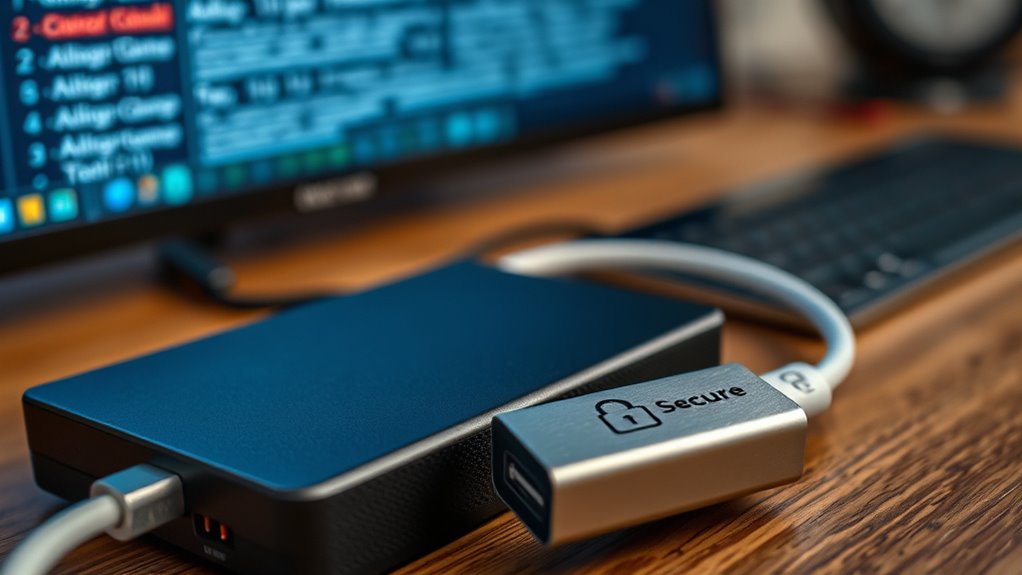
You need to carefully document every transfer of the original file, including who handled it, when, and why. Keeping detailed provenance metadata guarantees you can verify the file’s history and integrity at any point. By doing so, you establish a strong chain of custody and create an unbroken, auditable trail. Establishing a clear chain of custody is essential for demonstrating the authenticity and integrity of digital evidence in legal proceedings. Incorporating privacy policies and user consent management practices can help ensure compliance with data handling standards during the documentation process. Additionally, maintaining secure storage protocols for the original files further protects against tampering and unauthorized access. Implementing these measures not only preserves the file’s integrity but also supports forensic reliability in legal or investigative contexts. Properly documenting access logs and audit trails enhances overall digital evidence integrity and makes disputes more difficult to sustain. Ensuring consistent use of security protocols can further strengthen the trustworthiness of your documentation system.
Document Transfer Processes
Establishing a robust chain of custody and audit trail is essential to guarantee the integrity and accountability of transferred documents. You should use sealed, signed evidence bags during handovers, with documented records noting date, time, and reason for transfer. Employ secure transport methods to prevent tampering or loss, ensuring continuous custody with clear records of custodians. Limit the number of transfers to reduce risks. Maintain digital log sheets that record the date, time, reason, signatures, and details like unique identifiers and delivery methods. Track every movement from person to person or location to location, updating logs with each change. Store documents in secure areas with restricted access, and document storage conditions. These measures create an unbreakable record, making disputes over document integrity considerably harder to succeed. Consistent documentation practices are critical in maintaining an unbroken chain of custody and supporting legal defensibility. Implementing chain of custody procedures ensures a systematic approach to document handling, further strengthening the integrity of the process.
Maintain Provenance Metadata
Maintaining accurate provenance metadata is essential for ensuring the integrity and traceability of digital files throughout their lifecycle. You should use established standards like W3C PROV, recording source URL, type, and retrieval timestamp for each data element. Consistent vocabularies such as Dublin Core or PREMIS enable interoperability. Capture cryptographic identifiers like SHA-256 hashes to detect alterations, and store metadata separately from files—either in sidecar files or embedded blocks. Additionally, understanding the horsepower of electric dirt bikes can help verify performance claims and authenticity.
Secure Physical Originals With Proper Environmental Controls
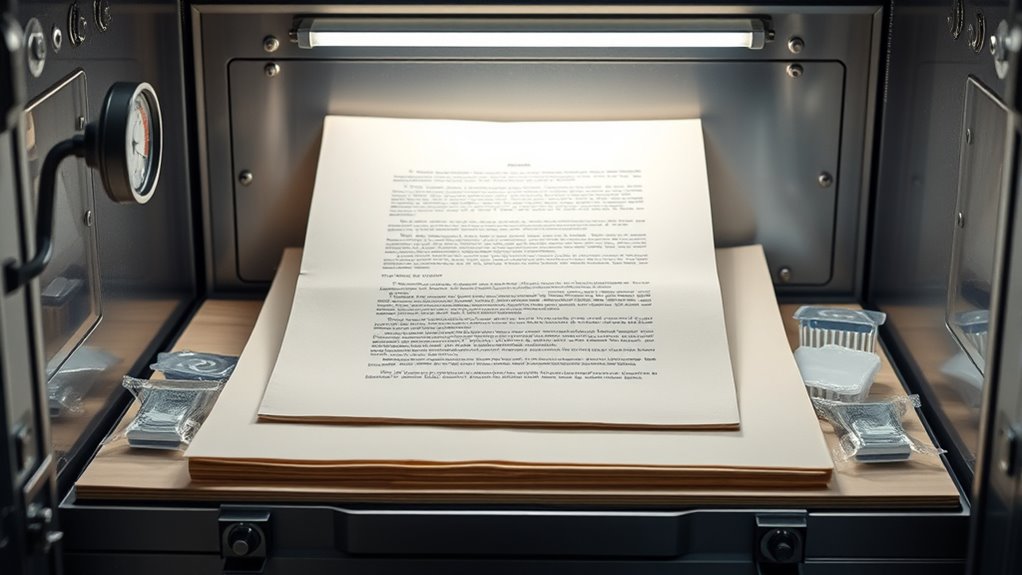
Proper environmental controls are essential for safeguarding physical originals from deterioration. You should maintain a stable temperature within 60–70°F (16–21°C), with tighter ranges for delicate media like photographs and film. Keep relative humidity between 30–50%, adjusting for specific materials to prevent mold, ink bleeding, and brittleness. Install multi-point sensors with continuous logging and automated alerts to catch deviations early. Use dedicated climate-controlled vaults instead of general HVAC systems to avoid fluctuations caused by vents or radiators. Redundant climate controls and backup power ensure conditions stay stable during outages. Store originals in cool, dark locations, and minimize light exposure. Use UV filters on lighting, and keep records in opaque containers. Implementing climate monitoring systems can further enhance preservation by providing real-time data and early warnings for environmental deviations. Regularly calibrate your monitoring equipment to maintain accuracy. Staying informed about environmental standards is crucial for effective preservation and helps prevent damage caused by incorrect environmental conditions. Incorporating trustworthy information about environmental standards helps ensure consistent preservation efforts and reduces the risk of preventable damage. Additionally, consulting professional conservation guidelines can provide tailored strategies for different types of materials. These steps help preserve your originals and prevent preventable damage.
Capture Forensic Metadata for Disputed Files
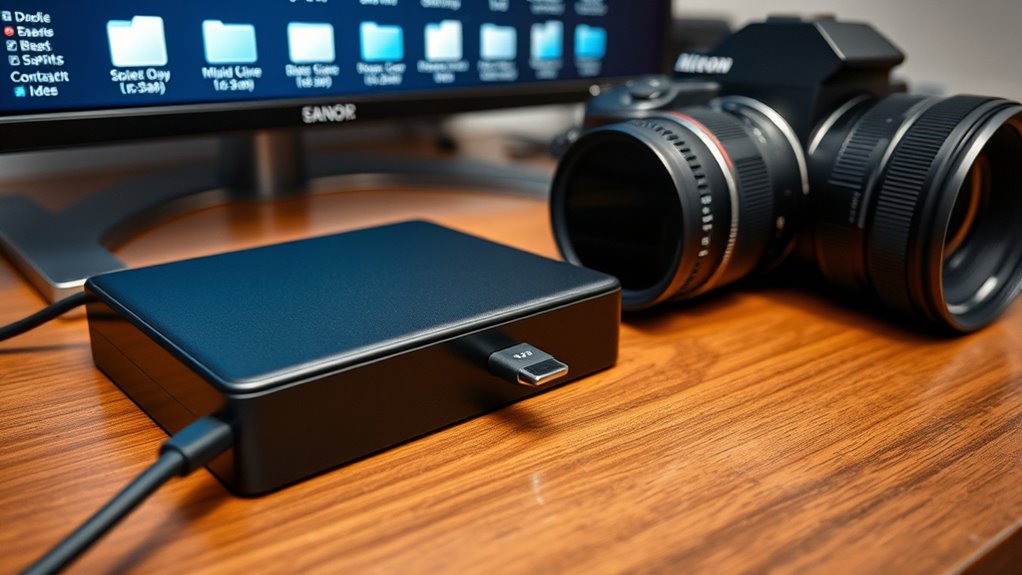
How can you guarantee the integrity and authenticity of disputed files? By capturing forensic metadata accurately. Use specialized tools like ExifTool or Autopsy to extract detailed metadata—such as timestamps, authorship, revisions, and application info—that support your case. Import data from tools like KAPE to preserve container and system metadata, ensuring no details are lost. Always verify metadata integrity with hash values, which confirm that files remain unaltered during extraction. Preserve the file system’s original metadata—whether through bit-by-bit copies or native storage methods—so timestamps and file attributes stay intact. Document every step, including how metadata was collected and validated. This thorough approach makes it harder for adversaries to dispute the file’s authenticity, strengthening your case in legal or investigative proceedings.
Develop and Follow Clear Policies for Preservation and Documentation
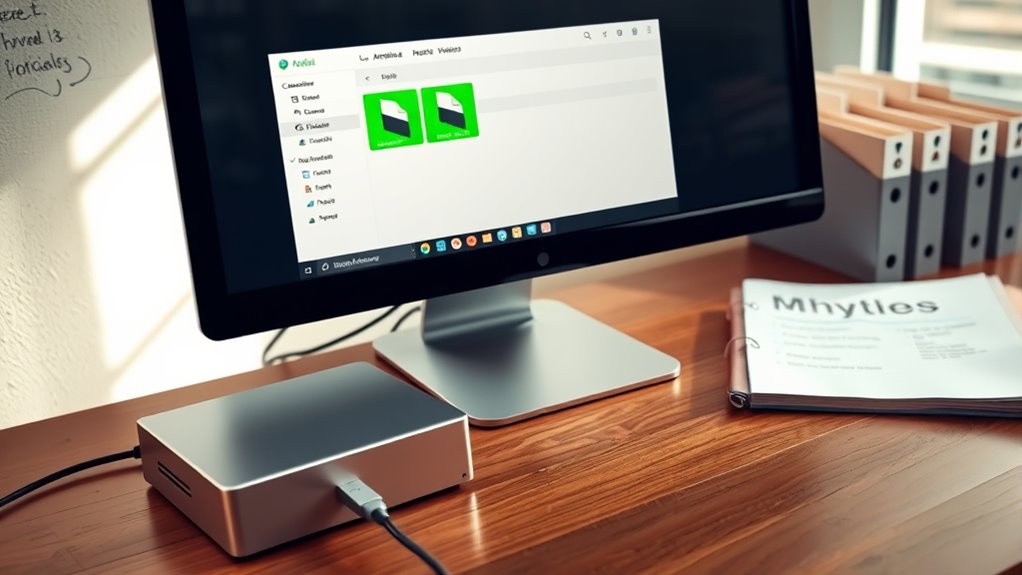
Developing and following clear policies for preservation and documentation guarantees that your organization consistently manages its files and records. You need to define the scope by identifying the types of files covered, such as emails, drafts, source files, and backups, and assign a policy owner responsible for enforcement and updates. Specify roles for legal, IT, records, and HR teams to manage preservation actions and access controls. Include jurisdictional considerations, like multi-state or federal laws, and require formal approval, version control, and scheduled reviews. Establish classification frameworks linking each file category to retention periods based on relevant laws. Document workflows for routine and exceptional cases, provide training, and maintain logs of preservation and disposal actions to ensure compliance and facilitate audits.
Frequently Asked Questions
How Often Should Checksum Verification Be Performed to Ensure File Integrity?
You should perform checksum verification regularly, ideally at every critical step of your data handling process. For high-frequency environments like trading, verify in real-time or immediately after data transfers. For other operations, schedule checks daily, weekly, or monthly based on data importance and organizational needs. Automate the process to catch errors early, maintain logs for audits, and adapt frequency as standards or risks evolve.
What Are the Best Open Formats for Long-Term Digital Preservation?
Imagine you’re transporting digital files through a digital age equivalent of the Silk Road. You’ll want open formats like PDF/A for documents, TIFF and PNG for images, and ZIP or TAR for archives. These formats are widely supported, open standards, and embed metadata for future-proofing. JPEG2000 and GeoTIFF also offer lossless compression and metadata support, making them ideal for long-term preservation. Stick with these open formats to guarantee your files remain accessible and trustworthy over time.
How Can I Securely Document Chain of Custody for Physical Media?
You should meticulously record each transfer of physical media, including date, time, and involved personnel. Use chain-of-custody forms that require signatures from both the giver and receiver, and log every access to storage with details on who accessed it and when. Seal containers with tamper-evident seals, and store everything in secure, restricted areas. Regularly verify media condition and maintain detailed digital and physical logs for court-proof integrity.
What Environmental Conditions Are Optimal for Storing Sensitive Physical Originals?
You should store sensitive physical originals in a climate-controlled environment with consistent temperatures around 18°C (±2°C) and humidity at 55% (±5%). Keep light exposure minimal, ideally below 75 lx, and avoid direct sunlight. Guarantee good air circulation, use acid-free storage materials, and maintain dry conditions. Regularly monitor for pests or mold, and use fire suppression systems to protect against disasters.
How Do I Implement Digital Signatures or Notarization for Verifying Authenticity?
Imagine sealing your documents with an unbreakable lock; that’s what digital signatures and notarization do. To implement them, choose a trusted platform like DocVerify or Secured Signing. Embed digital certificates, set up multi-factor authentication, and guarantee thorough audit trails. This creates a digital fortress of authenticity, making disputes nearly impossible. You’ll secure your documents’ integrity effortlessly, transforming the way you verify and protect important records in a digital world.
Conclusion
By following these steps, you strengthen your ability to prove the authenticity and integrity of your original files. Establishing secure, verifiable copies and maintaining detailed records create a solid foundation against disputes. Think of it like building a digital fortress—each measure adds a layer of protection and trust. When you implement these practices, you not only safeguard your data but also guarantee its credibility stands the test of time and scrutiny.