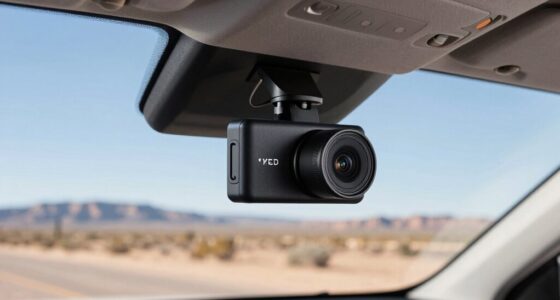

When creating recording rules for employer and personal vehicles, you need to take into account different privacy and legal concerns. Employers often gather data like GPS location and vehicle activity to improve safety and efficiency, but they must communicate clearly and respect employee privacy. Personal vehicle rules focus more on individual privacy rights, with less formal monitoring. To understand how these rules differ and what best practices to follow, keep exploring the details involved in each approach.

Get business pricing on garage and car supplies
- Business-only prices and quantity discounts
- Tax-exempt purchasing
- Multiple users, one account, clear invoices
Key Takeaways
- Employers often implement monitoring policies with specific data collection scopes, such as GPS tracking and vehicle activity, unlike personal vehicle use.
- Personal vehicle recording rules prioritize individual privacy and legal protections, limiting the extent of data collected and stored.
- Employer policies must comply with regional labor and privacy laws, which can differ significantly from laws governing personal vehicle use.
- Access to recorded data in employer vehicles is typically restricted to authorized personnel, unlike personal vehicles where data access is private.
- Regular policy reviews ensure employer monitoring remains compliant and transparent, whereas personal vehicle data practices are generally less regulated.

When establishing recording policies, you need to be transparent about what data is collected and why. Clearly define the scope of monitoring—whether it’s just mileage, GPS location during work hours, or more detailed vehicle activity. Respect for privacy is essential for maintaining trust and avoiding legal issues. You should also guarantee that data collection complies with privacy laws and regulations, which may vary by region. Limiting access to recorded data and securely storing it further protects employee privacy. Additionally, understanding regional privacy laws can help ensure compliance and prevent legal disputes. Employers should also consider data security measures to safeguard employee information from unauthorized access. Being aware of data management practices can help create a secure and transparent process that protects both employer and employee interests. Moreover, regularly reviewing and updating these policies can adapt to changing regulations and technological advancements.
GPS vehicle tracking device for employer vehicles
As an affiliate, we earn on qualifying purchases.
As an affiliate, we earn on qualifying purchases.
Frequently Asked Questions
Are Employee Recordings Legal Without Consent in Personal Vehicles?
In most cases, employee recordings without consent in personal vehicles are illegal, as they violate employee privacy laws. Vehicle surveillance laws vary by jurisdiction, but generally, you can’t record someone without their knowledge or permission. If you’re an employer, you must balance safety and privacy, often requiring consent. For personal vehicle recordings, always check local laws to avoid violating privacy rights, and respect employee privacy whenever possible.
How Do Recording Rules Differ Across States?
State legislation and recording statutes vary widely, so your recording rules depend on where you are. Some states require all-party consent, meaning everyone must agree to be recorded, while others only need one-party consent. You need to know your state’s specific laws to stay compliant. Always check local legislation before recording, especially in personal vehicles, to avoid legal issues or potential lawsuits.
Can Recordings Be Used as Legal Evidence?
Yes, recordings can be used as legal evidence, but it depends on audio surveillance laws and consent requirements. If you record someone without their consent where it’s illegal, the recording might be inadmissible in court. Always check your state’s rules about consent, especially for two-party recordings. When laws are followed, recordings can serve as strong evidence, but violating consent laws can lead to legal issues.
What Privacy Rights Apply to Personal Vehicle Recordings?
Did you know nearly 80% of drivers use personal recording devices in their vehicles? Vehicle privacy laws protect your rights, meaning your personal recording in your vehicle generally isn’t accessible without your consent. However, privacy rights vary by state, and recording others without permission can breach their rights. Always check local laws before using a personal recording device, and remember, respecting privacy is key to avoiding legal issues.
Do Recording Rules Change During Work Hours?
Yes, recording rules often change during work hours due to workplace surveillance policies. Employers may monitor your activities more closely, especially in shared spaces, to ensure safety and productivity. This can impact your employee privacy, as recordings might be more frequent or intrusive. It’s crucial to understand your company’s specific policies, as they may differ from personal vehicle rules, balancing the need for surveillance with respecting your privacy rights.
vehicle dash cam with GPS recording
As an affiliate, we earn on qualifying purchases.
As an affiliate, we earn on qualifying purchases.
Conclusion
In the world of recording rules, the difference between employers and personal vehicles isn’t just a small detail—it’s a seismic shift that can turn your entire day upside down! One rules the workplace, the other your personal space, and missing a single detail could lead to chaos, confusion, or even a legal avalanche. Stay sharp, stay informed, and never underestimate how a tiny rule can domino into a giant mess. Keep your records tight, and you’ll stay ahead of the game!
employee vehicle monitoring system
As an affiliate, we earn on qualifying purchases.
As an affiliate, we earn on qualifying purchases.
personal vehicle privacy protection camera
As an affiliate, we earn on qualifying purchases.
As an affiliate, we earn on qualifying purchases.
Halloween Picks
halloween
As an affiliate, we earn on qualifying purchases.