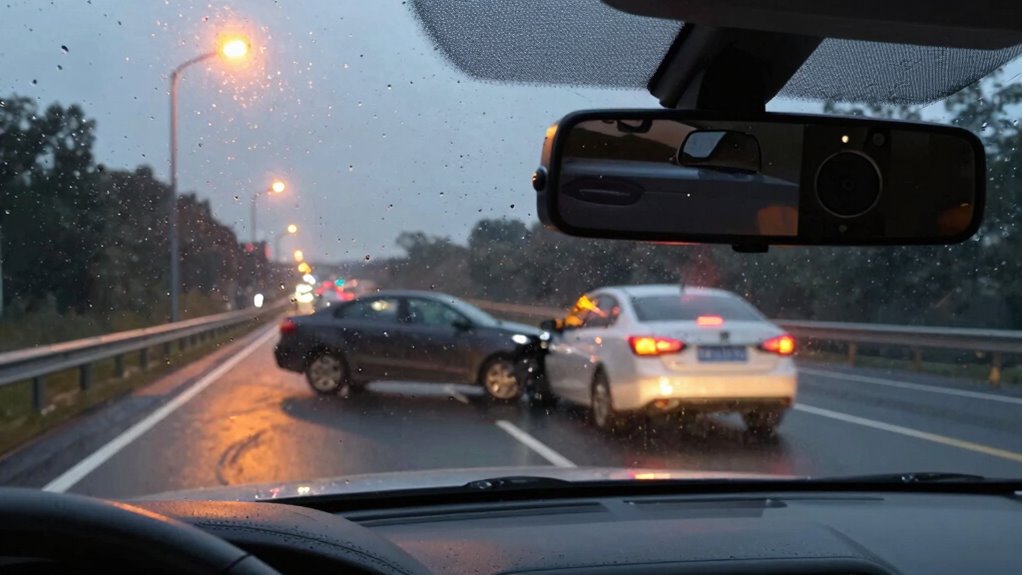

Dash cam footage helps you resolve gray-area accidents by providing clear, unbiased evidence of what actually happened. It captures essential moments and reactions, making disputes easier to settle without relying solely on memory or conflicting statements. This visual proof speeds up insurance claims and legal processes, reducing stress and costs. To understand how to maximize your dash cam’s benefits and stay compliant, keep exploring the details as you go along.

Get business pricing on garage and car supplies
- Business-only prices and quantity discounts
- Tax-exempt purchasing
- Multiple users, one account, clear invoices
Key Takeaways
- Provides concrete visual evidence to clarify the exact sequence of events during ambiguous accidents.
- Helps quickly determine fault, reducing lengthy disputes and legal complications.
- Supports insurance claims by offering reliable proof, streamlining the resolution process.
- Assists authorities in resolving disputes accurately, minimizing reliance on conflicting statements.
- Ensures legal compliance and privacy considerations are met, safeguarding the admissibility of footage.
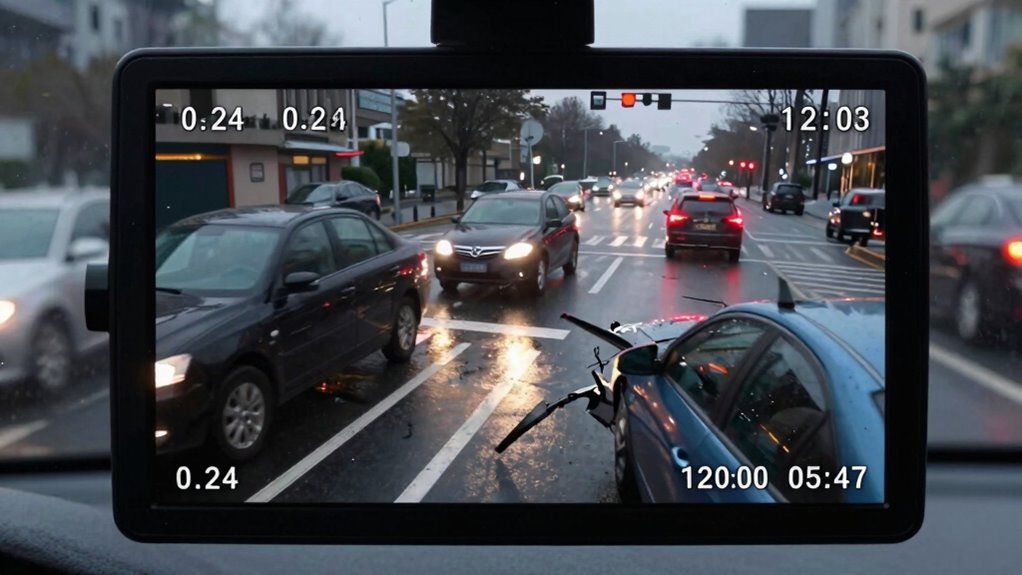
When it comes to gray-area accidents—those unclear or ambiguous incidents that leave everyone questioning who’s at fault—dash cam footage can be a game-changer. Instead of relying on memory or conflicting statements, you have concrete visual evidence that can clarify exactly what happened. This footage can resolve disputes quickly and accurately, saving you time, stress, and potential legal complications. With clear recordings, authorities or insurance companies can determine fault more efficiently, often preventing lengthy investigations or costly lawsuits. The footage shows everything from the moment the incident occurs to the reactions of all involved parties, making it an invaluable tool in confusing situations.
Dash cam footage clarifies gray-area accidents, resolving disputes efficiently with concrete, visual evidence.
However, using dash cam footage in these scenarios isn’t without its legal implications. You need to understand the laws surrounding recording and the admissibility of video evidence in your jurisdiction. Some places have strict privacy laws that restrict recording in certain areas or require you to inform others that they’re being recorded. If you ignore these rules, your footage might be challenged or deemed inadmissible in court, which could weaken your case or even lead to legal penalties. It’s essential to know what’s permitted where you drive and to handle your recordings responsibly. Ensuring your dash cam is mounted and used legally protects you from potential legal issues while still allowing you to benefit from the footage’s evidentiary value.
Along with legal concerns, privacy issues also come into play. When you record, you capture not just the involved parties but also bystanders and other drivers. This raises questions about respecting their privacy rights and avoiding any potential misuse of footage. To mitigate privacy concerns, it’s wise to review your dash cam’s settings to record only what’s necessary and avoid sharing videos publicly without consent. Being cautious about how you handle and distribute the footage helps maintain ethical standards and prevents privacy violations. It’s a balance—using your dash cam footage to defend yourself or clarify incidents without infringing on others’ rights. Understanding video admissibility and privacy laws is crucial to maximizing the benefits of your dash cam footage while staying compliant with legal standards. Additionally, being aware of recording restrictions ensures you use your device responsibly and legally in different settings.
best dash cam for accident evidence
As an affiliate, we earn on qualifying purchases.
As an affiliate, we earn on qualifying purchases.
Frequently Asked Questions
Can Dash Cam Footage Be Used as Legal Evidence in Court?
Yes, dash cam footage can be used as legal evidence in court. When you’re involved in legal disputes or filing insurance claims, this footage provides clear, objective proof of what occurred. It can verify your account, help resolve disagreements, and strengthen your case. Keep in mind, though, that laws vary by state, so make certain your dash cam recordings comply with local regulations for them to be admissible.
How Long Does Dash Cam Footage Typically Stay Stored?
Dash cam footage usually stays stored for a specific storage duration, which varies depending on your device and settings. Most dash cams retain footage for anywhere from a few days to a month before overwriting older clips to save space. To guarantee important footage isn’t lost, you should regularly back up your footage retention, especially after accidents or incidents. Check your dash cam’s manual for exact storage duration and how to extend it if needed.
What Features Should I Look for in a Dash Cam for Gray-Area Accidents?
You should look for a dash cam with high video resolution, ideally 1080p or higher, to clearly capture details in gray-area accidents. Also, prioritize models with ample storage capacity—at least 32GB—to preserve longer footage. Notably, 75% of drivers report that clear video quality helps resolve disputes quickly. These features ensure you get detailed, reliable footage when it’s most needed, providing peace of mind on the road.
Are There Privacy Concerns With Recording on Dash Cams?
You might have privacy concerns with dash cam recordings, especially regarding privacy regulations and data encryption. Many dash cams now include features like automatic file deletion and encrypted storage, which help protect your data. It is crucial to choose a device that complies with privacy laws and offers strong encryption, ensuring your recordings stay secure and only accessible to authorized users. Always review your local privacy regulations before recording.
How Does Weather Affect the Quality of Dash Cam Footage?
Weather impact can turn your dash cam footage into a foggy mirror, blurring crucial details. Rain, snow, or fog reduce footage clarity, making license plates and road signs harder to decipher. Bright sunlight can cause glare, while low light conditions lead to grainy images. To guarantee your footage remains sharp and reliable, consider weather-resistant cameras and proper placement, so your evidence stays crystal clear, come rain or shine.
As an affiliate, we earn on qualifying purchases.
Conclusion
In the end, dash cam footage can be your best friend when dealing with gray-area accidents. It provides clear evidence, helps clear up misunderstandings, and can often turn the tide in your favor. Think of it as your digital watchdog, always ready to tell the truth. Don’t leave things to chance—capture every moment on camera. After all, it’s better to be safe than sorry, especially when the tiniest detail can make all the difference.
high resolution dash camera for cars
As an affiliate, we earn on qualifying purchases.
As an affiliate, we earn on qualifying purchases.
As an affiliate, we earn on qualifying purchases.
Evergreen bestsellers Picks
bestsellers
As an affiliate, we earn on qualifying purchases.