TL;DR

Get business pricing on garage and car supplies
- Business-only prices and quantity discounts
- Tax-exempt purchasing
- Multiple users, one account, clear invoices
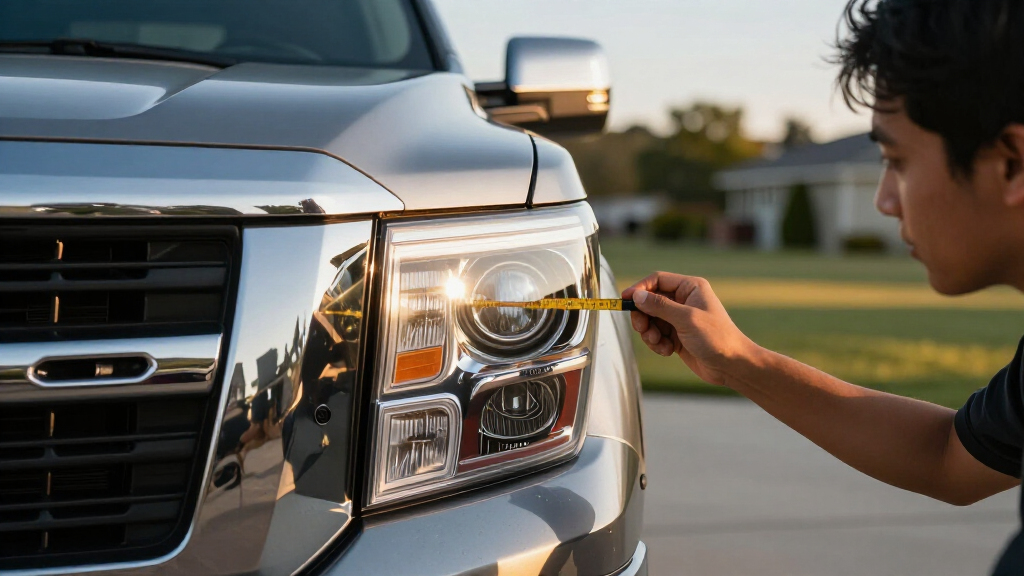
A recent study shows Nissan Titan headlights generate glare 615% above the IIHS safety threshold. Despite this, the vehicle remains legally compliant. The findings raise questions about safety standards and manufacturer accountability.
A recent study has found that the headlights of the Nissan Titan produce glare levels that are 615% above the safety limit set by the Insurance Institute for Highway Safety (IIHS). Despite this significant excess, the vehicle remains within legal compliance, raising questions about current safety standards and enforcement.
The study, conducted by an independent safety testing organization, measured headlight glare intensity from Nissan Titan pickups and compared the results against IIHS standards. The findings indicate that the glare produced by these headlights far exceeds the limit, which is designed to prevent driver distraction and ensure safe night-time visibility.
Specifically, the study reports that the glare level is 615% over the IIHS threshold, a figure that experts say could impair the vision of oncoming drivers and increase the risk of accidents. However, the Nissan Titan in question remains legally on the road, as current regulations do not prohibit vehicles with such glare levels from being sold or registered.
Officials from the safety testing organization clarified that while the glare exceeds the IIHS limit, the vehicle still complies with federal lighting standards, which are less restrictive. The discrepancy highlights ongoing debates about the adequacy of existing standards and the role of voluntary safety organizations like the IIHS.
Implications for Vehicle Safety and Regulatory Standards
The findings are significant because they suggest that vehicles can meet legal requirements yet still pose safety concerns due to excessive glare. This raises questions about whether current regulations adequately protect other drivers and pedestrians from glare-related visibility issues. The discrepancy between IIHS standards and federal regulations may prompt calls for updated testing procedures and stricter enforcement.
For consumers, this raises awareness about the importance of headlight design and the potential for non-compliance with safety best practices, even when vehicles are legally sold. Automakers may face increased scrutiny, and regulatory agencies could revisit standards to better align safety outcomes with legal compliance.
LED headlight bulbs for Nissan Titan
As an affiliate, we earn on qualifying purchases.
As an affiliate, we earn on qualifying purchases.
Background on Headlight Standards and Safety Testing
The IIHS sets voluntary safety standards for vehicle lighting, including glare limits intended to prevent driver distraction and improve night-time visibility. These standards are often used as benchmarks by manufacturers and safety advocates. However, federal regulations primarily govern the legality of vehicle lighting and may not enforce the same glare thresholds.
Historically, there have been ongoing concerns about headlight glare, especially with the rise of LED and high-intensity lighting technologies. The IIHS has conducted extensive testing to identify vehicles with excessive glare, but enforcement relies largely on manufacturer compliance and regulatory oversight.
The Nissan Titan has not previously been flagged for headlight glare issues under federal standards, but the new study’s findings suggest that some vehicles may be operating at levels considered unsafe by independent safety organizations.
As an affiliate, we earn on qualifying purchases.
Unclear Impact on Safety Regulations and Enforcement
It remains unclear whether regulatory agencies will revise standards or enforcement to address the discrepancy highlighted by the study. The extent to which glare levels influence accident rates or driver safety in real-world conditions is also still under investigation.
Additionally, it is not yet confirmed whether other vehicles with similar headlight technologies produce comparable glare levels or if this issue is specific to certain models or manufacturing batches.
automotive headlight glare reduction
As an affiliate, we earn on qualifying purchases.
As an affiliate, we earn on qualifying purchases.
Next Steps for Regulators and Automakers
Regulatory agencies such as the National Highway Traffic Safety Administration (NHTSA) may review the study’s findings to determine if new standards or testing procedures are needed. Automakers could also face increased pressure to modify headlight designs to reduce glare without compromising visibility.
Further independent testing and industry oversight are expected to clarify whether this issue affects other vehicle models and to what extent safety standards need to be updated. Consumers are advised to stay informed about recalls or safety notices related to headlight glare.
As an affiliate, we earn on qualifying purchases.
Key Questions
What does it mean that the glare is 615% over the IIHS limit?
This means the headlight glare measured in the study is more than six times higher than the safety threshold set by the IIHS, which could impair visibility for oncoming drivers and increase accident risk.
Is the Nissan Titan illegal to drive because of this glare?
No, the vehicle remains legally compliant under federal lighting regulations, which do not currently restrict glare levels at this magnitude.
Could this lead to safety recalls or regulatory changes?
It is possible. Regulatory agencies may review the findings to consider stricter standards or enforcement, but no such actions have been announced yet.
Are other vehicles affected by similar glare issues?
This is still unknown. Further testing is needed to determine if this problem is isolated or widespread among similar models or lighting systems.
Source: rss
Halloween Picks
halloween
As an affiliate, we earn on qualifying purchases.