
When setting up a teen driver’s environment, simplicity is key. Choose a vehicle with essential safety features like automatic emergency braking and lane-keeping assistance. Encourage good habits by minimizing distractions, like putting away phones and limiting loud music. Teach basic vehicle maintenance and troubleshooting skills to build confidence. By focusing on these simple yet effective strategies, you’ll help your teen feel secure and empowered behind the wheel. Discover more ways to enhance their driving experience.

Get business pricing on garage and car supplies
- Business-only prices and quantity discounts
- Tax-exempt purchasing
- Multiple users, one account, clear invoices
Key Takeaways
- Select a vehicle with essential safety features like automatic braking and lane-keeping assistance to ensure a straightforward driving experience.
- Encourage a distraction-free environment by limiting phone use and loud music to enhance focus while driving.
- Teach basic vehicle maintenance and troubleshooting to empower teens with confidence and independence in car care.
- Simplify driving habits by promoting defensive driving strategies and anticipation of other drivers’ actions to ensure safety.
- Emphasize the importance of understanding vehicle safety features to build confidence and promote responsible driving behaviors.
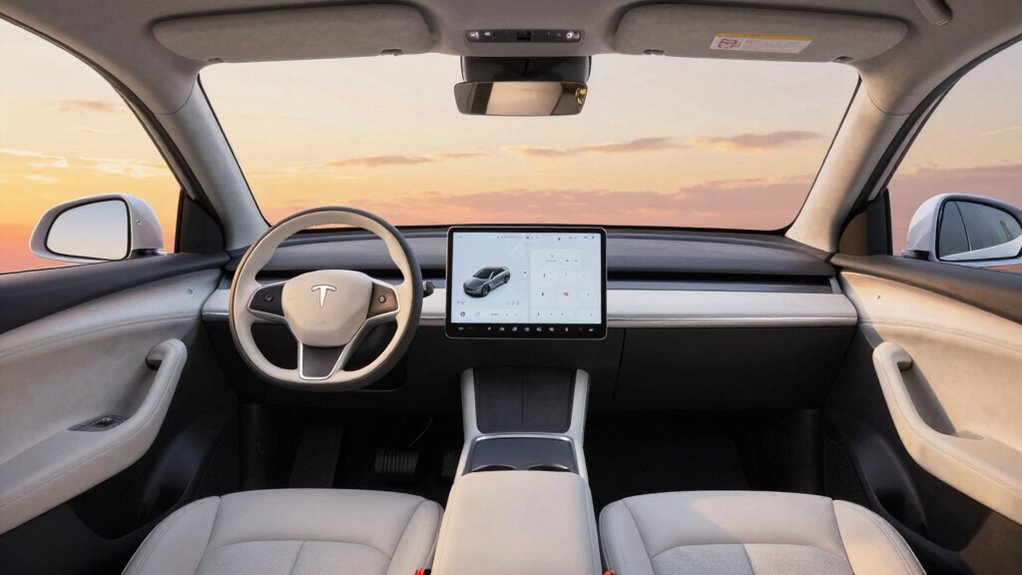
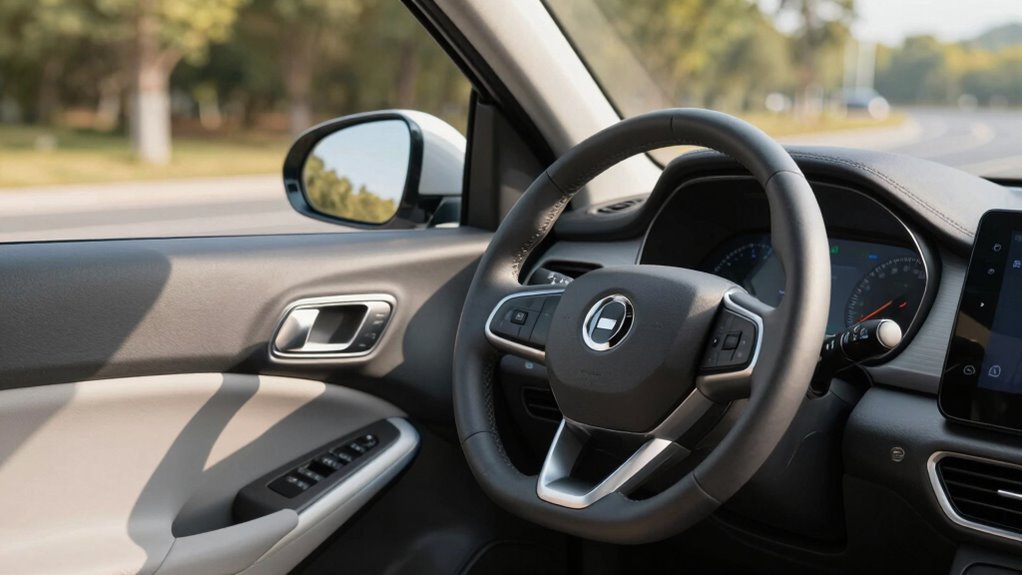
When you first hand over the keys to your teen, setting up their driving environment is essential for safety and confidence. Simplifying this environment can help ease their adjustment into responsible driving. Start by choosing a vehicle equipped with modern safety features that can greatly reduce the chances of accidents. Look for systems like automatic emergency braking, lane-keeping assistance, and blind-spot monitoring. These technologies not only protect your teen but also give you peace of mind as they hit the road.
Next, focus on instilling good driving habits through practical driving tips. Encourage your teen to minimize distractions. This means putting away their phone and avoiding loud music while driving. You can even set a rule that no passengers are allowed during their first few solo drives. It’s all about helping them focus on the road. Remind them to practice defensive driving, which involves staying aware of their surroundings and anticipating the actions of other drivers. These simple guidelines can go a long way in keeping them safe. Additionally, explaining the importance of vehicle safety features can help them utilize these systems effectively and enhance their overall safety.
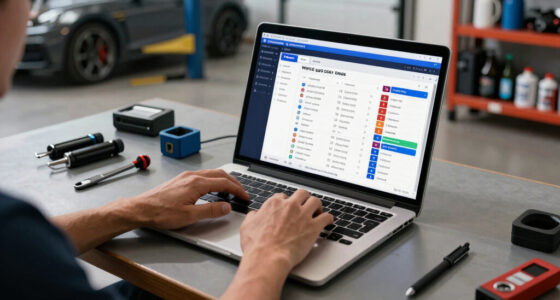
Vehicle maintenance is another critical aspect of their driving setup. Teach your teen how to perform basic checks, like monitoring tire pressure and checking oil levels. Regular maintenance not only keeps the vehicle in good condition but also builds their confidence. If they understand how their car works, they’ll feel more in control while driving. Schedule regular service appointments together, so they can see the importance of maintaining a vehicle. Furthermore, understanding vehicle troubleshooting can help them identify minor issues early and address them before they become major problems. Incorporating basic vehicle troubleshooting skills can further empower them to address minor issues independently and confidently. Learning about vehicle safety is also important, as it emphasizes the significance of protecting both themselves and others on the road.
Products Worth Considering

Makita XDT11SY 18V LXT Cordless Impact Driver Kit, 1.5Ah

Milwaukee 2798-22CT M18 Compact Brushless Drill and Impact Driver Combo Kit

Milwaukee 2691-22 18V Compact Drill and Impact Driver Combo Kit
As an affiliate, we earn on qualifying purchases.
Frequently Asked Questions
What Safety Features Should Be Prioritized in a Teen Driver’s Vehicle?
When choosing a vehicle for a teen driver, prioritize safety features like collision avoidance systems and adaptive headlights. These technologies help prevent accidents by detecting obstacles and adjusting lighting for better visibility at night. You’ll also want to look for features like automatic emergency braking and lane-keeping assist, which can provide extra support while your teen builds their driving skills. Ensuring their safety should always be your top priority.
How Can I Reduce Distractions for My Teen While Driving?
To reduce distractions for your teen while driving, create a distraction-free environment. Encourage them to silence their phone and avoid using it altogether. Set clear rules about passengers and limit conversations during the learning phase. Focus on essential driving skills like maintaining attention on the road and scanning for hazards. Remind them that staying calm and focused is key to becoming a safe, confident driver in any situation.
What Is the Best Age to Start Driving Lessons?
The best age to start driving lessons is typically around 15 or 16. As the saying goes, “You can’t teach an old dog new tricks,” so starting young gives your teen a head start. Enroll them in beginner lessons to build confidence and skills. Your parental involvement is vital; practice together and discuss rules of the road. This way, you’ll guarantee they develop safe driving habits from the very beginning.
Are There Apps to Help Monitor Teen Driving Habits?
Yes, there are several apps designed to monitor teen driving habits. You can use tracking apps like Life360 or DriveSafe to keep an eye on your teen’s driving analytics. These apps provide real-time location updates, speed monitoring, and even driving behavior analysis. By utilizing these tools, you can help guarantee your teen’s safety and address any risky habits they might develop while gaining independence on the road.
How Can I Teach My Teen About Road Safety Effectively?
You can teach your teen about road safety effectively by starting with real-life scenarios that grab their attention. Use engaging discussions to highlight road safety education, making it relatable and practical. Encourage them to share their thoughts and experiences, fostering effective communication. Role-playing different driving situations can also reinforce their understanding. Keep the conversations open and ongoing, so they feel comfortable asking questions as they grow more confident behind the wheel.
Conclusion
In the end, keeping your teen driver’s setup simple is key. It’s like using a flip phone in a world of smartphones—sometimes less is more. By focusing on straightforward features, you help them build confidence and learn the ropes without overwhelming distractions. Remember, a clear mind leads to safer driving. So, prioritize simplicity and watch as your teen navigates the road with ease, just like you did back in the day when driving felt a little less complicated.