
Dual battery setups are a bigger commitment than you might think. It’s not just about installing another battery; you’ll need to manage charging, balance weight, and assess your power demands. Finding space for the extra battery and potentially rewiring your vehicle can be challenging. Plus, if you overlook these factors, you could end up with dead batteries when you need them most. Stick around, and you’ll discover more insights to help you plan effectively.

Get garage and car supplies delivered free — and shop member deals
- Fast, free delivery on millions of items
- Access to Prime Big Deal Days deals on October 6–7
- Prime Video, Amazon Music and more included
Key Takeaways
- Effective management systems are essential to prevent dead batteries and ensure proper charging and balancing in dual battery setups.
- Installation challenges, such as space constraints and additional wiring, can complicate the process and may require professional help.
- Increased weight from a second battery can impact vehicle performance, fuel efficiency, and handling during drives.
- Accurately assessing power demands is crucial to determine if a dual battery setup is necessary for your specific needs.
- Long-term reliability relies on regular monitoring, maintenance, and a thorough understanding of battery management systems.
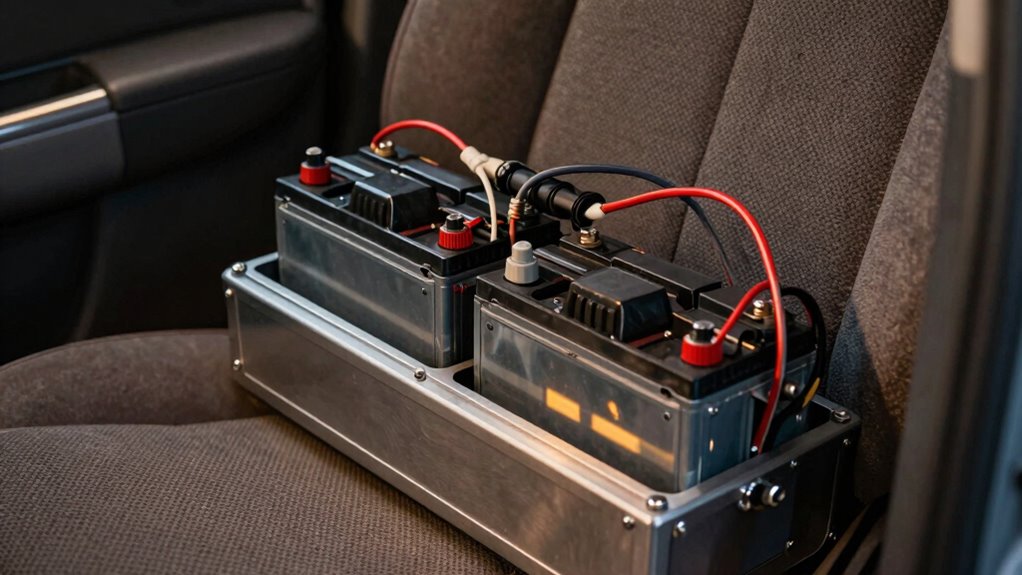
When you’re out on an adventure, having a dependable power source can make all the difference. A dual battery setup might seem like the perfect solution to meet your power demands, but it’s a bigger commitment than many drivers expect. Before diving in, it’s essential to understand what you’re getting into.
First, let’s talk about battery management. With two batteries, you’ll need a system to guarantee they’re charged correctly and balanced during use. This isn’t just plug-and-play; it requires careful planning and possibly additional equipment. You’ll need a dedicated battery isolator or a smart management system to prevent one battery from draining the other. If you overlook this aspect, you might find yourself with dead batteries when you need power the most. Proper battery management is crucial to ensure longevity and reliable performance of your dual setup. Implementing an effective battery monitoring system can help you keep track of each battery’s health and charge level in real time. Additionally, understanding the battery chemistry involved can help you select the most suitable batteries for your needs.
Managing two batteries requires a thoughtful approach and proper equipment to ensure they’re charged and balanced, preventing power loss when you need it most.
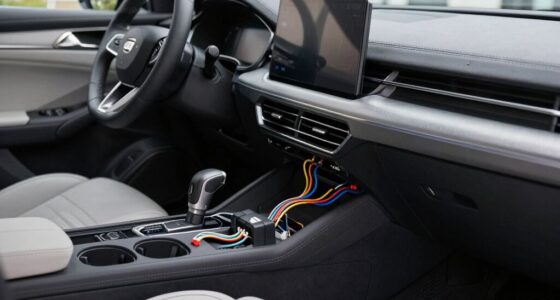
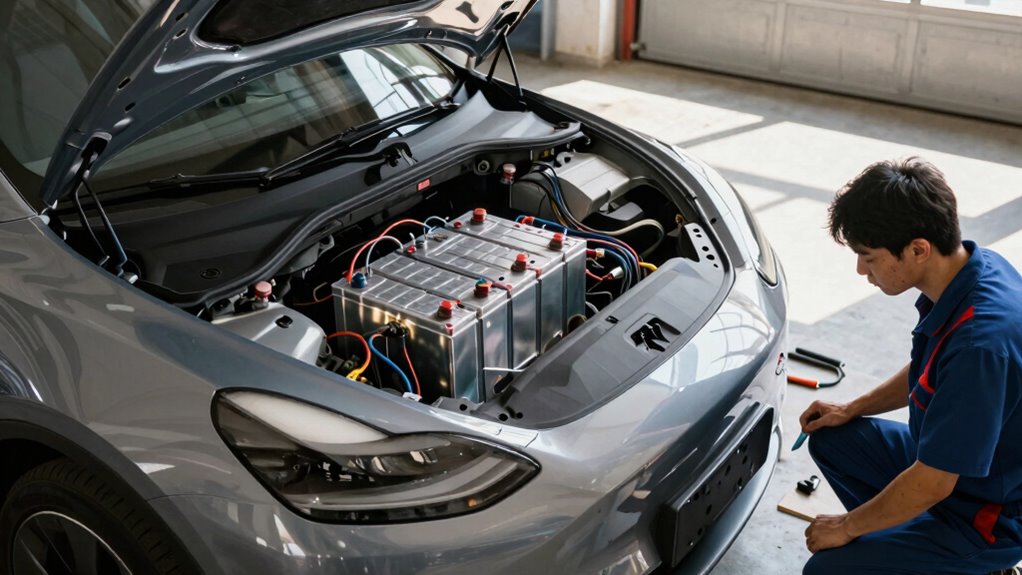
Then, consider the installation challenges. Adding a second battery isn’t as straightforward as it sounds. You’ll likely face space constraints under the hood or in the cargo area. Finding a suitable location that’s secure and accessible can be tricky. You may also need to run additional wiring, which could mean cutting new paths through your vehicle’s interior. This isn’t a task you want to take lightly, so be prepared to invest some time and possibly money into a professional installation if you’re not confident in your DIY skills.
Weight considerations are another factor. Batteries can be heavy, and adding a second one can notably increase your vehicle’s weight. This added weight affects your fuel efficiency and handling, especially if you’re already loaded down with gear for your trip. Make sure to factor this into your planning, as you don’t want to compromise your vehicle’s performance. Properly securing the batteries can also prevent damage or safety issues during rough rides. Lastly, think about your actual power demands. If you’re running several devices or appliances, a dual setup can provide a safety net. However, if your needs are minimal, it might be overkill. Assess how much power you truly require for your adventures. Additionally, understanding the battery management systems involved can help you optimize your setup and avoid unnecessary issues.
As an affiliate, we earn on qualifying purchases.
Frequently Asked Questions
How Do I Choose the Right Batteries for My Setup?
To choose the right batteries for your setup, consider their battery capacity and charging efficiency. Look for batteries that match your power needs—higher capacity means longer usage times. Check the charging efficiency, as it impacts how quickly your batteries recharge and how much energy you waste. Also, think about your intended use; different applications may require specific types of batteries. Always prioritize quality to guarantee reliable performance.
What Tools Are Necessary for Installing a Dual Battery System?
To install a dual battery system, you’ll need a few essential tools: a wrench set, wire cutters, crimping tools, and a multimeter. Notably, about 50% of DIY enthusiasts face installation challenges due to improper battery types or connections. Make sure you choose batteries that suit your system’s needs. With the right tools and knowledge, you can tackle the installation confidently, ensuring your setup functions reliably for all your adventures.
Can I Use Different Battery Brands in a Dual Setup?
You can use different battery brands in a dual setup, but battery compatibility is essential. Mixing brands might lead to uneven brand performance, causing one battery to drain faster than the other. This imbalance can affect your overall system efficiency. Ideally, stick to the same brand and type for the best results. If you do mix brands, monitor their performance closely to avoid potential issues in the long run.
How Does a Dual Battery Setup Affect Vehicle Warranty?
A dual battery setup might seem like an upgrade, but it can throw a wrench in your vehicle warranty. You might think you’re enhancing performance, yet warranty limitations and coverage exclusions can bite you. If your setup causes electrical issues or alters the vehicle’s configuration, the manufacturer may deny claims. So, while you’re boosting your power, keep in mind you could be risking warranty protection when you tinker with the original system.
What Maintenance Is Required for Dual Battery Systems?
Maintaining a dual battery system is vital for battery longevity. Regularly check the battery terminals for corrosion and guarantee they’re tight. Clean the terminals as needed, and inspect the cables for wear. It’s also wise to test the batteries’ voltage periodically and rotate usage to balance wear. Keep an eye on the charging system to avoid overcharging. Following these maintenance tips will help you get the most out of your dual battery setup.
battery management system for vehicles
As an affiliate, we earn on qualifying purchases.
As an affiliate, we earn on qualifying purchases.
Conclusion
To sum up, while dual battery setups can enhance your vehicle’s capabilities, they require more commitment than many anticipate. Did you know that nearly 60% of drivers underestimate the maintenance needed for these systems? Understanding this statistic can help you prepare for the long haul, ensuring you’re ready for the responsibilities that come with improved power management. So, if you’re considering a dual battery setup, be sure you’re fully informed and prepared for the journey ahead.
vehicle dual battery installation kit
As an affiliate, we earn on qualifying purchases.
As an affiliate, we earn on qualifying purchases.
car battery monitor with real-time tracking
As an affiliate, we earn on qualifying purchases.
As an affiliate, we earn on qualifying purchases.
Halloween Picks
halloween
As an affiliate, we earn on qualifying purchases.