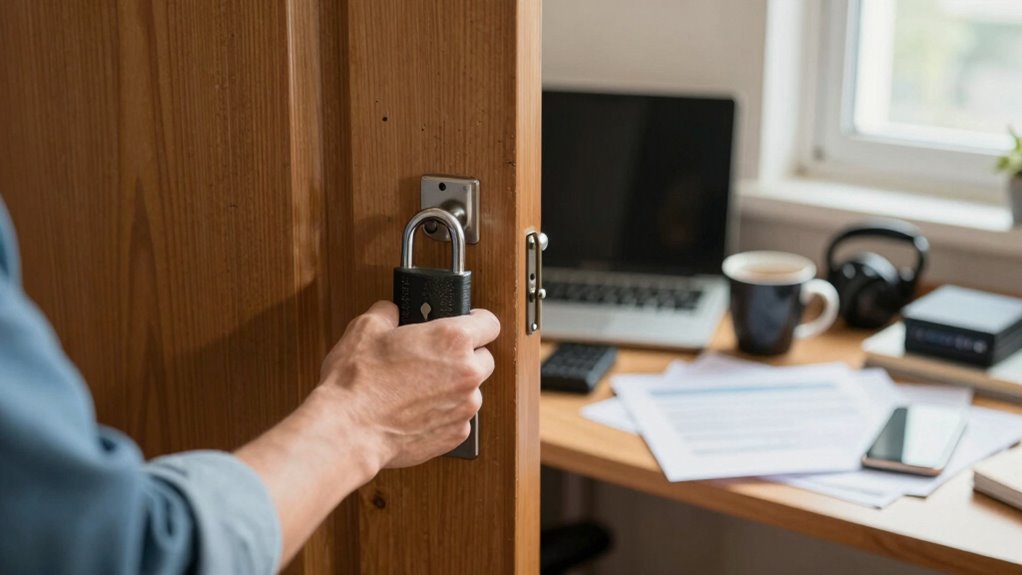

Focusing on better habits over security hype means you’re building a stronger defense by taking responsibility for your actions. Good habits like using unique, strong passwords, enabling two-factor authentication, and staying cautious with links or attachments are more reliable than chasing the latest tools or reacting to every alert. Consistency and awareness help prevent threats before they happen. Keep going, and you’ll discover how small, deliberate steps can considerably improve your security posture over time.

Get garage and car supplies delivered free — and shop member deals
- Fast, free delivery on millions of items
- Access to Prime Big Deal Days deals on October 6–7
- Prime Video, Amazon Music and more included
Key Takeaways
- Consistent good habits create reliable security defenses beyond fleeting technological trends.
- Responsible behaviors reduce reliance on constantly updating or chasing new security tools.
- Habits like strong passwords and awareness minimize human error, often the root of breaches.
- Focusing on behavioral discipline fosters sustainable security practices over hype-driven solutions.
- Empowering individuals through habits builds a resilient, proactive security environment from within.

Have you ever felt overwhelmed by the constant barrage of security alerts and warnings? It’s easy to get caught up in the hype around the latest security tools and protocols, but the truth is, many security breaches happen because of human behavior rather than technical flaws. Instead of chasing after every shiny new security feature, focusing on cultivating better habits offers a more reliable way to protect yourself and your data. When you understand how your behavior impacts security, you actively participate in risk management, making it harder for threats to succeed. It’s about shifting your mindset from relying solely on technology to taking responsibility for your actions.
Good habits start with simple, consistent practices. For example, using strong, unique passwords for different accounts and updating them regularly isn’t just a technical step; it’s a behavioral one. You’re making a conscious decision to prioritize your security and reduce vulnerabilities. Similarly, being cautious about clicking on links or opening attachments from unfamiliar sources minimizes the risk of malware infections. These small, deliberate actions add up over time, creating a resilient defense that doesn’t depend on the latest software updates alone. Instead, they build a habit of vigilance that becomes second nature.
Consistently using strong passwords and avoiding suspicious links builds lasting digital security habits.
Risk management isn’t just about reacting to threats but proactively preventing them through your everyday decisions. When you develop better habits, you’re effectively managing risk by reducing the opportunities for attackers to exploit. For instance, enabling two-factor authentication whenever possible adds an extra layer of security that doesn’t require constant attention once set up. Being mindful of your digital footprint—what you share online and who has access—also plays a crucial role. By routinely reviewing privacy settings and being selective with the information you disclose, you’re taking control of your security environment. Incorporating security best practices into your routine helps you stay ahead of potential threats without falling prey to the fear-mongering often associated with security hype. Recognizing that security is as much about behavioral habits as it is about technology is key to developing a resilient defense. Additionally, understanding the importance of human factors in security can significantly enhance your overall protection.
Ultimately, security isn’t about obsessively chasing after the newest tools or reacting to every alert. It’s about making smarter choices consistently. When your focus shifts from hype to habit, you create a sustainable approach to safety that doesn’t depend on constant updates or fear tactics. Instead, you build a foundation rooted in awareness and responsible behavior—making your security stronger from the inside out. Better habits aren’t just more effective—they empower you to be proactive, confident, and in control of your digital life.
As an affiliate, we earn on qualifying purchases.
Frequently Asked Questions
How Do Habits Influence Long-Term Cybersecurity Resilience?
Habits directly influence your long-term cybersecurity resilience by fostering consistent behavior change that enhances security. When you develop good habits, like regularly updating passwords and recognizing phishing attempts, you build a proactive mindset. Increased risk awareness makes you more vigilant, reducing vulnerabilities. Over time, these habits create a resilient security culture, making you less reliant on hype and more focused on sustainable, effective practices that protect you consistently.
What Are Common Misconceptions About Security Hype?
Many believe security hype guarantees safety, but that’s false. For instance, 91% of cyberattacks start with phishing, yet hype often oversells quick fixes. You might think strong passwords or phishing awareness alone protect you, but hype can lead to complacency. Instead, building better habits like regular password management and ongoing phishing awareness is more effective. Hype can mislead you into thinking you’re safe, but real security comes from consistent, smart habits.
Can Habits Replace Technical Security Measures Effectively?
Habits can’t fully replace technical security measures, but behavioral change and routine consistency considerably strengthen your overall security. When you develop good habits—like strong password creation or regular updates—you create a resilient mindset. However, technical measures handle threats you might overlook. Combining consistent routines with robust security tools offers the best protection, making your security posture more effective than relying solely on habits or hype.
How Quickly Can Habits Improve Overall Security Posture?
You can see improvements in your security quickly through behavioral change, often within days or weeks as you embed better daily routines. Consistent habits act as the backbone of a strong security posture, making it harder for threats to slip through. While technical measures are essential, adopting simple, disciplined routines creates a proactive shield, turning security into second nature and accelerating your overall protection much faster than relying on hype alone.
Are There Specific Habits That Outperform Security Tools?
Yes, certain habits outperform security tools by fostering consistent behavior change in your daily routines. For example, regularly updating passwords, enabling two-factor authentication, and avoiding suspicious links become ingrained habits that strengthen security. These behaviors, practiced daily, create a proactive security culture. Over time, they outperform reliance solely on tools, as your consistent routines reduce vulnerabilities and build a resilient security posture through simple, effective actions.
two-factor authentication device
As an affiliate, we earn on qualifying purchases.
As an affiliate, we earn on qualifying purchases.
Conclusion
So, next time you’re dazzled by the latest security gadget or buzzword, remember: better habits trump hype every time. Don’t fall for shiny tricks that promise impenetrable defenses — instead, focus on simple, consistent habits. After all, if your biggest security strategy is “trusting the latest app,” you might as well leave your front door wide open. Stay vigilant, stay sensible, and let’s keep security simple — because hype fades, but habits stick.
security awareness training course
As an affiliate, we earn on qualifying purchases.
As an affiliate, we earn on qualifying purchases.
As an affiliate, we earn on qualifying purchases.
Fall Picks
fall essentials
As an affiliate, we earn on qualifying purchases.