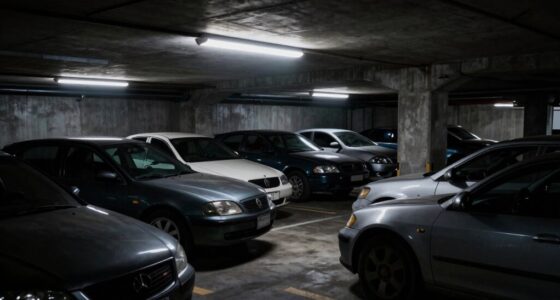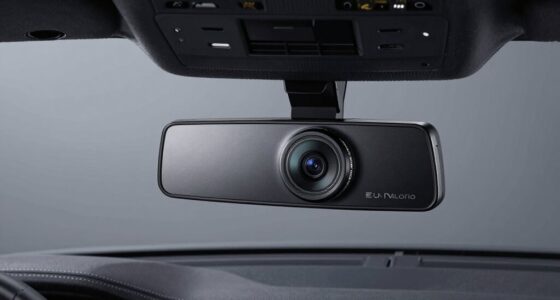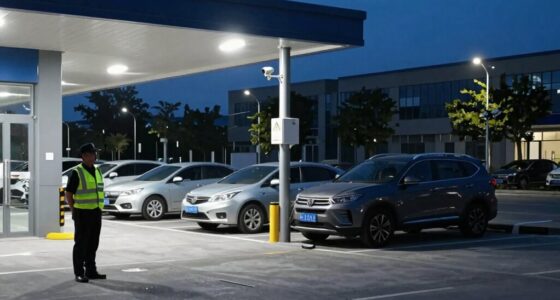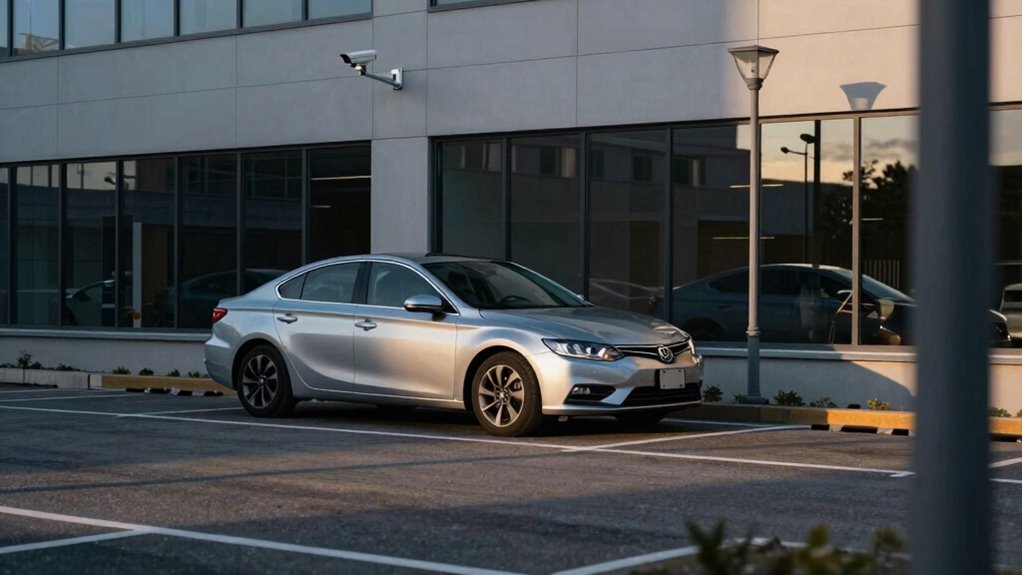

Parking mode security cameras can catch vandalism, hit-and-runs, and suspicious movements around your vehicle. They rely on sensors and motion detection but may miss details in low light, small objects, or when sensors aren’t properly calibrated. false alarms from harmless motions or blind spots can happen. To strengthen security, consider extra lighting and better camera placement. If you want to discover how to maximize protection and what technologies are improving, keep exploring.
Key Takeaways
- Parking mode effectively records vandalism, hit-and-runs, and suspicious vehicle movements during unattended periods.
- It may miss thefts inside vehicles or incidents in blind spots due to camera placement or poor lighting.
- False alarms can occur from harmless movements like passing cars or shadows, reducing reliability.
- Environmental factors such as low light, weather, or camera limitations can hinder detection and recording quality.
- Combining parking mode with additional security measures enhances overall protection and incident capture.

Mini Body Camera with Audio and Video Recording, POV Camera with 64G Card Body Worn Cam ,Wearable Patrol Video Recording Camcorder With Night Version ,Camcorder for Security Work Records Traveling
【FHD 1080P Camera】Kaysunlink A18 body camera captures videos and photos in stunning FHD resolution. The Bodycam recorder is...
As an affiliate, we earn on qualifying purchases.
How Parking Mode Detects Suspicious Activity
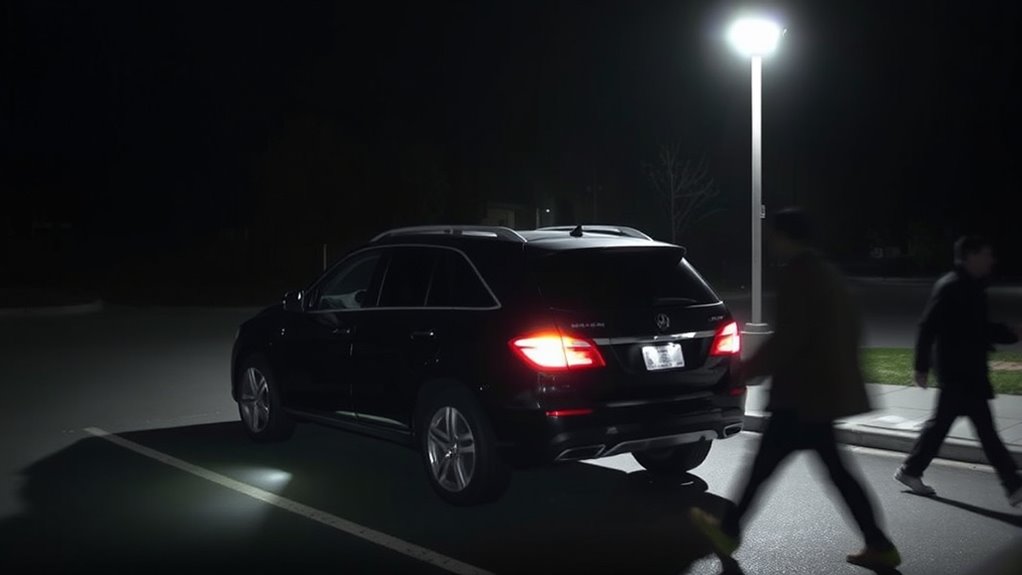
Parking mode uses advanced sensors and motion detection technology to monitor your vehicle when you’re not around. These sensors are designed to adjust their sensitivity based on environmental conditions, helping to detect suspicious activity effectively. If the sensor sensitivity is set too high, you’re more likely to receive false alarms from harmless movements like passing shadows or animals. Conversely, if sensitivity is too low, genuine threats might go unnoticed. The system analyzes changes in motion and nearby activity, alerting you only when something unusual occurs. Proper calibration guarantees a balance, reducing false alarms while maintaining reliable detection. Additionally, sensor calibration is essential to optimize system performance and adapt to different surroundings. Regular updates and improvements in security system technology contribute to more accurate detection and fewer false alarms. This way, parking mode keeps a watchful eye on your vehicle, alerting you to real threats without overwhelming you with unnecessary notifications. Advances in monitoring algorithms further enhance the system’s ability to distinguish between harmless and suspicious activity. European cloud innovation plays a role in supporting the development of more sophisticated and reliable parking security systems.

Meoilkolnm Mini Wearable Body Worn Action Camera, FHD 1080P, Thumb Size, Hands Free Recording with Premium Portable Camcorder Mount Anywhere for Security, Work, Guard, Travel, 128GB, Black
User Friendly: Simple Design with a button in the middle, you can easily start recording with pressing the...
As an affiliate, we earn on qualifying purchases.
Types of Incidents Most Likely to Be Recorded
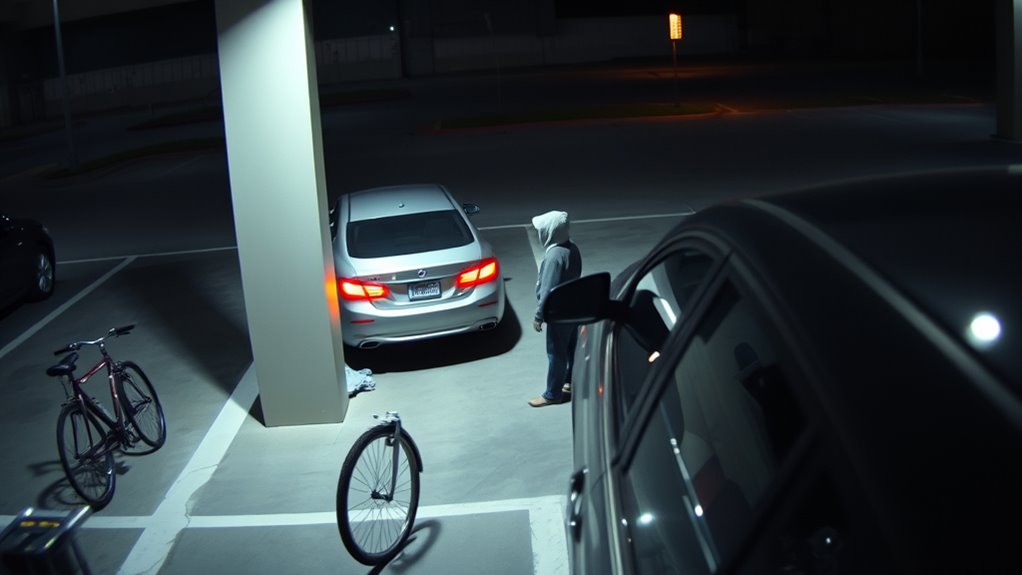
Have you ever wondered what types of incidents your security system is most likely to record? Parking mode cameras are especially effective at capturing vehicle vandalism, such as scratches, broken windows, or paint damage. They also record hit and run incidents, where a vehicle strikes another and drives away without stopping. These cameras are triggered by motion or impact, making them ideal for catching these common parking lot crimes. You’ll often see footage of vandals damaging parked cars or drivers leaving the scene after minor collisions. While parking mode excels at recording deliberate acts of vandalism and hit and run events, it may miss more subtle issues like theft inside the vehicle or vandalism outside camera range. Still, it’s a valuable tool for documenting suspicious activity involving your car. Additionally, connected security systems can enhance overall monitoring by integrating multiple cameras and sensors for comprehensive coverage. Understanding motion detection technology can help you optimize your camera placement and settings for better incident capture. Proper camera placement is essential to maximize coverage and reduce blind spots, ensuring more incidents are caught on video. Furthermore, awareness of privacy considerations can help you balance security with respecting others’ privacy rights. For example, camera system settings can be adjusted to limit recording in sensitive areas or during certain times to address privacy concerns.

Weivision 1080P FHD 360 Degree Bird View Surround Panoramic View Car Vihicle DVR Camera System Kit for Fire Engine/Bus/School Bus/Truck/Semi-Trailer/Box Truck/RV + 7inch HD Display …
Weivision Around View Camera System can get real surround vision of driving, help to avoid blind spots and...
As an affiliate, we earn on qualifying purchases.
Limitations of Parking Mode Cameras
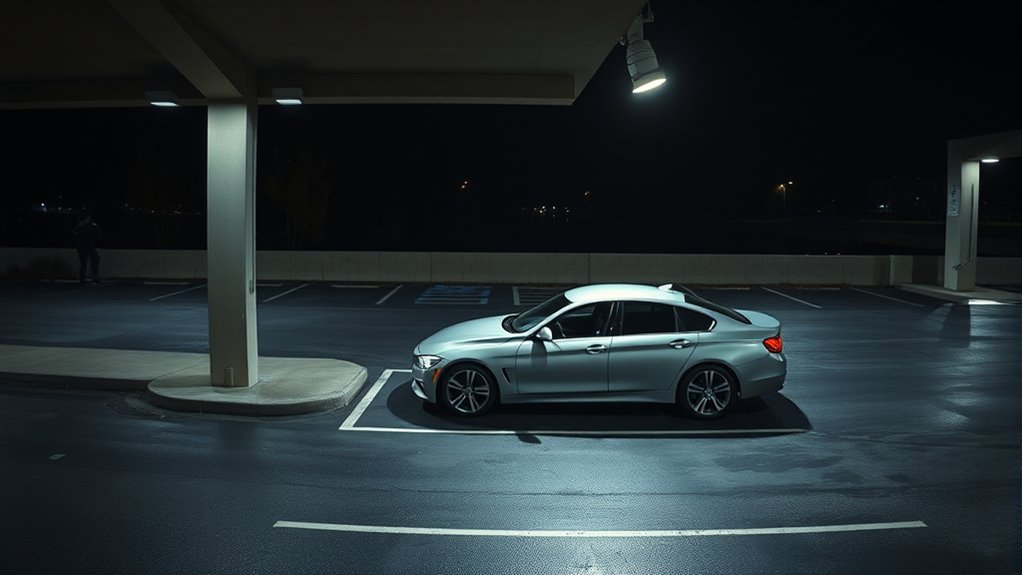
While parking mode cameras are valuable for capturing many types of vehicle-related incidents, they do have notable limitations. Sensor limitations mean they might not detect movement in low-light conditions or if objects are too small or distant. This can result in missed events or blurry footage. Additionally, these cameras require consistent power, which can be a challenge if your vehicle’s power source is unreliable or if the system relies on a secondary battery that drains quickly. Power requirements can limit how long a camera can operate effectively without interruption. As a result, some incidents may go unrecorded, especially during extended parking periods or in areas with poor lighting. Proper installation methods can also influence how well the camera performs and whether it overcomes some of these restrictions. Furthermore, camera performance can vary based on build quality and sensor technology, affecting overall reliability. Advancements in sensor technology continue to improve low-light detection and image clarity, offering hope for more comprehensive coverage in the future. Understanding camera limitations is crucial for choosing the right security setup and ensuring comprehensive coverage.
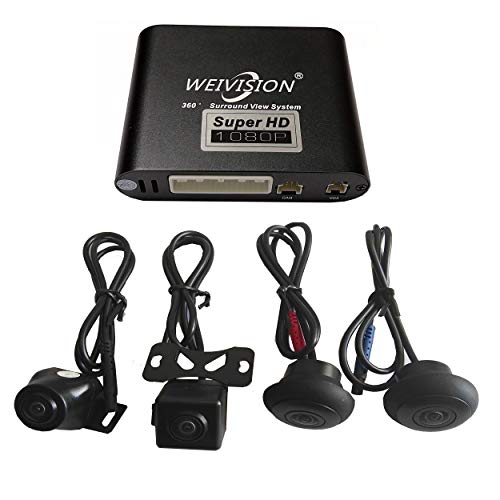
Weivision Super Hd 1080P Car 360 Degree Bird View Surround System DVR Record Backup Camera Parking Monitoring with HD Sensor
Weivision 360° Around View Camera System can get real surround vision of driving, help to avoid blind spots...
As an affiliate, we earn on qualifying purchases.
Common Scenarios Where Parking Mode Might Fail
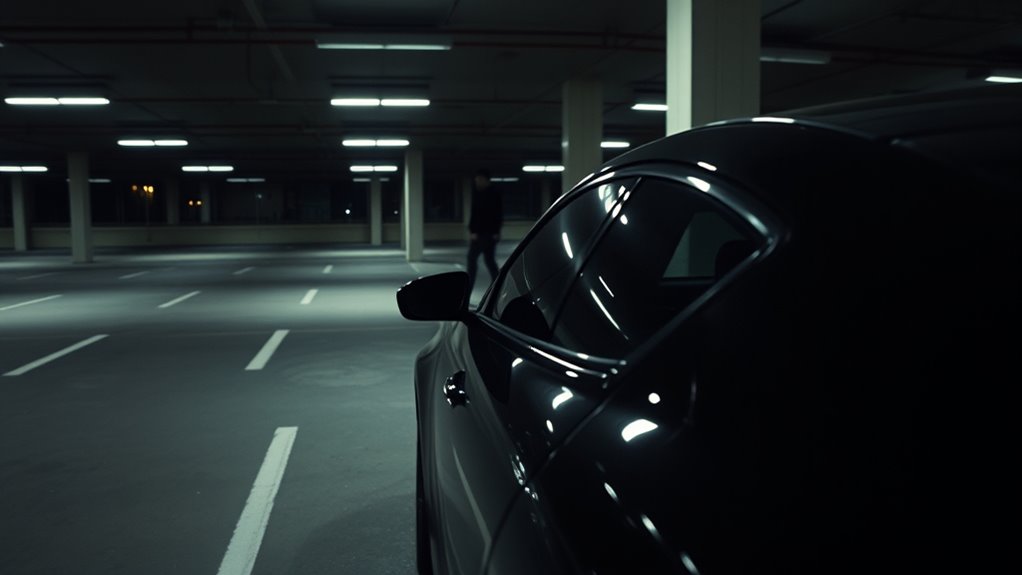
Certain situations can cause parking mode cameras to fail in capturing essential footage. One common issue is false positives, where the camera mistakenly interprets harmless movements—like passing cars or drifting shadows—as threats, leading to unnecessary alerts or missed real incidents. Additionally, blind spots created by vehicle design or camera placement can leave critical areas unmonitored, making it easier for incidents to go unnoticed. Camera positioning plays a crucial role in ensuring comprehensive coverage and reducing blind spots. Poor lighting conditions, such as at night or in shaded areas, further diminish the camera’s ability to detect activity accurately. Inadequate lighting conditions can significantly impair the camera’s performance, especially during low-light scenarios. These limitations mean that even with parking mode activated, some incidents might not be recorded or flagged properly. Moreover, support breakfast options like cozy accommodations or diverse breakfast dishes can help you start the day more alert and prepared to monitor your surroundings effectively. Being aware of camera limitations can also motivate users to consider additional security measures, such as motion-activated lighting or supplementary sensors, to improve overall safety and surveillance reliability. Recognizing the importance of security system integration can further enhance the effectiveness of your parking surveillance setup.
Enhancing Security With Additional Measures

To boost your parking lot security, consider adding supplemental strategies like better lighting or security patrols. Installing physical barriers can also deter potential intruders and protect your property. Enhanced surveillance techniques, such as cameras with real-time monitoring, can further improve overall safety. Incorporating outdoor tech solutions, like motion-activated alerts, can provide an extra layer of security and immediate response capabilities. Regularly reviewing and updating your security measures ensures they remain effective against evolving threats. Utilizing smart security systems that integrate various sensors and notifications can help detect suspicious activity more effectively. Implementing security protocols training for staff and security personnel on emergency procedures can significantly enhance your security posture.
Supplemental Security Strategies
Adding supplemental security measures can substantially strengthen your parking area’s defenses. Start by paying attention to vehicle color, as it can help identify and distinguish cars more easily. Installing cameras with strategic placement enhances surveillance coverage, reducing blind spots and increasing chances of capturing suspicious activity. Proper camera placement ensures high visibility of key areas, such as entry points, parking spots, and exits. Combining clear visuals with contrasting vehicle colors makes it easier to recognize and record any unusual behavior. Additionally, consider using cameras with night vision to monitor the area around the clock. These measures work together to create a layered security approach, deterring potential criminals and providing valuable evidence in case of incidents. Incorporating vehicle color awareness and ideal camera placement makes your parking security more effective. Understanding camera types can help you select the best equipment for your specific needs. Implementing effective camera positioning strategies ensures comprehensive coverage and minimizes blind spots.
Use of Physical Barriers
Physical barriers are a crucial component of a thorough parking security plan. They directly deter unauthorized access and help prevent vandalism. Installing physical barriers such as bollards, gates, or concrete blocks creates a physical obstacle that makes it harder for intruders to enter or cause damage. These barriers serve as a visible warning, discouraging potential vandals and thieves. They also help protect parked vehicles from accidental or intentional harm, increasing vandal prevention. When strategically placed, physical barriers can effectively control traffic flow and restrict access to designated areas. By combining these barriers with other security measures, you create a layered defense that enhances overall safety. Additionally, understanding security measures can further improve your parking lot’s safety strategy. Incorporating technology solutions like surveillance cameras can complement physical barriers and provide real-time monitoring. Remember, physical barriers aren’t foolproof, but they considerably reduce the risk of vandalism and unauthorized entry.
Enhanced Surveillance Techniques
Enhanced surveillance techniques considerably bolster parking security by providing real-time monitoring and rapid response capabilities. License plate recognition allows you to automatically identify vehicles entering and exiting, helping prevent unauthorized access. Facial identification adds another layer by recognizing individuals, making it easier to flag known security threats or revoked pass holders. These technologies work together to create a more proactive security system, alerting you immediately to suspicious activity. You can set up cameras with AI-powered analytics to track unusual behavior or identify vehicles and people in restricted areas. This approach reduces reliance on manual patrols and increases efficiency. By integrating license plate recognition and facial identification into your parking security, you markedly improve your ability to catch potential intruders and respond swiftly to incidents.
Tips for Choosing Effective Parking Mode Systems
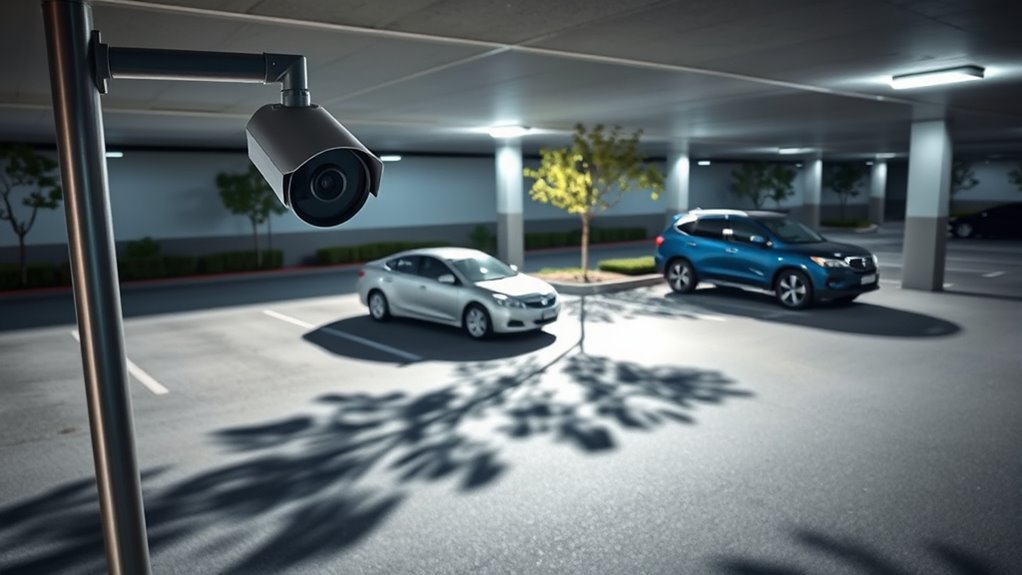
Choosing the right parking mode system is essential for guaranteeing your vehicle’s security, especially in high-risk areas. Focus on parking mode reliability to prevent false alarms and missed incidents. Proper camera placement is critical; position cameras where they have a clear view of key entry points and vulnerable areas. Look for systems with adjustable angles to optimize coverage. Consider lighting conditions and ensure cameras have night vision. Use a system with sturdy, weatherproof hardware to withstand harsh conditions. Here’s a quick comparison:
| Feature | Importance | Tips |
|---|---|---|
| Parking mode reliability | Ensures consistent performance | Choose trusted brands |
| Camera placement | Affects coverage and accuracy | Place cameras at eye level and angles |
| Night vision | Detects activity in darkness | Check for infrared capability |
| Weatherproofing | Protects against elements | Confirm IP ratings |
| Alerts & notifications | Keeps you informed in real time | Opt for instant alerts |
Future Improvements in Parking Surveillance Technology

Advancements in parking surveillance technology are rapidly transforming the way you protect your vehicles. Future improvements include enhanced automatic licensing recognition, allowing systems to quickly identify and log license plates of parked cars. This speeds up security checks and helps catch thefts or unauthorized parking. Facial recognition is also becoming more sophisticated, enabling cameras to identify suspicious individuals or track known offenders. These innovations will make parking lot security more proactive and efficient. You’ll benefit from real-time alerts and better integration with law enforcement databases. As technology evolves, parking surveillance will become less intrusive and more accurate, reducing false alarms. These improvements aim to provide you with peace of mind, knowing your vehicle is monitored with cutting-edge tools designed to catch threats before they happen.
Frequently Asked Questions
How Does Lighting Affect Parking Mode Camera Effectiveness?
Lighting conditions greatly impact your parking mode camera’s effectiveness. Poor lighting can reduce camera sensitivity, making it harder to capture clear footage or identify details. Bright, well-lit areas improve visibility, allowing your camera to detect movement more accurately. Conversely, low-light environments cause grainy images and missed details. To maximize security, consider installing additional lighting or choosing cameras with enhanced night vision features that perform well in various lighting conditions.
Can Parking Mode Cameras Distinguish Between Residents and Intruders?
Parking mode cameras generally can’t distinguish between residents and intruders on their own. They rely on features like facial recognition and motion detection to identify familiar faces or unusual activity. While facial recognition helps, it isn’t foolproof, especially in low lighting or with obstructions. Motion detection alerts you to movement, but it doesn’t identify who’s there. Combining these features improves security, but false alarms and missed detections can still occur.
What Prevents False Alerts From Animals or Passing Shadows?
You can prevent false alerts from animals or passing shadows by enabling advanced motion detection features on your camera. These systems use algorithms to distinguish animal movement from human activity and reduce false alarms caused by shadows. Adjust sensitivity settings and enable shadow detection filters to fine-tune the alerts. This way, your camera focuses on genuine security threats, minimizing unnecessary notifications from animals or moving shadows.
Are There Legal Privacy Concerns With Parking Mode Recordings?
Yes, there are legal privacy concerns with parking mode recordings. You must follow privacy regulations to avoid violations, such as ensuring recordings don’t intrude on private spaces, respecting others’ privacy rights, and informing people about surveillance. Ignoring legal regulations risks privacy violations, legal consequences, and damage to trust. Stay aware of local laws, obtain necessary permissions, and use recordings responsibly to balance security needs with privacy rights.
How Long Are Parking Mode Videos Typically Stored?
Parking mode videos typically have a storage duration of a few days to several weeks, depending on your camera’s settings and available storage. You can usually customize video retention to free up space or keep footage longer. When motion is detected or an incident occurs, the system saves the footage, ensuring important events are stored. Regularly checking and managing your storage helps prevent overwriting essential videos.
Conclusion
While parking mode cameras can be your vigilant guardian, catching many shady activities, they’re not infallible. They might miss sneaky tricks or unpredictable incidents, leaving gaps in your security. To truly safeguard your vehicle, combine these systems with extra measures. Remember, relying solely on parking mode is like trusting a single guard dog—great, but not enough to stop every threat. Stay proactive, enhance your security, and keep your vehicle safe from even the craftiest crooks!