A dash cam for small claims evidence should capture a clear, time-linked account of an incident and make the footage easy to retrieve. My best overall pick is the VIOFO A229 Pro, whose front-and-rear setup and dual STARVIS 2 sensors put strong image capture ahead of extras. The 70mai A810 Lite stands out for drivers who want a front-and-rear camera with app connectivity, while the Vantrue N4S suits people who also need cabin coverage. The main tradeoff is between prioritizing clear views of the road, adding more camera angles, and keeping the system simple to operate. Read on for how all 15 options compare and what matters when footage may need to support a claim.

Get business pricing on garage and car supplies
- Business-only prices and quantity discounts
- Tax-exempt purchasing
- Multiple users, one account, clear invoices
Complete the kit


Key Takeaways
- The VIOFO A229 Pro is my best overall evidence-focused pick: its front-and-rear configuration and dual STARVIS 2 sensors favor useful road footage over a longer list of convenience features.
- More channels do not automatically mean better evidence: three- and four-camera options cover more directions or the cabin, but add installation and file-review complexity.
- Front-and-rear coverage is the clearest middle ground: models such as the 70mai A810 Lite and ROVE R2-4K include a rear view without requiring a multi-camera cabin setup.
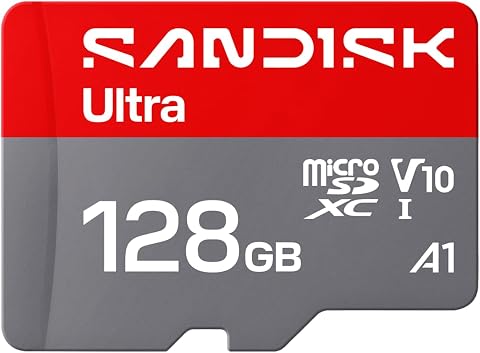
- Included storage changes the out-of-box experience: the ROVE R2-4K and REDTIGER 4K STARVIS 2 list 128GB cards, while other listed bundles include 32GB or 64GB cards, or do not specify one.
- Connectivity and capture quality serve different jobs: Wi-Fi and companion features can ease access to clips, but they do not replace clear footage, accurate timestamps, and a reliable saving routine.
| 360° Dash Cam Front and Inside 4K+2.5K, 2 Channel Dashcam for Car |  | Best for Rideshare Incident Evidence | Front resolution: 4K | Interior resolution: 2.5K | Front lens angle: 146° | VIEW ON AMAZON | See Our Full Breakdown |
| COOAU D30S 4K Dual Dash Cam with GPS and Wi-Fi |  | Best for GPS-Logged Dual-View Evidence | Video modes: 4K front-only; 1440p front plus 1080p cabin | Frame rate: 25 fps in 4K mode; 30 fps in dual-channel mode | Field of view: 170° front; 150° cabin | VIEW ON AMAZON | See Our Full Breakdown |
| 3 Channel 4K Full HD Dash Cam for Cars – Front, Rear, Inside |  | Best for Three-Angle Incident Coverage | Camera channels: Front, rear, and inside | Resolution: 4K front; 1080p rear and inside | Field of view: 170° front; 160° rear; 150° cabin | VIEW ON AMAZON | See Our Full Breakdown |
| Veement V300 1296P Front Dash Cam with Wi-Fi |  | Best Simple Front-Facing Option | Video resolution: 1296p (2304 × 1296) | Frame rate: 30 fps | Field of view: 170° | VIEW ON AMAZON | See Our Full Breakdown |
| 360 View 4-Channel Dash Cam with Front, Rear, Left, and Right Cameras |  | Best for Full-Surround Coverage | Camera channels: Four: front, rear, left, and right | Resolution: 1080p Full HD | Field of view: 160° | VIEW ON AMAZON | See Our Full Breakdown |
| 4K Three-Channel Dash Camera with Front, Interior, and Rear Cameras |  | Best for Three-Angle Incident Context | Camera channels: 3 | Video resolution: 4K front; 1080p interior and rear | Field of view: 170° front; 150° interior; 160° rear | VIEW ON AMAZON | See Our Full Breakdown |
| 70mai A810 Lite 4K Dash Cam Front and Rear, Wi-Fi 6, GPS, Night Vision, Parking Mode, Voice Control |  | Best for GPS-Tagged Low-Light Evidence | Video resolution: 4K front; 1080p rear | Wi-Fi: 5GHz Wi-Fi 6 | Night vision: HDR with F1.55 aperture | VIEW ON AMAZON | See Our Full Breakdown |
| ROVE R2-4K Dual Dash Cam with Front and Rear Cameras and 128GB Card |  | Best for Storage and Clip Management | Front video: 2.5K QHD sensor, upscaled to 4K | Rear video: 1080p Full HD | Image sensor: Sony STARVIS 2 IMX675, 5MP | VIEW ON AMAZON | See Our Full Breakdown |
| Galphi 4K Dash Cam Front with 5GHz WiFi and 32GB Card |  | Best Compact, Screen-Free Pick | Resolution: 4K 2160p | Field of view: 160° | Aperture: F/1.6 | VIEW ON AMAZON | See Our Full Breakdown |
| REDTIGER 4K STARVIS 2 Dashcam Front and Rear with WiFi and 128GB Card |  | Best for In-Car Review and Hands-Free Controls | Video resolution: 4K UHD front; 1080p rear | Camera field of view: 170° front; 140° rear | Sensor: STARVIS 2 | VIEW ON AMAZON | See Our Full Breakdown |
| Vantrue N4S 2.7K 3-Channel Dash Cam with Night Vision |  | Best for Rideshare Coverage | Video resolution: 2.7K front, 1440P interior, 1440P rear | Lens angles: 158° front, 165° interior, 160° rear | Night vision: STARVIS 2 | VIEW ON AMAZON | See Our Full Breakdown |
| VIOFO A229 Pro 4K HDR Dash Cam Front and Rear, Dual STARVIS 2 Sensors |  | Best for High-Detail Road Evidence | Video resolution: 4K 2160P front, 2K 1440P rear | Sensors: IMX678 front, IMX675 rear | HDR: Yes | VIEW ON AMAZON | See Our Full Breakdown |
| 70mai 4K Dash Cam Front and Rear Inside, 3 Channel Car Dash Camera with GPS, Wi-Fi 6, Voice Control, Parking Monitor, Night Vision, Loop Recording, 64GB SD Card Included |  | Best Three-Channel Starter Kit | Video resolution: 4K front, 1080P interior, 1080P rear | Night vision: Yes, with switchable infrared interior camera | HDR: Yes | VIEW ON AMAZON | See Our Full Breakdown |
| Escort M2 Smart Dash Cam, 1080P Full HD Video, Incident Reports |  | Best for Escort Detector Owners | Video resolution: 1080P Full HD | GPS: Built-in | Wi-Fi: Dual-band | VIEW ON AMAZON | See Our Full Breakdown |
| 4K+4K+1080P 3 Channel Dash Cam with 128GB Card and Night Vision |  | Best Bundled Storage for Three-View Recording | Video resolution: 4K UHD front, 4K UHD rear, 1080P cabin | Viewing angles: 170° front, 150° rear, 150° cabin | Night vision: HD night vision with IR lights | VIEW ON AMAZON | See Our Full Breakdown |
| dash cam for small claims evidence | Video resolution | Wi-Fi | GPS |
|---|---|---|---|
| 360° Dash Cam Front and Inside | — | — | — |
| COOAU D30S 4K Dual Dash Cam wi | — | — | — |
| 3 Channel 4K Full HD Dash Cam | — | — | — |
| Veement V300 1296P Front Dash | 1296p (2304 × 1296) | — | — |
| 360 View 4-Channel Dash Cam wi | — | — | — |
| 4K Three-Channel Dash Camera w | 4K front; 1080p interior and rear | — | — |
| 70mai A810 Lite 4K Dash Cam Fr | 4K front; 1080p rear | 5GHz Wi-Fi 6 | GPS, GLONASS, and BDS |
| ROVE R2-4K Dual Dash Cam with | — | — | Built-in; records route, location, and speed |
| Galphi 4K Dash Cam Front with | — | 5GHz; downloads up to 8MB/s | — |
| REDTIGER 4K STARVIS 2 Dashcam | 4K UHD front; 1080p rear | 5GHz; downloads up to 20MB/s | Built-in |
| Vantrue N4S 2.7K 3-Channel Das | 2.7K front, 1440P interior, 1440P rear | 5GHz | Quad-mode GPS + BeiDou |
| VIOFO A229 Pro 4K HDR Dash Cam | 4K 2160P front, 2K 1440P rear | 5GHz | Quad-mode GPS: GPS, BeiDou, Galileo, GLONASS |
| 70mai 4K Dash Cam Front and Re | 4K front, 1080P interior, 1080P rear | Wi-Fi 6 | Built-in five-mode GPS |
| Escort M2 Smart Dash Cam | 1080P Full HD | Dual-band | Built-in |
| 4K+4K+1080P 3 Channel Dash Cam | 4K UHD front, 4K UHD rear, 1080P cabin | Dual-band Wi-Fi 6, 5.8GHz + 2.4GHz | Speed and location tracking |
More Details on Our Top Picks
360° Dash Cam Front and Inside 4K+2.5K, 2 Channel Dashcam for Car
For drivers who need to document both the road and what happens inside the car, this model pairs 4K front video with 2.5K cabin footage. Its 185° interior lens covers more of the passenger area than the COOAU D30S’s 150° cabin view, which can help when a small-claims dispute involves a passenger interaction as well as a collision. GPS and Wi-Fi make route details and clip access easier to manage, while infrared night vision supports low-light cabin recording. The supercapacitor is a useful choice for vehicles exposed to temperature extremes. The tradeoff is setup: this has more features to configure than the simpler Veement V300, and the included 32GB card may fill quickly. I’d choose it for cabin coverage, not for rear-road footage, which it does not record.
Pros:- 4K front and 2.5K interior recording provide detailed footage from two useful perspectives.
- 185° infrared cabin view covers a broad passenger area in low light.
- Built-in GPS and Wi-Fi support route logging and app-based clip access.
- Supercapacitor is rated for a wide operating temperature range.
Cons:- The included 32GB card may be limiting for frequent or high-resolution recording.
- The feature set and installation may take extra setup for first-time dash-cam owners.
- No rear-facing road camera is listed.
Best for: Rideshare drivers who want high-resolution evidence of both the road ahead and passenger area, including at night.
Not ideal for: Drivers who need rear-facing road footage or want a simple front-only setup with minimal configuration.
- Front resolution:4K
- Interior resolution:2.5K
- Front lens angle:146°
- Interior lens angle:185° fisheye
- Night vision:Infrared with WDR
- Connectivity and location:Wi-Fi and GPS
- Storage:32GB SD card included; supports up to 512GB
- Power and temperature:Supercapacitor; operating range -22°F to 158°F
Our verdict“Choose this if documenting passenger-area events matters as much as capturing a detailed view of the road ahead.”
COOAU D30S 4K Dual Dash Cam with GPS and Wi-Fi
The COOAU D30S suits a buyer who wants front-and-cabin recording plus location and speed information tied to a trip. It can record 4K from the front in single-camera mode, but running both cameras means 1440p front and 1080p cabin at 30 fps. That distinction matters when choosing footage for a claim: dual coverage is more useful for incidents involving passengers, while single-camera mode favors front detail. Compared with the 360° Dash Cam Front and Inside, its cabin lens is narrower at 150°, and the supplied details list a lower interior resolution; in return, it offers a defined dual-channel frame rate and GPS. Infrared cabin recording helps in darkness. The microSD card is not included, and parking monitoring needs a separate hardwire kit, so it takes extra purchases and setup before it can cover parked-car incidents.
Pros:- Built-in GPS records route and speed information alongside video.
- Dual-channel mode captures front and cabin views at 30 fps.
- Four infrared LEDs support cabin recording in complete darkness.
- Collision locking can help preserve incident footage from loop recording.
Cons:- A microSD card is not included.
- Parking monitoring requires a separately purchased hardwire kit.
- Front resolution drops to 1440p when recording the cabin at the same time.
Best for: Drivers who want route and speed logging alongside front-and-cabin footage and are comfortable supplying a memory card.
Not ideal for: Buyers seeking a ready-to-record package or high-resolution front footage while both channels are running.
- Video modes:4K front-only; 1440p front plus 1080p cabin
- Frame rate:25 fps in 4K mode; 30 fps in dual-channel mode
- Field of view:170° front; 150° cabin
- Night vision:f/1.8 aperture, Sony STARVIS 2 chip, and four cabin infrared LEDs
- Connectivity and location:Wi-Fi app access and built-in GPS
- Storage:microSD up to 256GB; card not included
- Parking monitoring:Collision detection, motion detection, and time-lapse; hardwire kit required
- Operating temperature:-4°F to 158°F
Our verdict“Pick the D30S if GPS-linked trip records and dual-channel coverage matter more than 4K front resolution during simultaneous recording.”
3 Channel 4K Full HD Dash Cam for Cars – Front, Rear, Inside
When a small-claims dispute could involve a rear impact or activity inside the vehicle, this model’s defining advantage is straightforward: it records front, rear, and cabin views at once. The front camera records in 4K, while the other two record at 1080p, providing more incident angles than the front-and-cabin COOAU D30S. That broader coverage can help establish where an event occurred around the car, though the rear and cabin footage won’t match the front camera’s resolution. Wi-Fi app control helps with playback, and a 32GB card is included, unlike the card-free COOAU. Loop recording and a G-sensor support routine recording and collision-triggered protection. The tradeoffs are storage and installation: three feeds create substantial files, and parking mode needs a separate hardwire kit. I’d favor it for coverage over the 4K-plus-cabin detail of the first product.
Pros:- Three simultaneous views can document front, rear, and cabin events.
- 4K front recording supplies more detail for the primary road-facing view.
- A 32GB memory card is included.
- Wi-Fi, loop recording, and a G-sensor support clip access and incident capture.
Cons:- Rear and cabin cameras record at 1080p rather than 4K.
- Three video feeds can use storage quickly, so a larger card may be needed.
- Parking mode requires a separately purchased hardwire kit.
Best for: Drivers who want simultaneous evidence from the road ahead, behind the car, and inside the cabin.
Not ideal for: Buyers prioritizing the highest possible resolution on every camera or wanting parking mode without extra hardware.
- Camera channels:Front, rear, and inside
- Resolution:4K front; 1080p rear and inside
- Field of view:170° front; 160° rear; 150° cabin
- Memory card:32GB included
- Connectivity:Wi-Fi app control
- Recording features:Loop recording and G-sensor
- Night recording:Enhanced night vision
- Parking mode:Supported; extra hardwire kit required
Our verdict“Choose this if seeing what happened in front, behind, and inside the vehicle is more useful than having higher resolution on every channel.”
Veement V300 1296P Front Dash Cam with Wi-Fi
The Veement V300 is the simplest fit here for a driver who wants front-facing evidence without managing cabin or rear cameras. Its 1296p recording and 170° field of view prioritize broad road coverage, while Wi-Fi and the VeeCar app let the owner preview and download clips. Compared with the 4K-capable COOAU D30S and the three-channel model, it gives up fine image detail and additional viewpoints; its benefit is a less elaborate camera setup. That can be appealing for straightforward claims involving the road ahead, but it cannot document what happened behind or inside the car. It also needs continuous USB-C power, and parking mode requires hardwiring. The microSD card is separate, so the camera is not ready to preserve footage until storage is added. I’d skip it if GPS logs or multi-angle evidence are central to the claim.
Pros:- Front-facing design avoids the added setup of multi-camera systems.
- 170° field of view captures a broad stretch of road.
- Wi-Fi and the VeeCar app support preview, playback, and clip downloads.
- Loop recording and a G-sensor support ongoing and incident-related recording.
Cons:- 1296p provides less stated resolution than the 4K options in this lineup.
- A microSD card is not included.
- Continuous USB-C power is required, and parking mode needs hardwiring.
Best for: Drivers who need an uncomplicated front camera for road incidents and are willing to add their own microSD card.
Not ideal for: Rideshare drivers or buyers who need GPS records, cabin or rear footage, or parking monitoring without hardwiring.
- Video resolution:1296p (2304 × 1296)
- Frame rate:30 fps
- Field of view:170°
- Connectivity:Wi-Fi with VeeCar app
- Storage:microSD up to 256GB; card not included
- Recording features:Loop recording and G-sensor
- Power:Continuous USB-C power required
- Parking mode:24/7 mode listed; hardwiring required
Our verdict“Choose the V300 for basic front-only evidence and app access, but look elsewhere for GPS, cabin coverage, or higher-resolution video.”
360 View 4-Channel Dash Cam with Front, Rear, Left, and Right Cameras
This is the broadest-coverage choice in the group: four 1080p cameras record front, rear, left, and right views simultaneously. For a claim involving a sideswipe or an event beside a parked car, those extra angles may tell more of the story than the front-and-cabin setup of the COOAU D30S. The compromise is resolution: each channel is Full HD, not 4K, so it prioritizes coverage over fine detail. A 128GB card is included, giving it more supplied storage than the 32GB cards bundled with the other multi-camera options here. Night vision and WDR are listed, and 5GHz Wi-Fi supports app integration. GPS is optional, however, and the stated 24-hour parking mode needs a separate hardwire kit. I’d choose it when surrounding views matter more than GPS-linked trip records or maximum front-camera detail.
Pros:- Four simultaneous cameras cover front, rear, left, and right sides.
- Included 128GB card offers more supplied storage than the 32GB bundles in this group.
- Night vision and WDR are listed for low-light recording.
- 5GHz Wi-Fi supports app integration.
Cons:- All four cameras record at 1080p rather than 4K.
- GPS is optional and sold separately.
- Parking mode requires a separately purchased hardwire kit.
Best for: Drivers concerned about side impacts, sideswipes, or parked-car incidents who want video from all four sides.
Not ideal for: Buyers who prioritize 4K detail, built-in GPS, or a parking setup that works without extra hardware.
- Camera channels:Four: front, rear, left, and right
- Resolution:1080p Full HD
- Field of view:160°
- Storage:128GB card included
- Connectivity:5GHz Wi-Fi
- Night recording:Night vision with WDR and infrared lights
- Power:Supercapacitor
- Parking mode and GPS:Time-lapse parking mode requires a hardwire kit; GPS optional and sold separately
Our verdict“Pick this model if side-view evidence and four-way coverage matter more to you than 4K resolution or built-in GPS.”
4K Three-Channel Dash Camera with Front, Interior, and Rear Cameras
For a small-claims dispute where what happened inside the car or behind it could matter as much as the road ahead, this model’s three-camera coverage gives it a distinct role. It records the front in 4K and the cabin and rear in 1080p, while a G-sensor locks collision footage to help protect an important clip from loop recording. The included 32 GB card gets recording started without a separate storage purchase, though its 64 GB card limit is modest beside the ROVE R2-4K Dual’s support for up to 1TB. Wi-Fi provides app-based viewing and downloads, but the 2-inch display is small for checking details in the car. Parking recording also needs a separately sold hardwiring kit, adding setup work for drivers seeking evidence while parked.
Pros:- Records front, cabin, and rear views, giving a dispute more context than a front-and-rear-only setup.
- Front 4K recording captures more detail ahead than its 1080p interior and rear cameras.
- G-sensor locks footage when it detects a collision.
- Includes a 32 GB memory card and Wi-Fi app access for viewing and downloading clips.
Cons:- Maximum supported card size of 64 GB limits available recording capacity.
- 24-hour parking mode requires a separately sold hardwiring kit.
- The 2-inch display offers little room for examining footage in the vehicle.
Best for: Drivers who want footage of the road, cabin, and rear of the vehicle for disputes involving passengers, rear impacts, or multiple angles.
Not ideal for: Drivers who want long retention between downloads or straightforward parked-car monitoring, since storage tops out at 64 GB and parking mode needs a separate hardwiring kit.
- Camera channels:3
- Video resolution:4K front; 1080p interior and rear
- Field of view:170° front; 150° interior; 160° rear
- Connectivity:Wi-Fi
- Display:2 inches
- Included memory card:32 GB
- Maximum supported memory card:64 GB
- Parking mode:24-hour time-lapse recording; hardwiring kit sold separately
Our verdict“Choose this if cabin and rear coverage matter to your evidence, but skip it if you need generous storage or a simple parking-mode setup.”
70mai A810 Lite 4K Dash Cam Front and Rear, Wi-Fi 6, GPS, Night Vision, Parking Mode, Voice Control
The A810 Lite suits drivers who want more than a video file: its GPS tracking can attach route and speed information to the record, while HDR night vision and an F1.55 aperture target clearer footage in dim conditions. That combination can help when a small-claims account turns on where or when an event occurred, though recorded data is supporting context, not a substitute for reviewing the actual clip. Unlike the three-channel 4K camera in this lineup, the 70mai records only the front and rear, leaving the cabin uncovered. Its Wi-Fi 6 is aimed at quick transfers, and the supercapacitor is a practical power choice, but parking mode still needs a hardwire kit. The feature set offers more evidence tools than the screen-free Galphi, with added complexity for drivers who just want basic recording.
Pros:- 4K front and 1080p rear recording provide two-way road coverage.
- HDR night vision and an F1.55 aperture are designed to improve low-light capture.
- Three-mode GPS records route, location, and speed context.
- Wi-Fi 6 supports faster clip transfers, and the supercapacitor is specified for power.
Cons:- Parking mode requires a separately purchased hardwire kit.
- No interior camera, unlike the three-channel 4K model in this roundup.
- The connected features may feel needlessly complex to drivers seeking basic evidence recording.
Best for: Drivers who frequently travel at night and want front-and-rear video paired with GPS route and speed data for organizing incident evidence.
Not ideal for: Drivers who need cabin footage, dislike configuring connected features, or expect parking mode to work without buying and installing a hardwire kit.
- Video resolution:4K front; 1080p rear
- Wi-Fi:5GHz Wi-Fi 6
- Night vision:HDR with F1.55 aperture
- GPS:GPS, GLONASS, and BDS
- Parking mode:24-hour G-sensor and time-lapse; hardwire kit required
- Power:Supercapacitor
- Warranty:18 months
Our verdict“Pick the A810 Lite if GPS context and night recording matter more than cabin coverage or a simpler feature set.”
ROVE R2-4K Dual Dash Cam with Front and Rear Cameras and 128GB Card
The ROVE R2-4K Dual is a strong fit for drivers who want to keep more incident footage on hand: it arrives with a 128 GB card and supports cards up to 1TB, far more room than the 64 GB ceiling on the three-channel 4K camera. For small-claims evidence, that headroom can reduce how often older clips get overwritten before they are saved elsewhere. Its front video is upscaled from a 2.5K sensor, not native 4K, so the headline resolution needs that qualification; the rear camera records 1080p. STARVIS 2, HDR, and wide apertures are aimed at low-light capture, and built-in GPS adds route and speed data. The 3-inch display is larger than the 70mai A810 Lite’s described compact design, but parking modes still require a separate hardwire kit.
Pros:- Includes a 128 GB card and supports storage up to 1TB.
- STARVIS 2 sensor, HDR, and wide apertures are suited to low-light recording.
- Built-in GPS records route, location, and speed data.
- 3-inch display and dual-band Wi-Fi support clip review and transfer.
Cons:- Front video is upscaled from a 2.5K sensor rather than captured natively at 4K.
- Parking modes require a separately purchased hardwire kit.
- Rear recording is 1080p, not 4K.
Best for: Drivers who want front-and-rear evidence, built-in GPS, and more onboard storage before transferring clips to another device.
Not ideal for: Buyers who require native 4K front capture or want parking surveillance without purchasing and wiring an additional kit.
- Front video:2.5K QHD sensor, upscaled to 4K
- Rear video:1080p Full HD
- Image sensor:Sony STARVIS 2 IMX675, 5MP
- Included storage:128 GB microSD card
- Maximum storage support:1TB microSD card
- Display:3-inch IPS
- GPS:Built-in; records route, location, and speed
- Parking modes:Time-lapse, motion detection, and collision detection; hardwire kit required
Our verdict“Choose the ROVE if storage capacity and GPS matter more than native 4K front capture or an included parking-mode power kit.”
Galphi 4K Dash Cam Front with 5GHz WiFi and 32GB Card
The Galphi keeps the evidence setup simple: its compact, screen-free design avoids a display on the windshield, while 4K front recording, a 160° lens, and WDR night vision cover the road ahead. That makes it a more focused choice than the dual-camera REDTIGER F7N TOUCH, which adds rear footage and GPS but also more hardware to install and manage. For a small-claims record, the Galphi’s G-sensor can protect collision footage from loop recording, and the included 32 GB card means it can start recording without a separate card purchase. There is no onboard screen, however, so checking a clip requires the app rather than a quick look at the camera. It records only forward, and parking mode needs a separately purchased Type-C hardwire kit.
Pros:- Compact, screen-free design keeps the windshield setup visually simple.
- 4K front recording, a 160° field of view, and WDR night vision target road-detail capture.
- Includes a 32 GB card and supports cards up to 256 GB.
- 5GHz Wi-Fi supports app-based video downloads.
Cons:- Front-only coverage leaves rear impacts and cabin events undocumented.
- No built-in screen for checking footage at the vehicle.
- Parking mode requires a separately purchased Type-C hardwire kit.
Best for: Drivers seeking a discreet, front-only camera with included storage and app-based clip access, especially those who do not need rear or cabin views.
Not ideal for: Drivers who need rear-camera evidence, want to review clips on the device, or need parking recording without adding a hardwire kit.
- Resolution:4K 2160p
- Field of view:160°
- Aperture:F/1.6
- Wi-Fi:5GHz; downloads up to 8MB/s
- Included storage:32 GB Class 10/U3/V30 card
- Maximum supported storage:256 GB
- Evidence features:Loop recording and G-sensor
- Parking mode:Requires separately purchased Type-C hardwire kit
Our verdict“Choose the Galphi for discreet front-facing evidence and simple app access, but skip it if your claim may depend on rear coverage or onboard review.”
REDTIGER 4K STARVIS 2 Dashcam Front and Rear with WiFi and 128GB Card
The REDTIGER F7N TOUCH combines front-and-rear recording with a touchscreen, voice control, GPS, and an included 128 GB card, making it appealing to drivers who want to manage evidence without relying entirely on an app. Built-in GPS can add route and location context, while the STARVIS 2 sensor and WDR/HDR night processing are intended to help with difficult lighting. Compared with the ROVE R2-4K Dual, it lists native 4K front recording rather than an upscaled 4K output, though the ROVE supports substantially larger cards and describes its GPS data in detail. The REDTIGER’s 170° front view offers broad coverage, but the 1080p rear camera remains lower resolution. Installation may take more effort, and parking monitoring depends on a separate hardwire kit.
Pros:- Native 4K front and 1080p rear recording provide two-camera road coverage.
- Touchscreen and voice control offer alternatives to managing clips solely through an app.
- Built-in GPS adds location and route context to recorded evidence.
- Includes a 128 GB card and uses a STARVIS 2 sensor with WDR/HDR night processing.
Cons:- Parking monitoring requires a separately purchased hardwire kit.
- Installation can be complex for drivers unfamiliar with routing camera cables.
- Rear footage is 1080p, and app compatibility and update details are limited.
Best for: Drivers who want front-and-rear footage, an onboard touchscreen, voice commands, and GPS features for managing evidence in the car.
Not ideal for: Drivers who prefer a simple installation, need the largest possible storage capacity, or expect parking monitoring to work without extra wiring.
- Video resolution:4K UHD front; 1080p rear
- Camera field of view:170° front; 140° rear
- Sensor:STARVIS 2
- Wi-Fi:5GHz; downloads up to 20MB/s
- Included storage:128 GB SD card
- GPS:Built-in
- Controls:Touchscreen and voice control
- Parking monitoring:Hardwire kit required
Our verdict“Choose the REDTIGER if touchscreen and voice controls are priorities, but favor the ROVE if expandable storage matters more.”
Vantrue N4S 2.7K 3-Channel Dash Cam with Night Vision
The Vantrue N4S is a strong fit when a small-claims dispute could involve what happened inside the car as well as outside it. Its 2.7K front and 1440P interior and rear cameras record three useful viewpoints, while STARVIS 2 night vision is aimed at keeping low-light details more legible. Quad-mode GPS adds location and route context to footage, which can help organize an incident record, though it does not replace the video itself.
Compared with the 70mai T800E, the N4S records at higher resolution inside and behind the vehicle, but the 70mai includes a 64GB card while this Vantrue requires a separate microSD purchase. Magnetic, tool-free mounting is appealing, yet setup needs careful attention and three-camera footage can take more effort to review. Choose it for coverage, not the simplest out-of-box start.
Pros:- Three channels record the road, cabin, and rear view at useful resolutions for documenting different parts of an incident.
- STARVIS 2 night vision and HDR support clearer low-light footage.
- 360-degree rear camera rotation helps adjust the rear view to the vehicle.
- Quad-mode GPS logs route and location context alongside recordings.
Cons:- A microSD card is not included, so recording requires a separate purchase.
- Installation must follow the manual carefully, and the multi-camera setup may feel complex.
- Three-channel files can require more storage and review time than a front-and-rear system.
Best for: Rideshare drivers who want detailed front, cabin, and rear footage for disputes involving passengers or surrounding traffic.
Not ideal for: Drivers who want a ready-to-record package or a simple setup; it needs a separate microSD card and careful installation.
- Video resolution:2.7K front, 1440P interior, 1440P rear
- Lens angles:158° front, 165° interior, 160° rear
- Night vision:STARVIS 2
- Storage support:Up to 1TB microSD card
- Wi-Fi:5GHz
- GPS:Quad-mode GPS + BeiDou
- Power source:Supercapacitor
Our verdict“Choose the N4S if cabin and rear coverage matter as much as the forward view and you are prepared to handle a more involved setup.”
VIOFO A229 Pro 4K HDR Dash Cam Front and Rear, Dual STARVIS 2 Sensors
For a small claim centered on a collision ahead or behind your vehicle, the VIOFO A229 Pro prioritizes image detail over cabin coverage. Its 4K front and 2K rear recording, paired with dual STARVIS 2 sensors and HDR, gives this two-camera system a stronger resolution profile than the Escort M2, whose front recording is 1080P. That added detail may help make road markings and surrounding vehicles easier to inspect, although actual evidence quality still depends on conditions and camera positioning.
GPS logging, emergency lock, and voice control help keep incident clips organized and reduce handling while driving. The tradeoff is that the A229 Pro does not record the cabin, so it is less suited to rideshare disputes than the Vantrue N4S or 70mai T800E. It also needs a separate card, and parking modes require additional hardwiring for continuous vehicle monitoring.
Pros:- 4K front and 2K rear recording provide more image detail than the 1080P Escort M2.
- Dual STARVIS 2 sensors and HDR support recording in challenging light.
- GPS logging and emergency lock help preserve and contextualize incident clips.
- Voice control and 5GHz Wi-Fi offer hands-free operation and wireless file access.
Cons:- The package does not include a microSD card.
- A hardwire kit is not included for parking-mode installation.
- No interior camera, so it cannot document cabin events or passenger disputes.
Best for: Drivers who want high-resolution front-and-rear recordings and GPS context for documenting road collisions.
Not ideal for: Rideshare drivers who need cabin footage, or buyers seeking an all-in-one package with a memory card and hardwire kit.
- Video resolution:4K 2160P front, 2K 1440P rear
- Sensors:IMX678 front, IMX675 rear
- HDR:Yes
- Parking modes:Auto Event Detection, Low Bitrate, Time Lapse
- GPS:Quad-mode GPS: GPS, BeiDou, Galileo, GLONASS
- Wi-Fi:5GHz
- SD card compatibility:64GB–512GB high-endurance microSD cards
- Power:Supercapacitor
Our verdict“Pick the A229 Pro when road-facing detail and location logs matter more than cabin recording or bundled accessories.”
70mai 4K Dash Cam Front and Rear Inside, 3 Channel Car Dash Camera with GPS, Wi-Fi 6, Voice Control, Parking Monitor, Night Vision, Loop Recording, 64GB SD Card Included
The 70mai T800E makes three-view recording easier to start with because a 64GB card is included. It records 4K ahead and 1080P inside and behind, giving small-claims documentation both road context and a record of activity in the cabin. Built-in GPS can add route information, while switchable infrared interior recording is useful when cabin lighting is poor.
Against the Vantrue N4S, the T800E gives up interior and rear resolution but is more straightforward on storage out of the box; the Vantrue supports a larger card capacity and higher resolution on those channels. Wi-Fi 6 and voice control help with file access and operation, but the stated temperature range begins at 14°F, narrower on the cold end than the Vantrue’s. Continuous parking monitoring also requires a hardwire kit.
Pros:- Three-channel coverage captures forward traffic, cabin activity, and the rear view.
- Included 64GB card means recording can begin without buying storage separately.
- 4K front video, HDR, and switchable infrared cabin recording support varied lighting conditions.
- Built-in five-mode GPS and Wi-Fi 6 help with trip context and file transfer.
Cons:- Interior and rear cameras record at 1080P, below the Vantrue N4S’s 1440P coverage.
- Continuous parking monitoring requires a separate hardwire kit.
- The stated operating range starts at 14°F, which may not suit frequent use in colder conditions.
Best for: Rideshare or family drivers who want front, cabin, and rear footage with a memory card included and GPS logging.
Not ideal for: Drivers in very cold climates or buyers who need higher-resolution cabin and rear recordings than 1080P.
- Video resolution:4K front, 1080P interior, 1080P rear
- Night vision:Yes, with switchable infrared interior camera
- HDR:Yes
- GPS:Built-in five-mode GPS
- Wi-Fi:Wi-Fi 6
- Storage:64GB card included; supports up to 512GB
- Temperature range:14°F to 140°F
- Power source:Supercapacitor
Our verdict“Choose the T800E for convenient three-channel coverage with storage included, provided 1080P cabin and rear video meets your needs.”
Escort M2 Smart Dash Cam, 1080P Full HD Video, Incident Reports
The Escort M2 is the simpler, lower-resolution choice in this group, best understood as a connected incident recorder rather than a detail-first evidence system. Its 1080P video, built-in GPS, and cloud management provide a basic combination for saving and sharing driving footage. Emergency alerts and voice announcements add connected safety features, and detector compatibility can make it a natural match for drivers already using supported Escort equipment.
Compared with the VIOFO A229 Pro, the M2 gives up 4K front and 2K rear capture, so it is less compelling when identifying fine scene details is the priority. It also lacks the multi-angle cabin coverage of the 70mai T800E. In return, its cloud tools offer a different kind of convenience. Parking mode requires hardwiring, and some detector pairings may need extra accessories; buyers should check compatibility before choosing it.
Pros:- Built-in GPS adds location context to recorded footage.
- Cloud management can simplify access to and sharing of incident clips.
- Emergency alerts and voice announcements add connected safety functions.
- Dual-band Wi-Fi supports wireless connectivity.
Cons:- 1080P recording offers less detail than the 4K VIOFO A229 Pro.
- The described system does not provide a rear or cabin camera view.
- Parking mode requires hardwiring, and some detector connections may need extra accessories.
Best for: Drivers who already own a compatible Escort detector and want GPS-tagged footage with cloud sharing and alert features.
Not ideal for: Evidence-focused buyers who need high-resolution footage, rear-camera recording, or cabin coverage.
- Video resolution:1080P Full HD
- GPS:Built-in
- Wi-Fi:Dual-band
- Cloud storage:Yes
- Parking mode:Yes; hardwire required
- Compatibility:Select Escort detectors, including Redline 360c and MAX 360c
- App compatibility:Apple CarPlay and Android Auto
Our verdict“The M2 suits Escort detector owners who value connected alerts and cloud access more than high-resolution or multi-camera evidence.”
4K+4K+1080P 3 Channel Dash Cam with 128GB Card and Night Vision
This three-channel dash cam stands out for recording 4K both ahead and behind while keeping a 1080P cabin view, plus it arrives with a 128GB card included. For a small-claims file involving conflicting accounts of traffic around the vehicle, that rear-facing 4K camera gives it a resolution advantage over the 70mai T800E, whose rear camera records at 1080P. A cabin camera and infrared lighting extend coverage to interior activity and darker conditions.
GPS tracking, a G-sensor, and loop recording add useful incident-management tools, while the 3.18-inch screen provides an onboard way to view the system. The tradeoff is that product details offer less guidance on mounting than the Vantrue N4S, and the setup may be less approachable. Parking monitoring requires a hardwire kit, so the included card does not make this a complete parking-surveillance package.
Pros:- 4K front and rear cameras provide higher stated resolution at both road-facing angles than the 70mai T800E.
- A 1080P cabin camera with IR lights adds interior coverage in low light.
- A 128GB card is included, reducing the need for an immediate storage purchase.
- GPS, a G-sensor, and loop recording support incident capture and clip management.
Cons:- Parking monitoring requires a separate hardwire kit.
- Mounting options are not described in detail, making installation planning less certain.
- Three-camera setup may take more effort for buyers unfamiliar with dash cams.
Best for: Drivers who want 4K front-and-rear capture, cabin coverage, and a memory card in the box.
Not ideal for: Buyers who prioritize clearly documented mounting instructions or want parking monitoring without a separate hardwire kit.
- Video resolution:4K UHD front, 4K UHD rear, 1080P cabin
- Viewing angles:170° front, 150° rear, 150° cabin
- Night vision:HD night vision with IR lights
- Wi-Fi:Dual-band Wi-Fi 6, 5.8GHz + 2.4GHz
- Included memory card:128GB
- Memory card support:Up to 512GB
- GPS:Speed and location tracking
- Display:3.18-inch full-laminated screen
Our verdict“Pick this model for bundled storage and 4K coverage at both ends of the vehicle, if you are comfortable working through a less-documented setup.”

How We Picked
I ranked these cameras by how well their stated configurations support a small-claims evidence workflow: capturing the relevant area, preserving useful detail, and making an incident clip practical to locate and review. I gave priority to front-and-rear coverage and stated image technologies such as HDR or STARVIS 2, then weighed extra views, GPS, Wi-Fi, included storage, and features that may help when retrieving footage. A camera’s resolution label alone did not decide its place; a wider channel count can add context but may also complicate placement and review.
The order reflects the balance of evidence usefulness and everyday manageability, not a promise that footage will be accepted in court. The VIOFO A229 Pro ranks first for its evidence-oriented front-and-rear sensor setup; simpler or bundled options make stronger value or beginner candidates, while multi-channel systems rank higher for drivers who need cabin or side coverage. Product details here are based on the supplied model descriptions, so buyers should verify exact regional specifications, included accessories, and recording settings before purchase.
Factors to Consider When Choosing Dash Cam For Small Claims Evidence
Choosing a camera for a possible claim is less about collecting the longest feature list and more about making a usable record. I would decide first what areas need to be visible, then check how the camera timestamps, stores, and lets you retrieve a clip. These broader points can prevent common setup mistakes that no model name or resolution claim can fix.
Choose coverage around the incidents you need to document
A front camera can record a collision ahead, but it may miss a rear impact or activity inside the vehicle. A front-and-rear setup is a practical starting point for many drivers because it records two key directions without the added placement demands of a cabin camera. Three-channel and four-channel systems make more sense when passenger activity or side approaches are relevant to your driving. More cameras also mean more views to position, maintain, and check after an event. Before buying, identify the likely blind spots in your usual parking and driving situations. Avoid paying for extra channels if they will not be aimed and reviewed consistently.
Treat image detail and night conditions as separate questions
A high resolution label does not guarantee that a clip will make a plate, signal, or road event readable. Exposure, glare control, focus, motion, and lighting all affect what appears in a recording. HDR or named low-light sensor features may be useful, but the result depends on the specific camera, mounting angle, and conditions. Think about when you drive most: a night commuter has different needs from someone who mainly drives in daylight. Also check whether the rear camera’s stated resolution and night performance are comparable to the front camera’s. Do not assume that every camera in a multi-channel kit produces equally clear evidence.
Check timestamps, GPS, and file retrieval before relying on a clip
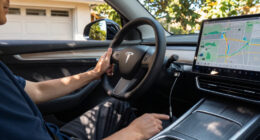
A clip is more useful when you can connect it to a particular time and place, so review whether a model lists GPS and how its app or viewer presents recorded information. Wi-Fi can make a clip easier to transfer, but a wireless connection does not by itself verify that the file is complete or unchanged. Learn how to lock an incident recording and export the original file before an event occurs. Keep a copy somewhere separate from the camera when footage may be needed later. Confirm the camera’s clock and time zone after installation or a long period without power. A simple retrieval routine can matter more than rarely used app features.
Plan storage and overwrite protection as part of the purchase
Loop recording normally reuses storage, so a valuable clip can be overwritten if it is not protected or copied in time. Included cards vary across this lineup: some bundles specify 128GB, one lists 64GB, another lists 32GB, and some descriptions do not state a card. Check the exact card requirements and whether the bundle includes a compatible card before counting on immediate recording. More channels can use storage faster because the camera is saving several streams at once. Consider how often you can review and offload footage, especially if the car is driven daily. Treat an included card as a starting point rather than a complete evidence-retention plan.
Account for installation, parking mode, and power needs
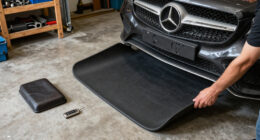
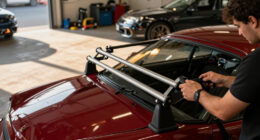
A camera that is poorly aimed may record the wrong part of an incident, even if its specifications look strong. Check whether rear or additional cameras need cables routed through the cabin and whether the mounting position interferes with the driver’s view. Parking monitoring can help capture events while the vehicle is unattended, but it may require a compatible hardwire kit or other power arrangement. Confirm what accessories are included instead of assuming every parking feature works straight out of the box. A simpler front-and-rear system can be the better choice if a multi-camera installation is likely to be incomplete. Make a brief test recording after installation and verify each view before relying on it.
Preserve footage with a consistent evidence routine
A dash cam recording is one piece of a claim file, not a substitute for notes, photographs, witness details, or official reports where appropriate. After an incident, save the relevant clip promptly and retain the original file rather than relying only on a compressed share or screen recording. Keep a record of when and how the clip was copied, and avoid editing the original. Check local rules and the camera maker’s guidance for audio recording and privacy, especially when cabin cameras are involved. Make sure date and time settings remain correct and that the camera is actually recording on routine drives. These habits help make footage easier to explain and less vulnerable to accidental loss.
Frequently Asked Questions
Is a front-only dash cam enough for a small claims dispute?
It may be enough when the key event occurs in front of your vehicle, but it cannot show what happened behind or beside you if those views matter. A rear camera can add context for rear-end incidents and some disputes about vehicle movement. A cabin camera is more relevant when events inside the car or passenger activity may matter. Choose coverage based on the likely point of disagreement, not simply the highest channel count. If you are unsure, front-and-rear recording is a balanced starting point for many drivers.
Does 4K footage guarantee that a license plate will be readable?
No. Resolution is only one part of plate readability; movement, distance, glare, darkness, focus, and exposure can all limit detail. A well-aimed camera with good light handling may produce more useful footage than a higher resolution camera positioned poorly. Check examples from the exact camera model in conditions like your commute, including night driving if that is common for you. Keep the lens clean and make a test recording after installation. Avoid treating any specification as a guarantee that every detail will be legible.
Can dash cam footage be used in small claims court?
Footage may help explain what happened, but rules and the weight given to recordings vary by location and case. A camera cannot guarantee that a court or insurer will accept a clip or view it as decisive. Preserve the original recording, keep relevant timestamps, and avoid edits that could raise questions about context. It can also help to retain related documents, photos, and notes rather than relying on video alone. Check local requirements or seek legal guidance if admissibility is a concern.
Should I choose a three-channel camera instead of front-and-rear?
Choose three channels when an interior view addresses a real need, such as documenting passenger activity or events in a vehicle used for work. For a driver mainly concerned with road incidents, a front-and-rear system often keeps installation and clip review simpler. Extra cameras can create more files and require careful positioning, while the interior view may record private conversations or people who have not expected to be filmed. Check local audio and privacy rules before enabling cabin recording. The best setup is the one whose views you can install correctly and use responsibly.
What should I do with a recording after an accident?
Save and protect the relevant recording as soon as it is safe to do so, since loop recording may eventually overwrite ordinary clips. Keep an unedited original and make a separate copy for sharing, along with a note of the date, time, and method of transfer. Do not rely only on a phone preview or a social-media upload as your retained evidence file. Keep related photos, incident details, and any reports together with the video. Follow local reporting rules and ask an appropriate professional if you are unsure how to submit the footage.
Conclusion
For the broadest evidence-focused balance in this lineup, I recommend the VIOFO A229 Pro as best overall, particularly for drivers who value front-and-rear capture and dual STARVIS 2 sensors. The ROVE R2-4K is my best value-oriented choice for buyers who want front-and-rear cameras and a listed 128GB card in the bundle; the 70mai A810 Lite is a strong pick for drivers who want app connectivity and a straightforward dual-camera setup. Beginners should start with a simpler front-and-rear option rather than a four-view system that takes more effort to install and check. For cabin coverage, I would look at the Vantrue N4S or the listed three-channel 70mai, while the 360 View 4-Channel best suits drivers who specifically need side views. Choose the setup that covers the likely dispute, then verify its timestamp, storage, and saved clips before relying on it.