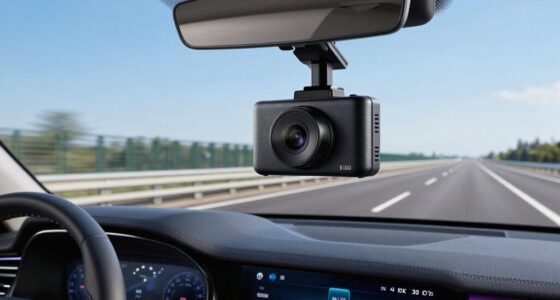
Choosing a dual channel dash cam with a supercapacitor means balancing coverage, video detail, and heat tolerance—not just counting camera channels. My strongest conventional front-and-rear pick is the ROVE R2-4K, which pairs a STARVIS 2 sensor with GPS and a 128GB card, though its advertised 4K front video is upscaled from 2.5K. For a ready-to-wire setup, the RexingUSA V1P includes a hardwire kit, while the BOTSLAB 4 Channel suits drivers who want views around the vehicle rather than only through the windscreen and rear glass.

Get business pricing on garage and car supplies
- Business-only prices and quantity discounts
- Tax-exempt purchasing
- Multiple users, one account, clear invoices
These options do not all record the same two views: some replace rear-window coverage with cabin footage, and two expand to four cameras. I compare them by how well their supercapacitor power design, recording layout, included equipment, and parking-mode requirements fit real buyer needs. The main tradeoff is straightforward: more coverage can mean a more involved installation, while a simpler dual-channel system may give clearer priorities and less setup work.
Complete the kit


Key Takeaways
- For a conventional front-and-rear setup with GPS and a 128GB card, the ROVE R2-4K is the most balanced pick, but its front 4K output is upscaled from 2.5K.
- The RexingUSA V1P is the clearest choice when an included hardwire kit matters; its supplied memory card is smaller at 32GB.
- BOTSLAB and the 360 View model use four cameras for broader exterior and cabin coverage, but they are not simple two-view front-and-rear systems.
- The 4K+2.5K cabin camera is better suited to rideshare recording than a conventional rear-facing camera, and its 32GB card may need upgrading.
- Supercapacitors support operation across temperature swings, but parking recording still depends on installation details; several models require a separate hardwire kit.
| ROVE R2-4K Dual Dash Cam with Front and Rear Cameras |  | Best Overall for Conventional Front-and-Rear Recording | Camera layout: Front and rear | Front video: 2.5K QHD upscaled to 4K | Rear video: 1080p Full HD | VIEW ON AMAZON | See Our Full Breakdown |
| RexingUSA V1P 4K Dual Dash Cam with 32GB Card and Hardwire Kit |  | Best Ready-to-Wire Pick for Parking Monitoring | Camera layout: Front and rear | Front recording: 4K at 30 FPS | Rear recording: 1080p | VIEW ON AMAZON | See Our Full Breakdown |
| BOTSLAB 4 Channel 360° Dash Cam with 128GB Card, Voice & App Control |  | Best for Broad Four-Camera Coverage | Camera channels: 4 | Video resolution: 3K (2160p, as listed) | Camera angles: 170° front; 120° each side; 150° rear | VIEW ON AMAZON | See Our Full Breakdown |
| 360° Dash Cam Front and Inside 4K+2.5K, 2 Channel Dashcam for Car |  | Best for Rideshare and Cabin Recording | Camera layout: Front and cabin | Recording resolution: 4K front; 2.5K interior | Lens angles: 146° front; 185° cabin | VIEW ON AMAZON | See Our Full Breakdown |
| 360 View 4 Channel Dash Cam with GPS, WiFi, Night Vision, 160° Wide Angle, WDR, Parking Mode, 128GB Card |  | Best Budget-Style Route to Four-Sided Coverage | Camera channels: 4 | Camera resolution: 1080p | Coverage: Front, rear, left, and right | VIEW ON AMAZON | See Our Full Breakdown |
| dual channel dash cam with supercapacitor | Included storage | Camera layout | Connectivity and location |
|---|---|---|---|
| ROVE R2-4K Dual Dash Cam with | 128GB microSD | Front and rear | Dual-band Wi-Fi; built-in GPS |
| RexingUSA V1P 4K Dual Dash Cam | 32GB microSD | Front and rear | — |
| BOTSLAB 4 Channel 360° Dash Ca | 128GB SD card | — | 5.8GHz Wi-Fi; built-in GPS |
| 360° Dash Cam Front and Inside | 32GB SD card | Front and cabin | Wi-Fi and GPS |
| 360 View 4 Channel Dash Cam wi | 128GB SD card | — | — |
More Details on Our Top Picks
ROVE R2-4K Dual Dash Cam with Front and Rear Cameras
The ROVE R2-4K is my leading choice for a driver who wants the familiar front-and-rear camera arrangement without moving up to a four-camera setup. It records the front at 2.5K QHD upscaled to 4K and the rear at 1080p. That distinction matters: the front output carries a 4K label, but the source resolution is not native 4K. Its Sony STARVIS 2 IMX675 sensor, F1.5 front aperture, HDR, and night-vision support give the front camera a more persuasive low-light specification than the product name alone would suggest.
Against the RexingUSA V1P, ROVE includes a much larger 128GB card and dual-band Wi-Fi, but Rexing includes a hardwire kit that ROVE buyers need to obtain separately for parking modes. The ROVE also adds built-in GPS to record route, location, and speed information. Its fast Wi-Fi and phone app can make retrieving a clip less cumbersome than handling the card directly. The built-in supercapacitor and thermal protection suit drivers seeking a camera built to manage temperature exposure.
The compromise is a package that is not fully parking-ready out of the box, plus a resolution claim that needs careful reading. Buyers expecting native 4K front recording should look elsewhere or reset that expectation. I rank it ahead of Rexing for its combination of sensor, GPS, connectivity, and included storage—not because it has the most complete installation bundle.
Pros:- STARVIS 2 front sensor with HDR and low-light features
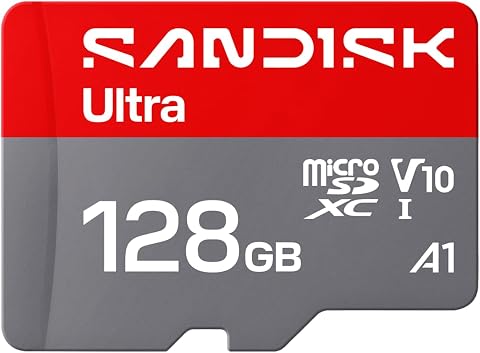
- 128GB microSD card included
- Built-in GPS records route and speed data
- Dual-band Wi-Fi supports phone transfers and settings access
Cons:- Front 4K output is upscaled from 2.5K
- Parking mode requires a separately purchased hardwire kit
- Rear footage is 1080p rather than the front camera’s higher output
Best for: Drivers wanting front-and-rear recording, GPS, quick phone transfers, and a generously sized included memory card.
Not ideal for: Buyers who require native 4K front capture or want a hardwire kit included for parking recording.
- Camera layout:Front and rear
- Front video:2.5K QHD upscaled to 4K
- Rear video:1080p Full HD
- Front sensor:Sony STARVIS 2 IMX675, 5MP
- Field of view:150° front; 140° rear
- Included storage:128GB microSD
- Connectivity and location:Dual-band Wi-Fi; built-in GPS
- Power and parking:Supercapacitor; parking modes require hardwire kit
Our verdict“I recommend the ROVE for a feature-rich, conventional two-camera setup, provided its upscaled front resolution and separate parking-mode wiring suit your expectations.”
RexingUSA V1P 4K Dual Dash Cam with 32GB Card and Hardwire Kit
RexingUSA makes the most practical case for buyers who want a front-and-rear dual camera and are already planning to wire parking monitoring. Its headline advantage over the ROVE is the included smart hardwire kit; connecting it is still a task, but the kit does not have to be sourced separately. The camera records front footage in 4K and rear footage in 1080p, with a 170-degree field of view and WDR to help manage variation in lighting.
The supercapacitor temperature rating is listed as -20 to 176°F, a useful detail for drivers dealing with hot or cold vehicle interiors. Wi-Fi app access provides a way to view and share recordings, and a G-sensor can support event protection. Rexing includes a 32GB card, however, which leaves less recording capacity than the ROVE’s supplied 128GB card. It supports cards up to 256GB, so owners can expand storage if the included capacity is too restrictive for their recording routine.
This pick is not the outright feature leader: it does not list built-in GPS, and its smaller starter card makes the package less generous for continuous recording. Compared with the ROVE, the Rexing’s advantage is installation equipment rather than a richer location-data or connectivity specification. Compared with the cabin-focused 360° 4K+2.5K model, it keeps the rear camera aimed at the road behind rather than the passenger area. I place it second because that clear, conventional layout plus the included hardwire kit will suit many drivers better than additional cabin coverage.
Pros:- Front 4K and rear 1080p recording
- Smart hardwire kit included for a parking-mode setup
- Supercapacitor rated for -20 to 176°F
- Wi-Fi app access and support for cards up to 256GB
Cons:- Included memory card is 32GB
- Rear recording is limited to 1080p
- Parking monitoring still requires connecting the hardwire kit
Best for: Drivers who want a conventional front-and-rear camera and value having a hardwire kit in the package.
Not ideal for: Buyers seeking built-in GPS, a large included memory card, or a rear cabin view for rideshare use.
- Camera layout:Front and rear
- Front recording:4K at 30 FPS
- Rear recording:1080p
- Field of view:170 degrees
- Included storage:32GB microSD
- Maximum storage:256GB
- Connectivity:Wi-Fi app access
- Power and parking:Supercapacitor; included hardwire kit
Our verdict“I would choose the Rexing over the ROVE when the included hardwire kit matters more than GPS and larger bundled storage.”
BOTSLAB 4 Channel 360° Dash Cam with 128GB Card, Voice & App Control
BOTSLAB is a different kind of pick from the ROVE and Rexing: it trades their straightforward front-and-rear arrangement for four-camera, 360-degree coverage. The listed layout includes a 170-degree front view, two 120-degree side cameras, and a 150-degree rear camera. That wider spread can help drivers who want more than road footage, including views alongside the vehicle. The product description also calls out 3K recording, night vision, voice control, and a 3.18-inch touchscreen.
It is better equipped for managing clips than the more basic four-camera option in this list. BOTSLAB includes a 128GB card, built-in GPS, and 5.8GHz Wi-Fi, while the 360 View model makes GPS optional and also lists a separately required hardwire kit. Voice and app controls give owners different ways to handle settings or footage, and the screen offers a direct on-device interface. A supercapacitor and stated operating range of -20°C to 70°C round out the heat-conscious design.
The wider system brings added complexity. Its parking mode requires a hardwire kit, Wi-Fi transfers are limited to a stated 3–5 meters, and there is no remote access outside the local network. A four-camera setup also asks more of a vehicle’s installation than a basic front-and-rear unit. I rank it below the conventional dual-channel leaders for buyers who simply want two views, but it is a stronger match than either when side coverage is the reason for shopping.
Pros:- Four cameras provide front, rear, and side coverage
- 128GB card, built-in GPS, and touchscreen included
- Voice control and app access offer flexible operation
- Supercapacitor with a stated -20°C to 70°C operating range
Cons:- Parking mode requires a hardwire kit
- Wi-Fi transfer range is limited to 3–5 meters
- No remote access beyond the local network
Best for: Drivers who want front, rear, and side views, plus built-in GPS and a touchscreen for local control.
Not ideal for: People seeking a simple two-camera installation, remote viewing, or parking monitoring without separate hardwiring.
- Camera channels:4
- Video resolution:3K (2160p, as listed)
- Camera angles:170° front; 120° each side; 150° rear
- Included storage:128GB SD card
- Display:3.18-inch touchscreen
- Connectivity and location:5.8GHz Wi-Fi; built-in GPS
- Parking mode:Available; requires hardwire kit
- Power and temperature:Supercapacitor; -20°C to 70°C
Our verdict“I recommend BOTSLAB when side-camera coverage is worth the extra installation complexity and local-only connectivity.”
360° Dash Cam Front and Inside 4K+2.5K, 2 Channel Dashcam for Car
This model’s two channels cover the road ahead and the vehicle interior, not the road behind. Its 4K front and 2.5K cabin recording, 146-degree front lens, and 185-degree cabin lens make it a more targeted option for rideshare drivers or anyone who needs a record of passenger-area activity. Infrared night vision and WDR are listed for challenging light, while Wi-Fi and GPS provide ways to access recordings and track route information.
Compared with the ROVE and Rexing, this camera devotes its second view to the cabin, sacrificing a dedicated rear-window image. That distinction can matter for documenting passengers but is a disadvantage for drivers who want evidence of traffic approaching from behind. It arrives with a 32GB SD card, supports cards up to 512GB, and lists parking mode, but the supplied information does not clarify whether a hardwire kit is included. Its supercapacitor temperature range is -22°F to 158°F.
The wide cabin lens can provide broad interior visibility, though the overall unit is described as bulky and setup may be more involved for less technical owners. The small included card is another reason to plan for expansion if frequent cabin recording is the goal. Compared with the four-camera BOTSLAB, it offers a simpler two-channel arrangement and higher stated front-and-cabin resolutions, but it cannot supply BOTSLAB’s side-camera coverage. I place it fourth because its role is valuable but narrower than a conventional dual-camera system for general road coverage.
Pros:- 4K front and 2.5K cabin recording
- 185-degree interior lens with infrared night vision and WDR
- Wi-Fi and GPS listed for clip access and route information
- Supports memory cards up to 512GB
Cons:- Second camera records the cabin rather than the road behind
- Only a 32GB card is included
- Bulkier design and potentially complex setup
Best for: Rideshare drivers and vehicle owners who need a detailed cabin view alongside forward road recording.
Not ideal for: Drivers who need a dedicated rear-window camera, a compact unit, or a clear out-of-box parking-wiring package.
- Camera layout:Front and cabin
- Recording resolution:4K front; 2.5K interior
- Lens angles:146° front; 185° cabin
- Night recording:Infrared with WDR
- Included storage:32GB SD card
- Maximum storage:512GB
- Connectivity and location:Wi-Fi and GPS
- Power and temperature:Supercapacitor; -22°F to 158°F
Our verdict“I would choose this model for cabin evidence, but not as my first pick for drivers who specifically need front-and-rear road coverage.”
360 View 4 Channel Dash Cam with GPS, WiFi, Night Vision, 160° Wide Angle, WDR, Parking Mode, 128GB Card
The 360 View system aims to record front, rear, left, and right with four 1080p cameras, giving it a broad coverage role like BOTSLAB’s rather than the conventional two-view layout of ROVE and Rexing. Night vision, WDR, eight infrared lights, and a 160-degree wide angle are listed to support visibility when light is poor. A 128GB card is included, and Wi-Fi with app support is intended to simplify footage management.
Its clearest comparison point is BOTSLAB. Both add side views and include 128GB storage, but BOTSLAB also lists built-in GPS, a touchscreen, and voice control. Here, GPS is optional and sold separately; the hardwire kit is also separate. That means the listed parking mode is not the same as having a ready-to-connect parking setup. Buyers choosing this model should account for those add-ons and be comfortable with a potentially more hands-on installation.
The product information gives less detail about the supercapacitor’s temperature performance and durability than the other options, so I would not choose it on thermal specifications alone. Its 1080p camera resolution also sits below the higher stated front resolutions of ROVE, Rexing, and the cabin-focused 4K+2.5K model. I rank it fifth because its coverage concept is useful, yet BOTSLAB presents a more complete four-camera package on the details provided. For a buyer who values 360-degree views and bundled storage above GPS and installation extras, this can still make sense.
Pros:- Four cameras record around the vehicle
- 128GB SD card included
- Night vision, WDR, and infrared lights listed
- Wi-Fi app support for managing and sharing footage
Cons:- GPS and hardwire kit are sold separately
- Camera resolution is listed as 1080p
- Limited product detail about supercapacitor durability
Best for: Drivers who want four-sided coverage and a 128GB card, and are prepared to add GPS or hardwiring if needed.
Not ideal for: Buyers who prioritize detailed footage, built-in GPS, or clearly specified supercapacitor temperature performance.
- Camera channels:4
- Camera resolution:1080p
- Coverage:Front, rear, left, and right
- Wide angle:160° listed
- Low-light features:Night vision, WDR, and 8 infrared lights
- Included storage:128GB SD card
- Connectivity and GPS:5GHz Wi-Fi; GPS optional and sold separately
- Parking setup:Parking mode listed; hardwire kit sold separately
Our verdict“I would shortlist this four-camera system only when broad coverage and included storage outweigh its lower detail and separate GPS and wiring needs.”

How We Picked
I ranked these products around the promise in this guide: multiple camera views backed by supercapacitor power protection. A dash cam can advertise an impressive resolution or a wide field of view, but those specifications only help if its camera layout matches what the driver needs to document. I gave priority to useful coverage, stated recording details, and practical ownership requirements rather than treating every model as interchangeable.
I also compared what comes in the box with what must be added. A memory card and hardwire kit can affect how close a camera is to being ready for daily use, while a kit that requires separate wiring may call for extra parts or installation help. Parking mode deserves particular attention: a listed parking feature does not by itself mean the camera can monitor a parked vehicle without a suitable power connection.
Finally, I weighed convenience and limitations together. GPS, app access, and included storage can simplify managing recordings, but they do not make lower-resolution footage or limited camera coverage disappear. When product details describe a feature differently—for example, upscaled rather than native 4K—I call that out directly. The ranking favors models with a clear role and a useful feature balance; it does not imply that every option is right for every vehicle.
| dual channel dash cam with supercapacitor | Camera layout |
|---|---|
| ROVE R2-4K Dual Dash Cam with | Front and rear |
| RexingUSA V1P 4K Dual Dash Cam | Front and rear |
| BOTSLAB 4 Channel 360° Dash Ca | — |
| 360° Dash Cam Front and Inside | Front and cabin |
| 360 View 4 Channel Dash Cam wi | — |
Factors to Consider When Choosing Dual Channel Dash Cam With Supercapacitor
I would start with the camera views you need, then check power and installation. Supercapacitor construction is one part of the decision, not a substitute for confirming video layout, storage, and parking-mode requirements.Decide whether your second view should face rearward or into the cabin
The ROVE and Rexing are the clearest choices for front-and-rear road recording. The 4K+2.5K model instead points its second camera into the cabin, which is useful for rideshare activity but leaves the rear road view uncovered. BOTSLAB and the 360 View model use four cameras to widen coverage around the vehicle. That extra reach can matter for side incidents, but it also adds installation and setup demands. Match the lens layout to the evidence you want before comparing resolution.
Read resolution claims alongside the sensor details
Resolution labels can be easy to overread. ROVE states that its front footage is 2.5K QHD upscaled to 4K, not native 4K. Rexing lists 4K front recording and 1080p rear recording, while the cabin model lists 4K front and 2.5K interior. The two four-camera options list broad coverage, but the 360 View model specifies 1080p. If identifying fine details matters to you, compare each camera’s resolution individually; a multi-camera count does not guarantee high detail on every view.
Treat the supercapacitor as a power-design feature, not a parking-mode guarantee
A supercapacitor is designed to handle temperature exposure differently from a conventional battery, which can matter when a dash cam stays in a vehicle through seasonal heat or cold. Check whether the manufacturer provides a clear operating range: Rexing and the cabin camera list ranges, as does BOTSLAB. The 360 View model offers less detail on this point. Also separate supercapacitor power protection from parked recording. ROVE and BOTSLAB require a hardwire kit for parking modes, Rexing includes one but still requires connection, and the other products should be checked for their exact wiring requirements before installation.
Compare what is included with what parking and recording will demand
Included storage changes how soon an upgrade may be needed. ROVE and both four-camera systems list 128GB cards, while Rexing and the cabin-focused model include 32GB cards. The supported maximum varies: Rexing lists 256GB, and the cabin model lists 512GB. A hardwire kit also changes the setup equation. Rexing bundles one; ROVE and BOTSLAB require a separate kit, and the 360 View model lists its kit as sold separately. Confirm card compatibility and parking-mode wiring before fitting the camera.
Choose connectivity for the way you actually retrieve footage
Wi-Fi and apps are mainly a convenience for finding and transferring clips nearby; they do not automatically mean remote camera access. ROVE lists dual-band Wi-Fi and fast downloads, while BOTSLAB specifies a short transfer range and no remote access outside the local network. GPS is built into ROVE and BOTSLAB, listed for the cabin unit, and optional for the 360 View model. Rexing lists Wi-Fi app access but not built-in GPS in the supplied specifications. Decide whether route data is important enough to make that a ranking factor for you.
Plan installation around camera count and vehicle layout
A two-camera front-and-rear package can be simpler to place than a four-camera setup with side views, but rear wiring still needs a clean route through the vehicle. The cabin camera avoids routing a rear-window camera cable, while its wide interior lens and larger body may affect placement and visibility. Four-channel products may call for more careful positioning and a suitable installation plan. If you are unsure about hardwiring or hiding multiple cables, check the installation instructions or arrange professional fitting before relying on parking recording.
Frequently Asked Questions
What does a supercapacitor do in a dash cam?
A supercapacitor stores a small amount of energy to help a dash cam finish tasks such as saving a recording when external power is interrupted. Manufacturers also specify them as a power component suited to vehicle temperature variation. That feature does not by itself confirm a specific operating range, recording quality, or parking-mode capability, so I check each model’s stated temperature details and power requirements separately.
Does a supercapacitor dash cam record while the car is parked?
Not automatically. Parking recording usually depends on the camera’s parking mode and a suitable power connection, often through a hardwire kit. The ROVE and BOTSLAB listings say a hardwire kit is required; Rexing includes a kit but it still needs to be connected. Check the exact package and wiring instructions for any model you are considering, and do not treat the presence of a supercapacitor as proof that parked recording is ready to use.
Which model here records the road behind the car?
The ROVE R2-4K and RexingUSA V1P are described as conventional front-and-rear dash cams, with rear resolutions of 1080p. The BOTSLAB and 360 View models have four-camera layouts that include a rear camera along with additional side views. The 4K+2.5K model is the exception among the dual-view options: its second camera faces the cabin, so it is a better match for interior recording than for a dedicated rear-window view.
Is the ROVE R2-4K’s front recording native 4K?
No. The supplied specification describes its front video as 2.5K QHD upscaled to 4K. Its STARVIS 2 sensor, HDR, and front aperture are separate considerations when judging its low-light and image details. Buyers who specifically require a listing for native 4K should distinguish that requirement from an upscaled output label when comparing it with the other cameras.
Which dash cam is best for rideshare drivers?
The 4K front and 2.5K interior camera is the most directly aimed at rideshare use because it records the cabin through a wide 185-degree lens and lists infrared night vision. It does not provide a dedicated rear road camera, so it is not the best choice if documenting traffic behind the vehicle is the priority. BOTSLAB offers more overall directions of coverage, but its four-camera configuration has a different installation and recording focus.
Conclusion
For most drivers who want a conventional front-and-rear supercapacitor dash cam, I recommend the ROVE R2-4K for its sensor, GPS, Wi-Fi, and included 128GB card—so long as upscaled front 4K and a separately sourced hardwire kit are acceptable. Choose the RexingUSA V1P instead if having the hardwire kit in the package matters more than GPS or larger bundled storage. Rideshare drivers should look at the 4K+2.5K cabin camera, while anyone seeking side views should compare BOTSLAB’s better-specified four-camera package with the 360 View model’s simpler but less detailed listed specification.
I would skip four-camera coverage if two road-facing views are all you need, and I would not buy the cabin model expecting rear-window footage. Before installation, confirm memory-card capacity, parking-mode wiring, camera placement, and temperature specifications. Those practical details decide whether the system fits your vehicle better than resolution labels alone.