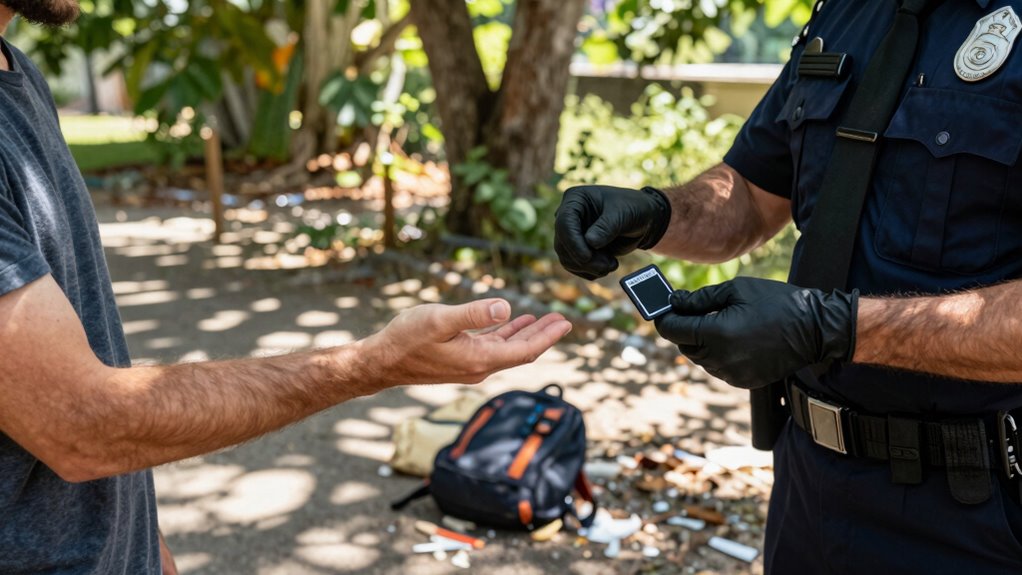

You should think twice before handing over your SD card at the scene. Law enforcement may need a warrant to access your digital data, and rushing to give it up could weaken your legal rights. If you hand it over without proper documentation, the evidence could be challenged later. Knowing your rights, how to protect your privacy, and proper procedures can make a big difference—continue exploring to learn what steps you should take.
Key Takeaways
- Law enforcement typically needs a warrant to access or search your SD card legally.
- Handing over your SD card without documentation risks tampering and weakens legal protections.
- Proper chain-of-custody procedures and forensic imaging preserve evidence integrity.
- Protect your privacy by encrypting data and limiting access before handing over the SD card.
- Seek legal advice if authorities request your SD card to challenge warrantless seizures or misconduct.
Understanding Your Rights and Law Enforcement Powers
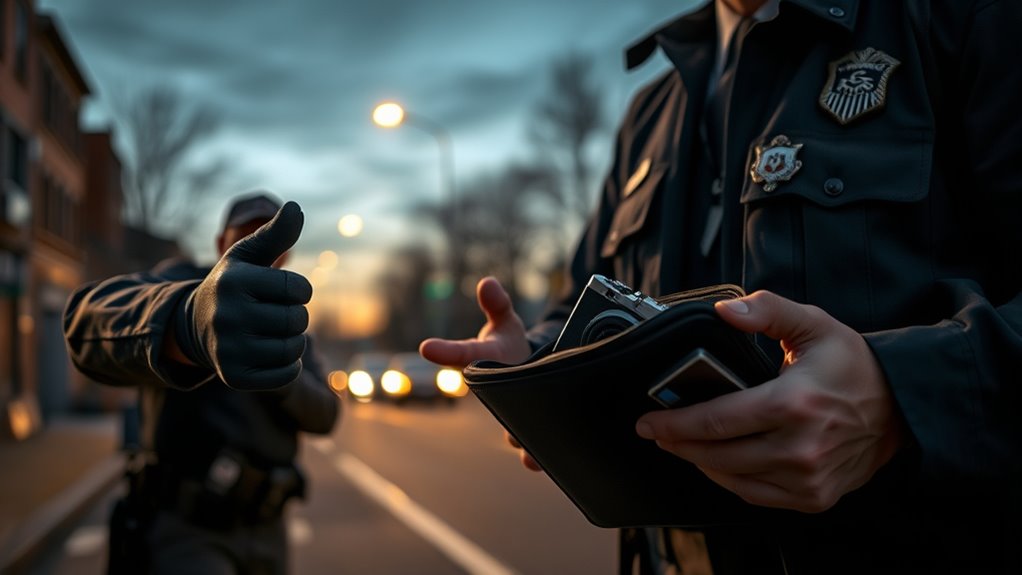
Understanding your rights and law enforcement powers at the scene is essential because knowing what officers can and cannot do helps you make informed decisions. Under the Fourth Amendment, digital devices like SD cards are protected from unreasonable searches and seizures, usually requiring a warrant based on probable cause. Mere suspicion or an officer’s request isn’t enough to force you to surrender data unless exigent circumstances exist, such as imminent evidence destruction. Courts increasingly treat digital content as highly private, offering stronger protections. Officers can seize physical devices if they have probable cause or lawful arrest authority, but searching or copying data typically needs a warrant. Remember, you have the right to ask for legal guidance and to clarify the authority being used before surrendering your SD card. Understanding digital privacy rights is crucial in these situations to ensure your rights are protected. Additionally, being aware of law enforcement powers related to digital evidence can help you navigate interactions more confidently. Recognizing the importance of digital evidence protections can also influence how you respond during such encounters. Being aware of search and seizure laws related to digital data helps reinforce your ability to defend your rights effectively.
The Risks of Immediate Surrender Without Proper Documentation
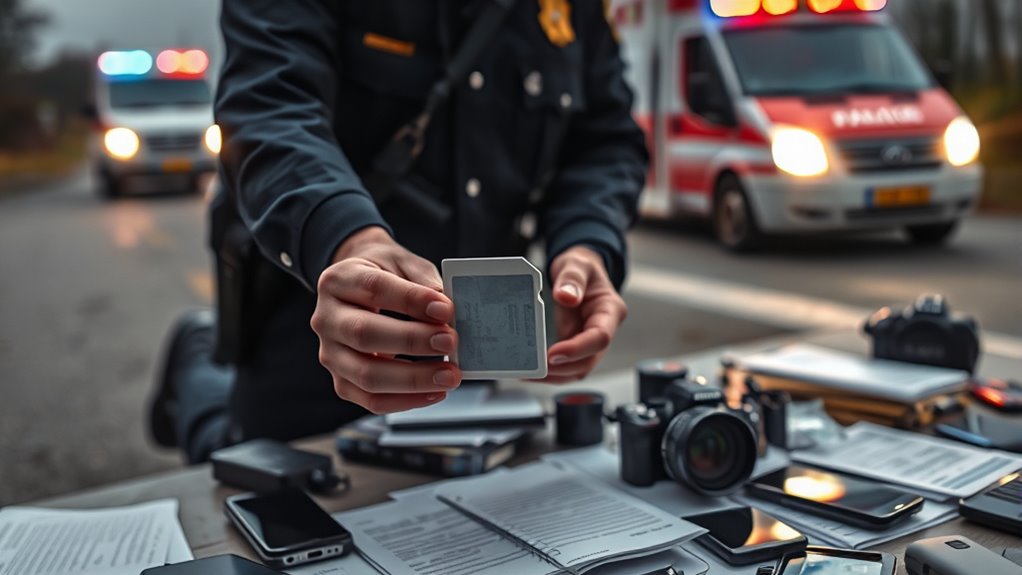
Surrendering your SD card immediately at the scene without proper documentation can open the door to significant risks that may jeopardize your rights and the integrity of the evidence. Without a documented chain of custody, your evidence could be challenged in court as contaminated or tampered with, especially if there’s no written receipt or inventory. An informal, verbal transfer leaves no timestamp, complicating forensic timelines later. Multiple officers handling the device without sign-offs increases internal disputes over who accessed it and when. Additionally, failure to record device identifiers or take photos of its condition makes it harder to prove authenticity. Rushing surrender also risks accidental data alteration through improper handling or environmental damage, undermining the evidentiary value and potentially weakening your legal position. Proper evidence procedures emphasize the importance of proper documentation to safeguard your rights, and understanding the chain of custody process can help ensure your evidence is preserved correctly. Moreover, implementing standardized protocols can significantly reduce the risk of errors during evidence collection. Ensuring that all handling and transfer steps are documented can also prevent unauthorized access and protect against claims of tampering.
How Seizure and Search Laws Apply to Digital Storage Devices
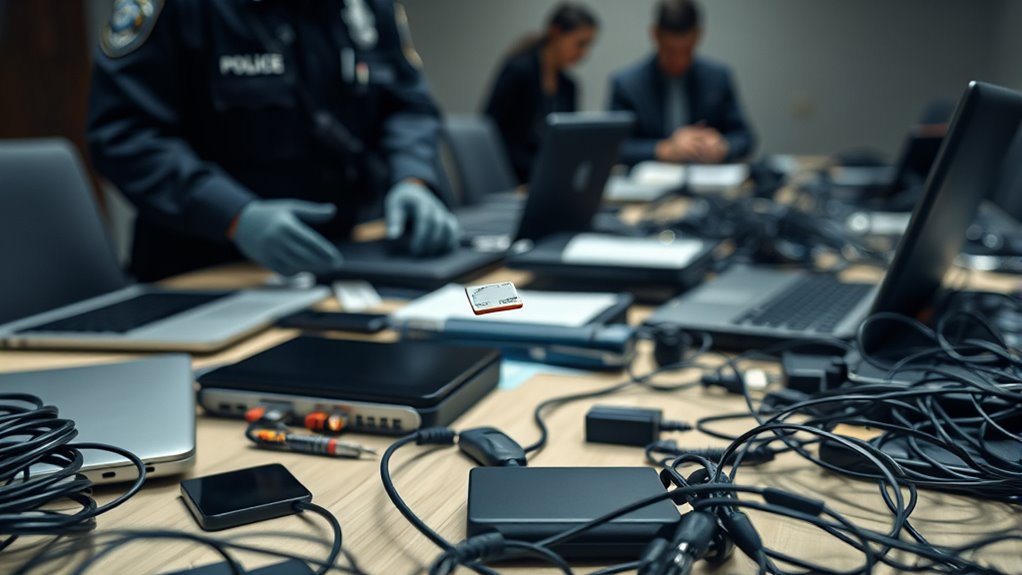
Have you ever wondered how laws governing searches and seizures apply to digital storage devices like SD cards, USB drives, or laptops? When authorities want to seize these devices, they generally need a warrant showing probable cause that your device contains evidence. The warrant must specify what items they’re looking for and where they expect to find them; broad warrants can face legal challenges. Under Rule 41, officers can seize or copy the entire storage medium for later forensic review, often within a specified timeframe. The Fourth Amendment protects your privacy, meaning warrantless searches are limited, especially for devices like smartphones and laptops. Authorities must balance their need for evidence against your privacy rights, ensuring any seizure or search is reasonable and justified. Additionally, understanding digital forensics can help you grasp how authorities analyze seized devices and the importance of preserving digital evidence properly. Proper evidence handling, including the use of forensic imaging, is critical for maintaining the integrity of digital data and ensuring a fair legal process. Knowing the legal standards for search warrants is essential to understanding when and how law enforcement can lawfully access your digital data. Familiarity with digital evidence preservation can also prevent the accidental destruction or alteration of critical information during investigations. It is also important to remember that digital evidence collection must be conducted with care to avoid contamination or tampering, which could compromise the case.
Protecting Your Privacy and Avoiding Unintended Data Exposure

Protecting your privacy when handling SD cards requires careful attention because their small size makes them easy to lose or steal, putting sensitive data at risk. Many second-hand SD cards contain personal files like intimate photos, passport scans, or contact info, which thieves or careless handlers can access without encryption. Lost cards from devices like satnavs can reveal your home address and routes, exposing you to danger. Inappropriate security measures, such as unencrypted data or discarded cards, increase the chance of unauthorized access. Personal data like emails, credit PINs, or criminal evidence stored on SD cards can be leaked or misused. To protect yourself, always encrypt sensitive files, use strong passwords, and avoid handing over unprotected cards to strangers or authorities without proper safeguards. Encryption technologies provide a robust layer of protection that can prevent unauthorized access even if the physical device is compromised. Additionally, understanding how data is stored and the importance of secure data management can help you make better choices when handling storage devices. Being aware of data security practices can further reduce the risk of data breaches and ensure your personal information remains safe. Implementing proper disposal methods for old or damaged SD cards is also crucial to prevent data recovery by unauthorized individuals. Familiarizing yourself with data recovery risks can help you understand the potential dangers of improper disposal and storage. Moreover, employing hardware encryption can add an extra level of security to protect sensitive information from unauthorized access.
Ensuring Evidence Integrity and Chain-of-Custody Procedures
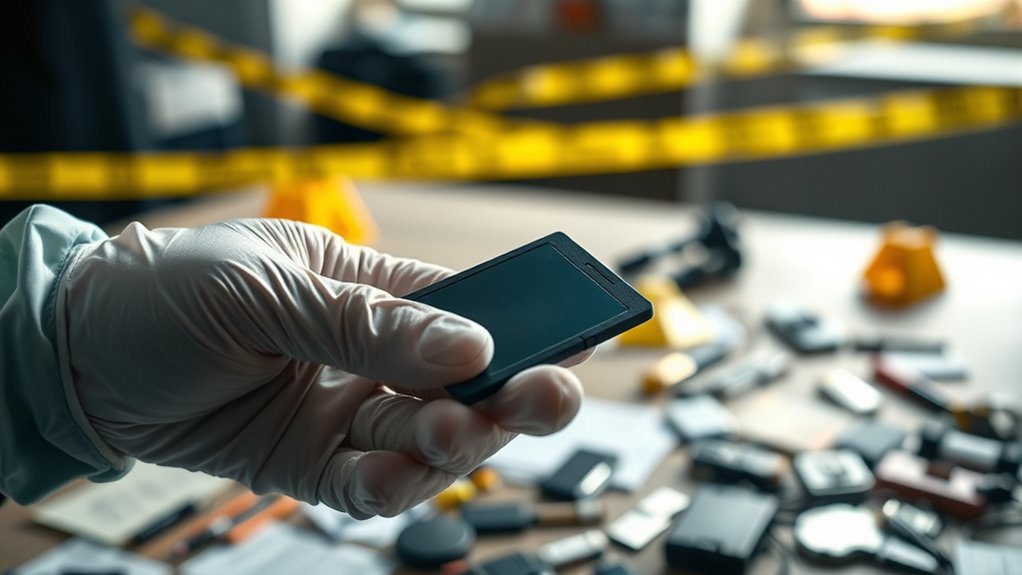
Handling SD cards carefully at a scene is vital to maintaining evidence integrity. You should treat digital media as original evidence, storing it securely with proper labeling, unique identifiers, and tamper-evident packaging to prevent misidentification or tampering. Record every transfer’s date, time, handler’s identity, and reason for custody changes to establish a clear chain-of-custody. Use hardware write-blockers and forensic imaging tools promptly to create exact copies, preserving the original media’s integrity. Avoid multiple untracked persons accessing the device, and document all handling thoroughly. Implementing chain-of-custody procedures ensures accountability and traceability throughout the investigation. Proper documentation and evidence management are crucial for maintaining the credibility of digital evidence. Store evidence in secure, access-controlled facilities until analysis. Maintaining detailed, accurate records and proper storage conditions guarantees the evidence remains admissible and uncompromised throughout the investigation process. Establishing a documented chain of custody is essential to prove the integrity of digital evidence in court. Additionally, understanding the importance of forensic procedures can help prevent inadvertent contamination or loss of data during handling.
Practical Steps to Take During Interaction With Authorities

During interactions with authorities, staying calm and composed can considerably reduce the risk of escalation. Keep your tone neutral and avoid sudden movements, as visible hands and controlled behavior lower perceived threats. Verbally comply with lawful requests, like showing your license, but reserve your rights when necessary. Ask clear questions about authority, such as “Am I free to go?” or “Do you have a warrant?” to prevent misunderstandings. If you feel unsafe, request to move to a public, well-lit area or ask for a supervising officer or recording. Remember to invoke your rights explicitly—state your intention to remain silent or to have an attorney present. Always document the interaction by noting badge numbers and requesting a written inventory if your device is seized. Understanding the scope of police violence, over 600 individuals are killed annually by law enforcement in the U.S., which underscores the importance of protecting your rights during police encounters. Additionally, being aware of your legal rights can help you navigate these situations more confidently. Knowing how to protect your rights can also provide crucial support if the situation escalates unexpectedly. Being informed about law enforcement practices can further empower you to respond appropriately in tense situations. Staying informed about law enforcement procedures can help you recognize when authority overreach occurs and respond accordingly.
When and Why to Seek Legal Advice Before Handing Over Your SD Card

Knowing when to seek legal advice before handing over your SD card can make a significant difference in safeguarding your rights. If authorities want your device without a warrant, consider your rights carefully. A new sentence with resale value and the rest of the sentence. Here’s when you should consult an attorney:
| Situation | Reason |
|---|---|
| Warrantless seizure without probable cause | To challenge the legality and protect your Fourth Amendment rights. |
| Lawful view of incriminating evidence | To determine if police exceeded legal limits or violated your rights. |
| Suspected data transfer or tampering | To prevent unlawful searches or data manipulation. |
| Threat of prolonged seizure or search | To ensure policies and exigent circumstances are properly applied. |
| During arrest without clear consent | To assert your right to decline and avoid unwarranted data access. |
Seeking legal advice helps you understand your rights and potentially prevent unlawful searches or evidence suppression.
Frequently Asked Questions
Can Law Enforcement Seize My SD Card Without a Warrant?
Law enforcement can seize your SD card without a warrant if they operate under the plain view doctrine, meaning they’re lawfully present and the evidence is immediately apparent as related to a crime. If they suspect the SD card contains evidence and meet criteria like lawful access and incriminating character, they can seize it. However, in many cases, especially involving digital data, a warrant is required unless specific exceptions apply.
Do I Have to Give My SD Card if Asked at a Scene?
Think of your SD card as a personal diary; you’re not required to hand it over if asked. You have the right to refuse unless officers have a warrant or legal reason. Politely ask if they’re obtaining a warrant or supervisor approval. Consider offering a copy instead of surrendering the original. Stay calm, document the situation, and remember, asserting your rights can help protect your digital privacy.
What Are My Rights if the SD Card Contains Personal Data?
If your SD card contains personal data, you have a right to privacy under the Fourth Amendment. Law enforcement must follow proper procedures, like obtaining a warrant that specifies the data they seek. You aren’t required to voluntarily hand over the card, especially if it contains sensitive information. If they seize it lawfully, they can only access and review data within the scope of the warrant, protecting your personal rights.
Is It Legal to Refuse Law Enforcement’s Request for My SD Card?
Yes, you can refuse law enforcement’s request for your SD card. You have the right to clearly state that you do not consent to a search or seizure. While refusing doesn’t prevent them from attempting to seize it, expressing your refusal and requesting a warrant can protect your rights. Always remain calm, comply with lawful commands, and document your refusal for future legal review.
How Can I Protect My Data During an Emergency Seizure?
You can protect your data during an emergency seizure by ensuring your SD card is encrypted with strong methods like AES-256 or built-in device encryption. Keep your encryption keys secure and separate from the device. Store your SD card in a safe, secure location, and document its chain of custody. Avoid tampering or altering data, and cooperate with authorities only within legal limits to safeguard your rights.
Conclusion
Before handing over your SD card, remember that nearly 70% of digital searches are challenged in court, highlighting the importance of understanding your rights. You should consider seeking legal advice to protect your privacy and ensure proper procedures are followed. Don’t rush to surrender your device without knowing the implications—taking a moment to be informed can make all the difference in safeguarding your digital rights and maintaining evidence integrity.