
TL;DR

Get business pricing on garage and car supplies
- Business-only prices and quantity discounts
- Tax-exempt purchasing
- Multiple users, one account, clear invoices
A well-chosen automotive tool set offers the right coverage, quality, and drive sizes for your vehicle. Focus on essential tools, durability, and proper storage to make repairs safer and easier.
Prioritize quality over sheer piece count—well-made tools last longer and perform better.
Match drive sizes to your typical repair tasks: 1/4-inch for tight spaces, 3/8-inch for general work, 1/2-inch for high-torque jobs.
Impact-rated sockets are essential for safety and durability with impact wrenches; chrome sockets are for manual use only.
Always verify vehicle-specific needs—certain fasteners require special tools or bits.
Invest in proper safety gear—jack stands, gloves, glasses—to keep repairs safe and effective.
What Makes a Good Automotive Tool Set? Focus on Practical Coverage and Quality
When shopping for an automotive tool set, coverage and quality top the list. A good set should include metric sockets (8–19 mm), ratchets in 1/4-inch and 3/8-inch drives, and a breaker bar or 1/2-inch drive ratchet for high-torque jobs. Picture working on your car’s suspension—having the right deep and shallow sockets makes the job smoother. Impact sockets should be impact-rated, made from tougher alloys, and clearly marked. Quality tools last longer, perform better, and reduce the risk of stripping fasteners.
Choosing a tool set with balanced size ranges ensures you have the right tool for the job without excess. For instance, a comprehensive set that covers from small fasteners to large bolts prevents you from hunting for additional tools mid-repair. Durability is key—cheap tools may seem economical upfront but often fail during critical moments, causing delays or damage. Additionally, check if the brand offers replacement parts and warranty support. These features indicate a manufacturer’s confidence in their tools and provide peace of mind, especially for professional use or long-term investments.
As an affiliate, we earn on qualifying purchases.
Drive Sizes and Their Jobs: Why 1/4, 3/8, and 1/2 Inch Matter
Each drive size serves a specific purpose, and understanding these distinctions helps you select tools that are both effective and safe. 1/4-inch drives are typically used for small fasteners, interior panels, or delicate components because they provide precision and reduce the risk of overtightening. Using a 1/4-inch drive on large, high-torque fasteners can lead to slipping or stripped fasteners, which compromises safety and repair integrity.
Conversely, 3/8-inch drives are the most versatile—suitable for most engine bay tasks, including oil filter changes, removing spark plugs, and general repairs. They strike a balance between torque capacity and maneuverability, making them the go-to choice for many DIYers and professionals. 1/2-inch drives are designed for heavy-duty applications, such as removing wheels, suspension bolts, or large fasteners. Using the correct drive size prevents over-stressing your tools, reduces the likelihood of damaging fasteners, and ensures safety during high-torque tasks.
Choosing the right drive size isn’t just about convenience—it directly impacts the safety, durability, and effectiveness of your repairs. Many mechanics use adapters to convert between sizes, but this can introduce stress points and reduce tool lifespan if overused. Therefore, investing in a set with multiple drive sizes or high-quality adapters ensures you’re prepared for a variety of tasks without compromising safety or tool longevity.
As an affiliate, we earn on qualifying purchases.
Impact Sockets vs. Chrome Sockets: When to Use Them
Impact sockets and chrome sockets serve different purposes, and using them correctly is crucial for safety and durability. Impact sockets are manufactured from tougher alloys, such as chrome-molybdenum, and feature thicker walls to withstand the high torque and shock loads from impact wrenches. Their design prevents cracking or shattering under extreme force, making them indispensable for tasks like lug nut removal or suspension work where impact tools are common.
Chrome sockets, on the other hand, are made from chrome-vanadium steel and are intended for hand use. They are lighter, more precise, and provide a smoother finish, which is ideal for delicate tasks or situations where impact tools aren’t used. However, using chrome sockets with impact wrenches is dangerous—they can crack or shatter, risking injury or damage to your tools. Their thinner walls and softer alloy aren’t designed to handle shock loads, so always reserve chrome sockets for manual use.
Always look for socket markings: impact sockets are stamped “impact rated” or similar. Investing in impact-rated sockets for heavy-duty jobs enhances safety, extends tool life, and ensures reliable performance. Using the correct socket type for the job not only protects your tools but also maintains the safety and integrity of your repairs.
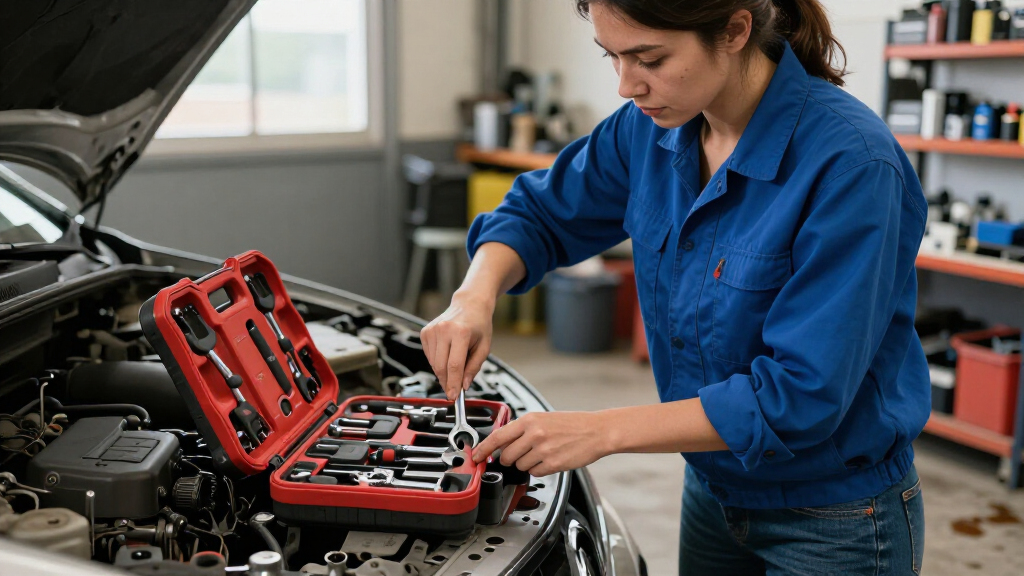
mechanic tool set with drive sizes
As an affiliate, we earn on qualifying purchases.
As an affiliate, we earn on qualifying purchases.
How to Use a Torque Wrench Without Breaking Fasteners
- Identify the manufacturer’s specified torque for your fastener—found in the vehicle’s manual. Understanding the correct torque is essential because over-tightening can strip threads or warp components, while under-tightening may cause parts to loosen, risking failure and safety issues.
- Set your torque wrench to the correct value, ensuring it’s properly calibrated. Proper calibration is vital; a miscalibrated wrench can give false readings, leading to improper tightening that may compromise safety or durability.
- Apply steady, even pressure—avoid sudden jerks or over-tightening. Consistent force ensures the torque is evenly distributed, preventing damage and ensuring fasteners are tightened to specifications.
- Finish by tightening just past the click or indicator, then stop. This slight over-torque might be necessary to account for tool calibration tolerances, but exceeding the recommended torque can break fasteners or damage parts.
- Store your torque wrench properly—usually in a way that prevents it from losing calibration, such as hanging it or laying it flat in a case. Proper storage maintains accuracy over time, saving you from costly recalibrations or inaccurate torque application.
Imagine installing new brake rotors—tightening bolts too loose leads to vibrations and uneven wear; too tight risks stripping threads or cracking the rotor. Using a torque wrench ensures each fastener is tightened within the manufacturer’s safe limits, preserving the integrity of critical components and preventing costly repairs or safety hazards. Proper torque application is a small step that yields big benefits in reliability and safety.
As an affiliate, we earn on qualifying purchases.
Vehicle-Specific Tools: Why One Size Doesn’t Fit All
Before buying a set, it’s crucial to assess your vehicle’s specific fastener types and sizes. European cars, such as BMWs or Mercedes-Benz, often use Torx or triple-square fasteners, which require specialized bits and sockets to avoid stripping or damaging the fasteners. American vehicles tend to use more standard metric fasteners, but even then, some models incorporate security screws or fasteners with unique head designs that demand specific tools. For example, a 2010 Toyota Camry generally uses standard metric sockets, but a Honda Civic might have security screws that require special bits.
Research your vehicle’s service manual or online forums to identify any unusual fastener types or sizes. Buying a set that includes vehicle-specific tools, such as security bit sets or specialty sockets, can save you time and frustration. It also prevents damage to fasteners that can occur from using improper tools, which might lead to costly repairs or the need for replacement parts.
Having the right tools tailored to your vehicle’s fasteners ensures efficient repairs, reduces the risk of damage, and prolongs the lifespan of both your vehicle and your tools. It’s a small investment that pays off in smoother, safer maintenance and repair experiences.
Material Matters: What Your Tools Are Made Of
Quality hand tools are typically made from chrome-vanadium steel, which offers a good balance of strength, toughness, and corrosion resistance. Impact sockets are often constructed from chrome-molybdenum alloys—these materials are specifically designed to withstand the shock loads associated with impact wrenches. The material choice directly impacts the durability and safety of your tools, especially under high-stress conditions.
Choosing tools with finishes that resist rust, such as black oxide or chrome plating, extends their lifespan and maintains performance. For example, a cheap socket set might look shiny initially but can chip, rust, or deform quickly under use, whereas high-quality tools stay smooth, resistant, and reliable over years of service. Steel labels alone don’t tell the full story; ask about manufacturing processes, heat treatment, and manufacturing tolerances, as these factors influence how well tools perform under stress.
Investing in tools made from high-grade materials ensures fewer breakages, safer repairs, and a better overall experience. Material quality isn’t just about longevity—it’s about safety, precision, and confidence in the tools you rely on.
Organizing Your Tools: Why Storage Is Key
Proper storage of your tools isn’t just about neatness—it directly affects your safety, efficiency, and the longevity of your tools. A well-organized toolbox or case allows you to quickly find the right tool, reducing time spent searching and minimizing the risk of using the wrong or damaged tools. For roadside emergencies, a compact, rugged case with labeled compartments ensures that essential tools are protected from the elements and are readily accessible when needed.
In a workshop setting, a sturdy metal chest with foam inserts or labeled drawers helps keep tools in place, prevents loss, and reduces clutter. For example, missing a 14 mm socket during a brake job can lead to delays or the use of improper substitutes, which may damage fasteners or compromise safety. Good storage also extends the lifespan of your tools by preventing unnecessary impacts or corrosion.
Investing in quality storage solutions and maintaining them regularly ensures your tools stay organized, accessible, and in good condition. This not only saves time but significantly improves safety during repairs, making every project more manageable and less stressful.
Safety Gear: The Hidden Part of a Complete System
Tools alone are not enough to keep you safe during automotive repairs. Proper safety gear acts as a vital barrier against common hazards. For example, wheel chocks prevent accidental vehicle movement, and jack stands provide stable support when working under the car—hydraulic jacks alone are unsafe for long-term support. Wearing safety glasses shields your eyes from debris, and gloves protect your hands from cuts, burns, and chemicals. These safety measures are essential regardless of whether you’re a DIYer or a professional.
Additional safety equipment, such as proper lighting, fire extinguishers, and vehicle-specific safety instructions, further reduce risks. Think of safety gear as the armor that safeguards you from injury and ensures that your focus remains on the task, not on potential hazards. Using quality safety equipment correctly is a simple yet critical step that can prevent accidents, save lives, and avoid costly medical bills or repairs caused by avoidable injuries.
Market Trends: What’s New in Automotive Tools?
Modern automotive tools incorporate advanced technology to enhance performance, safety, and convenience. Cordless impact wrenches and ratchets now feature brushless motors and high-capacity batteries, delivering increased torque with less weight and longer runtime. For example, a cordless impact wrench capable of 300 ft-lb torque allows you to perform wheel removals or suspension work quickly without being tethered to a power source, increasing mobility and safety.
Digital torque wrenches with programmable alerts ensure precise tightening, reducing the risk of over- or under-tightening fasteners—crucial for safety-critical components like brakes and engine parts. The industry’s shift toward electric vehicle-specific tools includes insulated high-voltage equipment, which enables technicians to work safely on EVs without risking electric shock.
Organizational innovations such as modular cases with digital record-keeping help shops and serious DIYers manage their tool inventories more efficiently, reducing downtime and lost tools. These trends reflect a broader focus on safety, precision, and productivity, making automotive repairs faster, safer, and more reliable than ever before.
Avoid Common Mistakes When Buying Automotive Tools
- Choosing the highest piece count over useful coverage. A large set with many duplicate or low-quality tools can be more frustrating than helpful. Focus on selecting a set that covers your core repair needs with quality tools, then expand as necessary.
- Buying sets with skipped sizes or missing critical tools. Gaps in your set can leave you unprepared for common tasks, forcing you to buy individual pieces at higher cost or improvise, which risks damage or injury.
- Assuming all sets include a torque wrench. Not all kits come with one, and having a dedicated, properly calibrated torque wrench is essential for many repairs—skipping this can lead to dangerous over- or under-tightening.
- Using chrome sockets with impact tools. Chrome sockets are softer and can crack under shock loads, risking injury and damaging fasteners. Always use impact-rated sockets with impact wrenches for safety and durability.
- Overlooking vehicle-specific needs like security bits or special fasteners. Ignoring these can make repairs impossible or damage fasteners, leading to costly repairs or the need for specialized tools later.
Many beginners fall into these traps, wasting money and time. The secret is to buy tools that are purpose-built, high-quality, and tailored to your vehicle’s needs. This strategic approach saves money, improves safety, and ensures your tools are reliable when you need them most.
Your Most Asked Questions About Automotive Tool Sets
What tools should every car owner have? Basic sockets, wrenches, screwdrivers, a tire-pressure gauge, flashlight, gloves, and emergency roadside gear like jumper cables. These cover most minor repairs and roadside emergencies, giving you confidence and independence.
Is a 3/8-inch set the best starting point? Yes, it’s versatile enough for most tasks. Adding a 1/4-inch set helps with tight spaces, while a 1/2-inch set is useful for high-torque applications like wheels and suspension.
Do I need a torque wrench? Absolutely—especially for critical fasteners like wheels, brakes, and engine components. Proper torque prevents fastener damage and safety hazards, making it a must-have for responsible maintenance.
Are impact sockets safe for impact wrenches? Yes, but only impact-rated sockets. Using chrome sockets with impact tools is risky—they can crack or shatter under shock loads, leading to injury and damage.
Can I use regular sockets with impact tools? No. Impact sockets are specifically designed to withstand shock and should always be used with impact wrenches for safety and durability.
Frequently Asked Questions
What’s the most essential tool for a beginner car owner?
A reliable set of metric sockets and wrenches, a good flashlight, and a tire-pressure gauge are the basics. These tools cover most minor repairs and emergency fixes, giving you confidence on the road.
Should I buy a large set or pick tools individually?
A well-chosen, smaller set provides better coverage and quality than an oversized, cheap kit. Supplement it with vehicle-specific tools over time to fill gaps without wasting money on unnecessary pieces.
Are cordless impact wrenches worth it?
Yes, especially with advances in brushless motors and batteries. They offer high torque in a compact form, making wheel and suspension work faster and less tiring.
What safety gear is non-negotiable?
Always use properly rated jack stands, safety glasses, gloves, and wheel chocks. These protect you from accidents and ensure your repairs are safe and effective.
Conclusion
Choosing the right automotive tool set isn’t about filling every corner of your garage or trunk. It’s about selecting a handful of durable, versatile, and vehicle-compatible tools that do the job safely. Think of your tool kit as an extension of your confidence—well-organized, quality-driven, ready for anything. When you have the right tools, even roadside emergencies or complex repairs become manageable, turning frustration into satisfaction.Halloween Picks
halloween
As an affiliate, we earn on qualifying purchases.