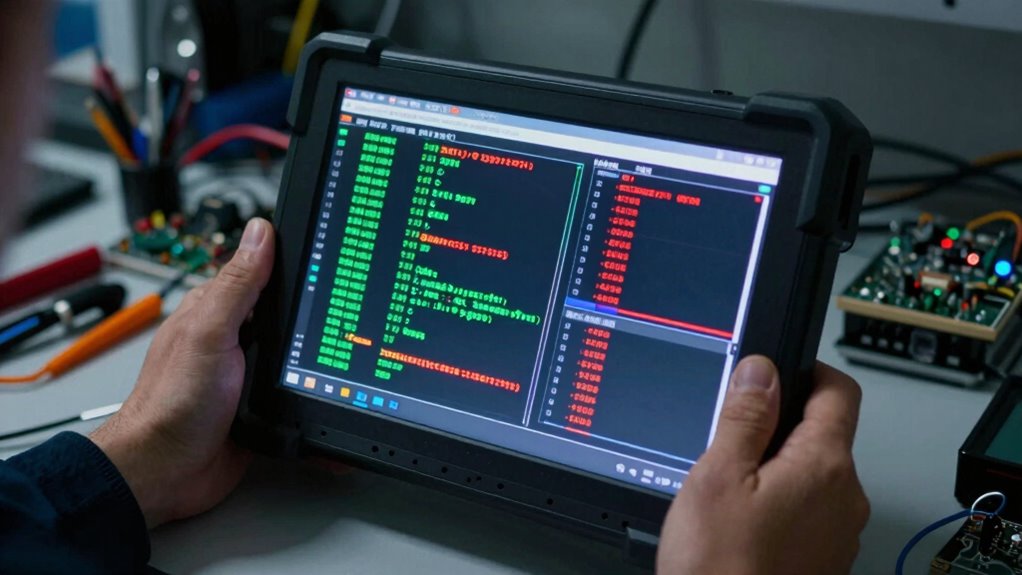
Clearing codes too quickly prevents your vehicle’s systems from completing important reset and adaptive cycles, which are essential for accurate diagnosis. When you do this, you disrupt sensor calibration, cause false warning signs, and hinder self-tests, making it harder to identify real issues. This can lead to incorrect repairs and poor emissions performance. If you want to understand how proper diagnostics work and avoid these problems, keep going for more details.
Open a free Amazon Business account
Business pricing, bulk buying and tax-exempt orders.
As an affiliate, we earn on qualifying purchases.
Key Takeaways
- Premature code clearing prevents systems from completing calibration and adaptive cycles needed for accurate diagnostics.
- It disrupts sensor calibration, leading to inaccurate readings and potential misdiagnosis.
- Rapid resets hinder emissions self-tests, masking underlying issues and risking non-compliance.
- Early resets stop the Powertrain Control Module from learning optimal fuel trims and performance adjustments.
- Skipping proper diagnostic procedures increases the likelihood of unresolved problems and future diagnostic difficulties.
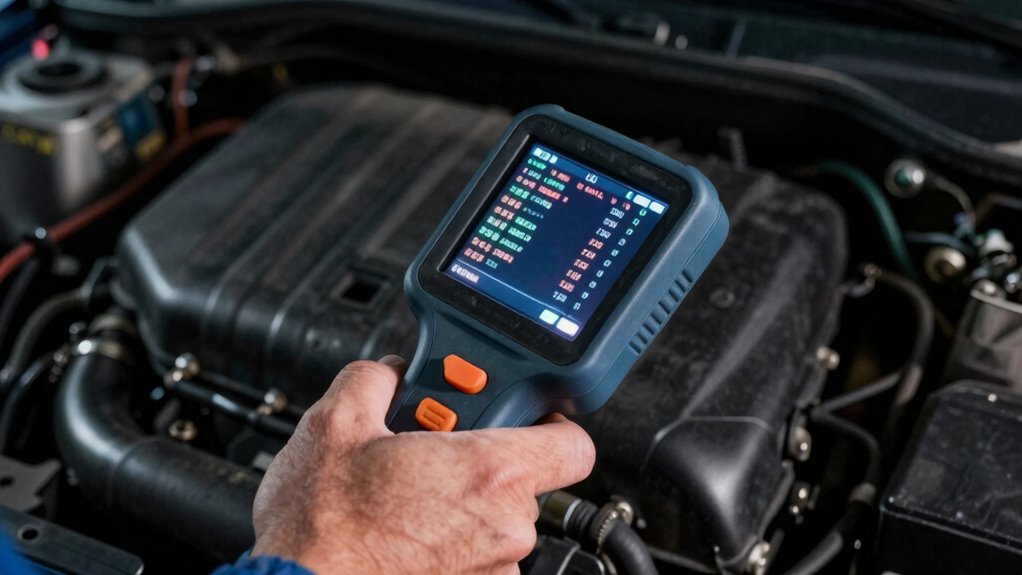
Have you ever cleared diagnostic trouble codes (DTCs) only to see them pop back up shortly afterward? If so, you might be rushing the process instead of allowing the vehicle’s systems to properly reset. When you clear codes too quickly, you’re fundamentally removing the warning signs before the vehicle’s onboard systems have a chance to recalibrate and verify the repairs. This habit can make diagnosis more difficult because it disrupts the vehicle’s ability to confirm whether issues are truly resolved or if they’re recurring.
One key reason behind this is sensor calibration. Modern vehicles rely heavily on sensors to monitor everything from oxygen levels to temperature and pressure. When you clear codes prematurely, the sensors may still be out of calibration, or their readings might not be accurate yet. Without proper sensor calibration, the engine control unit (ECU) can’t effectively interpret data, leading to misdiagnosis or missed issues. For example, if an oxygen sensor isn’t calibrated correctly, the vehicle might falsely indicate an emissions problem, prompting unnecessary repairs or further diagnostics. Rushing the reset process prevents these sensors from reaching their ideal calibration, which is fundamental for the vehicle to operate within emission standards.
Speaking of emissions, this is another vital aspect affected by clearing codes too fast. Vehicles are designed to meet strict emission standards, and these standards depend heavily on accurate sensor data and proper calibration. When you clear codes prematurely, the vehicle’s emission control systems don’t get enough time to run their self-tests or adapt to new sensor data. This can cause the vehicle to fail emissions tests or, worse, mask underlying issues that could become more serious if left unaddressed. Proper diagnosis involves allowing the vehicle’s systems to complete their adaptive cycles, which helps confirm whether the problem has been truly fixed or if more investigation is needed. Additionally, understanding the sensor calibration process is crucial for ensuring reliable diagnostics and compliance with emission regulations.
In addition, clearing codes too quickly can interfere with the vehicle’s powertrain control module (PCM) learning process. The PCM relies on historical data to adjust fuel trims and other parameters for ideal performance. Resetting codes before the PCM has had enough time to adapt can lead to inconsistent engine behavior or increased emissions. It’s essential to follow manufacturer guidelines for resetting codes and to give the vehicle time for sensors to recalibrate and for the system to verify repairs within emission standards. Furthermore, being aware of the adaptive cycle process helps technicians avoid premature resets that could compromise vehicle performance and emissions compliance. Recognizing the importance of system readiness tests can also prevent unnecessary delays in vehicle diagnostics and ensure that all systems are functioning correctly before road testing. Properly managing these diagnostic processes ensures accurate results and reduces the risk of future issues.
As an affiliate, we earn on qualifying purchases.
Frequently Asked Questions
Can Clearing Codes Too Quickly Damage the Vehicle’s Electronic System?
Yes, clearing codes too quickly can potentially damage your vehicle’s electronic system. When you erase codes prematurely, you might miss underlying issues that need proper diagnosis, affecting diagnostic accuracy. This rushed approach can lead to incomplete repairs or overlooked problems, risking further electronic system damage. To maintain your vehicle’s health, give the electronic system proper time for diagnostics and avoid clearing codes hastily, ensuring issues are accurately identified and resolved.
How Long Should I Wait Before Rechecking Codes After Clearing?
Imagine you clear a trouble code, then immediately check again—you might not see the issue because diagnostic patience is key. Typically, wait at least 10-15 minutes or drive your vehicle for a few miles before rechecking codes. This allows you to see if the code persists or was a temporary glitch. Rushing this process can hide ongoing problems, making accurate diagnosis and repairs much harder.
Does Clearing Codes Erase All Stored Diagnostic Data?
Clearing codes doesn’t erase all stored diagnostic data; it mainly resets the trouble codes and some recent freeze frame data. However, your vehicle’s diagnostic history and certain data retention, like learned parameters and sensor data, often stay stored in the ECU. This means that while you clear codes, some past diagnostic information remains accessible, helping technicians analyze ongoing issues and vehicle performance over time.
Are There Risks of Missing Underlying Issues by Clearing Codes Fast?
Yes, clearing codes too fast can pose risks of missing underlying issues, which impacts your diagnostic accuracy. When you clear codes quickly, you might overlook intermittent problems or cause troubleshooting delays, as the vehicle’s system resets before revealing the root cause. This rush can lead to misdiagnosis or repeat visits, wasting time and money. To guarantee a thorough diagnosis, it’s better to review the codes carefully and wait for persistent issues before clearing them.
What Tools Are Best for Clearing Codes Efficiently?
You should use reliable diagnostic tools and code readers to clear codes efficiently. Select a scanner compatible with your vehicle’s make and model, ensuring it offers quick clearance features. Look for features like live data access and easy interface to speed up the process. With the right diagnostic tools, you can clear codes swiftly, reducing downtime, but remember to verify the underlying issues before clearing to prevent missing important repairs.
As an affiliate, we earn on qualifying purchases.
Conclusion
You might think clearing codes quickly gets your car back on the road faster, but it’s like erasing a warning sign before understanding what caused it. I once rushed to clear a check engine light, only to find the same warning pop up later, indicating a bigger issue. Taking your time to diagnose and clear codes guarantees you address the root problem, like fixing the foundation before building higher. Patience now saves headaches later.
As an affiliate, we earn on qualifying purchases.
As an affiliate, we earn on qualifying purchases.
College move-in / dorm season Picks
dorm essentials
As an affiliate, we earn on qualifying purchases.