Freeze frame data captures a snapshot of your vehicle’s sensor readings when a trouble code activates, helping you understand what was happening at that moment. By analyzing details like engine temperature, oxygen sensor outputs, and fuel trims, you can pinpoint hidden issues. This information is vital for quick, accurate repairs. Keep exploring, and you’ll discover how to interpret these snapshots to solve vehicle mysteries more effectively.
Open a free Amazon Business account
Business pricing, bulk buying and tax-exempt orders.
As an affiliate, we earn on qualifying purchases.
Key Takeaways
- Freeze frame data captures a snapshot of sensor readings at the moment a trouble code activates, providing crucial diagnostic context.
- It records parameters like engine temp, speed, oxygen levels, and fuel trim, helping identify abnormal conditions.
- Accessed via OBD-II diagnostic tools, freeze frame data guides quick troubleshooting by revealing real-time system states during faults.
- Comparing freeze frame with live data confirms sensor accuracy and pinpoints malfunctioning components.
- Analyzing this snapshot aids in efficiently diagnosing and resolving mystery vehicle issues.

ANCEL AD310 Classic Enhanced Universal OBD II Scanner Car Engine Fault Code Reader CAN Diagnostic Scan Tool, Read and Clear Error Codes for 1996 or Newer OBD2 Protocol Vehicle (Black)
- Diagnoses Check Engine Light: Easily identify cause of check engine light
- Clear Diagnostic Codes: Read and clear emission system trouble codes
- Live Data & Freeze Frame: View live data and freeze frame info
As an affiliate, we earn on qualifying purchases.
As an affiliate, we earn on qualifying purchases.
What Is Freeze Frame Data and Why Is It Important?
Have you ever wondered how mechanics diagnose car problems quickly and accurately? The answer lies in freeze frame data, a snapshot of your vehicle’s condition at the exact moment a trouble code is triggered. This data relies heavily on sensor accuracy, capturing precise measurements of engine temp, speed, and other essential parameters. Additionally, the integrity of freeze frame data depends on the proper calibration and functioning of sensors within your vehicle. Data logging records this information, creating a detailed record that helps mechanics understand what caused the issue. Understanding this process highlights how crucial sensor accuracy and diligent data logging are in modern vehicle diagnostics. Moreover, the sensor calibration process ensures that the data collected reflects the true state of the vehicle’s systems, which is vital for accurate diagnosis. Proper maintenance of sensors and regular diagnostic trouble code checks can prevent erroneous readings that might lead to misdiagnosis. Ensuring the reliability of sensor data is essential for trustworthy diagnostic results. Unlike just reading a trouble code, freeze frame data provides context, showing how your car was performing during the fault. This snapshot enables mechanics to pinpoint problems faster, saving you time and money, especially when combined with diagnostic trouble codes for a comprehensive assessment.
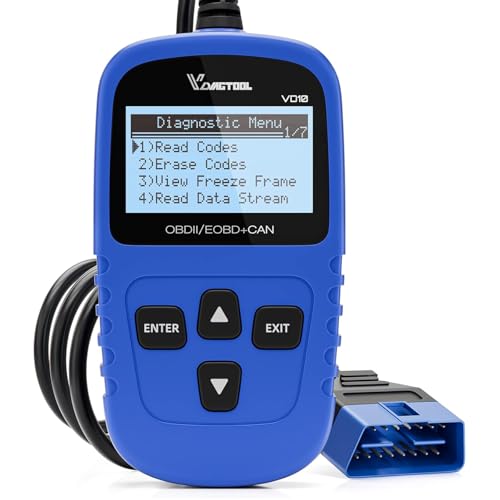
VDIAGTOOL VD10 OBD2 Scanner Code Reader Car Diagnostic Tool Engine Fault Code Reader for Turn Off CEL with Freeze Frame/I/M Readiness for All OBDII Protocol Cars, OBD2 Scanner Diagnostic Tool
- Easy DIY Car Diagnostics: Simple OBDII port connection for quick scans
- Engine Health Monitoring: Reads and clears fault codes instantly
- Comprehensive Code Reading: Supports generic, manufacturer-specific, and pending codes
As an affiliate, we earn on qualifying purchases.
As an affiliate, we earn on qualifying purchases.
How Does Freeze Frame Data Capture Vehicle Conditions?
Freeze frame data captures vehicle conditions by recording sensor readings at the exact moment a diagnostic trouble code is set off. The accuracy of these sensor readings is vital, as precise data helps identify the root cause of issues. When a problem occurs, the vehicle’s onboard computer stores this information in its data storage system, capturing parameters like engine temperature, speed, and throttle position. This snapshot provides a detailed picture of the vehicle’s state at the time of the fault. Since sensors can vary in accuracy, high-quality sensors ensure reliable data. Additionally, connected home fitness technology can be integrated into diagnostic tools to enhance real-time data monitoring and analysis. The data storage system then preserves this snapshot, allowing you or a technician to review the conditions that led to the trouble code, making diagnostics faster and more effective. Moreover, understanding the sensor data accuracy helps ensure the reliability of the diagnostic process, especially when considering the importance of routine health checks for consistent sensor performance. Regular sensor calibration is essential to maintain data integrity over time, further supporting accurate diagnostics.
ANCEL AD310 Classic Enhanced Universal OBD II Scanner Car Engine Fault Code Reader CAN Diagnostic Scan Tool, Read and Clear Error Codes for 1996 or Newer OBD2 Protocol Vehicle (Black)
- Diagnoses Check Engine Light: Easily identify cause of check engine light
- Clear Diagnostic Codes: Read and clear emission system trouble codes
- Live Data & Freeze Frame: View live data and freeze frame info
As an affiliate, we earn on qualifying purchases.
As an affiliate, we earn on qualifying purchases.
Common Scenarios Where Freeze Frame Data Reveals Hidden Problems
Many hidden vehicle problems come to light only when freeze frame data reveals unusual sensor readings during a malfunction. You might notice intermittent faults, where the engine stalls or runs rough sporadically. These issues often hide behind normal readings, but freeze frame data captures the moment when sensor malfunctions occur. For example, a faulty oxygen sensor or a failing mass airflow sensor can trigger a check engine light, with data showing abnormal values during the fault. Intermittent faults are tricky because they come and go, making them hard to diagnose without freeze frame snapshots. By examining these readings, you can pinpoint the specific sensor malfunction, helping you avoid unnecessary repairs and target the real problem more efficiently. Additionally, leveraging advanced diagnostic tools that utilize European cloud innovation can streamline the analysis process, providing quicker insights and more accurate diagnoses. Proper understanding of sensor readings is essential for effective troubleshooting and avoiding costly misdiagnoses. Recognizing that some sensor issues may be related to vehicle history can further improve diagnostic accuracy and ensure comprehensive repairs, especially as modern vehicles rely increasingly on automotive repair software for diagnostics and maintenance tracking. Being aware of diagnostic data interpretation can also enhance your ability to analyze complex sensor patterns and identify root causes more effectively.
ANCEL AD310 Classic Enhanced Universal OBD II Scanner Car Engine Fault Code Reader CAN Diagnostic Scan Tool, Read and Clear Error Codes for 1996 or Newer OBD2 Protocol Vehicle (Black)
- Diagnoses Check Engine Light: Easily identify cause of check engine light
- Clear Diagnostic Codes: Read and clear emission system trouble codes
- Live Data & Freeze Frame: View live data and freeze frame info
As an affiliate, we earn on qualifying purchases.
As an affiliate, we earn on qualifying purchases.
Interpreting Freeze Frame Data: Key Parameters to Watch
To effectively interpret freeze frame data, you need to focus on several key parameters that reveal the root cause of the vehicle’s issues. By analyzing sensor readings at the moment of failure, you can identify abnormal conditions. Pay close attention to parameter thresholds, which indicate whether readings are within acceptable ranges. Key parameters to watch include:
- Engine temperature and coolant levels
- Oxygen sensor outputs and fuel trim values
- Throttle position and manifold absolute pressure
Monitoring these parameters helps you determine if sensors are providing accurate data or if they’ve triggered abnormal responses. Variations outside normal thresholds often point to underlying problems that contribute to the fault. Understanding these key parameters allows you to pinpoint issues quickly and accurately, streamlining the diagnostic process.
Accessing Freeze Frame Data With Diagnostic Tools
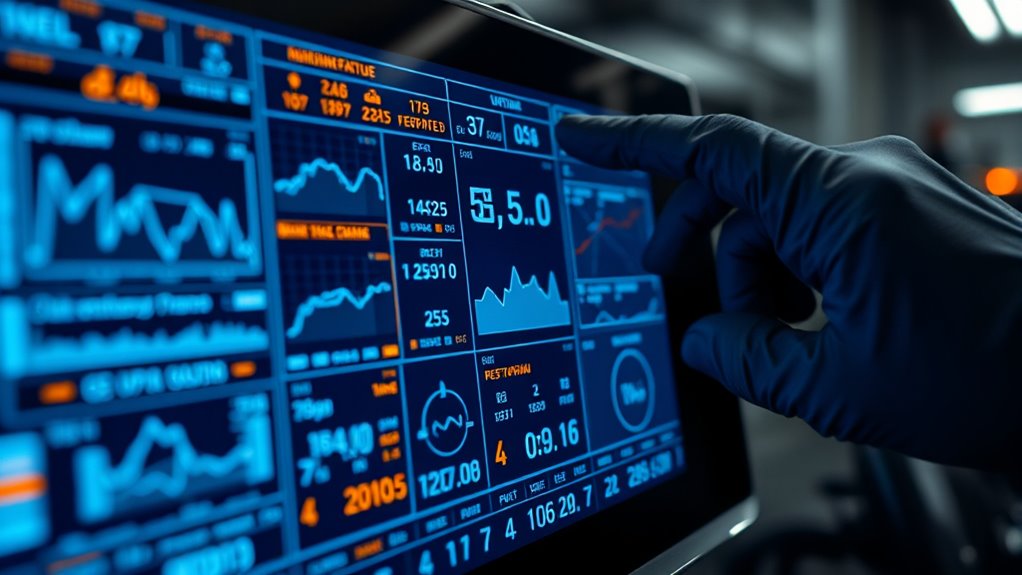
Accessing freeze frame data with diagnostic tools is a thorough process that allows you to quickly gather essential information about a vehicle’s fault at the moment of failure. To do this, connect your scanner or diagnostic device to the vehicle’s OBD-II port and follow the prompts to retrieve freeze frame data. Modern tools often include features for sensor calibration checks, helping you identify if sensor inaccuracies contributed to the issue. Using data logging techniques, you can record live data alongside freeze frame snapshots, giving a complete view of the vehicle’s condition during the fault. Additionally, understanding how freeze frame data is stored and interpreted can significantly improve your troubleshooting efficiency. This method streamlines troubleshooting, enabling you to pinpoint the root cause without guesswork. Accurate access to freeze frame data enhances diagnostics and saves time during repairs. Furthermore, being familiar with diagnostic procedures helps ensure you interpret the data correctly and take appropriate actions. Recognizing the importance of vehicle sensor data can also provide deeper insights into underlying problems affecting vehicle performance, especially when combined with real-time data analysis. A comprehensive understanding of data storage techniques can further aid in correlating freeze frame data with other diagnostic information.
Practical Tips for Using Freeze Frame Data Effectively
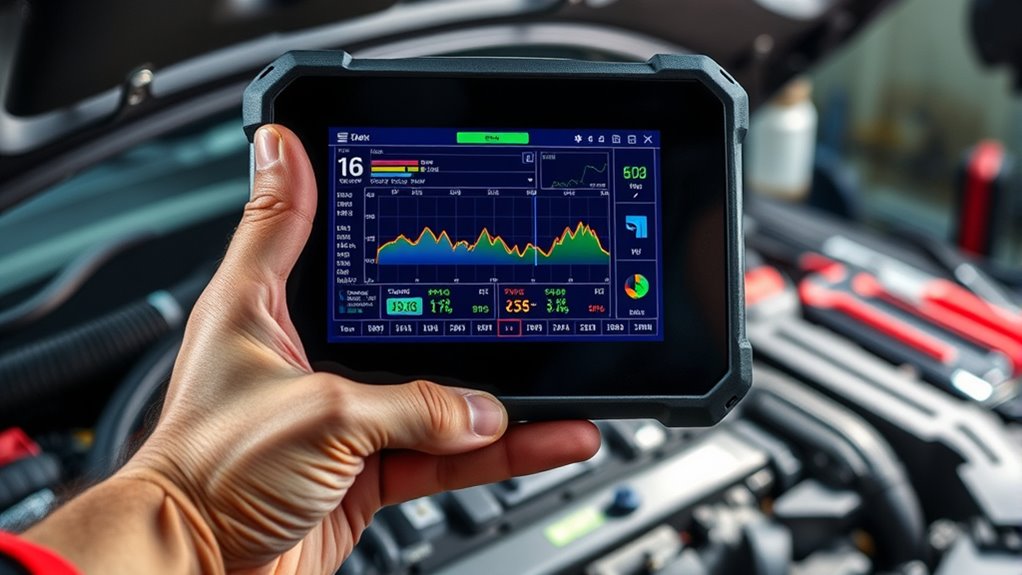
Once you’ve retrieved freeze frame data with your diagnostic tools, the next step is to interpret it effectively. Focus on key parameters like sensor calibration status and how the data logs align with real-world conditions. To maximize accuracy, consider these practical tips:
- Cross-check sensor calibration data to ensure readings are precise before making repairs.
- Use data logging to track how parameters change over time, revealing patterns or intermittent issues.
- Correlate freeze frame snapshots with live data to confirm whether sensor signals are consistent during faults.
- Remember that understanding diagnostic trouble codes can help pinpoint the root cause of the issue more efficiently.
- Additionally, integrating smart home automation principles can provide more comprehensive insights during diagnostics, especially when multiple sensors or devices are involved.
- Incorporating flat iron bike data analysis techniques can sometimes offer innovative perspectives when troubleshooting complex electrical or sensor-related problems.
- To further enhance diagnostic accuracy, understanding support breakfast options can sometimes provide unexpected insights, especially when dealing with sensor or device power issues during troubleshooting. Being aware of vetted aromatherapy products like essential oils can also help improve the diagnostic environment by promoting focus and reducing stress during complex troubleshooting sessions.
Case Studies: Solving Vehicle Mysteries With Freeze Frame Snapshots
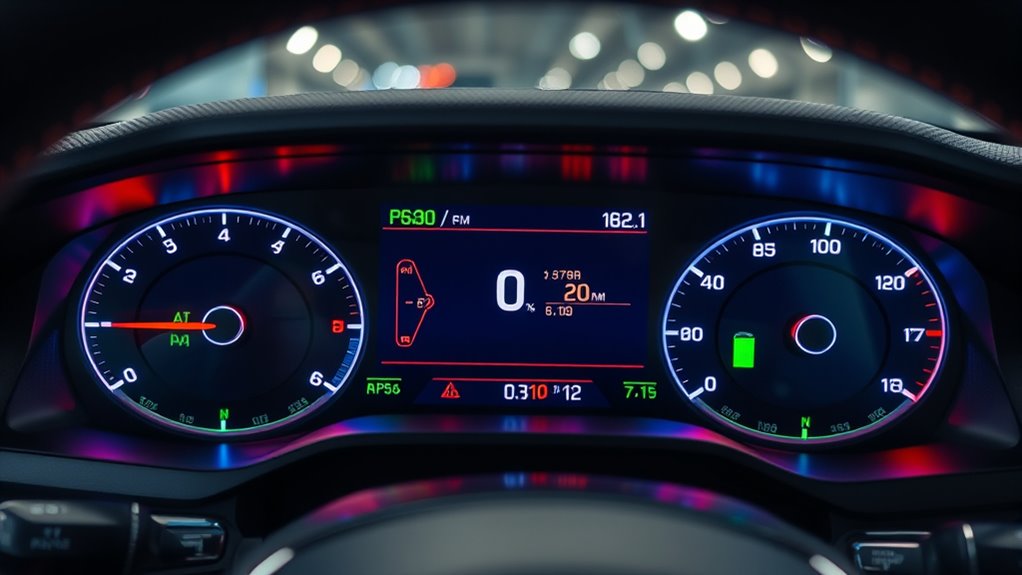
Case studies demonstrate how freeze frame snapshots can be the key to unraveling complex vehicle issues. For example, a driver reports inconsistent engine performance, and analyzing the freeze frame data reveals a misfire caused by incorrect sensor calibration. By reviewing the snapshot, you identify that engine timing was off during the fault, helping you adjust the timing and recalibrate sensors. In another case, a vehicle stalls unexpectedly, and the freeze frame shows a failing sensor that affected engine timing. Using this information, you pinpoint the root cause and prevent future breakdowns. These examples show how freeze frame snapshots provide precise, real-time clues that lead to targeted repairs, saving you time and money while restoring vehicle reliability.
Frequently Asked Questions
Can Freeze Frame Data Indicate Future Vehicle Issues?
Freeze frame data can’t directly predict future vehicle issues, but it plays a key role in predictive analytics. By analyzing these snapshots, you can identify patterns that signal upcoming problems. This insight helps you plan maintenance scheduling more effectively, preventing breakdowns before they happen. So, while it doesn’t forecast issues outright, freeze frame data offers valuable clues to keep your vehicle running smoothly and avoid costly repairs.
How Accurate Is Freeze Frame Data Across Different Vehicle Makes?
Freeze frame data accuracy varies depending on the vehicle make, as data consistency can differ among manufacturers. Some makes provide highly reliable data, making it easier for you to diagnose issues, while others may have less consistent information. You should keep in mind that factors like sensor quality and system updates influence accuracy. Regularly updating your vehicle’s software and understanding your specific make’s system can help improve your diagnostic confidence.
Is Freeze Frame Data Useful for Diagnosing Non-Emission Related Problems?
Yes, freeze frame data is useful for diagnosing non-emission related problems, but it has diagnostic limitations that you should consider. It provides a snapshot of engine conditions at the moment of a fault, helping you understand specific issues. However, its troubleshooting scope is limited to the moment it captures, so it might not reveal ongoing problems or intermittent issues. Use it alongside other diagnostic tools for a thorough diagnosis.
What Are Common Mistakes When Analyzing Freeze Frame Snapshots?
You might think analyzing freeze frame snapshots is straightforward, but common mistakes include overlooking sensor misreads that skew data and accepting incomplete snapshots as full diagnostics. You should double-check sensor readings for accuracy and guarantee the snapshot captures all relevant parameters. Rushing can cause you to miss essential clues, so take your time to interpret data thoroughly, avoiding misdiagnoses caused by incomplete or inaccurate freeze frame information.
How Often Should Technicians Review Freeze Frame Data During Repairs?
You should review freeze frame data early and often during diagnostic timing, ideally at the start of repairs and throughout troubleshooting. This helps you pinpoint the exact moment the fault occurred. Proper technician training emphasizes the importance of frequent data checks to catch issues promptly. By consistently analyzing freeze frame snapshots, you improve diagnostic accuracy and avoid missing critical clues, ultimately leading to more efficient repairs.
Conclusion
Understanding freeze frame data empowers you to quickly identify and solve vehicle issues. By capturing a snapshot of conditions during a problem, you gain valuable insights that might otherwise stay hidden. Are you ready to use this powerful tool to uncover mysteries and get your vehicle back on the road faster? Embrace freeze frame data, and turn complex diagnostics into simple solutions—because knowing what’s happening beneath the surface makes all the difference.
Pool season Picks
robotic pool cleaners
As an affiliate, we earn on qualifying purchases.