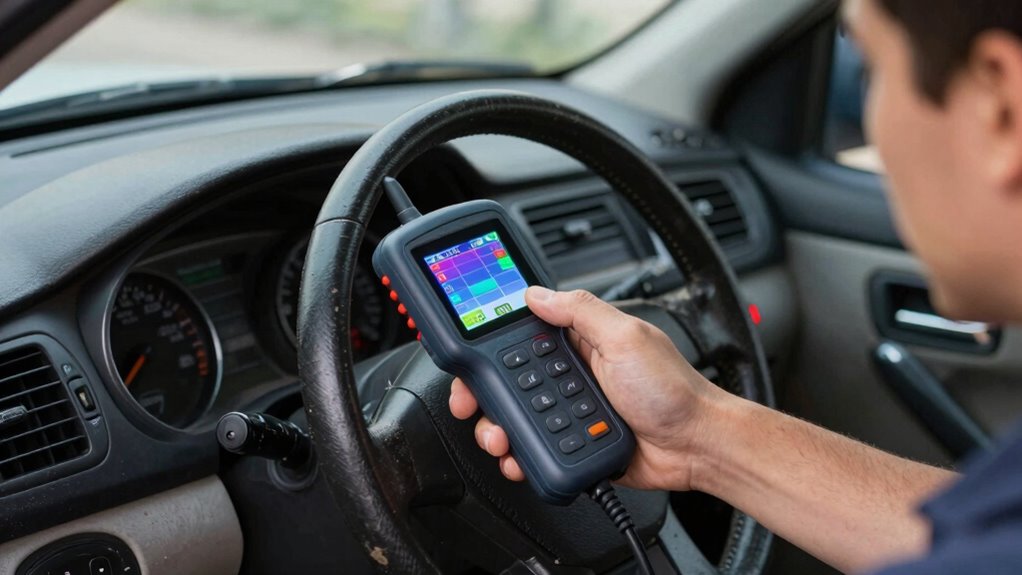

The most helpful habit for used car buyers is using a diagnostic scan tool before purchasing. It helps you uncover hidden issues by checking the onboard diagnostics for trouble codes and real-time data. This habit reveals problems not visible during a test drive and supports smarter negotiation. Incorporating this into your routine guarantees you avoid costly surprises and make confident decisions. Keep going to discover more ways to protect your investment.

Get business pricing on garage and car supplies
- Business-only prices and quantity discounts
- Tax-exempt purchasing
- Multiple users, one account, clear invoices
Key Takeaways
- Regularly connect a scan tool before purchasing to check for hidden trouble codes.
- Use the scan tool during test drives to monitor real-time engine and sensor data.
- Incorporate routine scans into ongoing vehicle maintenance for early problem detection.
- Leverage scan results to negotiate repairs or price adjustments effectively.
- Develop a habit of reviewing diagnostic trouble codes to ensure vehicle health and prevent costly repairs.

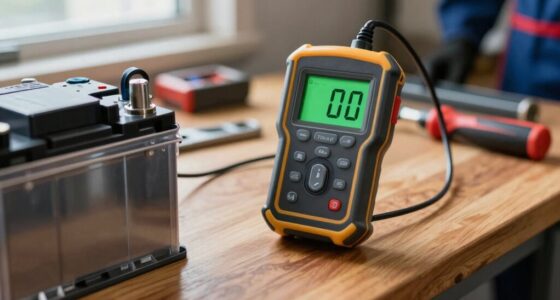
When shopping for a used car, one of the smartest habits you can develop is using a scan tool to check the vehicle’s onboard diagnostics (OBD) system. This simple step can save you from future headaches by revealing hidden issues that aren’t immediately apparent during a test drive or visual inspection. A scan tool connects to the car’s OBD port, which is usually located under the dashboard, and provides real-time data on the engine and other critical components. By running a diagnostic scan, you can identify trouble codes that signal potential problems, even if the check engine light isn’t on. This proactive approach helps you make more informed decisions and avoid buying a vehicle with costly underlying issues. Incorporating diagnostic techniques like using a scan tool into your routine can significantly improve your ability to evaluate a used car’s health. It’s not just about catching obvious problems; it’s about uncovering subtle warnings that could lead to expensive repairs down the line. For example, reading the stored error codes can reveal issues with the transmission, emissions system, or sensors that regulate performance. These insights give you leverage during negotiations, so you can either request repairs or adjust the price accordingly. Over time, making this a standard part of your used car shopping process becomes a valuable maintenance routine that keeps you aware of the vehicle’s condition. Regular use of a scan tool can also help you understand the importance of biodiversity in vehicle maintenance, as different systems work together to ensure optimal performance and longevity. Additionally, understanding diagnostic trouble codes helps you communicate more effectively with mechanics, ensuring you get accurate repairs and proper service. Being familiar with OBD systems can also help you troubleshoot minor issues on your own, saving time and money. In short, integrating the use of a scan tool into your used car buying routine transforms a potentially risky purchase into a more confident, well-informed decision. It’s a simple, inexpensive step that enhances your diagnostic techniques, supports ongoing maintenance routines, and ultimately helps you avoid costly surprises. Developing this habit means you’re always one step ahead, ensuring that your investment in a used vehicle pays off in reliability and peace of mind.
OBD2 diagnostic scan tool for cars
As an affiliate, we earn on qualifying purchases.
As an affiliate, we earn on qualifying purchases.
Frequently Asked Questions
Can Scan Tools Detect All Engine Problems Accurately?
No, scan tools can’t detect all engine problems accurately. They’re useful for engine diagnostics, but their effectiveness depends on sensor accuracy and the issues’ complexity. Some problems, like mechanical wear or internal damage, may not trigger a code or show up on a scan. You should use scan tools as a helpful starting point and combine their results with a thorough inspection by a mechanic for the best assessment.
How Much Does a Basic Scan Tool Typically Cost?
You’d be surprised how affordable a basic scan tool can be—usually between $20 and $50. But don’t get too excited; sensor accuracy and compatibility issues can turn this bargain into a headache. While these tools help identify many problems, some sensors might give false readings or not connect properly. So, for reliable results, invest in a model that’s well-reviewed and compatible with your vehicle.
Are Professional Scan Tools Different From Consumer-Grade Ones?
Professional scan tools differ markedly from consumer-grade ones because they offer advanced features like deeper diagnostic capabilities, live data streaming, and code customization, which are essential for mechanics. As a buyer, you’ll notice consumer limitations in these tools—they may cover only basic functions, lack detailed data, or be less durable. If you’re serious about inspecting vehicles thoroughly, investing in a professional scan tool provides more accurate insights and long-term value.
How Often Should I Use a Scan Tool When Inspecting a Used Car?
You should use a scan tool every time you inspect a used car, almost like a lucky coincidence that reveals hidden issues. Check your inspection checklist for potential trouble spots and review the car history beforehand. Running a scan regularly helps you catch problems early, giving you peace of mind, and ensuring the vehicle’s health aligns with its history. Consistent scanning keeps surprises at bay during your purchase.
Can a Scan Tool Identify Hidden Damages or Accidents?
A scan tool can help spot hidden damage and assist in accident detection by revealing trouble codes linked to past collisions or repairs. While it doesn’t show physical damage directly, it uncovers inconsistencies or repairs that might indicate hidden issues. You should use it after a test drive and inspection, ensuring you get a clear picture of the vehicle’s history, making your used car purchase safer and more informed.
used car engine trouble code reader
As an affiliate, we earn on qualifying purchases.
As an affiliate, we earn on qualifying purchases.
Conclusion
Mastering the scan tool habit isn’t just a good idea—it’s your shield against financial catastrophe. Imagine walking onto a used car lot and having a secret weapon that reveals hidden problems as if you’re wielding a crystal ball. With this simple habit, you’ll dodge costly repairs, outsmart shady sellers, and drive away confident, knowing you’ve uncovered every secret the car’s hiding. It’s your ultimate weapon in the battle for a smart, worry-free used car purchase.
car diagnostic scanner for OBD port
As an affiliate, we earn on qualifying purchases.
As an affiliate, we earn on qualifying purchases.
As an affiliate, we earn on qualifying purchases.
Evergreen bestsellers Picks
bestsellers
As an affiliate, we earn on qualifying purchases.