TL;DR
Startup Hoffman is developing the Badger, a platform that repurposes components from used Tesla Model 3s and Model Ys for vehicles such as vans, pickups and buses. The company says buyers will be able to choose a self-build kit or a complete vehicle; production, final pricing and availability have not been confirmed.
Startup Hoffman is developing the Badger, a platform that uses components and software from used Tesla Model 3 sedans and Model Y crossovers to build vehicles including vans, pickups and buses. The company says it plans to offer both self-build kits and fully assembled vehicles, creating a potential new use for salvage Teslas, though production timing and final specifications remain unclear.

Get business pricing on garage and car supplies
- Business-only prices and quantity discounts
- Tax-exempt purchasing
- Multiple users, one account, clear invoices
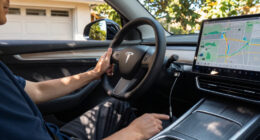
Hoffman’s approach pairs a bespoke platform with parts harvested from smaller Tesla vehicles. The Drive reports that components may include the steering wheel, seats, touchscreen, airbags, computers and software. Hoffman previously carried out electric-vehicle conversions for DeLoreans. Its Badger concept is intended to let customers choose among different vehicle forms rather than retain the original Model 3 or Model Y body.
A demonstration vehicle shown to Out of Spec Reviews was an off-road-oriented utility van. The prototype had a raised battery pack, steep approach and departure angles, and removable doors and roof panels. Inside, it used a flat dashboard and floor, with Tesla-style controls including a central touchscreen. The example offers a look at the concept, but it does not establish the design or equipment that would appear in a production vehicle.
Hoffman plans to sell the Badger as a build-it-yourself kit, with a vehicle identification number but without the Tesla donor parts, or as a turnkey vehicle assembled by the company. CEO Geoffrey Hoffman told Out of Spec that pricing would vary depending on the customer’s choices. The company’s broad estimate, as reported by The Drive, is $24,950 to $82,490. Hoffman also expects production capacity of about 100 vehicles annually; that is a stated plan, not evidence that production has begun.
A Second Use for Tesla Components
The Badger could offer salvage Tesla vehicles a second use beyond repairing another car or selling individual parts. Reusing the drive-system electronics and cabin components in a different chassis may give buyers a way to assemble specialized vehicles without developing every part from scratch. For people interested in utility vehicles or hands-on projects, the kit option could make the concept especially relevant.
Hoffman says vehicles based on Tesla code would retain access to Tesla services, including the Supercharger network and remote app controls. That would be a selling point if the system works as described in a completed vehicle. However, compatibility, support arrangements and the customer experience have not been independently established in the material available. The wide proposed price range also means the Badger cannot yet be compared with other vehicles on a like-for-like basis.
Products Worth Considering

NOCO Boost GBX155 4250A UltraSafe Jump Starter, 12V Lithium Battery Booster

VIOFO A229 Pro 4K HDR Dash Cam with Dual STARVIS 2 Sensors (Front & Rear)

Chemical Guys 16-Piece Ceramic Car Wash and Protection Kit with Big Mouth Foam Cannon
As an affiliate, we earn on qualifying purchases.
From Conversion Work to Badger
Hoffman is not starting from an entirely unrelated field: the company previously worked on electric DeLorean conversions. The Badger represents a different direction, using Tesla components as a basis for vehicles whose bodies and layouts can differ from the donor cars. Its approach echoes the broader idea of modular electric-vehicle platforms, but the report describes Hoffman’s system as combining Tesla hardware with its own bespoke platform.
The source presents the Badger through a demonstration van and company plans, not a completed production program. The prototype’s visibly simple cabin and distinct exterior details reflect an early concept. The Drive notes that the vehicle may appeal to people who want to build something individual from used parts, while its appearance and stripped-back interior may not suit every buyer.
“Pricing will obviously be highly variable depending on what the buyer wants.”
— Geoffrey Hoffman, Hoffman CEO, speaking to Out of Spec Reviews
Production and Compatibility Questions
Several key details remain open. The report does not give a production start date, order schedule, or confirmed delivery timeline. Hoffman’s estimate of about 100 vehicles a year describes expected capacity; it does not confirm that the company has begun manufacturing or that it can sustain that output.
The final vehicle specifications and pricing are also unsettled. The estimated range spans nearly $60,000, and the source does not set out which components, battery condition, labor or options would be included at each price point. It is also unclear how customers would source and verify donor Teslas, how the company would handle differences among salvage vehicles, or what warranty and service support would apply. Hoffman’s statements about Supercharger access and app functions have not been accompanied in the report by details about eligibility, software support or how Tesla would treat vehicles converted to the Badger platform.
Evidence Needed Before Sales
The next meaningful milestones would be a production-ready vehicle, confirmed pricing and a clear route for customers to order either a kit or a completed build. Hoffman would also need to explain how the VIN and build process work for kit buyers, which donor components are required, and what safety and service support the company will provide. The source does not report a launch date or a confirmed sales schedule.
Until those details are available, the Badger is best understood as a company development plan demonstrated through a prototype, rather than a vehicle with established availability. Further reporting or company announcements would be needed to confirm whether the proposed annual output, Tesla-service compatibility and price estimates carry through to customer deliveries.
Key Questions
What is Hoffman’s Badger?
The Badger is a vehicle platform Hoffman is developing that combines a bespoke chassis with components and software from used Tesla Model 3s and Model Ys. The company says it could support bodies such as vans, pickups and buses.
Can buyers build one themselves?
Hoffman plans to offer a self-build kit with a VIN, but Tesla donor parts would not be included. It also plans a turnkey option assembled by the company. The report does not specify the complete kit contents or customer build requirements.
How much will a Badger cost?
CEO Geoffrey Hoffman gave a preliminary range of $24,950 to $82,490, with the final price depending on the buyer’s choices. The company has not provided a final price list or confirmed what each configuration includes.
Will Badger vehicles use Tesla Superchargers?
Hoffman says vehicles using Tesla code are intended to retain access to the Supercharger network and remote app controls. The report does not provide details establishing how access, software support or compatibility would work for completed Badger builds.
When will the Badger go on sale?
No sales or production date is specified in the source material. Hoffman has described an expected capacity of about 100 vehicles per year, but that is a plan rather than confirmation that production has started.
Source: thedrive.com