Many drivers overlook the rearview mirror’s blind spot, a hidden zone just outside your view that can cause dangerous lane changes or near-misses. Properly adjusting your mirror helps expand your field of view and reduce these blind spots. While your mirrors are essential, they aren’t foolproof. Combining good mirror setup with shoulder checks and understanding sensor limits improves safety. If you keep going, you’ll discover more ways to keep your driving safer and avoid unseen dangers.

Get business pricing on garage and car supplies
- Business-only prices and quantity discounts
- Tax-exempt purchasing
- Multiple users, one account, clear invoices
Key Takeaways
- Improper mirror adjustment creates hidden blind spots outside the mirror’s view, increasing collision risk.
- Relying solely on mirrors without shoulder checks leaves unseen vehicles in blind spots.
- Blind spot detection systems help but are limited by weather, dirt, and sensor errors.
- Correct mirror positioning maximizes visible lanes and reduces the need to depend only on technology.
- Combining mirror checks with shoulder turns ensures a comprehensive view of all blind spots.
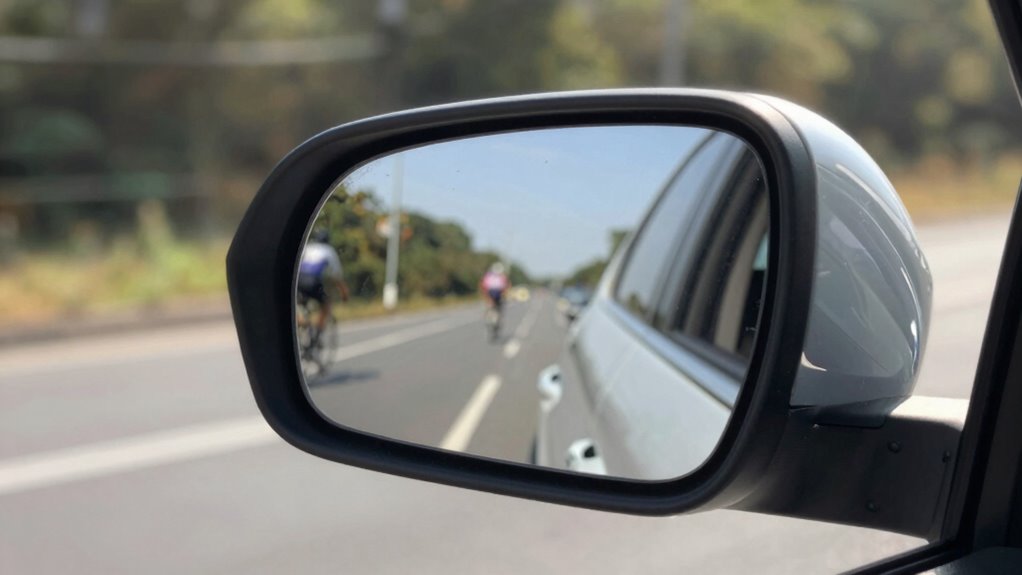
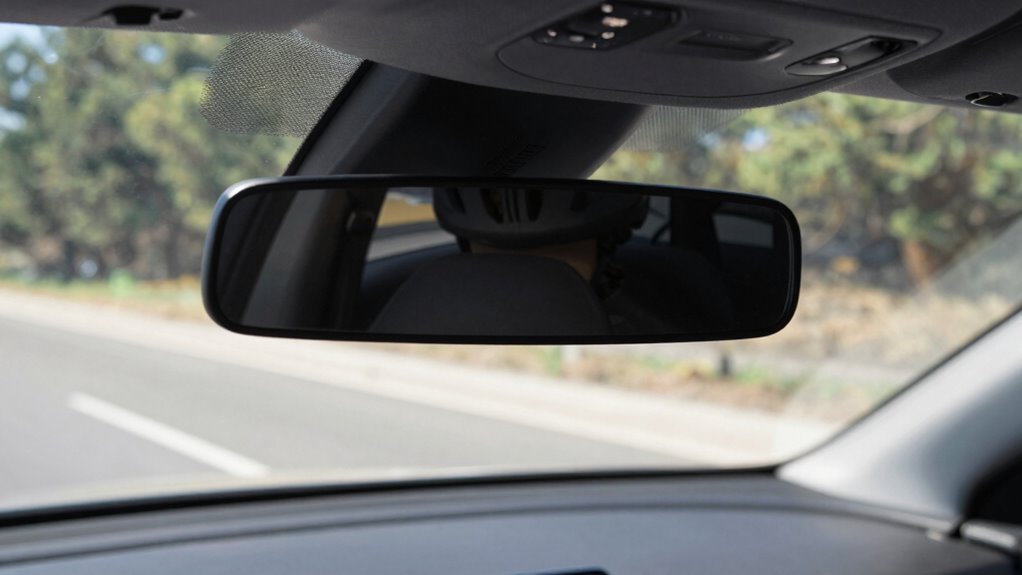
Have you ever wondered why you might miss a vehicle lurking in your blind spot even after checking your mirrors? The answer often lies in how you adjust your mirrors and your reliance on blind spot detection. Many drivers overlook the importance of proper mirror adjustment, assuming that a quick glance is enough to spot everything around them. However, if your rearview mirror isn’t correctly positioned, it can create hidden zones where vehicles slip unnoticed, especially in your blind spot. Adjusting your mirrors properly can significantly expand your field of view, making blind spots smaller and less dangerous. Don’t just set your mirrors so they reflect the side of your car; position them outward enough to reveal the lanes beside you. This way, you minimize the areas that are hidden from your view, reducing the chances of missing a vehicle.
Proper mirror adjustment expands your view and reduces blind spots, enhancing safety on the road.
Even with well-adjusted mirrors, blind spot detection isn’t foolproof. That’s why many vehicles now come equipped with blind spot monitoring systems that alert you to cars lurking in your blind spots. These systems use sensors and cameras to provide real-time warnings, giving you an extra layer of safety that complements your mirror checks. But don’t rely solely on technology. It’s vital to understand that your mirrors are your primary tool for detecting vehicles in adjacent lanes. When you’re preparing to change lanes or merge, take a moment to glance over your shoulder, even if your mirrors seem clear. This quick head turn helps you catch anything your mirrors might miss, especially cyclists or motorcycles that can be harder to spot. Incorporating driver awareness techniques can further enhance your ability to identify potential hazards.
It’s also important to remember that blind spot detection systems can sometimes have limitations, like in poor weather conditions or if sensors are dirty. Regularly cleaning your mirrors and sensors ensures they function correctly, giving you the most accurate alerts possible. Additionally, being aware of the limitations of sensor technology helps you maintain a cautious approach when relying on these systems. Understanding the technology’s vulnerabilities enables you to better anticipate when these systems might not operate optimally, encouraging a more cautious driving style. Combining proper mirror adjustment with awareness of your vehicle’s blind spot detection technology creates a safer driving environment. You become more confident in your ability to judge when it’s safe to change lanes or merge, reducing the risk of collisions caused by unseen vehicles.
Ultimately, understanding the subtle yet crucial difference between how your mirrors are set and how blind spot detection works empowers you to drive more safely. It’s about making small adjustments—like properly aligning your mirrors—and staying alert to the technological aids that enhance your awareness. When you do this, you’ll find that the rearview mirror blind spot nobody thinks about becomes much less of a threat, and your overall driving confidence increases.
Adding to that, staying informed about vehicle safety features can further improve your awareness and response time on the road.
rearview mirror blind spot adjustment
As an affiliate, we earn on qualifying purchases.
As an affiliate, we earn on qualifying purchases.
Frequently Asked Questions
How Can I Detect This Blind Spot While Driving?
To detect this blind spot while driving, practice blind spot awareness by quickly glancing over your shoulder before changing lanes. Keep your head on a swivel, and use your side mirrors effectively. Maintain driver caution, especially in heavy traffic or when merging. Remember, relying solely on mirrors isn’t enough; your physical check is essential to guarantee you haven’t missed anything in your blind spot.
Does Mirror Size Affect the Blind Spot Visibility?
Did you know that larger mirrors can reduce blind spot size by up to 40%? Mirror size definitely affects blind spot visibility. When you adjust mirror positioning correctly, a bigger mirror offers a broader view, minimizing hidden areas. Smaller mirrors tend to create larger blind spots, so investing in wider ones improves safety. Properly positioned, larger mirrors help you spot vehicles in your blind spot more easily, making your drives safer and less stressful.
Are There Specific Vehicle Types More Prone to This Blind Spot?
Certain vehicle types, like trucks and SUVs, are more prone to blind spots due to their design. Their larger size and elevated position can create significant blind spots that hinder your blind spot awareness. Car design influences visibility, so understanding these limitations helps you stay safer on the road. Always check mirrors thoroughly and consider additional aids like blind-spot monitoring systems to compensate for these design-related challenges.
Can Aftermarket Accessories Reduce This Blind Spot Effectively?
Think of aftermarket accessories like blind spot sensors and mirror enhancements as your car’s personal guard dogs, constantly watching your blind spots. These tools can considerably reduce blind spot risks, especially in larger vehicles. I once added mirror enhancements to my truck, and it was like switching from a foggy window to clear glass — I could see more. They’re effective, easy to install, and worth considering for safer driving.
How Does This Blind Spot Impact Safety During Lane Changes?
This blind spot considerably impacts your safety during lane changes by limiting your awareness of vehicles in your blind spot. To improve safety, practice blind spot awareness and use safety techniques like checking over your shoulder and using mirrors effectively. Relying solely on your mirrors isn’t enough; combining these techniques helps you detect vehicles hidden from view, reducing the risk of collisions during lane changes.
blind spot detection system for cars
As an affiliate, we earn on qualifying purchases.
As an affiliate, we earn on qualifying purchases.
Conclusion
So, next time you glance into that rearview mirror, remember there’s a hidden blind spot nobody talks about—your own oversight. It’s like a shadow lurking just beyond your sight, waiting to surprise you. Awareness is your greatest tool; don’t let this silent gap become your story’s twist. Stay vigilant, stay safe—because sometimes, what you don’t see is the real danger lurking right behind you. Will you open your eyes before it’s too late?
As an affiliate, we earn on qualifying purchases.
As an affiliate, we earn on qualifying purchases.
Fall Picks
fall essentials
As an affiliate, we earn on qualifying purchases.