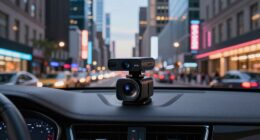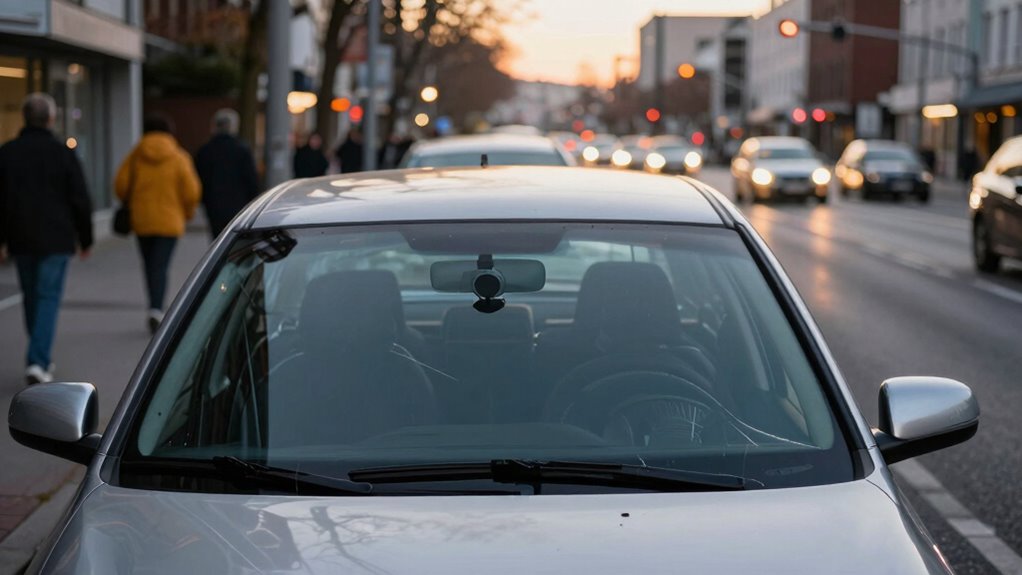

Dash cam etiquette matters because gray areas often blur the lines between safety and privacy. You might record public streets, but capturing private moments or private property can raise legal and ethical questions. Sharing footage without consent or inadvertently invading someone’s privacy can cause discomfort or legal trouble. Knowing when and what to record, along with respecting others’ rights, helps you stay responsible and avoid missteps. Keep exploring to better understand how to navigate these tricky boundaries effectively.
Listen free for 30 days with Audible
Thousands of audiobooks and originals — cancel anytime.
As an affiliate, we earn on qualifying purchases.
Key Takeaways
- Recording private moments or private property can infringe on individuals’ privacy rights.
- Sharing footage without consent may lead to legal or ethical concerns.
- Laws regarding audio and video recording vary, affecting what is considered acceptable use.
- Using dash cam footage responsibly prevents harassment, revenge, or invasion of privacy.
- Ethical use involves balancing safety documentation with respect for others’ privacy and rights.

Having a dash cam can be a valuable tool for capturing your drives and protecting yourself on the road, but it also comes with unwritten rules for respectful and responsible use. One of the main gray areas involves privacy concerns. While your dash cam is there to record your journey, it’s important to remember that it also captures others around you. You might unknowingly record pedestrians, passengers, or other drivers, raising questions about their privacy. Sharing or uploading footage without consent can lead to discomfort or even legal trouble, especially if the recordings are used maliciously or out of context. Respecting others’ privacy means avoiding unnecessary or invasive footage, especially in private settings or areas where people expect privacy.
Respect others’ privacy by avoiding unnecessary recordings and sharing footage without consent.
Legal implications are another critical aspect to keep in mind. Laws regarding dash cam recordings vary by jurisdiction, and what’s permissible in one place might be illegal in another. For example, some regions have strict regulations about audio recording, requiring all parties’ consent before recording conversations. If you’re capturing footage that could be used in legal disputes, you need to acknowledge your recordings comply with local laws to avoid accusations of illegal recording or invasion of privacy. Additionally, using dash cam footage as evidence in court can be complicated if the recordings were obtained or stored improperly. You must understand what is admissible in your area and how to handle the footage responsibly to protect yourself legally.
Beyond legality and privacy, dash cam etiquette also involves a sense of fairness and respect on the road. While recording can help hold reckless drivers accountable, it’s not an excuse for aggressive behavior or harassment. If you’re involved in an incident, review your footage objectively before sharing it publicly or confronting others. Remember that your recordings are a tool for evidence, not a weapon for revenge. It’s wise to keep the footage secure and private unless you need to share it with authorities or insurance companies, respecting the privacy of everyone involved.
In essence, responsible dash cam use requires balancing your need for security with respect for others’ rights. Being aware of privacy concerns and understanding legal implications help you avoid potential pitfalls. Use your dash cam as a tool for safety, not for invading others’ privacy or breaking the law. By practicing good etiquette, you ensure your recordings serve their purpose without causing unnecessary harm or legal issues, fostering a more respectful and responsible driving environment.
high-definition dash cam with GPS
As an affiliate, we earn on qualifying purchases.
As an affiliate, we earn on qualifying purchases.
Frequently Asked Questions
Can Dash Cam Footage Be Used as Legal Evidence in Court?
Yes, dash cam footage can be used as legal evidence in court if it meets legal admissibility standards. You need to verify the footage’s authenticity, meaning it hasn’t been tampered with, and clearly shows relevant details of the incident. Properly preserving and documenting the footage helps establish its credibility. If you follow these steps, your dash cam recordings can effectively support your case as reliable evidence.
What Privacy Concerns Are Associated With Dash Cam Recording?
You’re recording with a dash cam, but do you realize the privacy concerns involved? Passenger privacy is at risk if they’re unaware they’re being recorded, and audio recording restrictions could make capturing sound illegal in some areas. If you’re not careful, you might invade someone’s personal space or violate laws without even knowing it. Stay informed and respectful—protect others’ privacy while using your dash cam responsibly.
Are There Specific Laws About Where to Mount a Dash Cam?
Yes, there are specific laws about where to mount a dash cam. You should follow mounting regulations and placement restrictions that vary by state or country. Typically, your dash cam must not obstruct your view of the road or interfere with vehicle controls. Avoid placing it on the windshield in areas where it could block your line of sight, and guarantee it’s securely attached to prevent distractions or damage while driving.
How Long Can Footage Be Legally Stored on a Dash Cam?
You can typically store dash cam footage for about 30 to 60 days, but this varies depending on local laws and your device’s storage capacity. Data retention policies often influence how long footage remains accessible, especially if it’s needed for legal reasons or insurance claims. Be mindful to regularly delete outdated clips to free up space and guarantee you’re compliant with privacy regulations, which may restrict longer storage periods.
What Are the Penalties for Illegal or Unethical Dash Cam Use?
If you use your dash cam illegally or unethically, you could face penalties like fines or legal action, especially if you violate privacy laws or compromise data security. Authorities may investigate if footage is used improperly, leading to potential charges. To avoid this, always respect privacy laws, secure your data, and use your dash cam responsibly to prevent legal trouble and uphold ethical standards.
As an affiliate, we earn on qualifying purchases.
Conclusion
Mastering dash cam etiquette isn’t just about avoiding minor annoyances—it’s about wielding the power to shape justice, preserve peace, and even influence the course of your entire day. When you respect the unspoken rules, you wield a mighty tool that can prevent chaos, protect your reputation, and turn everyday drives into epic battles of morality and patience. Embrace these gray areas, and watch as your dash cam becomes your ultimate weapon in the wild, unpredictable asphalt jungle.
privacy protection dash cam cover
As an affiliate, we earn on qualifying purchases.
As an affiliate, we earn on qualifying purchases.
As an affiliate, we earn on qualifying purchases.
Fall yard work Picks
leaf blowers
As an affiliate, we earn on qualifying purchases.