
TL;DR
Listen free for 30 days with Audible
Thousands of audiobooks and originals — cancel anytime.
Start your free trialAs an affiliate, we earn on qualifying purchases.
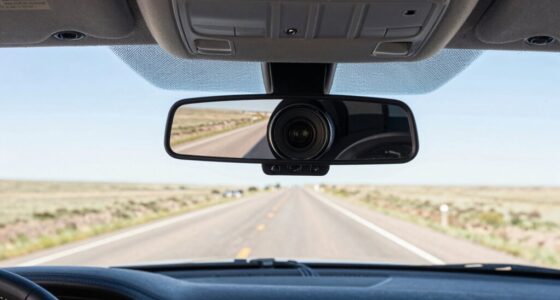
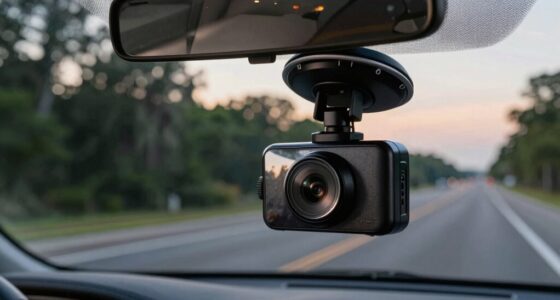
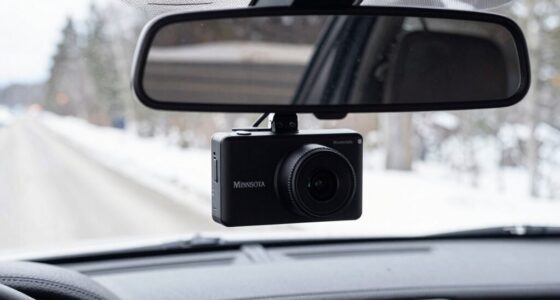
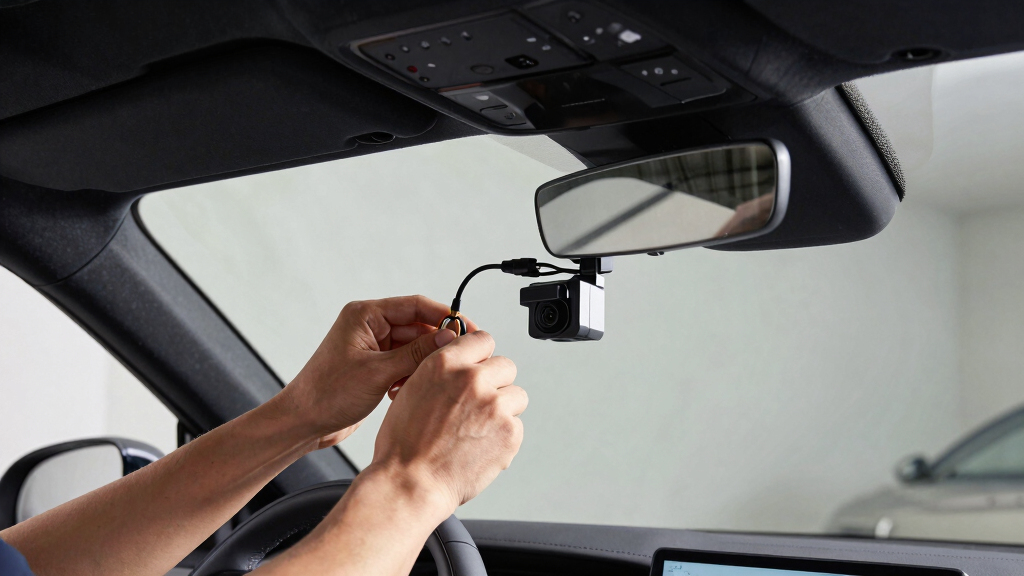
The European Union has introduced a regulation requiring all new cars sold within member states to include driver monitoring cameras. This measure aims to improve road safety by monitoring driver attention and behavior. The rule applies immediately, with manufacturers now implementing the technology across their new vehicle models.
The European Union has mandated that all new cars sold in member states must include a driver monitoring camera, a move designed to enhance road safety and reduce accidents caused by driver distraction or fatigue. This regulation, announced by the European Commission, is now in effect, requiring automakers to comply with the new standard for all vehicles sold within the EU.
The regulation was officially adopted by the European Parliament and the European Commission, making it a legal requirement for car manufacturers. The driver monitoring camera must be capable of detecting signs of driver drowsiness, distraction, or impairment, and alerting the driver accordingly. Manufacturers have already begun integrating these systems into their latest vehicle models to meet the compliance deadline. The rule applies to all new passenger cars and light commercial vehicles sold in the EU, with no phased implementation period announced. The regulation aims to reduce road accidents linked to driver inattentiveness, which the EU estimates account for approximately 20% of road fatalities annually. Industry representatives have expressed concerns about privacy and data security, but regulators emphasize that the systems are designed to monitor driver alertness only and do not record or transmit video data externally.Impact on Vehicle Safety and Industry Standards
This regulation marks a significant shift in vehicle safety standards within the EU, emphasizing driver attentiveness as a key factor in road safety. The mandatory inclusion of driver monitoring cameras is expected to reduce accidents caused by distraction and fatigue, potentially saving hundreds of lives each year. For automakers, this development necessitates upgrades in vehicle technology and may influence future safety regulations globally. The move also reflects increasing concerns over driver monitoring and the use of AI-driven safety features in vehicles, setting a precedent for other regions to follow.
As an affiliate, we earn on qualifying purchases.
EU’s Push for Safer Vehicles and Technological Integration
The EU has been progressively tightening vehicle safety regulations over recent years, including mandatory crash safety standards and emissions controls. The introduction of driver monitoring cameras builds on previous initiatives aimed at reducing road fatalities, which have steadily declined but still remain high compared to other regions. This regulation follows similar moves in some countries, such as Japan and China, where driver monitoring technology is also being adopted. Industry insiders note that automakers have been preparing for this change, with some already offering driver attention systems in premium models. The regulation was finalized after extensive consultations and pilot programs demonstrating the effectiveness of driver monitoring in preventing accidents.
“Manufacturers are committed to complying with the new standards, but we also need clarity on data privacy and how these systems will be regulated moving forward.”
— Automotive Industry Association spokesperson
As an affiliate, we earn on qualifying purchases.
Unresolved Questions About Privacy and Enforcement
It is still unclear how the EU will monitor compliance and enforce the regulation across different manufacturers. There is also ongoing debate about data privacy, with critics raising concerns about how driver monitoring data will be stored, used, or potentially shared. The specific technical standards and certification processes for these cameras have not yet been publicly detailed, and it remains to be seen how regulators will address potential privacy violations or technical malfunctions.
vehicle driver drowsiness detection camera
As an affiliate, we earn on qualifying purchases.
As an affiliate, we earn on qualifying purchases.
Implementation Timeline and Regulatory Oversight Details
Automakers are expected to complete integration of driver monitoring cameras into their new models within the next few months, with some already rolling out compliant vehicles. Regulatory agencies will likely begin inspections and audits to ensure compliance, while discussions about data privacy regulations are expected to intensify. The European Commission may also issue further guidance on technical standards and privacy protections in the coming months. Consumers should expect to see these systems in new vehicles available for purchase immediately.
As an affiliate, we earn on qualifying purchases.
Key Questions
Does this regulation apply to all vehicles in the EU?
No, it applies specifically to all new passenger cars and light commercial vehicles sold within the European Union from now on.
Will driver monitoring cameras record video data?
According to regulators, these systems are designed to monitor driver alertness only and do not record or transmit video data externally. Privacy protections are a key part of the regulation.
Are there any penalties for non-compliance?
Regulators have not yet specified penalties, but automakers failing to comply could face fines, restrictions on vehicle sales, or other enforcement actions as part of regulatory oversight.
Will this technology be mandatory in used cars?
No, the regulation only applies to new vehicles sold in the EU. It does not retroactively affect existing cars on the road.
How soon will all new cars have these cameras?
Manufacturers are expected to integrate the technology immediately, with compliance expected within the next several months as models are updated or released.
Source: hn
Grilling season Picks
grills
As an affiliate, we earn on qualifying purchases.