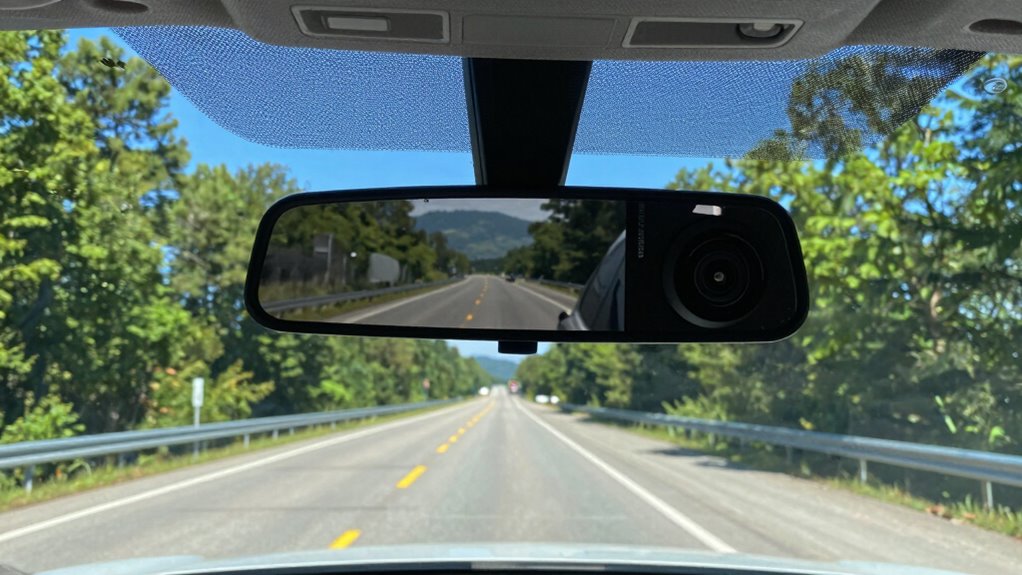

In Alabama, you should mount your dash cam on the dashboard or behind the rearview mirror to avoid obstructing your view and stay clear of legal issues. When recording audio, remember the state’s one-party consent law—disclose recordings to avoid privacy violations. Keep cables hidden, and guarantee your device doesn’t block airbags or visibility. Staying compliant helps you stay safe and protected; further details can help you use your dash cam responsibly.
Key Takeaways
- Dash cams must be mounted low on the dashboard or behind the rearview mirror to avoid obstructing the driver’s view.
- Alabama law is one-party consent; you can record audio if you are a participant, but recording others without consent may be illegal.
- Clear signage or verbal notices should be used to inform passengers of audio and video recording during trips.
- Footage is admissible in court if properly recorded, stored, and compliant with privacy and consent laws.
- Keep windows and windshield free of obstructions; ensure the dash cam does not interfere with airbags or safety features.
Mounting Regulations for Dash Cameras in Alabama

In Alabama, mounting your dash camera in a way that complies with state laws requires careful placement. The law bans any nontransparent material on the windshield that obstructs your clear view, making suction-cup or visibly affixed cameras risky. Legal guidance recommends mounting the camera on the dashboard, low and close to the rearview mirror, to avoid obstruction. Position it below your sightline, ensuring it doesn’t block your view of the road or interfere with airbags. Routing cables should be tidy and out of sight, avoiding controls and airbag zones. While there’s no specific size limit, devices that cause glare, reflections, or block mirrors may be considered obstructive. Using low-profile mounts and placing cameras inside the vehicle helps you stay within Alabama’s windshield material restrictions. Proper placement ensures your dash cam remains compliant and does not pose safety hazards. Additionally, understanding the warranty considerations related to mounting options can help prevent potential issues with manufacturer coverage. Manufacturers’ guidelines often emphasize safety regulations, which include proper mounting practices to ensure device effectiveness and compliance. Incorporating standard mounting practices can further ensure compliance and safety. Keeping abreast of regulatory updates can also help ensure ongoing compliance with evolving laws.
Legal Considerations for Audio Recording
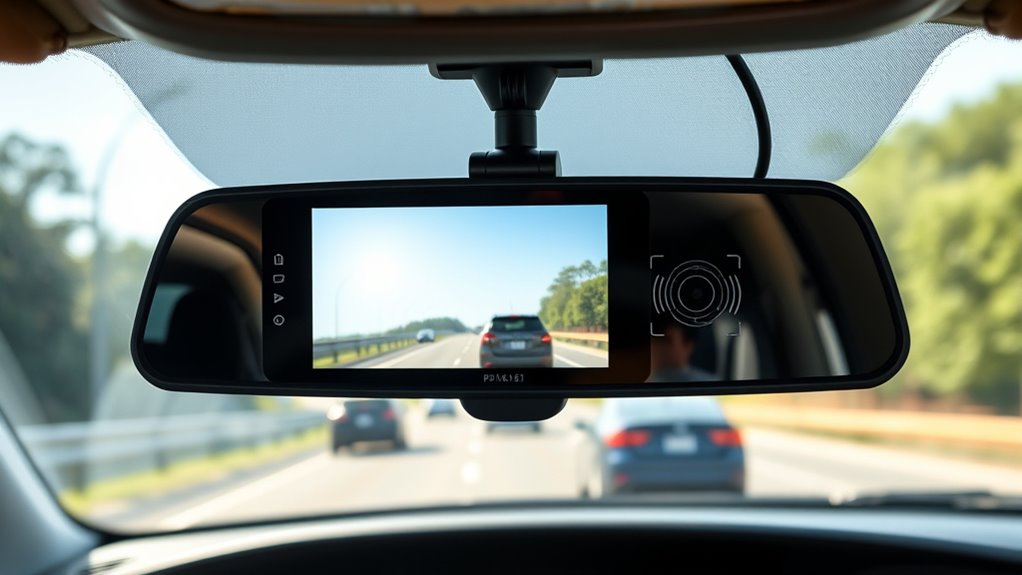
When installing a dash cam in Alabama, understanding the state’s legal stance on audio recording is essential. Alabama follows a one-party consent rule, meaning you can record conversations if at least one participant agrees. Since the law considers your consent sufficient, recording your own conversations is generally legal. However, recording third-party conversations without their knowledge can lead to criminal or civil penalties. To stay compliant, use clear verbal notices at the start of your trip or display signage indicating recording is active. Disabling the microphone when passengers decline recording or when privacy is expected helps avoid legal issues. Keep logs of when audio is enabled or disabled, as these support the legality of your recordings, especially if you face disputes or legal questions later. Understanding state-specific consent laws is crucial to ensure your dash cam use remains within legal boundaries. Additionally, being aware of the impact of cookies and user privacy can help you manage your data and recordings responsibly. Being familiar with privacy regulations related to audio recordings further ensures that your dash cam usage complies with all applicable laws. Moreover, regularly reviewing local surveillance laws can help you stay updated on any changes that might affect your recording practices. Ensuring your recordings are legally admissible can also prevent potential issues in legal proceedings. Being aware of common privacy concerns can further assist in maintaining ethical recording practices.
Privacy Guidelines When Using Dash Cams
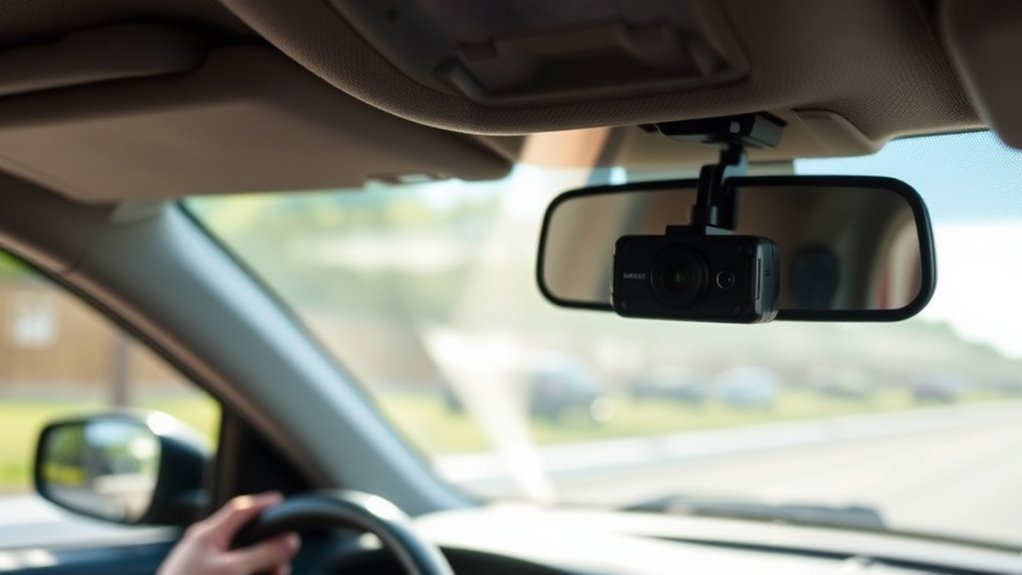
To make certain you respect privacy laws while using a dash cam, it’s crucial to inform passengers about any video or audio recordings. Verbal disclosure or posted notices help reduce legal risks, especially for audio in states with consent rules. Before passengers enter, notify them of the dash cam’s presence. Visible signage also demonstrates compliance with privacy expectations. When recording in public spaces, you generally don’t need consent, as these areas have no reasonable privacy expectation. However, on private property, you should obtain permission and avoid recording private areas like restrooms. To stay compliant, consider these guidelines:
| Recording Area | Privacy Consideration | Action Required |
|---|---|---|
| Public spaces | No expectation of privacy | Record freely, no consent needed |
| Private property | Expect privacy in certain areas | Obtain permission before recording |
| Private areas (restrooms) | High privacy expectation | Do not record |
| Public roadways | No privacy expectation | Record without concern |
| Private spaces | Consent required | Get permission before recording |
Being aware of specific privacy laws in your area helps ensure you remain compliant while using your dash cam. Additionally, understanding audio recording regulations is essential, as some jurisdictions require explicit consent to record audio. Being informed about wave and wind considerations can also help you better understand how environmental factors might affect recording quality. Incorporating technological advancements can enhance your dash cam’s capabilities while still respecting privacy boundaries. Recognizing local regulations can further assist in avoiding inadvertent legal infringements.
Acceptable Placement and Obstruction Rules
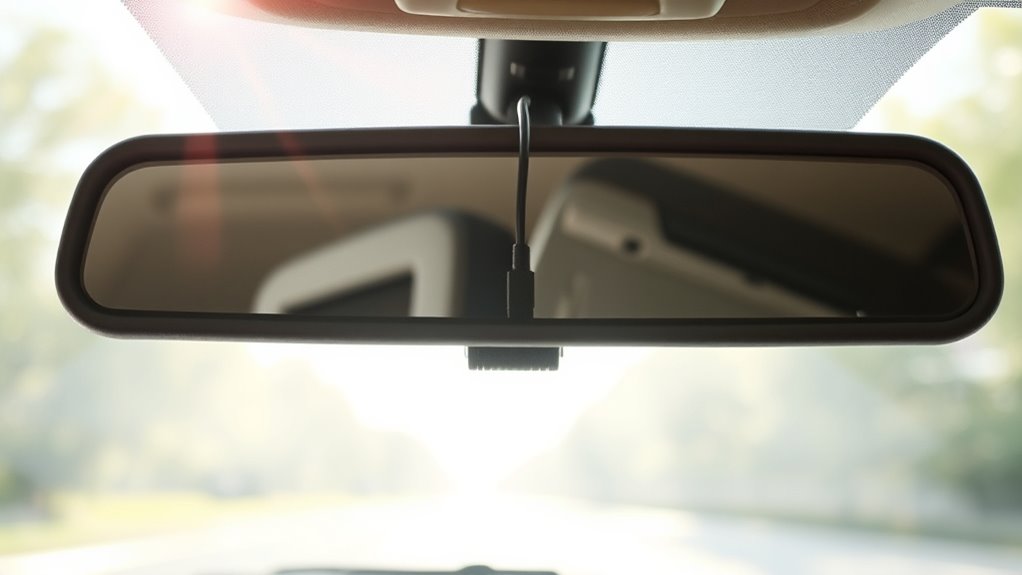
Mounting your dash cam in accordance with Alabama law requires careful placement to avoid obstructing your view of the road. The law prohibits any sign, poster, or nontransparent material on the front windshield that blocks your clear line of sight. Windshield-mounted cameras that materially obstruct your view risk violation, as Alabama doesn’t specify an exception for dash cams. The safest option is to mount the device on the dashboard, centered and low, or behind the interior rearview mirror, so it stays out of your primary sightline. Avoid placing the camera within the sweep of windshield wipers or directly in your line of sight. Secure it firmly to prevent movement or falling, and ensure cables do not interfere with controls or safety features like airbags. Proper placement helps prevent citations and safety risks. Since Alabama law emphasizes maintaining clear visibility, ensuring the camera does not block your view is essential to stay compliant. Additionally, verifying that your dash cam’s placement does not interfere with safety features can help you avoid potential legal issues. To further ensure compliance, consider understanding the specific regulations related to vehicle modifications and equipment placement in your state, as state-specific laws may have additional requirements. Being aware of vehicle modification laws can help in choosing a compliant mounting location. Furthermore, understanding the thermal behavior of mounted devices can assist in selecting a position that minimizes heat buildup that could affect device performance.
Using Dash Cam Footage as Evidence
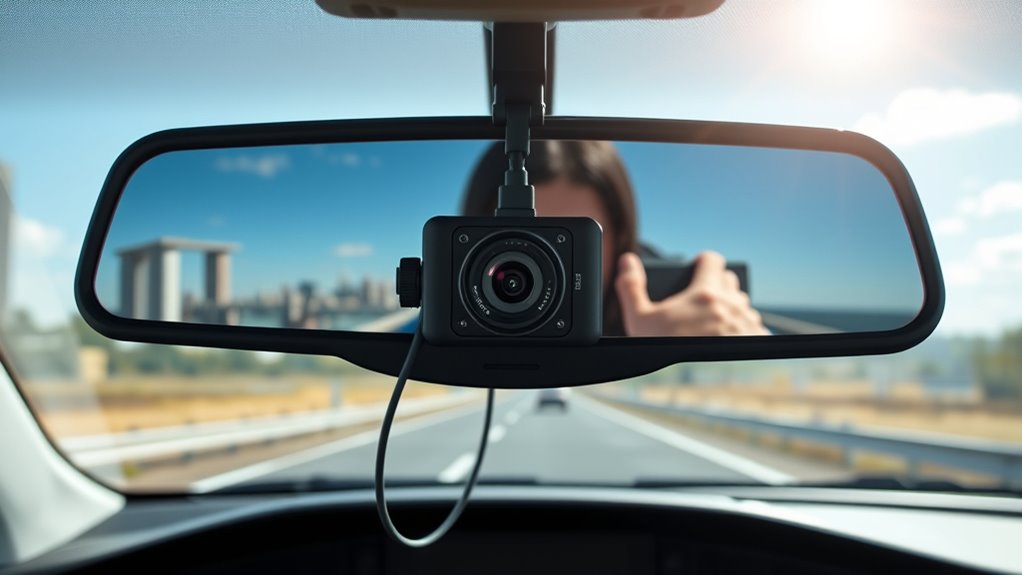
Using dash cam footage as evidence in Alabama courts is generally straightforward if the footage is relevant and properly authenticated. You need to verify the video shows the incident clearly and that its origin and integrity are confirmed. This involves demonstrating the chain of custody, device details, timestamps, and any metadata like GPS data. Courts tend to favor footage from public locations over private recordings, but they still apply standard rules like relevance and hearsay exceptions. To strengthen your case, you may need expert testimony or forensic proof if authenticity is challenged. Remember, law enforcement can subpoena footage, and destruction after notice can lead to sanctions. Additionally, ensuring your footage complies with state laws—such as not obstructing your view or recording private conversations without consent—can influence its admissibility and weight in court. Proper evidence authentication techniques can help establish credibility and prevent challenges to your footage. Familiarity with court procedures and the legal standards for digital evidence can also boost your confidence in presenting dash cam footage effectively. Being aware of video quality standards can help you select the most admissible footage. A thorough understanding of digital evidence integrity is crucial for avoiding challenges based on tampering concerns. Additionally, understanding how smart home security integration can affect privacy and evidence management is increasingly important. Below is a visual guide to understanding key aspects:
| Aspect | Explanation |
|---|---|
| Authentication | Chain of custody, device info, metadata |
| Court Discretion | Quality, tampering concerns, privacy violations |
| Location Relevance | Public vs. private location recordings |
Practical Tips for Compliant Dash Cam Use
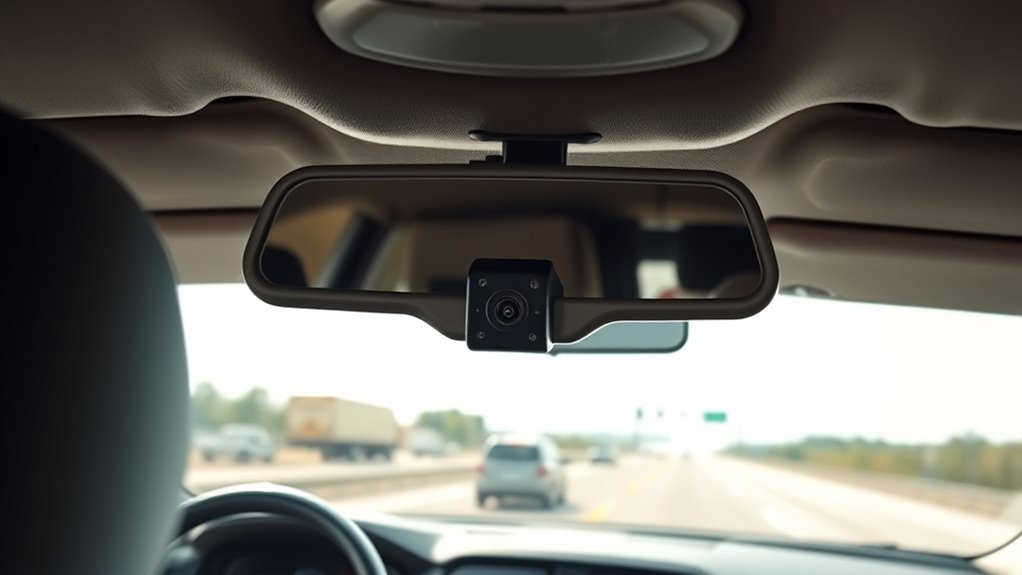
To stay compliant, make sure your dash cam is mounted low on the dashboard so it doesn’t block your view or violate Alabama laws. Keep your windows clear of obstructions and avoid placing the camera on the windshield to prevent citations. Also, disable audio recording or get all-party consent to avoid privacy issues, and inform passengers about the recording to stay transparent. Additionally,, ensure your dash cam does not obstruct the driver’s line of sight in accordance with Alabama regulations. To maximize safety and legal compliance, consider proper mounting techniques that keep your truck’s view unobstructed and within legal limits. Proper wiring basics can help prevent distractions and ensure the dash cam functions reliably. Being aware of privacy considerations helps avoid potential legal complications related to recording conversations, especially since recording laws can vary by jurisdiction. Understanding cookie consent and privacy policies further ensures you adhere to legal standards regarding data collection and user privacy.
Position Dash Cam Low
Placing your dash cam low on the dashboard is essential for staying compliant with Alabama laws while ensuring effective recording. This position minimizes windshield obstruction and aligns with regulations prohibiting nontransparent attachments. A low, forward-facing mount near the dash center offers a broad view of the road and captures useful evidence, like license plates or incidents at bumper level. Use a low-profile, secure mount to prevent movement from bumps or HVAC vents. Route cables carefully, avoiding controls, airbags, or trip hazards. Adjust the camera’s height and tilt so it stays below the driver’s primary sightline, maximizing visibility without obstructing your view. Test from the driver’s seat and reposition if any part of the device intrudes into your normal sightline, ensuring both safety and legal compliance. Ensure the camera remains unobstructed while driving, as some states have specific requirements about what can and cannot be blocked from view. Additionally, choosing a mount that is specifically designed for low-profile installation can help maintain compliance and improve stability during drives.
Maintain Clear Windows
Maintaining your windshield and windows clear is vital for legal compliance and safe driving. Dirty or obstructed glass can impair visibility and risk citations. To stay compliant, ensure your dash cam and mount stay outside the windshield wiper sweep area, and avoid attachments that exceed local size limits. Position your device so it doesn’t block your central view or mirrors, and check after repositioning to prevent movement during vibrations. Use low-profile mounts or dashboard adhesives rated for automotive temperatures for secure placement. Regularly clean your windshield and lens with automotive-safe cleaners, removing smudges, dust, and condensation that can obscure footage. Repair chips or cracks promptly to prevent further obstruction. Maintaining clear windows guarantees ideal visibility, safe driving, and legal compliance.
- Keep windshield free of smudges and debris
- Ensure dash cam stays outside wiper sweep area
- Use low-profile or dashboard mounts
- Regularly clean camera lens and housing
- Repair chips or cracks promptly
Obtain Audio Consent
Wondering how to stay compliant when recording audio inside your vehicle? Alabama requires all-party consent for private conversations, so you need to get clear approval from everyone involved before capturing audio. To do this, start each trip with a verbal script like, “Audio recording on; consent to record?” and record their affirmative response on your dash cam as proof. Consider placing a visible sticker in the passenger area stating, “Audio and video recording in progress — by entering this vehicle, consent is given.” For high-risk or commercial trips, keep a written log of consent or use electronic acknowledgment via an app. Always configure your dash cam to default audio off, enabling it only after consent is obtained to avoid legal issues. States with all-party audio consent laws require explicit permission from all recorded parties, so staying aware of these regulations is crucial.
Frequently Asked Questions
Can I Use a Dash Cam in Rental Vehicles in Alabama?
Yes, you can use a dash cam in rental vehicles in Alabama, but you need to follow certain rules. Make sure to get written permission from the rental company before installing it, especially if you plan to mount it on the windshield. Use a nonpermanent, low-profile mount that doesn’t obstruct your view, and avoid recording audio unless you have everyone’s consent. Always prioritize safety and comply with Alabama laws to avoid issues.
Are There Any Restrictions on Recording Footage in Private Parking Lots?
You can record footage in private parking lots, but you should get property-owner permission to avoid trespassing or privacy issues. Be cautious about recording private conversations, since Alabama requires all-party consent for audio. Avoid obstructing your windshield with mounts and post clear signage if you’re recording audio or video. Staying within these guidelines helps ensure your recordings are lawful and can be used confidently in legal situations.
Is It Legal to Record Audio Without Informing Passengers in Alabama?
Think of recording audio as holding a mirror to your conversations—Alabama lets you do this if you’re part of the discussion, like a one-man band playing your own tune. You don’t need to tell passengers, as long as you’re involved in the chat. However, if you secretly record private talks, it could raise privacy flags. To stay safe, consider informing or getting consent, especially in sensitive situations.
Can I Modify My Dash Cam to Bypass Mounting Restrictions?
You can’t legally modify your dash cam to bypass mounting restrictions in Alabama. Any alterations that obstruct your view or involve nontransparent materials on the windshield violate state laws. Modifying your device might seem like a workaround, but it risks citations, fines, or confiscation. The safest approach is to keep your dash cam mounted on the dashboard or another compliant location, ensuring your setup remains legal and unobtrusive.
Are There Specific Dash Cam Features Prohibited by Alabama Law?
You should avoid dash cam features that obstruct your view or interfere with safety systems, like large housings or screens that block instruments or airbags. Continuous in-cabin audio recording without all-party consent can violate Alabama’s wiretap laws. Also, suction-cup mounts that obscure your windshield are effectively prohibited. Always verify your device’s features comply with these restrictions to avoid legal issues and maintain safe driving.
Conclusion
So, while Alabama’s dash cam laws keep your footage legal and your privacy intact, don’t forget—what’s recorded might just be used against you. Ironically, the very devices meant to protect you could turn into evidence of your own mistakes. Stay informed, mount smart, and respect privacy, or risk turning a simple drive into a legal saga. After all, in the world of dash cams, today’s innocent recording could be tomorrow’s courtroom drama.